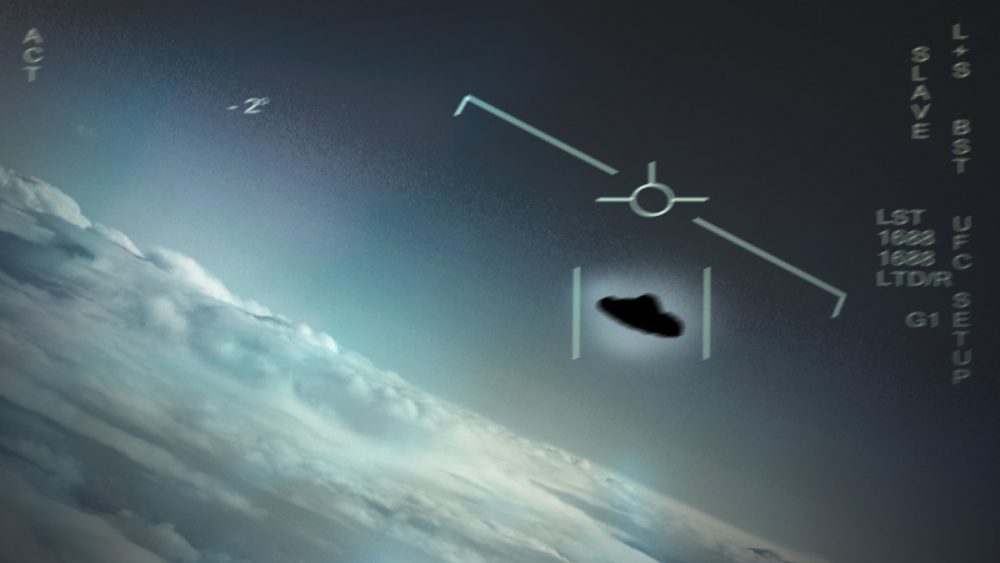

UFOs have been a topic of fascination for decades, but what makes them unique? In this article, we'll explore five key characteristics that set UFOs apart from other aerial phenomena.
Unidentified Aerial Phenomena (UAPs) have perplexed observers for years, exhibiting behaviors that defy our understanding of physics and technology. As a result, UFOs have become a popular subject for scientific study, attracting the attention of prestigious organizations like NASA. With increasing evidence and research, public perception has shifted significantly, moving away from the notion of UFOs as mere conspiracy theories and towards recognizing them as a real, unexplained phenomenon that warrants serious investigation.
- Astounding Acceleration: One of the unique characteristics of UFOs (UAPs) is that they can perform sudden, deliberate maneuvers, even changing direction instantaneously. These accelerations surpass the tolerance of known biological systems and challenge our current technological capabilities in material manufacturing.
- Silent Hypersonic Speeds: UAPs can travel at supersonic velocities without leaving any typical signatures behind. While modern military and reconnaissance aircraft produce detectable signatures like sonic booms, vapor contrails, and atmospheric ionization, UAPs leave no such traces.
- Elusive Observability: Whether viewed through electro-optical, electromagnetic means, or the naked eye, obtaining a clear image of UAPs remains a challenge, which is another key characteristic of UFOs. Witnesses struggle to describe them, radar returns are often nonsensical or jammed, and objects appear opaque and semi-metallic, making it difficult to see the object itself.
- Mysterious Trans-medium Travel: UFOs (UAP) can seamlessly navigate through various environments and conditions without compromising performance or lift. Unlike human-made vehicles designed specifically for space, air, or water, these objects can traverse all three mediums using the same design, baffling our understanding of physics.
- Unexplained Positive Lift: UFOs (UAP) can resist Earth’s gravity without the usual aerodynamic means for lift and thrust, such as engines, propellers, exhaust plumes, wings, rudders, ailerons, or fins. Despite lacking these features, they still move precisely in our atmosphere.
Unidentified Aerial Phenomena (UAPs) have captivated the curiosity of experts and enthusiasts alike for many years, showcasing behaviors that challenge our conventional understanding of physics and technology. This intrigue has led to a substantial shift in public perception, as UFOs are no longer dismissed as mere conspiracy theories but are increasingly regarded as a genuine, enigmatic phenomenon deserving of rigorous investigation.
Prominent institutions such as NASA have recognized the significance of this shift, intensifying their efforts to explore these mysterious occurrences. With growing evidence and ongoing research, it is clear that the coming years will witness a heightened commitment to transparency and discovery, as we strive to unravel the mysteries surrounding UFOs.
The presence of these five unique observations forces us to reevaluate our understanding of UAPs. To unravel the mystery, we need more data and comprehensive research to better comprehend what we are witnessing.