A Kashmir Stone Carving May Preserve the Memory of an Exploding Star
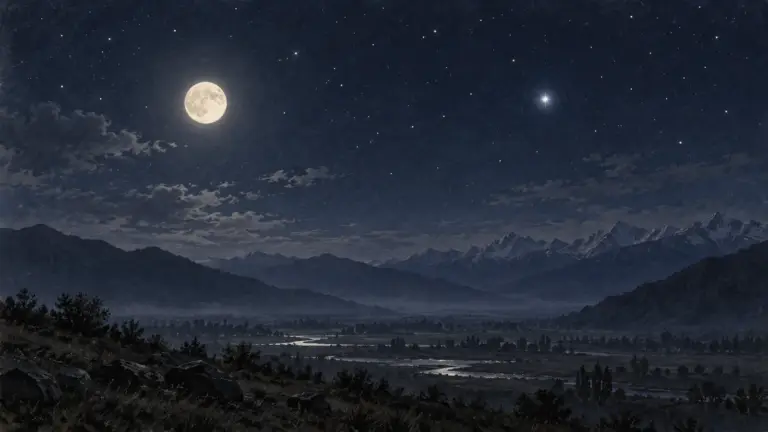
Two radiant shapes above a hunting scene led researchers to connect a Kashmir carving with supernova remnant HB9. The proposed match joins archaeology and astronomy.
Independent reporting on space, archaeology and ancient worlds

For the passionately Curious
Independent reporting
Two radiant shapes above a hunting scene led researchers to connect a Kashmir carving with supernova remnant HB9. The proposed match joins archaeology and astronomy.
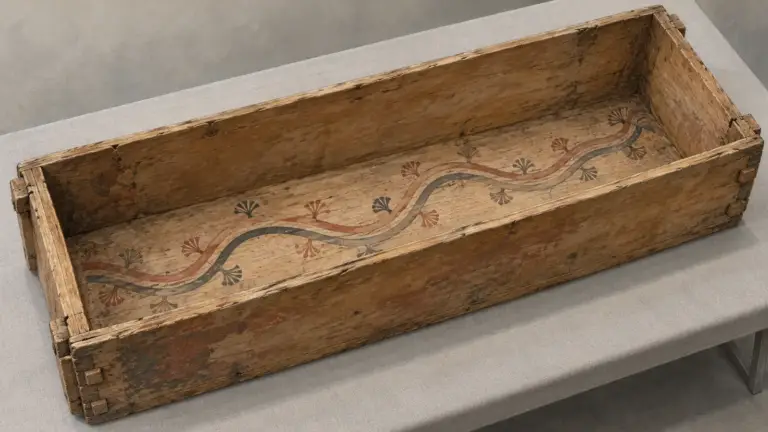
Rescued from decaying wood, fragments of Ankh’s coffin preserve an early Book of Two Ways, with routes, spells and a possible connection to rituals for Osiris.
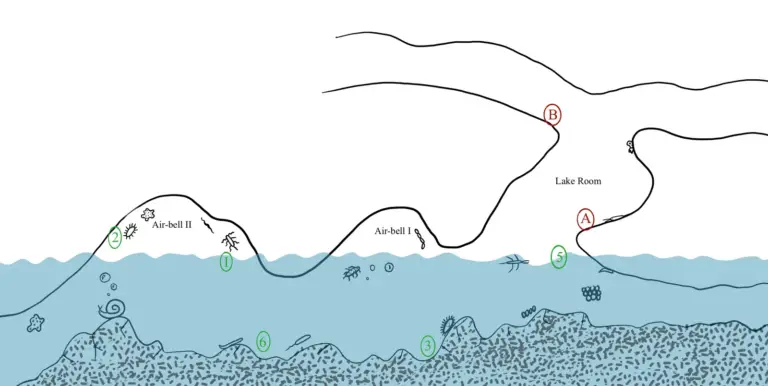
Microbes turn chemical energy into food beneath Romania. Isotope measurements and sediment DNA help explain how Movile Cave’s animals survive in darkness.
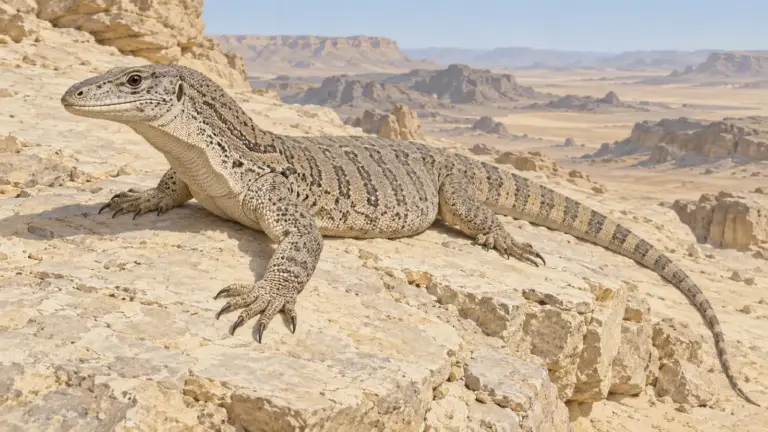
The smallest stencils at Wadi Sura II have long, pointed fingers. A comparison with newborn hands suggests prehistoric artists may have used an animal’s forefoot.
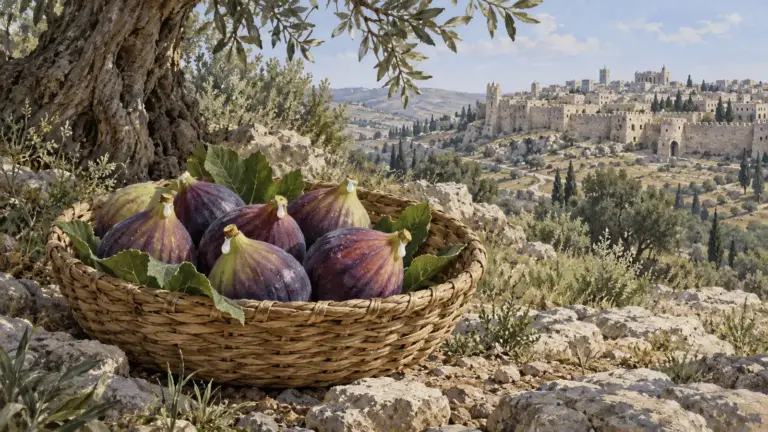
A basket of fresh figs accompanies Abimelech into a city changed by sixty-six years. The ancient story has more to explore than its extraordinary sleep.
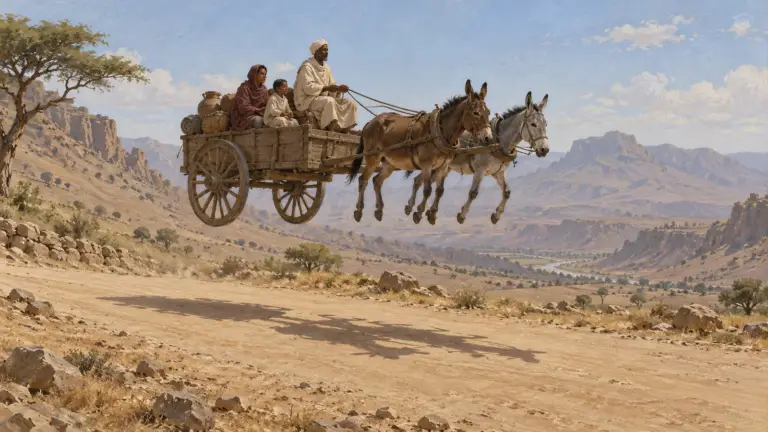
An airborne vessel and a floating caravan appear in Ethiopia’s Kebra Nagast. Reading the passages reveals how flight carries its story of Solomon, Sheba and the Ark.
Weinstein describes alleged approaches about preparing the public for UFO disclosure. A 2022 request log shows the subject has a longer public history.
Greer’s June 2026 letter set an August deadline and described a proposed evidence effort. The document distinguishes promises from material actually supplied.
Matthew Brown connects alleged UFO programmes with consciousness and inherited abilities. His interview mixes reported accounts with his own speculation.
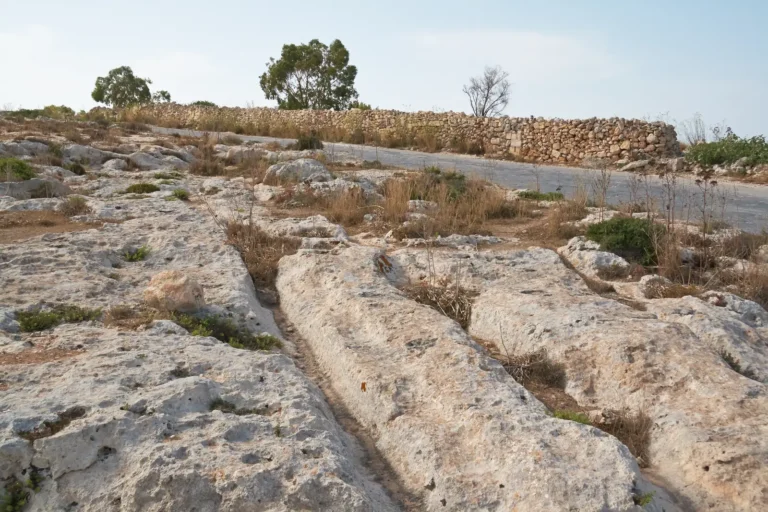
Malta’s cart ruts may record wheeled transport or deliberately cut field furrows. Compare the published models, limestone weathering and unresolved dating.
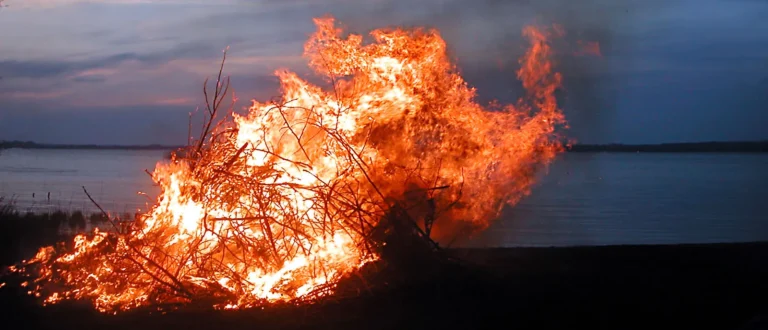
Explore Walpurgis Night through Harz witch traditions, Swedish bonfires, museum records and the real shadow phenomenon called the Brocken spectre.
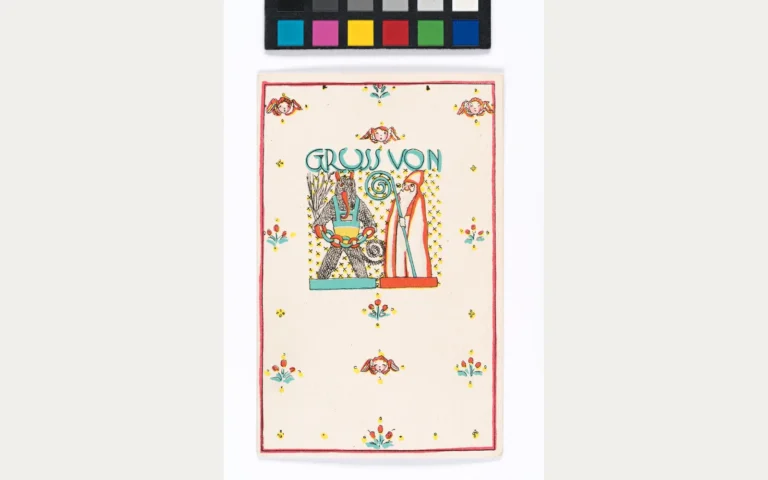
Trace Krampus through Alpine winter customs, museum objects and historical records, and explore why the horned figure keeps changing while retaining his appeal.
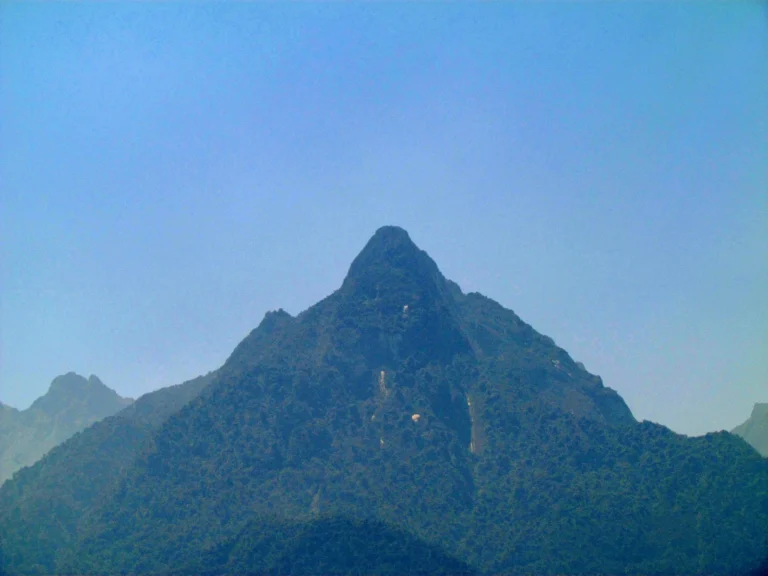
Drone laser scans traced more than 2.5 kilometres of roads across the forested slopes of Yanantin. Their routes are becoming clearer; their dates are still being investigated.
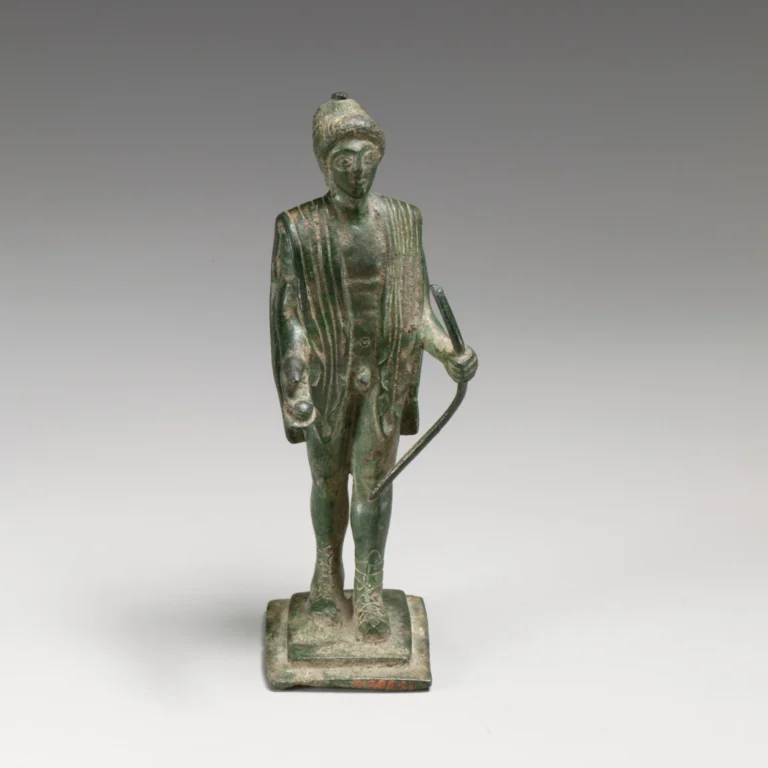
Abaris carried Apollo’s arrow in Herodotus and rode it in Iamblichus. Comparing the ancient texts reveals different versions of the Hyperborean traveller.
The Bentresh stela tells of Khonsu healing a foreign princess. Its divine journey, uncertain date and museum objects reveal a complex Egyptian religious story.
A tentative six-year timing signal suggests a massive companion near the hot star’s habitable zone. The detection remains uncertain.
Two new studies follow ocean ingredients into plume ice and test methane production in a laboratory seafloor analogue. Both refine how scientists could search for life.
Orbital simulations identify room for a small world around one of the nearby binary’s stars. Observations have not detected a planet there.
Mario Woods and Michael Johnson revisit a claimed 1977 encounter. Their reunion offers a chance to compare recollections, early statements and surviving records.
David Grusch describes footage he says he saw of recovered bodies. His account raises questions about appearance, provenance and biological identification.
Witnesses describe glowing objects that seemed to breathe or communicate. Their accounts raise questions about appearance, plasma and how another encounter could be recorded.