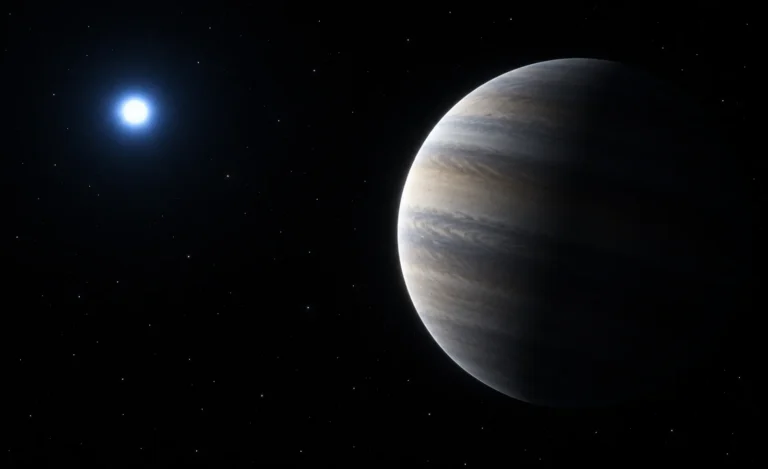
HD 156295’s Pulsations Point to a Possible Giant Planet
A tentative six-year timing signal suggests a massive companion near the hot star’s habitable zone. The detection remains uncertain.
Independent reporting on space, archaeology and ancient worlds

For the passionately Curious
Browse Curiosmos
This category presents the reader with astronomical events that can be seen each week, and month.
A tentative six-year timing signal suggests a massive companion near the hot star’s habitable zone. The detection remains uncertain.
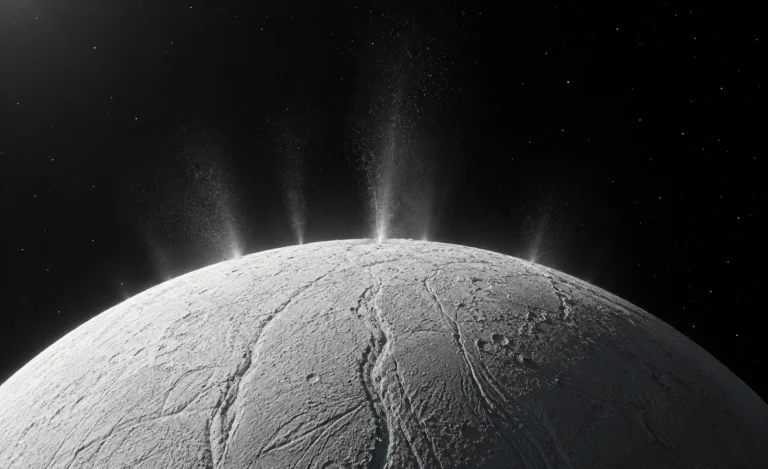
Two new studies follow ocean ingredients into plume ice and test methane production in a laboratory seafloor analogue. Both refine how scientists could search for life.
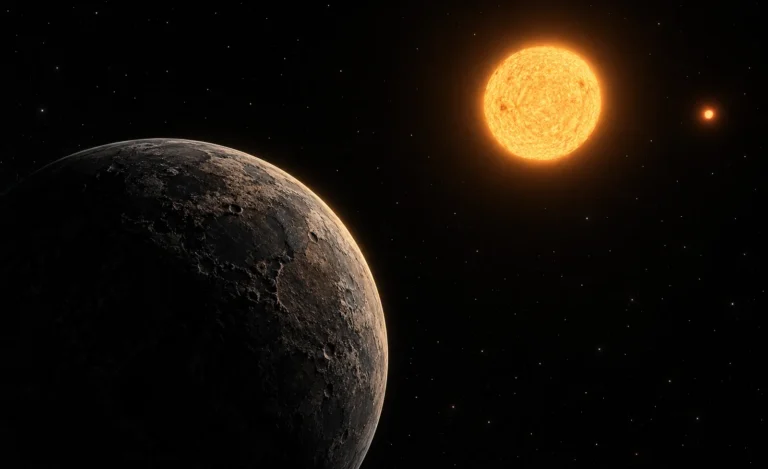
Orbital simulations identify room for a small world around one of the nearby binary’s stars. Observations have not detected a planet there.

His early Mars expedition called for 70 people, orbital assembly and winged landers. The design reveals how much depended on a planet nobody had visited.
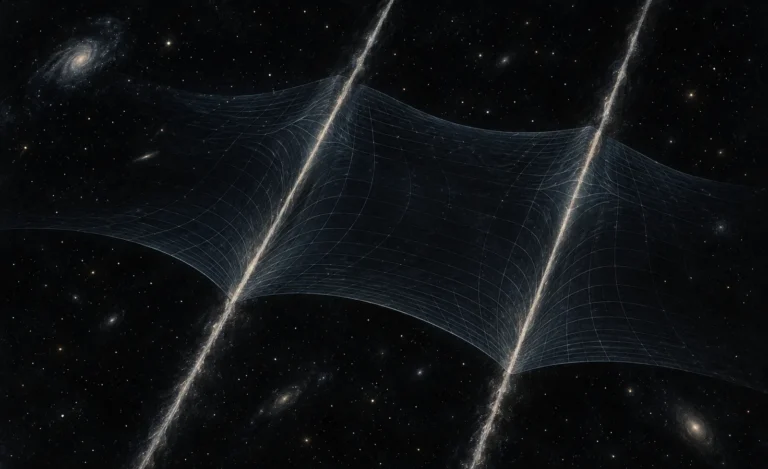
Cosmic strings feature in a mathematical time-travel proposal. Explore Gott’s solution, its physical obstacles and the gravitational-wave searches for the strings themselves.
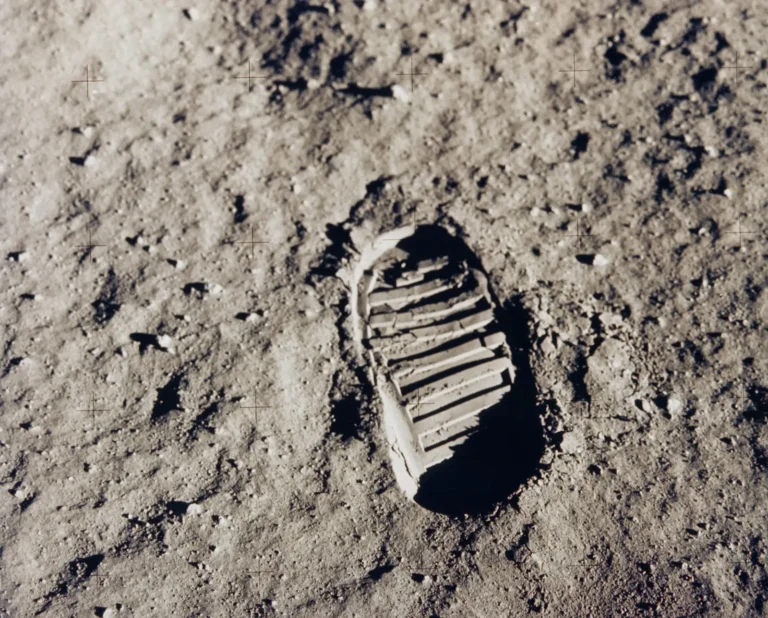
A 2026 proposal asks whether fragments of distant technology could survive in lunar soil. Finding them would require far more than an unusual grain.
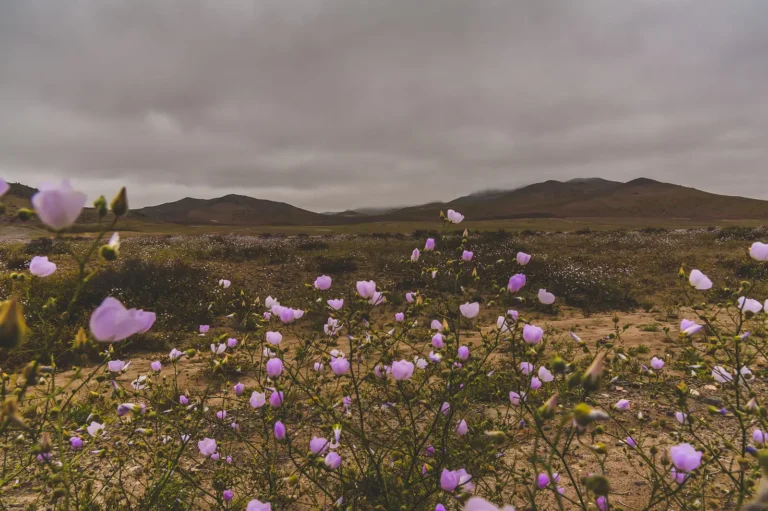
Rain can turn parts of the Atacama into fields of flowers. Seeds, bulbs and the timing of each species explain what happens beneath the spectacle.
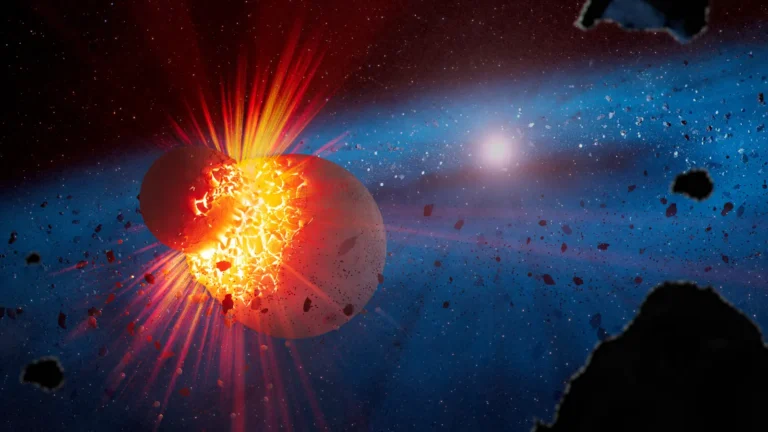
Spectra from 21 extreme debris disks reveal heated minerals that may trace impacts between growing rocky worlds, including bodies roughly the size of Mars.
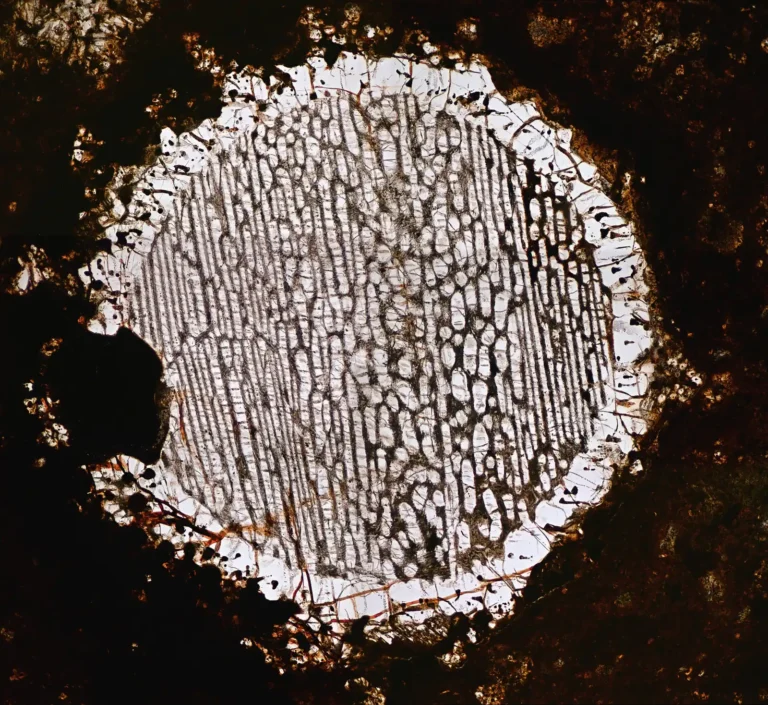
Meteorites are more than rocks from space. Their minerals, isotopes and tiny chondrules preserve a record of how the young Solar System took shape—and what they cannot tell us.
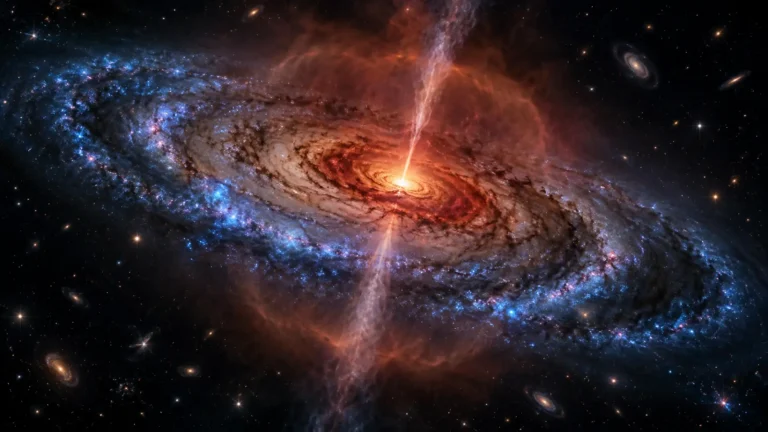
Some galaxies stop forming stars when hot gas, black-hole energy and depleted fuel change the balance that lets new suns appear.
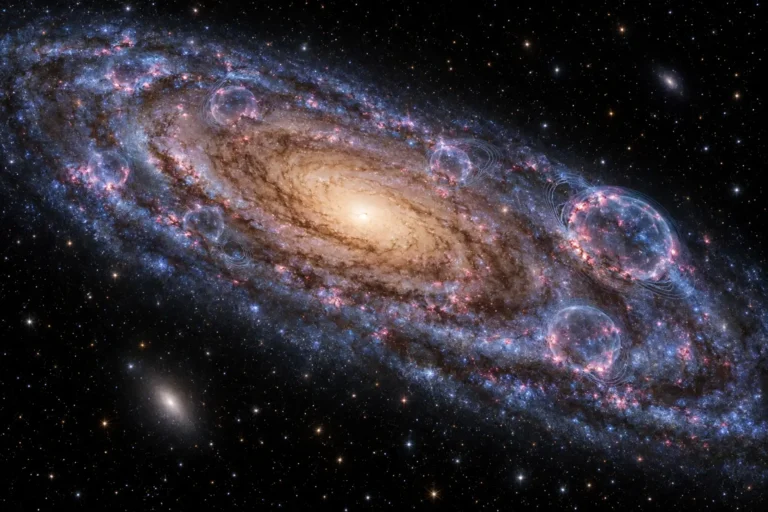
Astronomers identified 118 expanding hydrogen superbubbles across Andromeda and found that clustered supernovae can supply enough energy to sustain the galaxy’s observed turbulence.
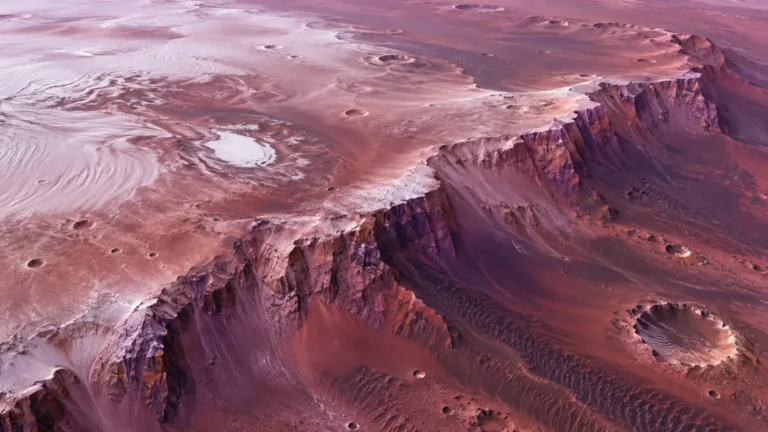
A Mars Express view of Thyles Rupes near the south pole reveals kilometre-high cliffs, frozen dunes and a landscape shaped by cooling, dust and frost. Mars is usually pictured in…
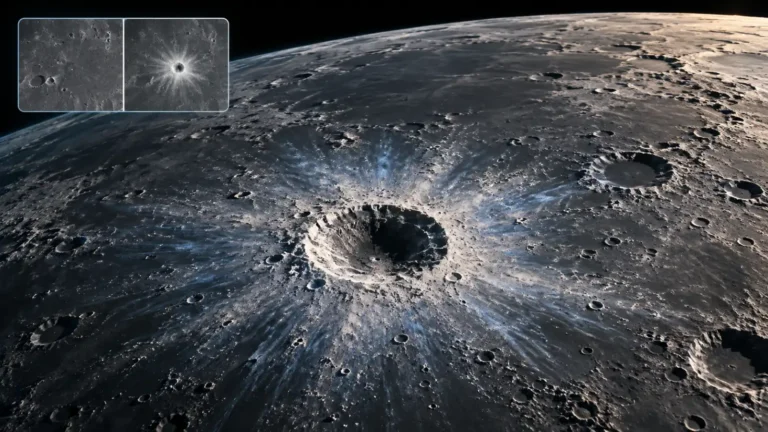
A 222-metre crater formed on the Moon in 2024 but was found only after a routine comparison of Lunar Reconnaissance Orbiter images. Here is what the fresh impact reveals about the lunar surface.
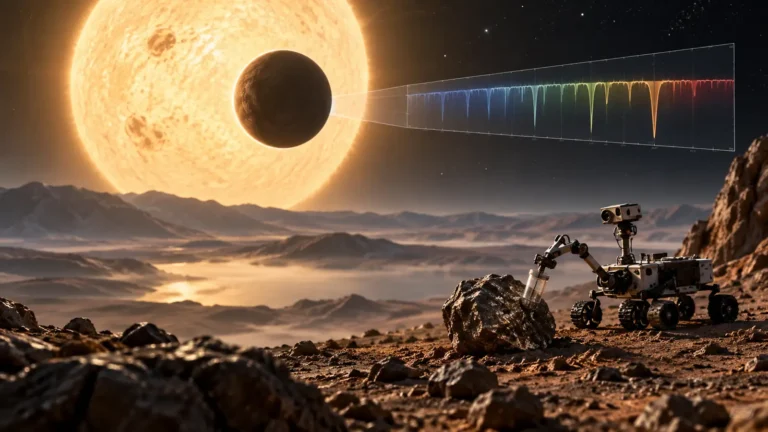
A habitable world is not the same as a living world. Here is how scientists define biosignatures, test false positives and build a case for life beyond Earth.
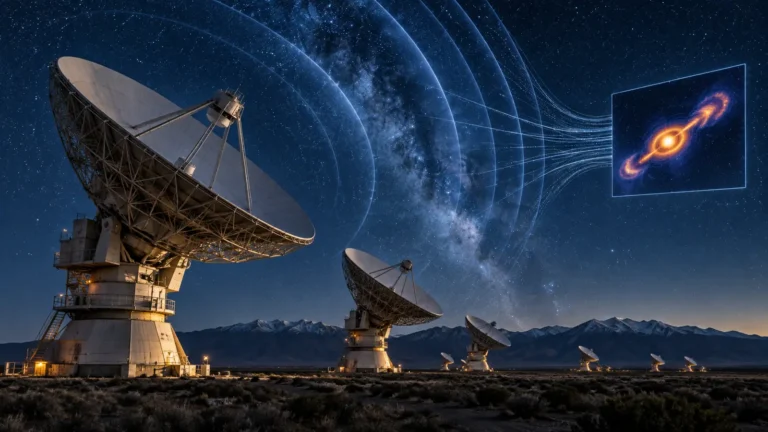
Radio telescopes measure radio waves, combine signals and reconstruct images of hidden cosmic structures.
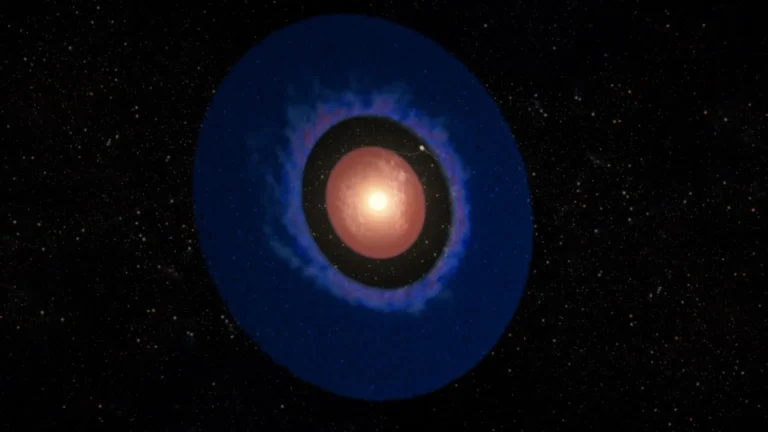
Astronomers confirmed Elias 2-24 b, a Jupiter-mass world less than a million years old still growing inside its star’s birth disk. Here is how they found it.
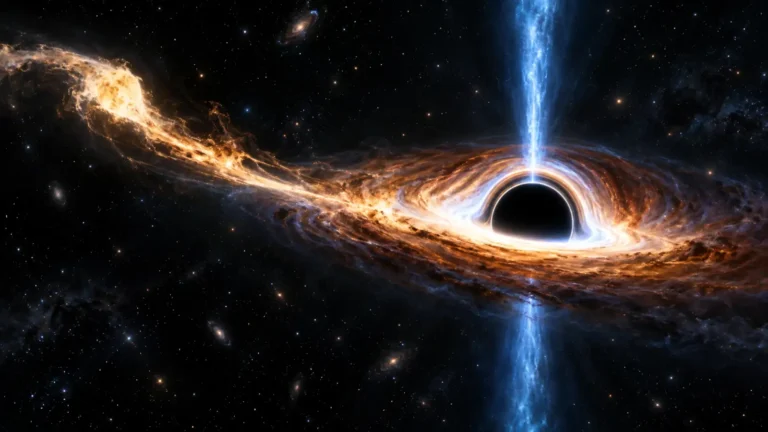
A new Nature Astronomy study finds that black holes of very different sizes may launch jets at the same low accretion threshold. Tidal disruption events let astronomers watch the transition in real time.
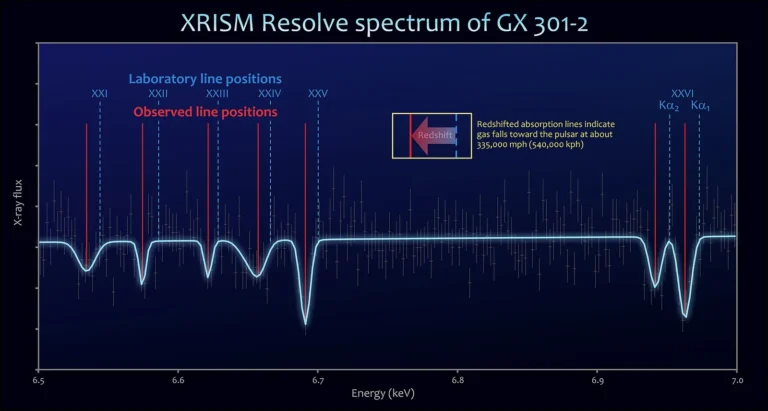
A neutron-star pulsar is pulling gas from a blue hypergiant 13,000 light-years away. XRISM’s X-ray spectra show how astronomers can follow that material as it falls.
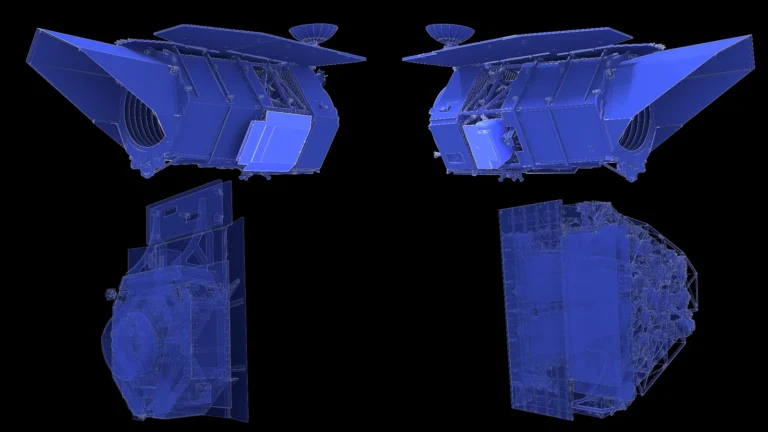
Something remarkable happened on the way to the next great map of the universe. NASA’s Nancy Grace Roman Space Telescope has activated its main science instrument, a 300-megapixel infrared camera…

After nearly eight years and 9.9 billion kilometres, ESA and JAXA’s BepiColombo has released the module that powered its journey to Mercury. The spacecraft has reached the arrival phase—but orbit insertion is still months away.
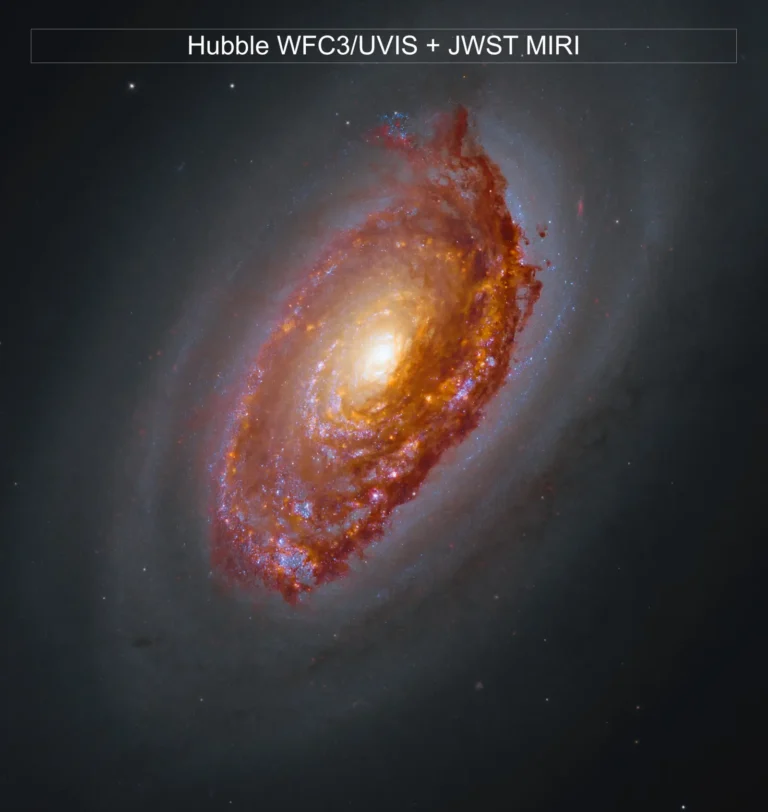
At first glance, Messier 64 looks as though someone has drawn a dark eye across the centre of a spiral galaxy. That band of dust is why M64 is better…
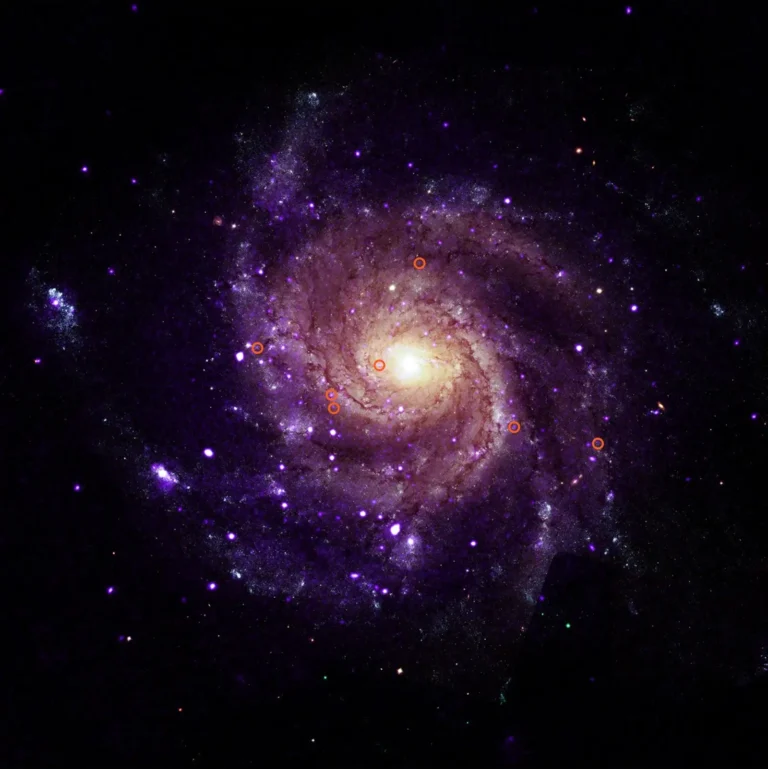
Astronomers have found 84 objects in nearby galaxies that do not behave like the familiar X-ray sources catalogued over the past six decades. They are bright at the lowest X-ray…
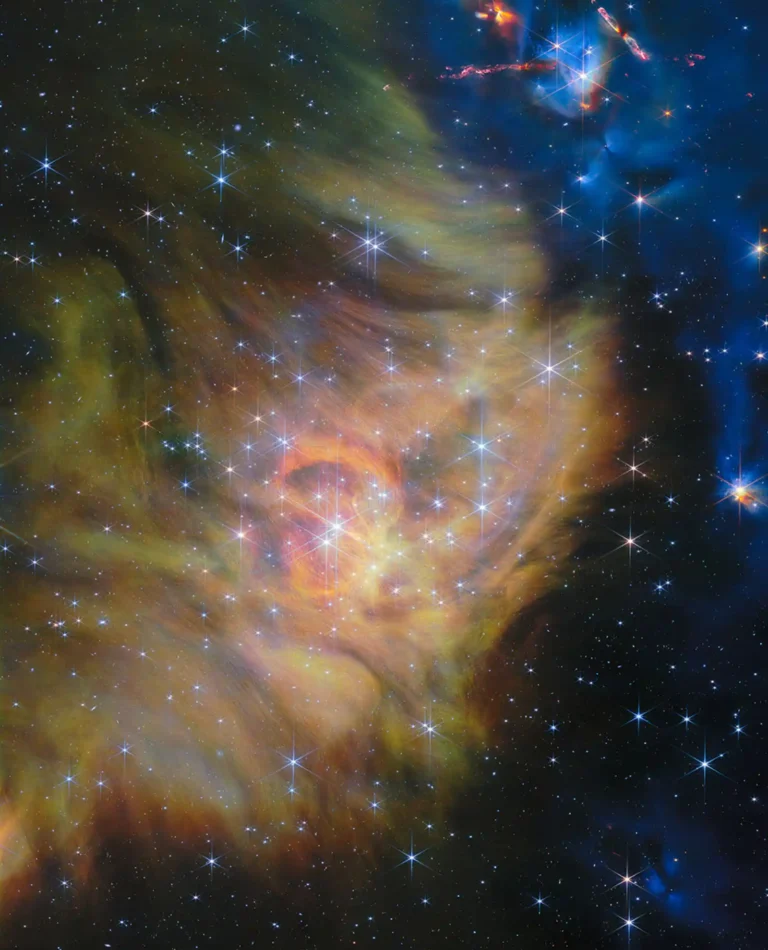
Webb found brown dwarfs as light as twice Jupiter’s mass in IC 348. One may have a disk, while an unexplained molecule hints at unfamiliar atmospheres.

An amateur spotted a circular depression in Quebec on satellite maps. Fieldwork found shatter cones and impact-melt rock inside the 25-kilometre Uhackatik structure.