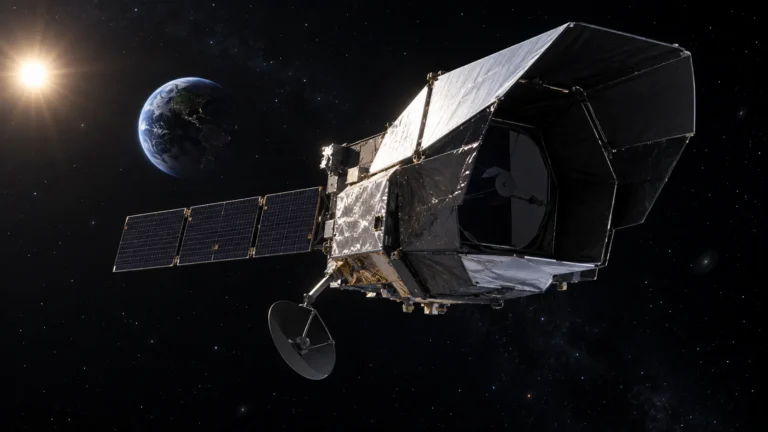
Roman Is on Its Way to L2. Why Are Its First Days in Space So Carefully Choreographed?
Roman’s antenna, sunshade and visor are deployed. Here is why the telescope’s three-month commissioning journey matters before its first images arrive.
Independent reporting on space, archaeology and ancient worlds

For the passionately Curious
Browse Curiosmos
This category presents the reader with astronomical events that can be seen each week, and month.
Roman’s antenna, sunshade and visor are deployed. Here is why the telescope’s three-month commissioning journey matters before its first images arrive.
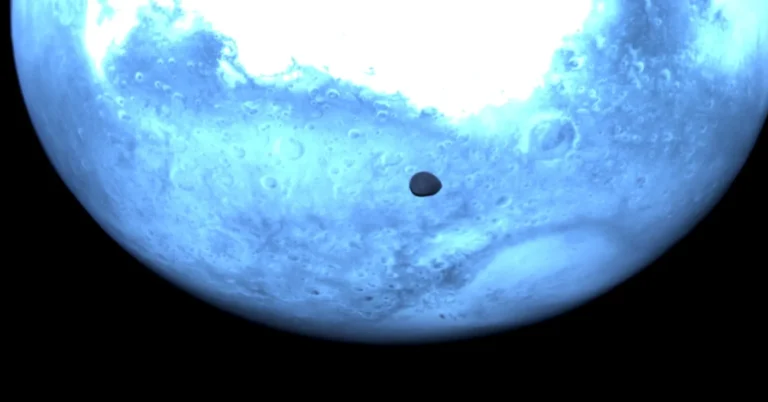
University of Bern simulations and ESA Hera observations point to one non-destructive asteroid impact as the source of Deimos’ southern depression and dusty surface.
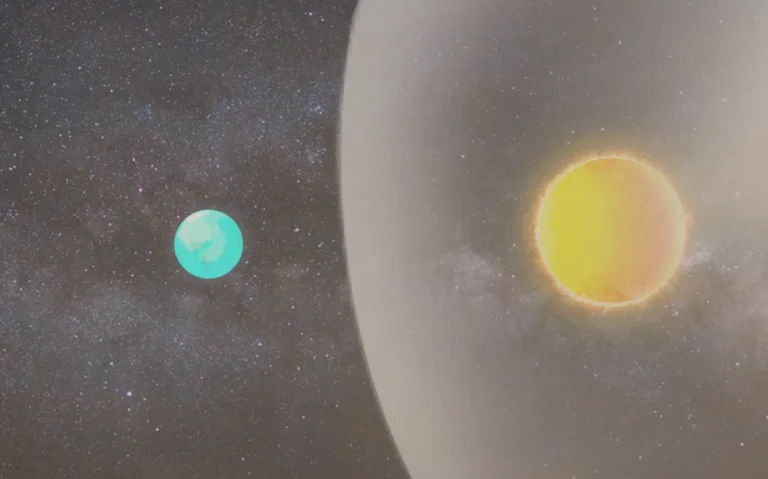
Two NASA-funded studies trace how the Sun’s changing galactic surroundings may have altered Earth’s climate and helped warm the young planet.
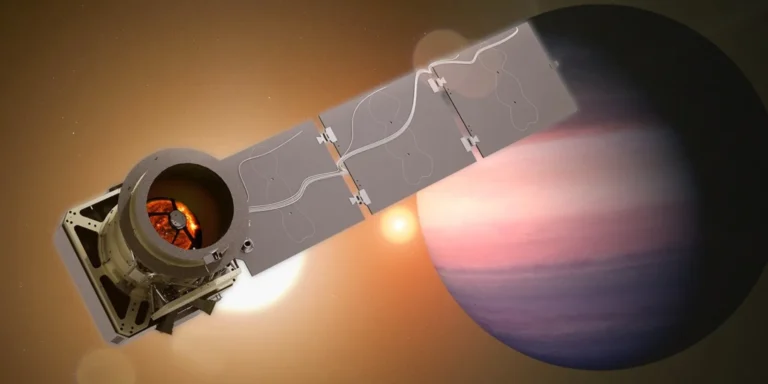
NASA’s Pandora satellite has started science observations of at least 20 exoplanets, measuring their host stars so Webb’s atmospheric results can be read more reliably.
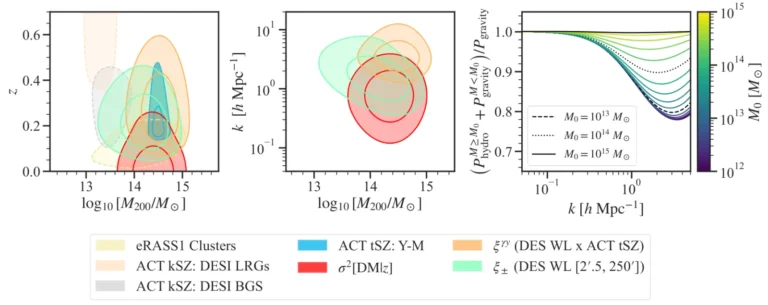
A new Nature Astronomy study uses 114 fast radio bursts to trace cosmic gas and test how stellar and black-hole feedback reshapes matter around galaxies.
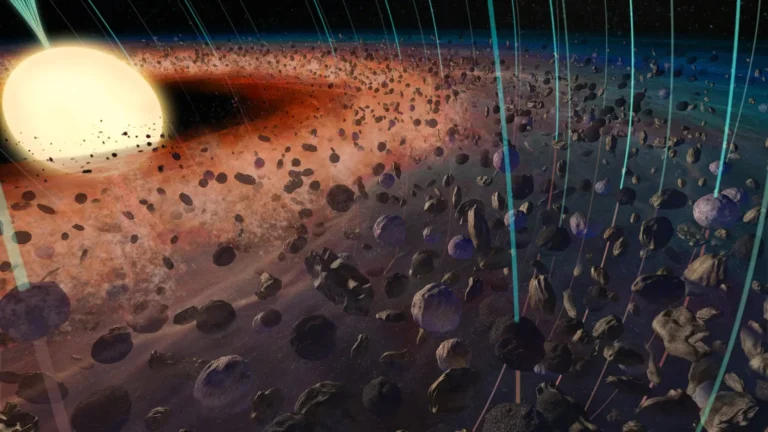
Tiny minerals inside one of the most pristine meteorites ever found still carry a record of magnetism from the solar system’s first 200,000 years.
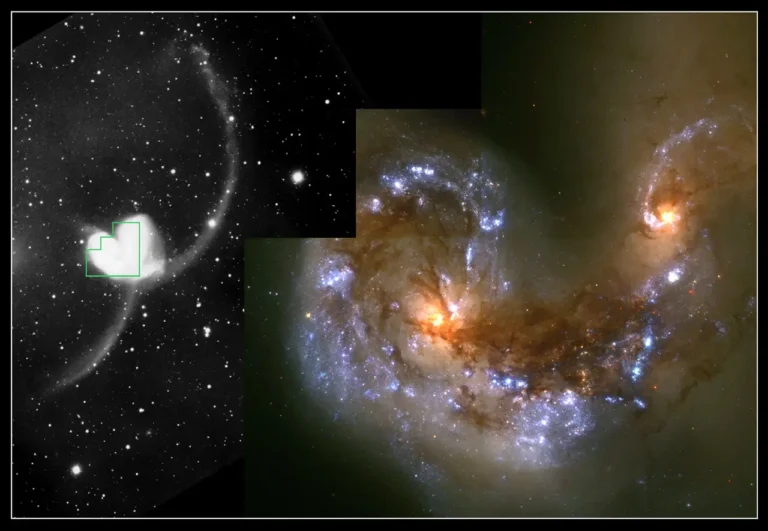
The universe is expanding, yet galaxies still merge. The answer lies in gravity, local motion, and the difference between cosmic expansion and a galaxy’s neighbourhood.
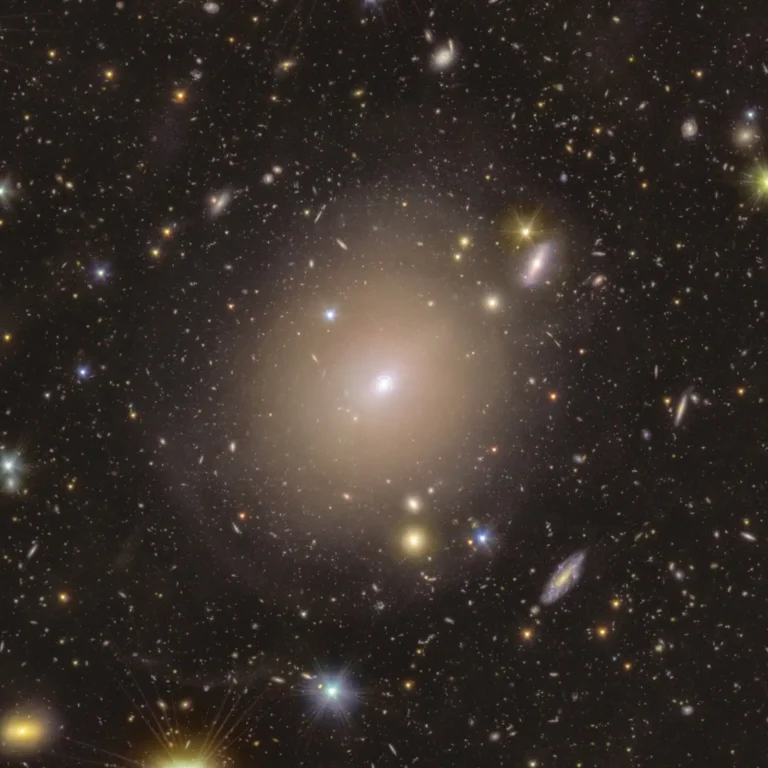
Gravity can bend and magnify light from a distant galaxy. Here is how gravitational lensing works, what Einstein rings are, and what astronomers learn from them.
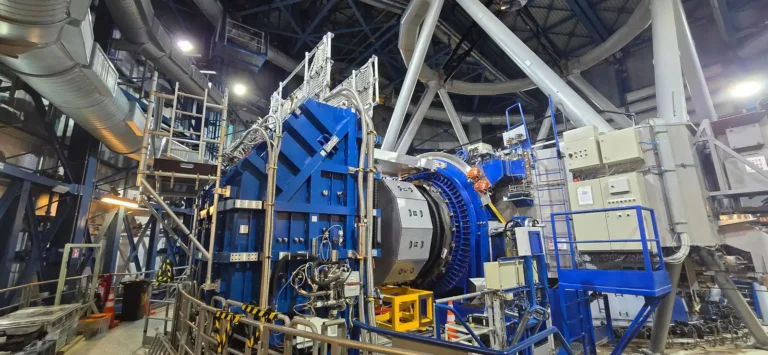
MOONS has made its first observations at the Very Large Telescope. Its thousand optical fibres could help reveal the history hidden in stars and galaxies.
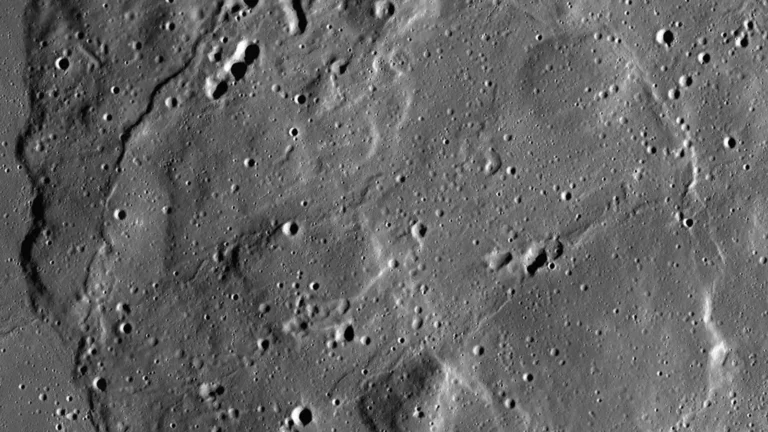
A new lunar model can help map craters and promising conditions for polar ice. Its technical documentation reveals what those predictions mean—and how scientists can test them.
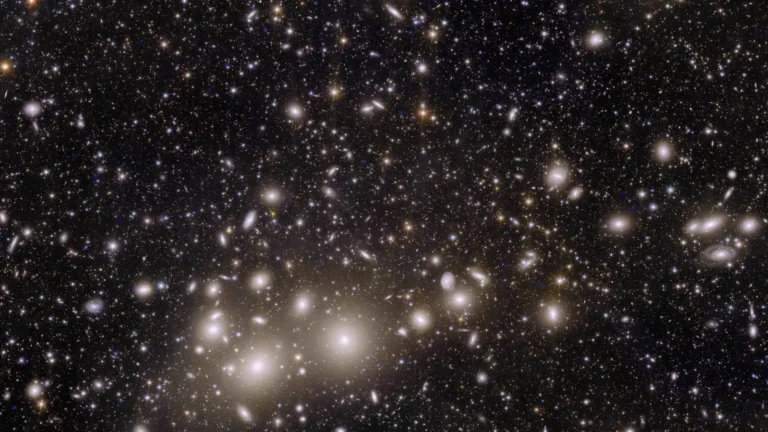
Artifact InSPECtor invites volunteers to examine Euclid observations and improve the tools that will help astronomers read distant galaxies. Here is what the unusual streaks and blobs mean.
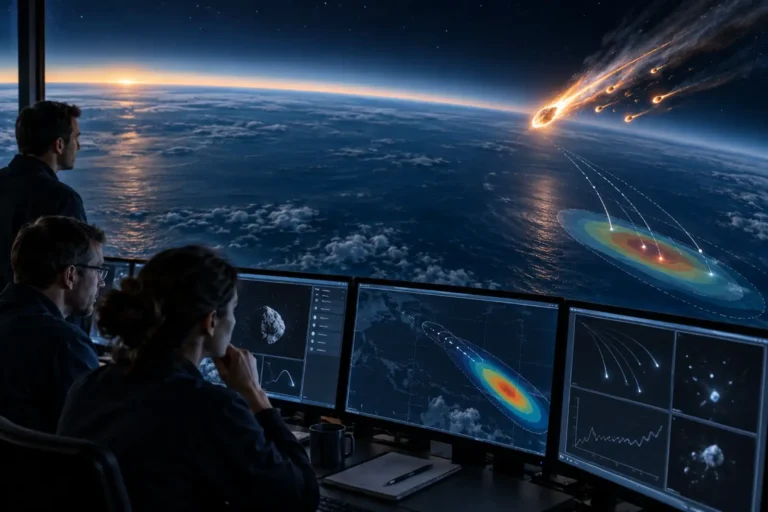
A new ESA model can estimate where fragments from a small incoming asteroid may land before the object reaches the atmosphere. The system was built for the short-warning events that astronomers call imminent impactors.

Could the young Sun have swallowed a super-Earth? A new solar model finds a possible interior fingerprint, but the event has not been observed.
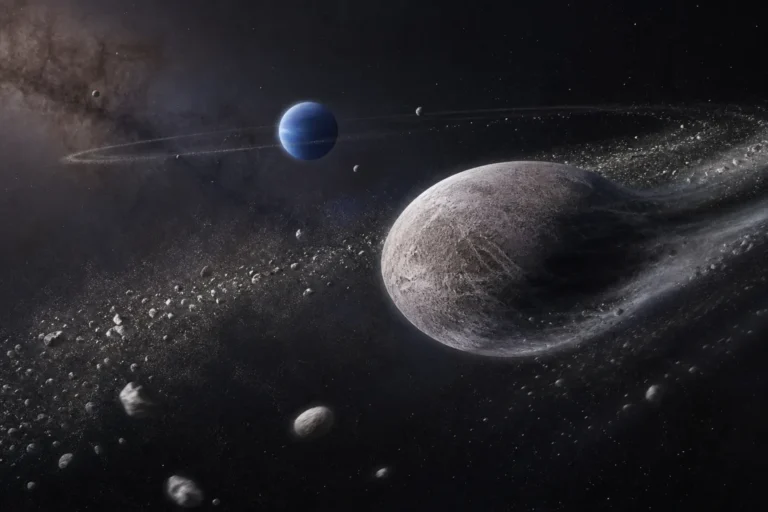
The small moons inside Neptune’s rings may be the surviving debris of a much larger moon system destroyed when Triton was captured billions of years ago.
Dark photons are one proposed explanation for dark matter. A new calculation suggests that the early universe’s plasma may have stopped them from depositing heat as efficiently as earlier models predicted.
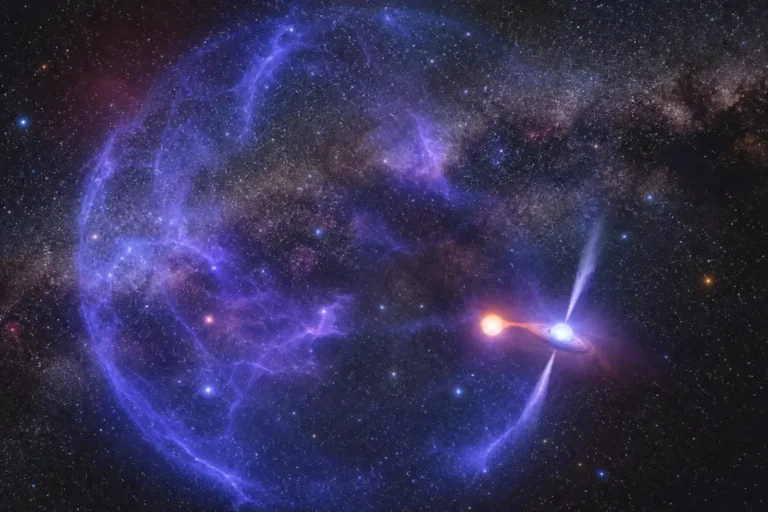
The enormous Cygnus Bubble is usually linked to a busy star-forming region. A new study argues that the microquasar Cygnus X-3 may be the more natural source of its highest-energy gamma rays.
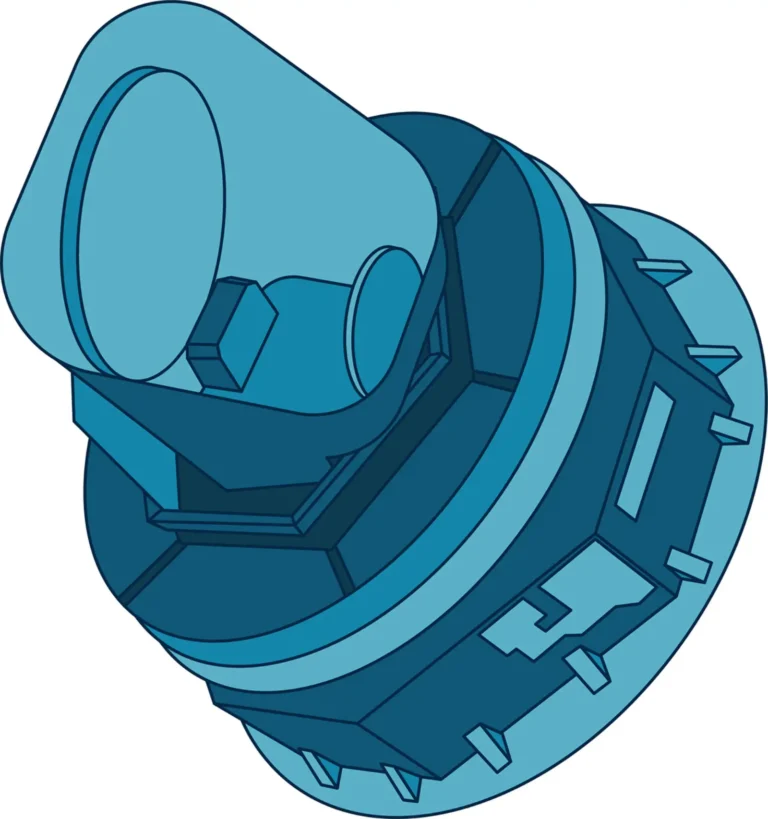
The cosmic microwave background is the oldest light we can observe. Here is where it came from, what its tiny patterns reveal, and why it still matters.
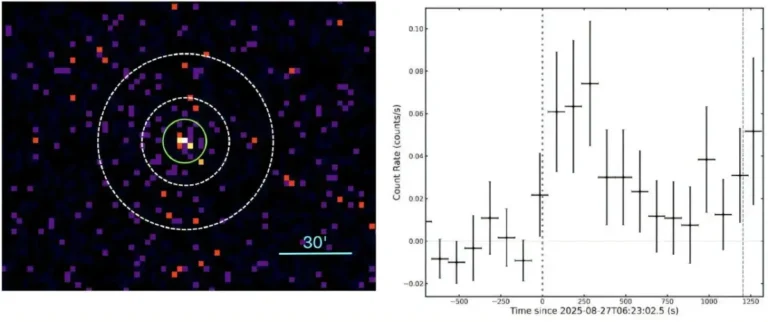
A sub-threshold Einstein Probe X-ray flash was found after ZTF spotted supernova SN 2025wkm. Researchers link the signal to shock breakout and a possible magnetar-powered engine.

A massive star pair still wrapped in its birth material follows a sharply stretched orbit, while the disks around its two stars point in different directions. Together, those clues suggest the pair may have come together after forming separately.
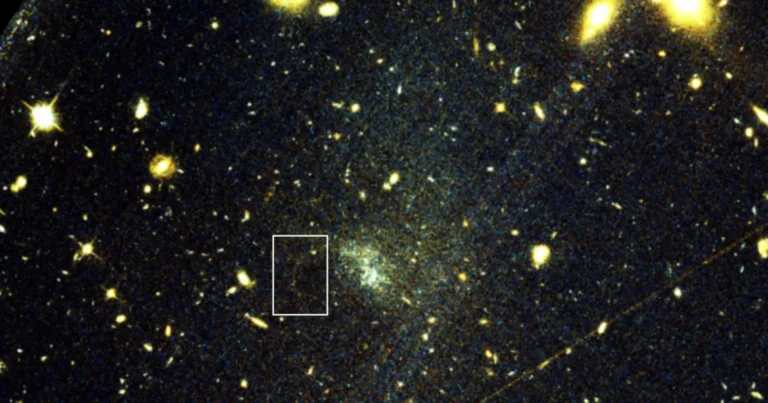
An ancient star cluster is slowly coming apart in a galaxy 115 million light-years away. The thin trail it left behind is giving astronomers a new way to study dark matter beyond the Milky Way.
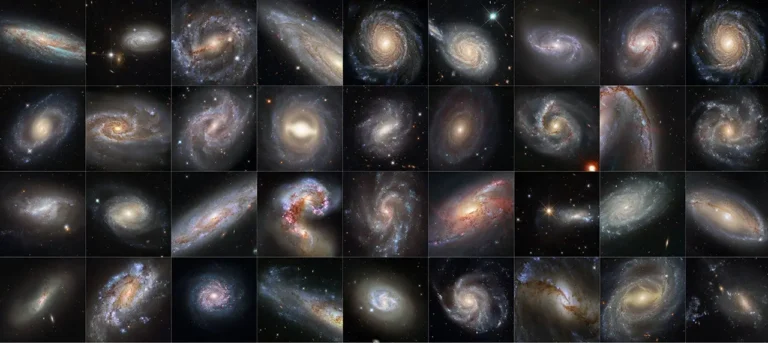
The Hubble constant measures how quickly the universe expands. Here is how astronomers calculate it—and why two powerful methods still disagree.
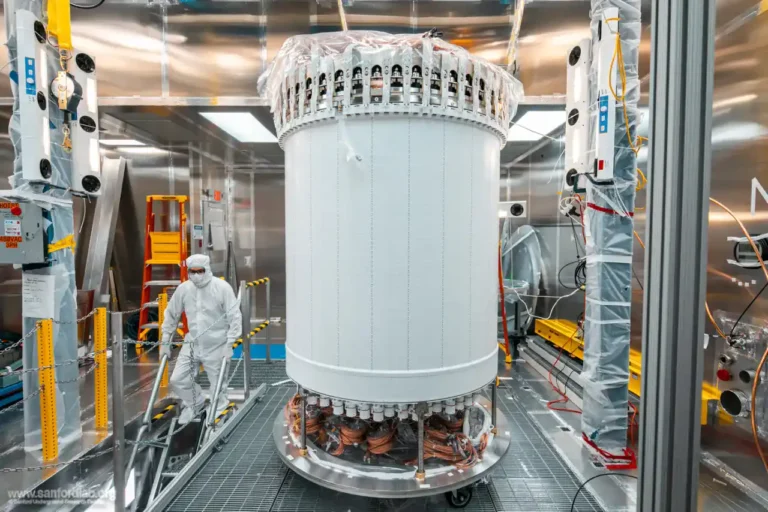
An underground LUX–ZEPLIN detector found a 2.6-sigma event that could be dark matter—or an unknown background. Here is why researchers remain cautious.
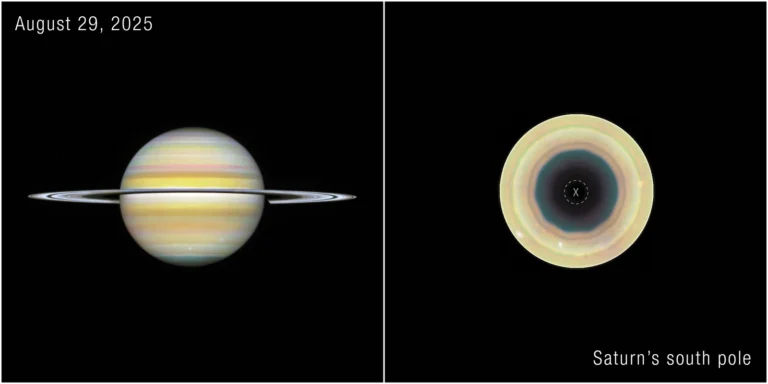
Hubble has found a growing ten-sided atmospheric wave around Saturn’s south pole—the first large regular-sided jet seen there. Saturn has long been known for a strange shape in its clouds.…
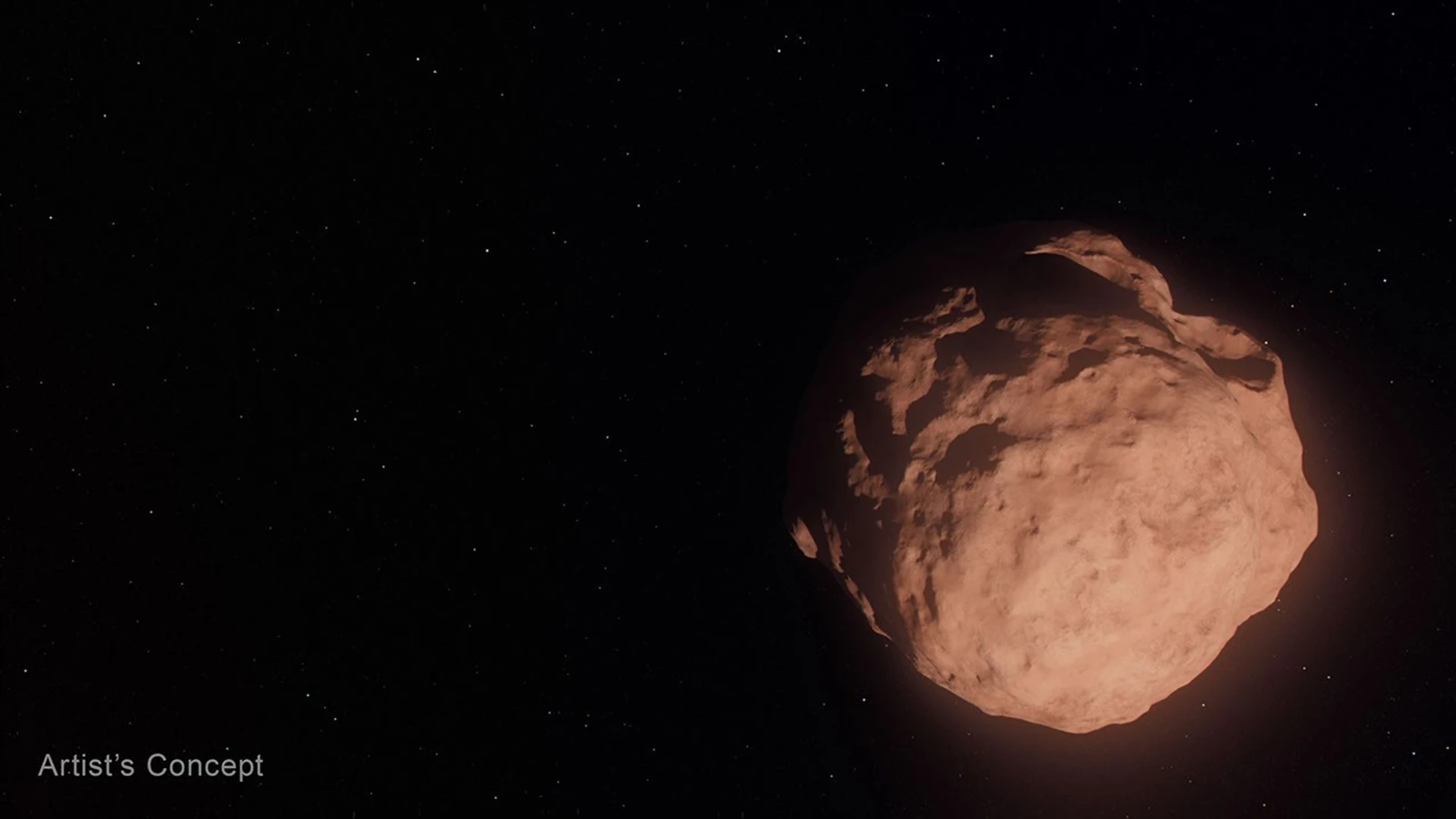
Twenty-seven faint objects beyond Neptune are giving astronomers a rare look at the planet-building material that survived when the outer solar system stopped growing. The outer solar system is not…