Earth’s climate is shaped by processes on the planet, but the heliosphere around the Sun may have mattered too. Two NASA-funded studies examine how the Sun’s movement through the Milky Way changed this protective bubble and how the young Sun’s energetic outbursts could have helped keep early Earth warm.
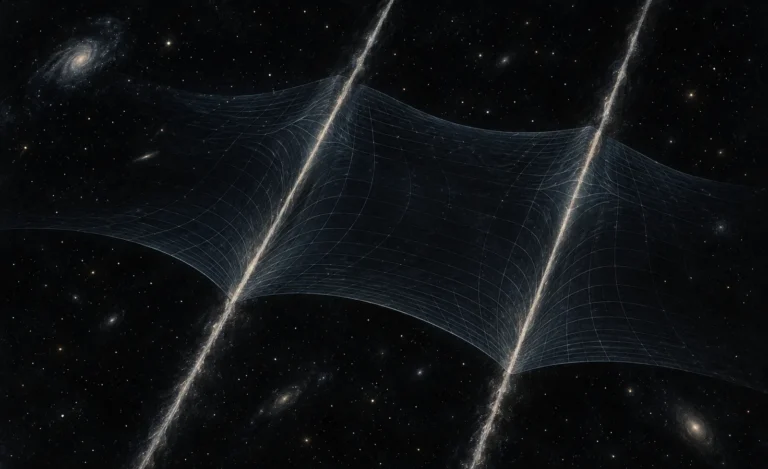
The bubble is called the heliosphere. It is formed by the solar wind, a constant flow of charged particles from the Sun. The heliosphere moves through the galaxy with the solar system, passing through regions where interstellar gas and dust are thinner or denser. A dense, cold cloud can push against the bubble and compress it.
Researchers at NASA’s SHIELD centre used computer models to trace the heliosphere’s path over the past several million years. Their simulations indicate that the solar system may have crossed cold interstellar clouds at least three times, around 2–3 million, 6–7 million, and 13–14 million years ago. In the model, the pressure was enough to shrink the heliosphere inside Earth’s orbit, leaving our planet more exposed to interstellar material and cosmic radiation.
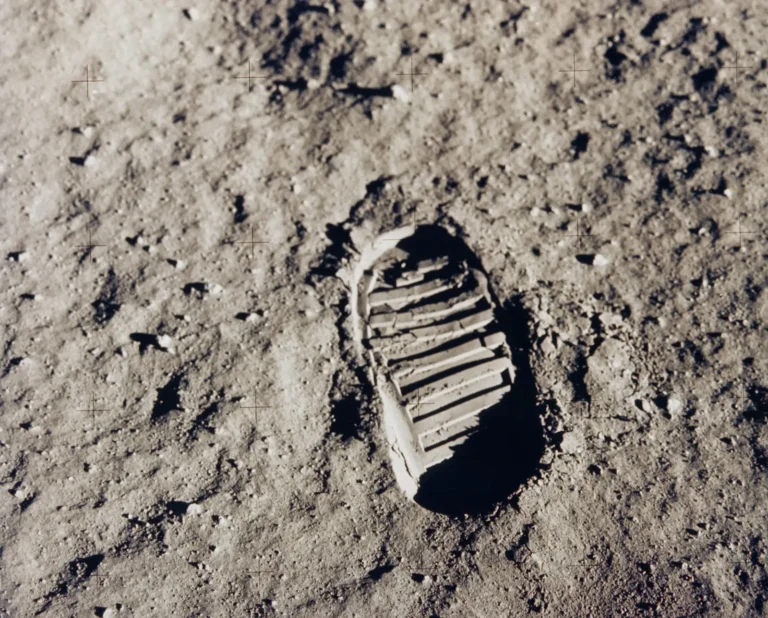
The model has a testable connection to geology. Elements associated with interstellar dust appear in deep-sea sediments, Antarctic samples, and lunar material on similar timescales. That overlap does not prove that a compressed heliosphere caused a particular ice age. It gives researchers a set of dates at which the Sun’s galactic environment may have changed and can be compared with the climate record.
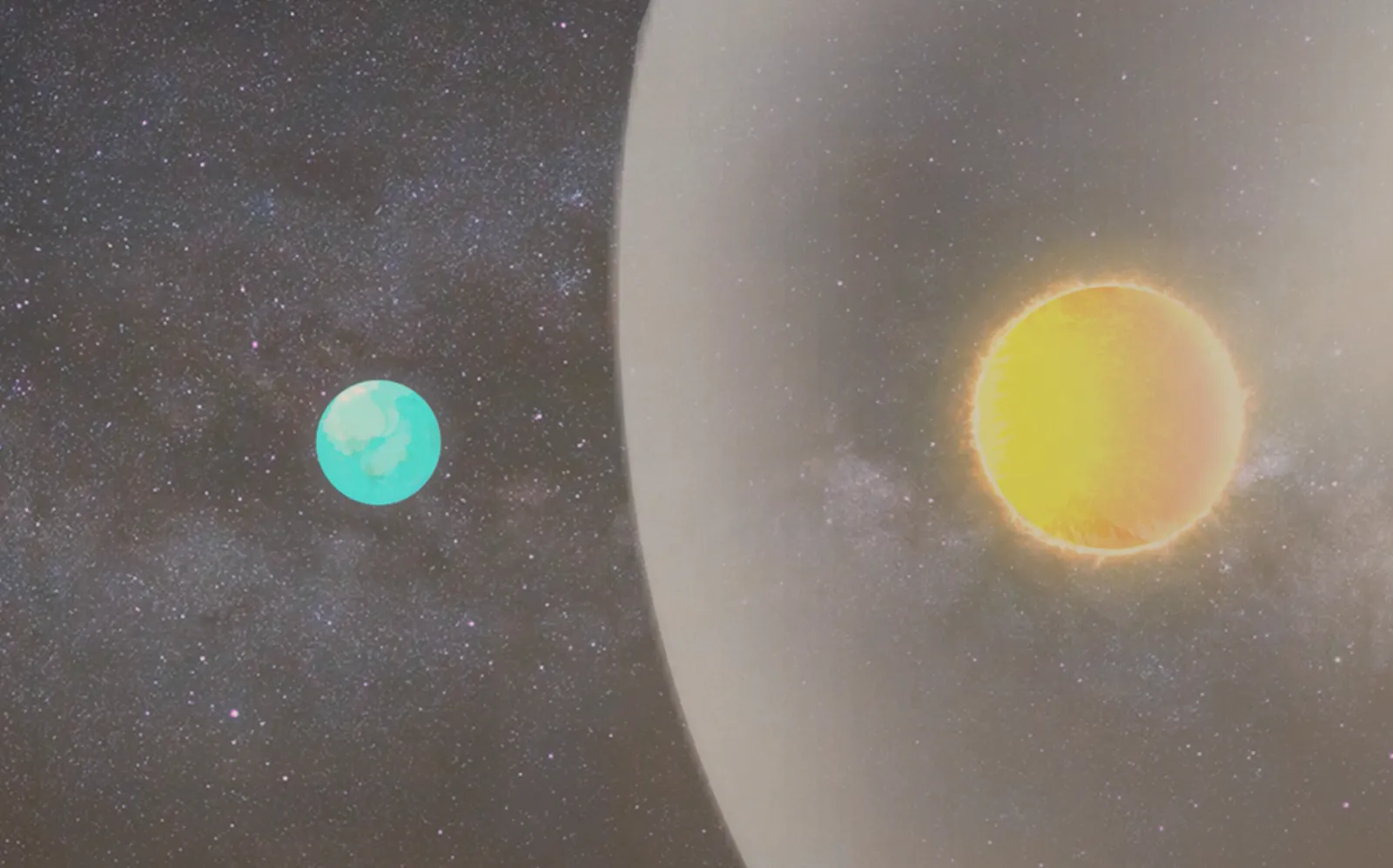
The second study addresses an older puzzle. Around three billion years ago, the young Sun was roughly 70 percent as bright as it is today. Under that weaker light, Earth should have been frozen, yet geological evidence shows that liquid water existed. This is known as the faint young Sun paradox.
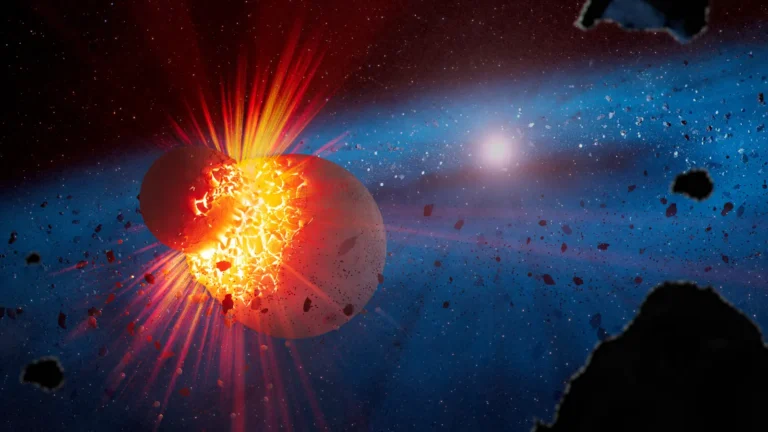
NASA scientist Vladimir Airapetian and colleagues used laboratory experiments and atmospheric models to examine whether powerful eruptions from the young Sun could have supplied some missing warmth. They fired protons into a mixture of gases representing the early atmosphere. The reactions produced nitrous oxide, a greenhouse gas far more potent than carbon dioxide. Their calculations suggest that even a fraction of that gas surviving in the atmosphere could have kept equatorial regions above freezing.
Curiosmos has covered Earth’s magnetic shield and how solar eruptions travel through space. The new work extends that story backwards. The Sun is not a fixed lamp in an unchanging setting; its activity and its galactic neighbourhood have both changed over time.
These are models supported by comparisons with physical evidence, not a new single cause for every climate shift. More measurements of sediments, lunar samples, and stellar activity will show how often the proposed conditions occurred. Together, the studies give scientists a way to test whether the Sun’s long journey through the galaxy left a mark on Earth’s climate and early habitability.
The heliosphere does not act like a rigid wall. Its shape changes with the solar wind, the Sun’s magnetic field, and the pressure of material between the stars. A dense cloud could therefore alter the flow of charged particles around Earth without simply switching the cosmic shield off. That detail is why the simulations track the thickness and density of the interstellar clouds, rather than using a single on-or-off exposure.
The young-Sun result has a similar balance between evidence and inference. The laboratory experiment shows that energetic particles can drive reactions that make nitrous oxide under a chosen mixture of gases. Geological samples still have to show that the gas was present in sufficient amounts on early Earth. The proposal is valuable because it connects a measurable stellar behaviour—frequent superflares on young Sun-like stars—to a chemical pathway that can be tested in atmospheric models.
Sources
- NASA Science: Starstruck—how the Sun’s ancient history shaped Earth
- Curiosmos: Why does Earth have a magnetic field?