What are the Abrahamic religions? The term usually refers to Judaism, Christianity and Islam, traditions that connect themselves in different ways to Abraham and the stories associated with him. It is a useful shorthand for discussing shared ancestry, but it does not mean the three faiths have one theology or one uninterrupted history.
Abraham appears as a central ancestor in the Hebrew Bible and is known as Ibrahim in the Quran. The surviving religious texts were written and compiled in different periods, and historians do not have a contemporary biography of Abraham that can be tested like an inscription or a royal record. The figure belongs to the traditions’ sacred histories; the dates and details of his life remain matters of faith and interpretation.
Judaism and the covenant tradition
Judaism places the covenant between God and the people of Israel at the centre of its religious history. The Hebrew Bible, later rabbinic interpretation and Jewish law preserve a long conversation about worship, ethics, community and memory. Abraham is important within that story, but Judaism is not simply a religion about one ancestor. Its identity also took shape through the experiences of the patriarchs, the Exodus, the kingdoms of Israel and Judah, the destruction of the Temple, and centuries of interpretation.
Keep exploring
Continue with Curiosmos
Christianity and the figure of Abraham
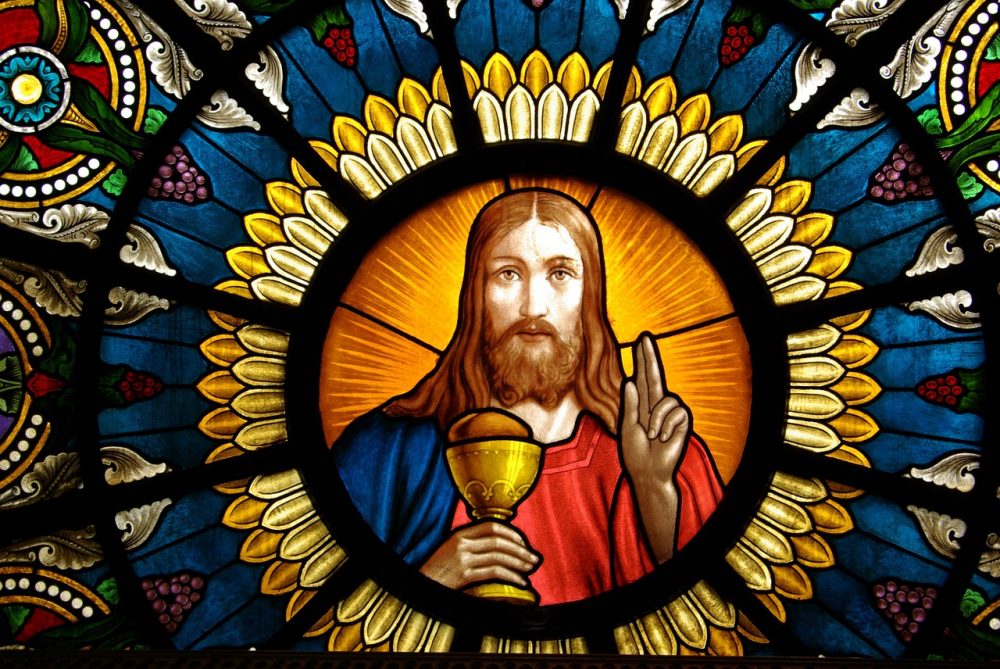
Christianity shares the Hebrew scriptures and reads Abraham through the life, death and resurrection of Jesus. The New Testament presents Abraham as a figure of faith while also arguing about how the promises in earlier scripture should be understood. Christian traditions differ among themselves, but they generally treat Jesus as the Messiah and as central to the relationship between humanity and God.
Islam and Ibrahim
In Islam, Ibrahim is a prophet associated with devotion to one God, the Kaaba and the family histories of several prophets. The Quran’s presentation is not a simple copy of the Hebrew Bible or the New Testament; it offers its own account and theological emphasis. Muslims also understand Muhammad as the final prophet in a line that includes figures such as Abraham, Moses and Jesus.
What the traditions share—and where they differ
All three traditions are monotheistic in their mainstream forms and share stories, names and ethical concerns. They differ sharply over scripture, prophecy, the role of Jesus, religious law, ritual and the meaning of covenant. Even the phrase “Abrahamic” has limits: it can make diverse communities look more uniform than they are, and it can obscure the traditions’ own histories in the Near East, North Africa, Europe and Asia.
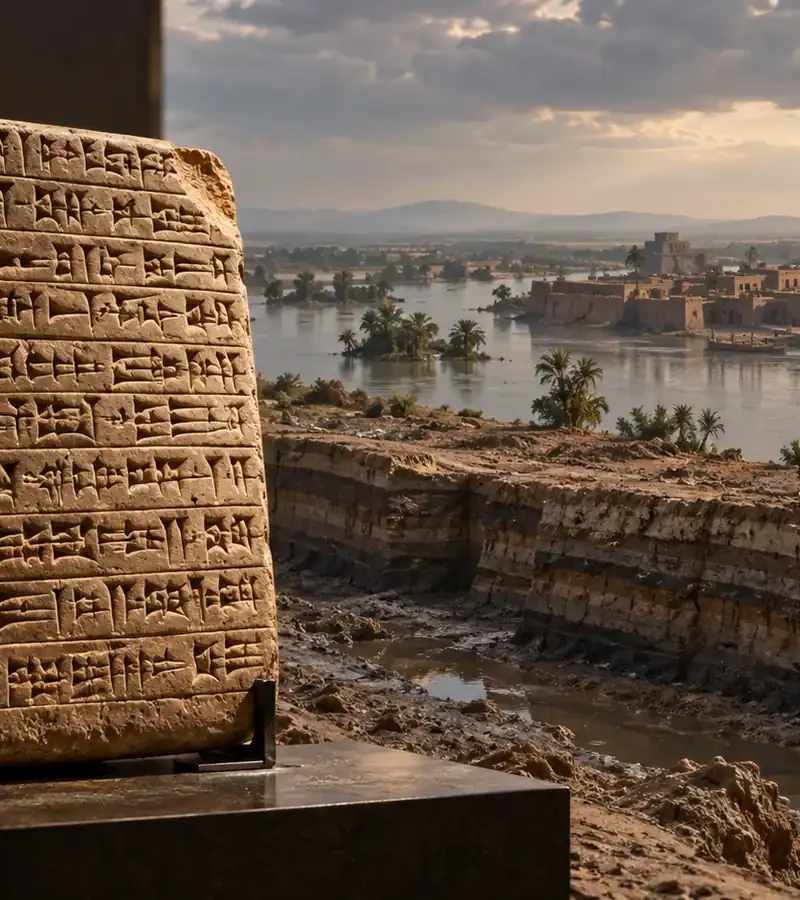
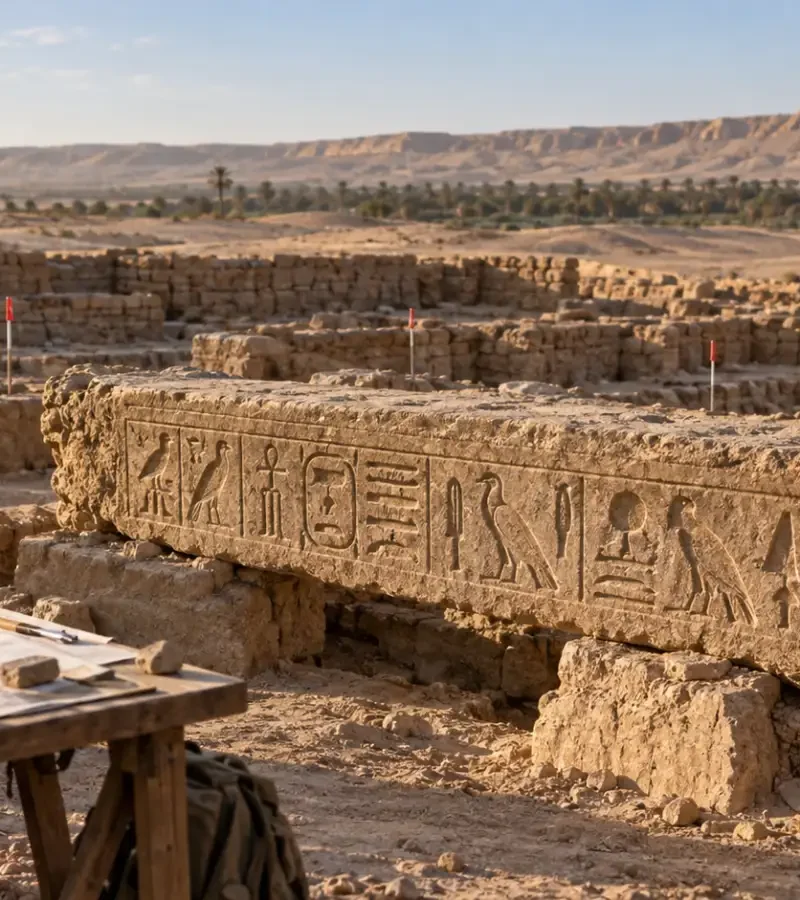
The best way to use the category is as a starting point, not a conclusion. It points to a family resemblance while leaving room for disagreement, change and the lived history of Jewish, Christian and Muslim communities. Those histories developed alongside the cities, states and languages of the ancient Near East, a setting explored in our work on cities built on earlier settlements.
Why the category is modern
“Abrahamic religions” is a modern comparative term rather than a name used by Abraham or by the earliest communities associated with these traditions. It became common in scholarship and public discussion because it offered a way to talk about historical relationships across Judaism, Christianity and Islam. Like every category, it highlights some connections and hides others, including the diversity within each tradition and the influence of surrounding cultures.
Shared stories do not erase separate histories
The three traditions have interacted for centuries through translation, debate, trade, conflict and shared life in the same cities. Their communities have also disagreed about scripture and authority, sometimes profoundly. A useful history therefore names the shared figures while allowing each tradition to speak in its own terms. That approach avoids treating one faith as an early version of another.
\n
A living category, not a label for everyone
Millions of people practise these traditions in ways shaped by language, region, family and history. The category is most useful when it opens a comparison rather than ending one. It can help explain why certain stories travelled across the Near East, while still recognising that a Jewish, Christian or Muslim community is more than a branch on a chart.
\n
Further reading: Encyclopaedia Britannica, Abrahamic religions; Encyclopaedia Britannica, Abraham.