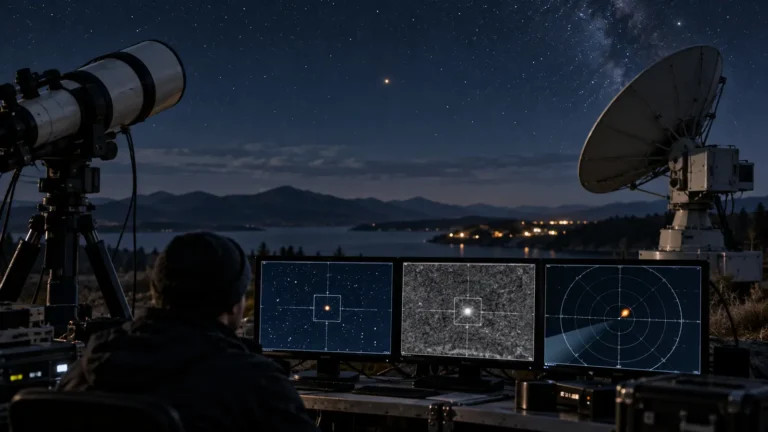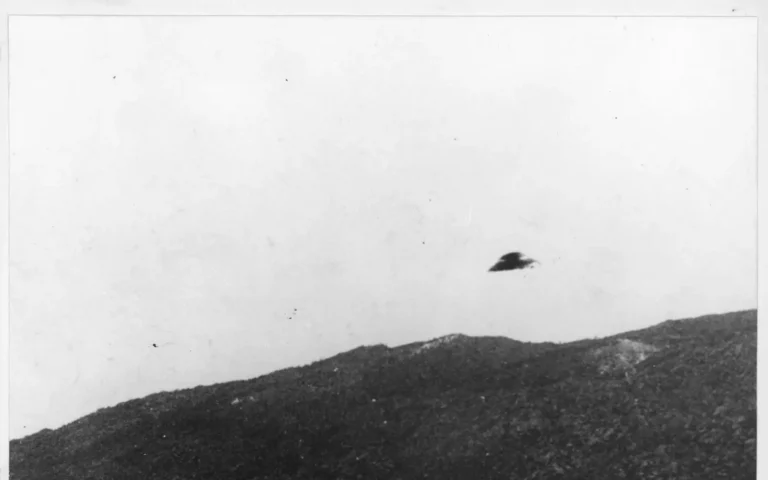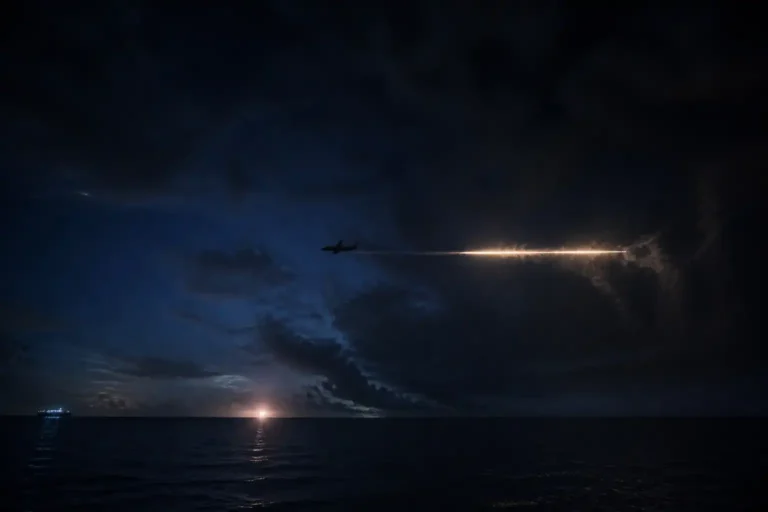
AARO’s May 2026 UAP release from the United States government is easy to summarize badly. A headline can call it proof of extraordinary craft, or it can call it nothing at all. The official record sits between those two reactions.
On May 8, 2026, the All-domain Anomaly Resolution Office added a new group of imagery and report records to its public catalogue. The release includes a Department of the Army case and an Indo-Pacific Command case, both linked to infrared video recorded by U.S. military platforms. The catalogue is valuable because it lets readers see what the government has actually placed on the record, rather than relying on a second-hand description of a mysterious clip.
It is not a declaration that the objects were extraterrestrial, secret aircraft or anything else. AARO’s public system is a record of cases and evidence. The classification of an event depends on the data available for that particular case.
What was added in May
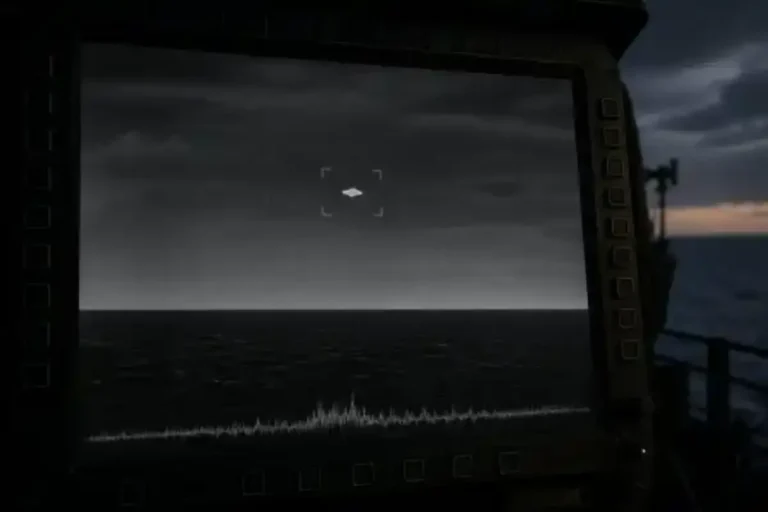
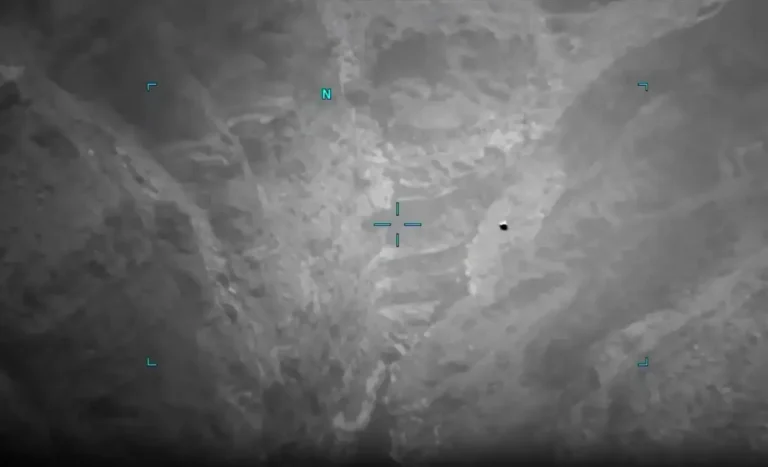
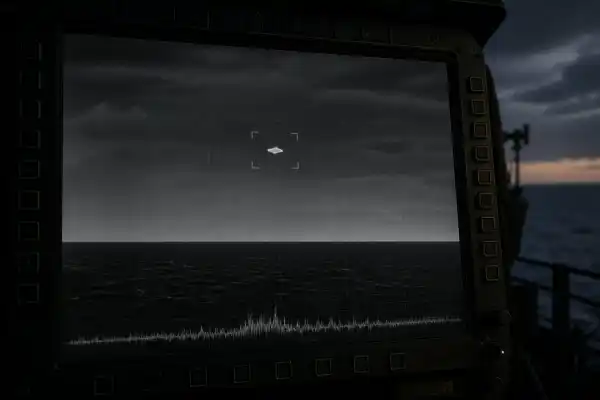
The imagery table lists two prominent releases dated May 8. One Department of the Army record contains about one minute and 49 seconds of infrared video from a U.S. military platform in 2026. An Indo-Pacific Command record contains about one minute and 39 seconds of infrared video from a platform in 2024.
The catalogue also links the records to report documents and case identifiers. That administrative detail matters. It gives researchers a way to distinguish the source organisation, recording date and file associated with a clip. Without those identifiers, a video can be copied across social media until its origin and context disappear.
The public listing does not automatically supply every piece of raw data collected during an investigation. A released clip may be compressed, shortened or limited by classification and privacy rules. The absence of a public sensor package does not mean no analysis occurred. It means outside readers may not be able to reproduce every conclusion.
Infrared is not a night-vision photograph
Infrared footage can look authoritative because it is associated with military sensors. It still has to be interpreted through the instrument that created it.
The brightness of an object in an infrared image depends on the sensor’s mode, range, angle, atmospheric conditions and processing. A bright point is not automatically a hot engine. A dark or “cold” appearance is not a temperature reading that can be understood without calibration. Apparent speed can also be distorted by the motion of the aircraft, the movement of the sensor’s field of view or a change in zoom.
That is why the catalogue entry is a starting point rather than a final answer. To determine what an object did, analysts need the sensor’s position, orientation, timing, range estimates and tracking data. Weather, nearby aircraft, balloons, drones and astronomical objects must be checked against the same time and location.
“Unresolved” has a specific meaning
The public conversation often treats “unresolved” as a synonym for “unexplainable.” AARO’s records do not justify that shortcut.
An unresolved case is one for which the available evidence has not supported a satisfactory identification or conclusion. The reason may be an unusual object, poor data, a missing sensor stream, contradictory testimony or a combination of those problems. The word does not identify the object’s origin.
That distinction is important for the May release. A military crew may make a careful observation and still lack the range or angle data needed to identify what crossed the sensor. The report remains worth reading. The uncertainty is part of the evidence, not a reason to inflate it.
Why the release is useful to researchers
The most important change is not a dramatic frame. It is the creation of a public trail.
Researchers can compare AARO’s case numbers with earlier releases, track the organisations submitting records and study the descriptions attached to the imagery. Over time, a catalogue can show where reports cluster, which sensors produce the most unresolved cases and what kinds of evidence are most often missing.
That work is less exciting than slowing down a video and drawing an arrow around a bright object. It is more likely to produce a reliable result. If a recurring visual pattern turns out to be a sensor artefact, the pattern can be documented. If a case survives checks against aircraft, weather and instrument behaviour, it becomes a stronger candidate for follow-up.
What the public still cannot see
The May entries do not give outsiders a complete, synchronised view of every measurement made during the encounters. Public imagery may not include raw metadata, uncompressed files, radar tracks, radio recordings or the full investigative file. Some omissions may reflect classification or the protection of people and capabilities.
That limit should be stated plainly in any article about the release. The videos are official records, but “official” describes provenance, not an extraordinary conclusion. The strongest story is the one that lets readers examine both the footage and the gap around it.
The next question is better data
The May release points toward a practical standard for future cases. A useful package would include calibrated video, accurate time and location, aircraft and sensor information, range or elevation data, weather records and independent observations from another instrument.
If an object is genuinely difficult to explain, that package gives researchers a chance to test the difficulty. If the event has an ordinary explanation, the same package can reveal it without asking the public to choose between belief and ridicule.
AARO’s new entries therefore matter even when they do not settle the mystery. They show how an official archive is being assembled, which cases the government has chosen to release and what evidence remains unavailable. That is a more durable story than a claim that every unresolved image points to the same answer.