The most interesting part of a strange sighting is often missing
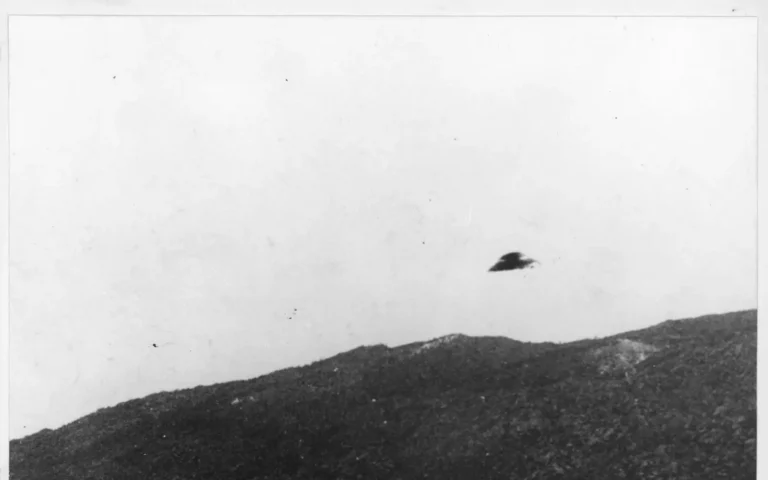
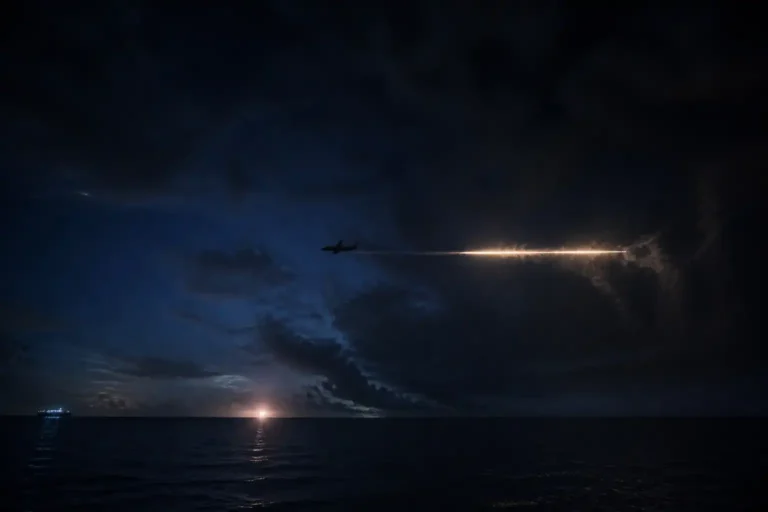
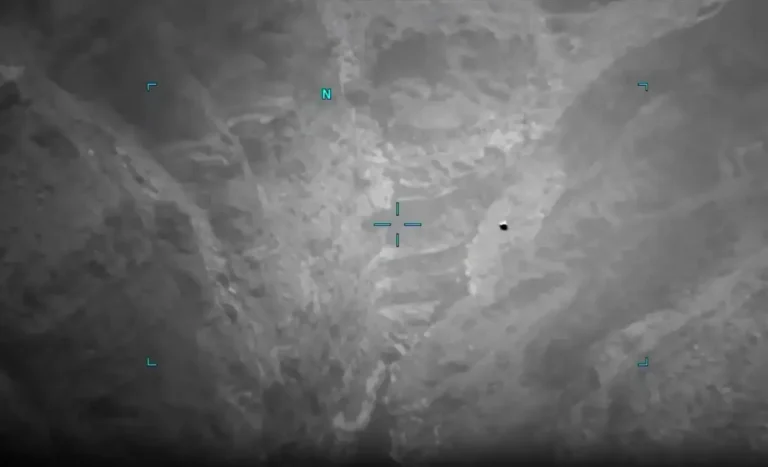
A bright object crosses a pilot’s view. A camera records a few seconds of motion. Someone on the ground sees the same event from another angle. The story may sound extraordinary, but the scientific value depends on details that are easy to lose: distance, timing, camera settings, weather and the position of the observer.
That is the central problem with many unidentified anomalous phenomena, or UAP, reports. “Unidentified” describes the current state of the observation. It does not identify the object’s origin. To move from an intriguing account to a useful case, researchers need data that can be calibrated, compared and independently checked.
Distance changes everything
Human vision is good at noticing movement and poor at judging distance in an open sky. A small object nearby can appear to move faster and look larger than a distant aircraft. Without a reliable range estimate, speed and size calculations can be wildly wrong. Our earlier explainer on why a UAP’s distance matters shows how parallax can distort apparent motion.
NASA’s UAP Independent Study Team emphasised this point in its final report. A future investigation needs observations that can establish where an object was, how far away it was and how its apparent position changed over time. Two cameras viewing the same event from separated locations could provide a useful baseline. A single moving image often cannot.
A video is a measurement, not just a picture
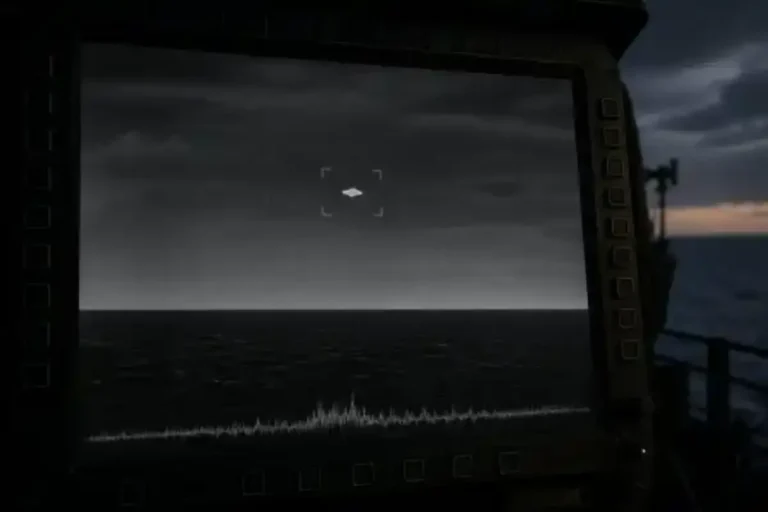
Digital cameras automatically adjust exposure, focus, stabilisation and frame rate. Those systems help a person record a bright object, but they can also alter how its motion appears. A point of light may seem to jump when a camera changes exposure. A glare can look like a solid shape. Stabilisation can make the background move in an unexpected way.
That does not make the footage worthless. It means researchers need the original file and its metadata, not only a compressed copy posted online. The sensor model, lens, frame rate, time stamp and processing history can determine whether a claimed acceleration is real or an artefact of the recording system.
The value of more than one sensor
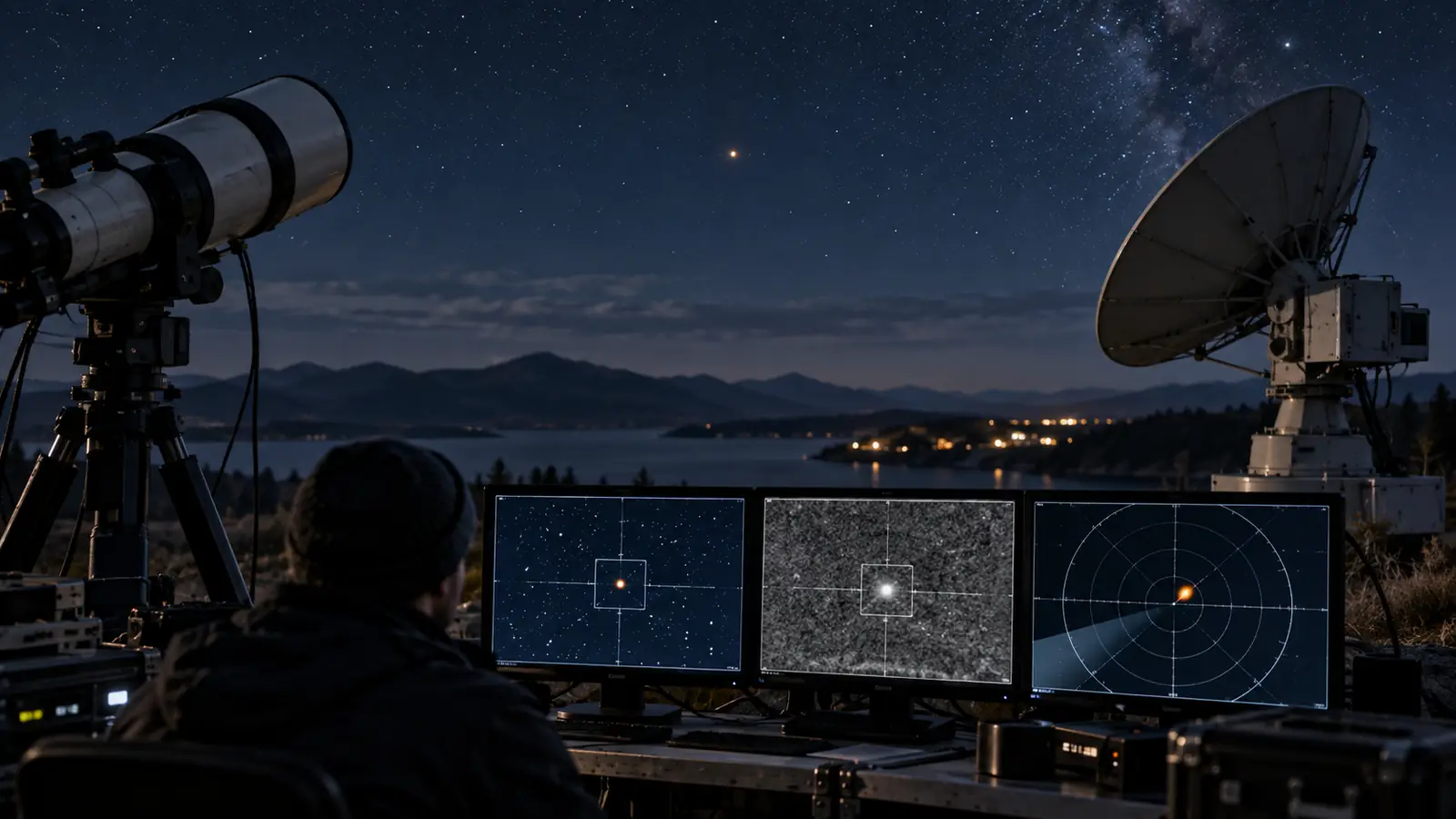
Radar, infrared cameras, optical cameras and weather instruments each measure different parts of an event. When several systems agree on position and motion, uncertainty can shrink. When they disagree, the disagreement itself becomes a clue: perhaps one sensor was tracking a reflection, a software artefact or an object outside its reliable range.
An evidence-led UAP investigation therefore looks less like a courtroom argument and more like an observatory log. The goal is not to reward the most dramatic interpretation. It is to establish which observations survive calibration and which depend on an assumption that has not been tested.
What counts as an explanation?
An ordinary explanation does not have to be obvious to the witness. Balloons, aircraft, drones, satellites, atmospheric effects and optical artefacts can look unfamiliar under unusual conditions. A case becomes scientifically interesting when those possibilities are tested against the actual measurements and still leave a genuine remainder.
The remaining uncertainty should be described precisely. “The object was unidentified” is a defensible conclusion. “The object was an advanced craft” is a much stronger claim that requires evidence of origin, structure or performance—not simply the absence of an immediate explanation.
The distinction is not a demand to close the question. It is what keeps the question open in a useful way. A well-documented unknown can be revisited when better sensors or new records become available. A dramatic story without original data usually becomes harder to evaluate with time.
Related reading: The same evidence question appears in our guide to evidence for life beyond Earth and our explainer on how astronomical observations become measurements.
Could ordinary observers help?
Yes, if reports preserve the right information. The location, exact time, direction of view, weather, nearby traffic, camera model and original files can turn a personal account into a record that other researchers can inspect. A second observer or a fixed reference point can be more valuable than a longer narrative.
The most useful UAP case would be both strange and well measured. It would contain raw data, independent observations and enough context to test distance, motion and known explanations. That kind of case might still remain unexplained. But it would leave researchers with something better than a mystery: a result that can be checked.