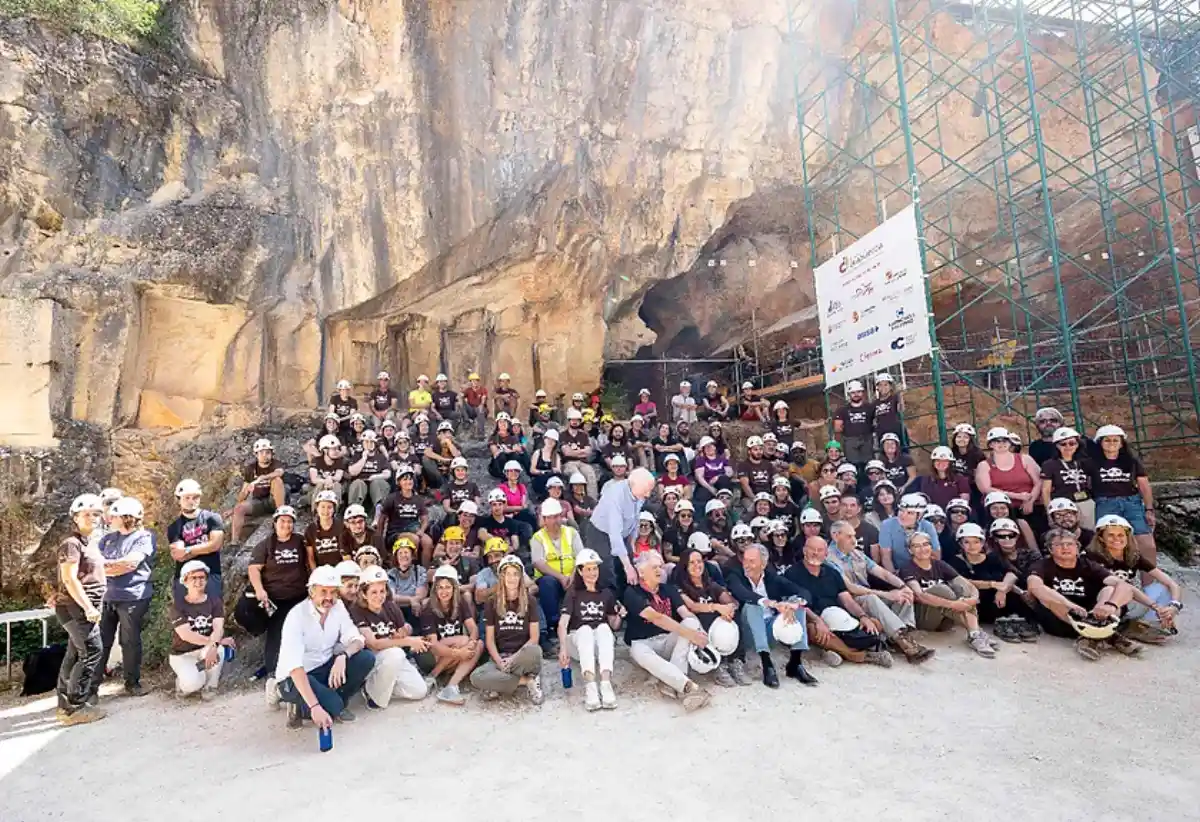
At Spain’s Atapuerca archaeological site, a handful of broken bones can change the shape of an entire chapter in human evolution. During the 2026 field season, researchers recovered at least 24 new human fossils from the TD6.2 level of Gran Dolina, a deposit dating to roughly 850,000 years ago.
The finds include pieces of skull, vertebrae, teeth and long bones. They belong to Homo antecessor, a population known from the same part of the cave system and important to the debate over the early peopling of Europe. The new material is fragmentary, as most Pleistocene remains are, but it adds more bodies and more parts of the skeleton to a record that has already transformed the site.
What was found in Gran Dolina
Excavators working in TD6.2 documented cranial fragments, several teeth, vertebrae and pieces of the upper and lower limbs. The mix matters. A tooth can help identify a population and estimate age; a vertebra can reveal something about the body; a limb fragment may add information about height, development or injury.
Researchers also noted adult remains, which are especially valuable at Gran Dolina. Earlier discoveries from the level included many juvenile individuals. More adult material gives the team a better chance of comparing the whole population rather than treating the cave’s inhabitants as a collection of isolated children.
None of the new bones should be treated as a complete skeleton. They will be cleaned, catalogued and studied alongside the material already recovered. The excavation is still a process, not a finished verdict.
A site that preserves a difficult human story
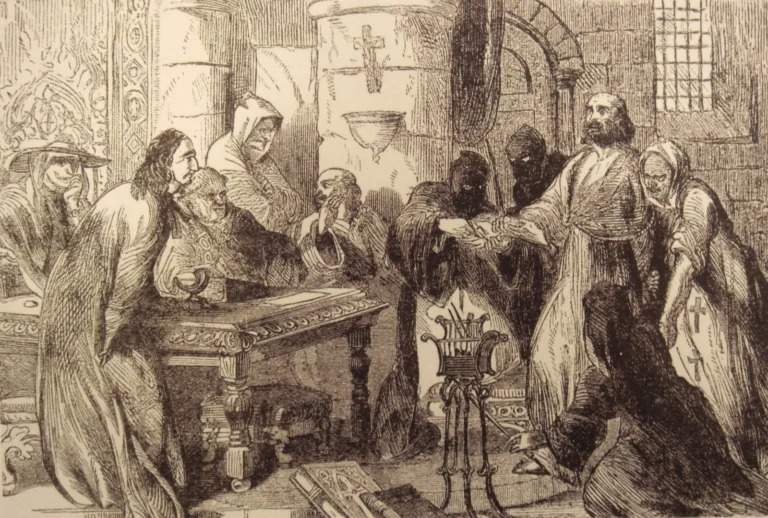
Gran Dolina is famous partly because some of the human bones recovered from its lower levels carry cut marks and other damage associated with the processing of bodies. Previous research has interpreted the evidence as repeated episodes of cannibalism involving Homo antecessor. The new release notes cut marks in the context of material already documented at the site; it does not turn every newly found fragment into proof of a separate event.
That distinction is important. Archaeologists have to separate what is visible on a bone from what the wider assemblage may mean. A cut mark can show contact with a stone tool. Establishing when it was made, why it was made and how it relates to other remains requires microscopic study, fracture analysis, sediment work and comparison with animal bones from the same layer.
Why another field season matters
Long-running excavations rarely deliver their most useful information in one spectacular object. Year after year, researchers expose a little more of a deposit, record its exact position and build a sample that can be tested against earlier claims. The 24 fossils from 2026 increase the number of individuals and the range of skeletal parts represented in TD6.2.
The Atapuerca team also reported work at several other sites in the Sierra de Atapuerca, including Sima del Elefante, Galería, Cueva Fantasma and El Mirador. Those locations preserve different periods and different kinds of evidence. Taken together, they show how the mountain system was used over a very long span rather than as a single campsite occupied once.
What Homo antecessor can tell us about early Europe
Homo antecessor lived before the Neanderthals and modern humans appear in the later European record. Its exact place in the human family tree remains debated. Some features look like a mixture of older and later populations, and genetic material has not survived from every specimen. New teeth and skull fragments can therefore matter even when they are small.
The fossils also offer a chance to study how people lived at the edge of their range. The climate around 850,000 years ago changed repeatedly, and the cave’s sediments preserve evidence of animals, plants and human activity. Linking the bones to those environmental clues can show what food was available, how the group used the landscape and whether the cave was a home, a processing site or both.
That kind of work fits into a much larger archaeological record. Curiosmos has covered the oldest human footprint evidence and the long-running work at Göbekli Tepe. The sites are separated by immense distances and different ages, but each reminds us that human history is reconstructed from context: where a trace was found, what lay beside it and how confidently it can be dated.
More questions than answers—for now
The 2026 discoveries do not settle the origins of Homo antecessor or provide a single explanation for the activity at Gran Dolina. They give researchers more evidence to work with. Laboratory study may identify additional individuals, refine the age estimates or reveal marks that are not visible in the field.
For now, the important point is the scale of the addition: at least 24 human fossils from a well-known 850,000-year-old level, including adult remains and several kinds of bone. Atapuerca’s story is still being written one fragment at a time.