
Some of the world’s oldest monuments were built long before cities, writing, and, in some cases, fully established farming communities.
For generations, the usual outline of early civilization was simple. People settled down, learned to farm, built villages, and only later found the surplus, labor, and social structure needed for monuments. A growing body of archaeology has made that sequence harder to defend in such tidy form. From southeastern Turkey to the Nubian Desert and the highlands of Java, several ancient sites show organized labor, symbolic architecture, and careful planning much earlier than older textbook versions allowed.
Göbekli Tepe and the problem of timing
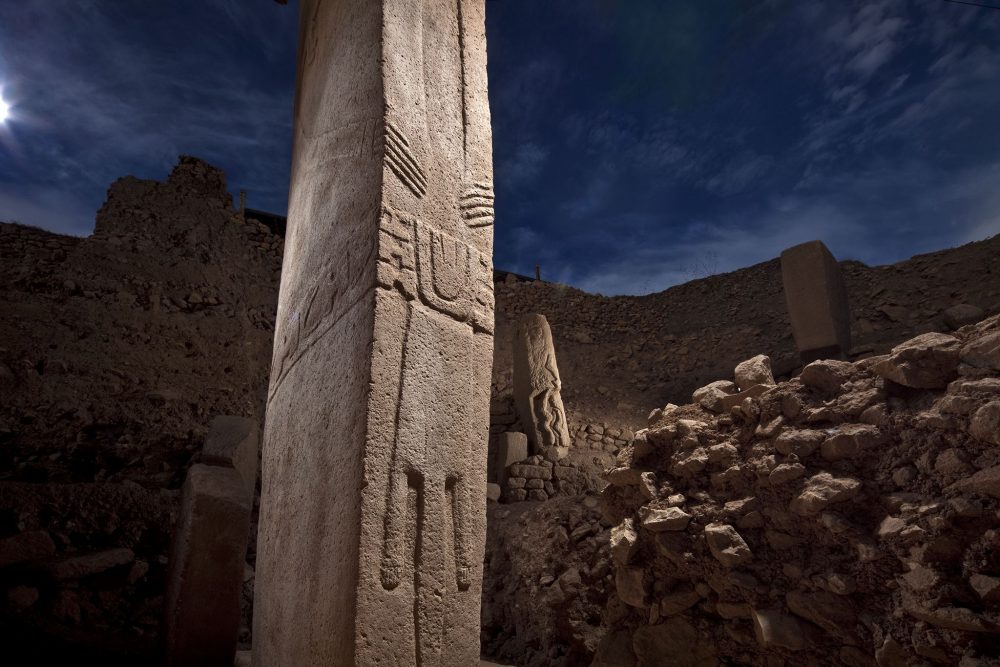
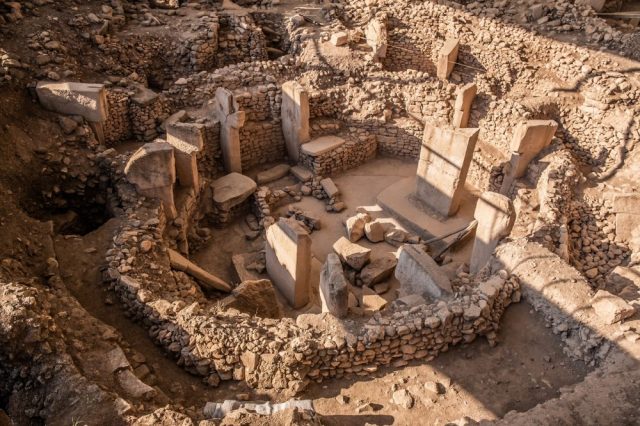
At Göbekli Tepe in southeastern Turkey, excavators uncovered megalithic enclosures whose earliest phases date to the tenth and ninth millennia BC. The site is older than the pyramids by many millennia, and it belongs to a world that still sat on the threshold of agriculture. In the early levels discussed by the excavators, there is no evidence of fully domesticated plants or animals, which is why the site has become central to debates about what hunter-gatherer societies could organize and build.
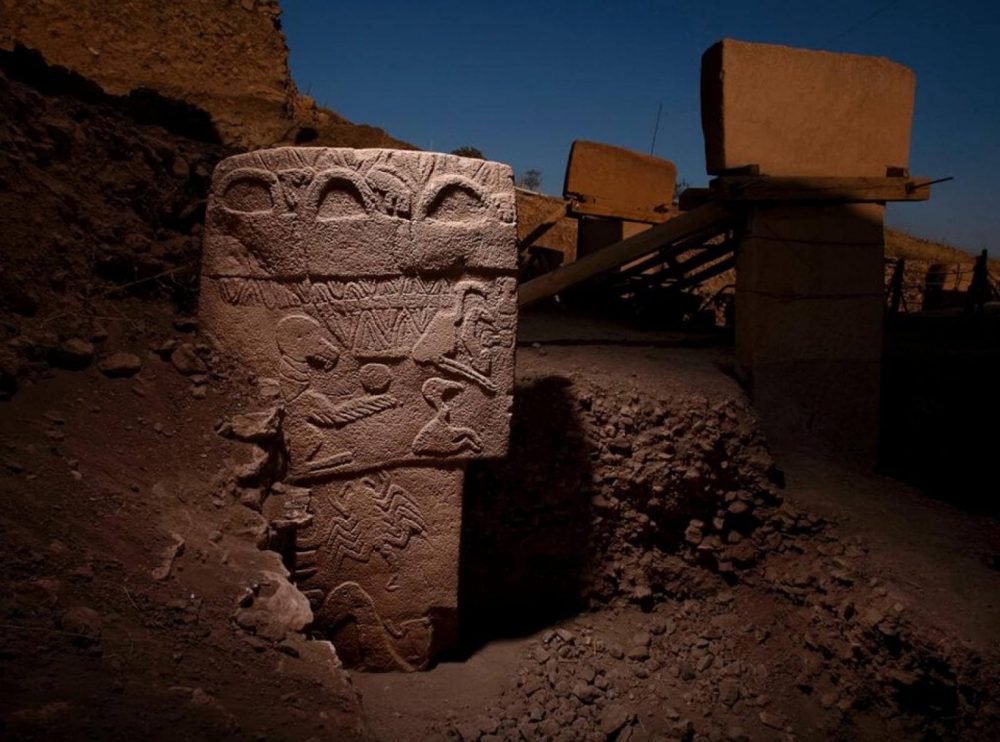
The architecture is what unsettles the old story. The site’s famous T-shaped limestone pillars were cut from the surrounding plateau and set into monumental circular and oval enclosures. A UNESCO description points to the scale of the engineering and the likelihood of specialized craftsmanship. A later architectural study argued that several of the main enclosures were not ad hoc creations but parts of a planned design with an underlying geometric logic. That does not prove modern-style mathematics in any grand sense, but it does show forethought, spatial discipline, and the ability to execute a large project.
Göbekli Tepe also carries another stubborn fact. Its major enclosures were deliberately backfilled in antiquity. Archaeologists still debate what the site was for and why it was buried. It may have been a ritual center, a place for periodic gatherings, or something that does not fit later categories cleanly. What it is not, at this point, is easy to fold back into the old assumption that complex monument building had to wait for mature agricultural states.
Karahantepe makes the pattern harder to dismiss
If Göbekli Tepe could once be treated as an anomaly, Karahantepe makes that escape route much narrower. Part of the wider Taş Tepeler landscape in Turkey’s Şanlıurfa region, the site has produced bedrock-carved spaces, sculptural programs, and a dense concentration of symbolic stonework from roughly the same broad era.
What stands out is the combination of monumentality and settlement. Recent work described by Archaeology magazine and Smithsonian shows structured rooms carved into bedrock, special buildings that were intentionally filled in, and evidence that daily life and communal architecture existed side by side. Karahantepe does not suggest a random burst of talent. It suggests a broader regional tradition.
That matters because it changes the scale of the argument. The issue is no longer whether one remarkable hill in Turkey appeared too early. The issue is whether a wider Neolithic world in Upper Mesopotamia had already developed the social capacity for coordinated building, symbolic art, and planned public spaces before the standard model once expected.
Nabta Playa shows that the sky mattered early
Nabta Playa, in the Nubian Desert of southern Egypt, makes the same point in a different way. The site does not rival Göbekli Tepe in sheer mass, but it shows that people in deep prehistory were linking ritual life, seasonal knowledge, and stone construction in a sophisticated landscape. Archaeological work places the region’s ceremonial use in the Late and Terminal Neolithic, with a stone circle erected around the fifth millennium BC.
The strongest claim here is the safest one. Researchers have argued that the circle and associated features were oriented in ways that could mark the summer solstice, which would have had obvious practical value in a landscape shaped by seasonal rain. More detailed claims about alignments to specific stars, including Sirius, remain more contested than the basic case for solar orientation, and should be treated with that caution. Even so, Nabta Playa still shows that long before dynastic Egypt, people in northeastern Africa were building ceremonial stone settings tied to time, landscape, and the sky.
Gunung Padang needs caution, not fantasy
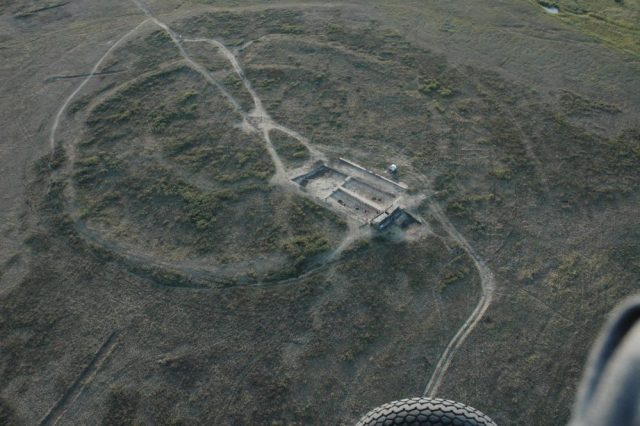
Gunung Padang in West Java is the most disputed site in this group, and it is where discipline matters most. The site is real. It consists of artificial terraces, retaining walls, stairs, and dense megalithic construction on a hilltop. What is not secure is the claim that its deepest layers prove a monument from the Ice Age.
That idea gained global attention after a 2023 paper argued that Gunung Padang could be a buried prehistoric pyramid with origins reaching back tens of thousands of years. The paper was retracted in 2024 after the journal concluded that the radiocarbon dates used to support those extreme ages came from soils not securely tied to human construction. Meanwhile, a detailed Archaeology magazine feature summarized the mainstream archaeological view that the visible megalithic terraces were likely built around two thousand years ago over several generations.
Gunung Padang still matters. It is a major megalithic site. What it does not currently provide is reliable evidence for a 20,000 BCE monument. The broader lesson is useful. Some sites do force revision. Others get swept into grand claims before the evidence can carry the weight.
Baalbek is extraordinary, but not evidence-free mystery
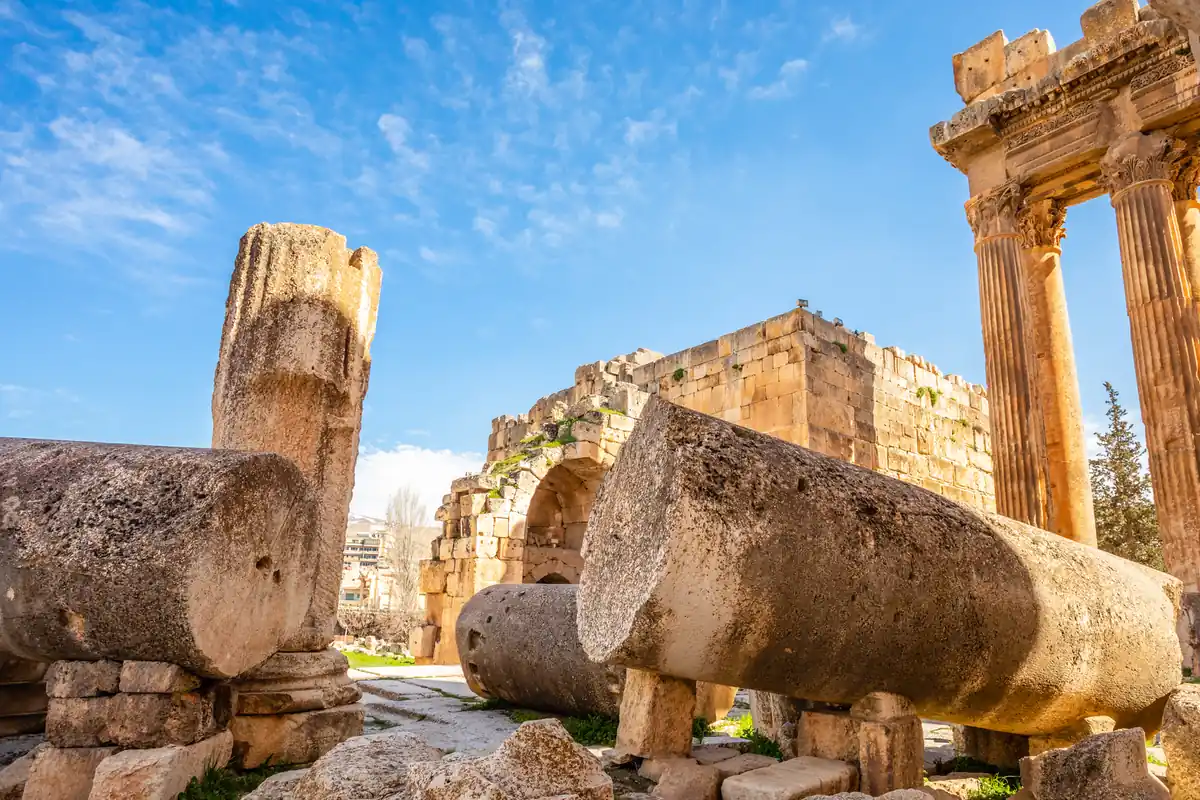
Baalbek in Lebanon often gets pulled into the same discussion because the stonework is genuinely immense. At the Roman temple complex, the famous Trilithon blocks are among the heaviest stones used in ancient construction, and nearby quarry stones include the so-called Stone of the Pregnant Woman, estimated at roughly 1,000 tons.
The scale invites speculation, but the secure archaeology is narrower than many popular retellings suggest. Baalbek is not a blank spot where no one knows anything. The monumental remains are tied to the Roman sanctuary, especially the Temple of Jupiter, and the quarry evidence shows how seriously Roman builders pursued megalithic construction there. The unresolved question is not whether the site belongs to some lost Ice Age civilization. It is how ancient engineers organized quarrying, transport, and placement on such a scale, and why some of the largest blocks were left unfinished in the quarry.
A longer beginning
Taken together, these sites do not erase established archaeology. They do something more interesting. They force it to become more precise. The old habit of treating early humans as too socially simple for large-scale symbolic building no longer works. Göbekli Tepe and Karahantepe show that organized monumentality could emerge before the kinds of states and written systems that later history makes familiar. Nabta Playa shows that sky watching and ceremonial architecture also have deeper roots than once assumed. Gunung Padang shows why extraordinary claims still need hard control. Baalbek shows that real ancient engineering is impressive enough without turning it into folklore.
The result is not a collapsed timeline. It is a broader one. Human beings were building in stone, thinking symbolically, and organizing collective labor earlier than many people were taught. The beginning of civilization now looks less like a single clean starting line and more like a longer, uneven stretch of experiments, rituals, and ambitions that reached deep into prehistory