The United States’ public UAP record is not contained in one dramatic file release. It is being assembled piece by piece in the National Archives. The archive also needs to be read beside the KONA BLUE record, which shows how a proposed programme can enter official files without becoming an approved operation.
The archive is easiest to understand when the records are read together. Our coverage of the fifth U.S. UAP release, Avi Loeb’s UAP Council memo and the new FBI files follows three different parts of that documentary trail.
The archive’s Record Group 615 is a rolling collection of records transferred by federal agencies under the 2024 National Defense Authorization Act. The National Archives says it has begun receiving material from the Federal Aviation Administration, Nuclear Regulatory Commission, Office of the Director of National Intelligence, Office of the Secretary of Defense, National Security Agency, Department of State and FBI.
That list is important because reports about unusual aerial events do not begin and end with one office. A pilot’s report, a radar record, an intelligence assessment and an investigative interview may sit in different systems. Bringing the records into a national archive gives researchers a way to follow those connections over time.
What Record Group 615 is—and is not
Record Group 615 is an archival structure, not a single “UFO file.” It contains records with catalogue identifiers, descriptions and transfer information. Some materials are already available online; others may be added as agencies process and transfer them.
The collection is also not a guarantee that every UAP-related record will be immediately public. Federal records can be withheld or redacted for national security, privacy, law-enforcement and other legal reasons. A catalogue entry may tell us that a record exists without revealing every page inside it.
That distinction is easy to lose when a new archive is described as a “data dump.” The value of Record Group 615 is its continuity. It creates a place where records can be identified, preserved and updated instead of appearing only as disconnected screenshots.
Why so many agencies are involved
Unidentified aerial reports cross institutional boundaries. The FAA may receive an account from a civilian pilot. The Defense Department may hold a sensor recording. The FBI may interview a witness or investigate a related claim. The State Department may encounter reports connected to an overseas location. The NSA and intelligence offices may preserve information that cannot be described publicly in full.
Each agency has its own vocabulary and retention rules. One may describe an object as an aviation safety concern; another may treat it as an intelligence lead. Those records are not automatically comparable. An archive can preserve the differences while making it possible to see where the same event, person or location appears in more than one file.
That is a better foundation for research than taking the most dramatic sentence from one document and treating it as the government’s final position.
The archive may answer historical questions first
The first benefit of Record Group 615 may be historical rather than sensational. Researchers can ask how federal terminology changed, which cases were investigated, how often records went missing and what kinds of evidence agencies considered useful.
They can also trace how reports moved through government. Was an observation recorded by a flight controller, forwarded to a military office and then filed without a conclusion? Did several agencies hold different pieces of the same event? Were records created at the time, or reconstructed years later from an interview?
Those questions matter because the UAP debate often compresses decades of documents into a single claim about a cover-up or a disclosure. The archive makes it possible to inspect the chain instead of assuming it.
A living collection needs patient reading
The National Archives describes the transfers as ongoing. That means the online page can change as new records are received, processed and described. A story written today should preserve the date checked and the identifiers of the records it discusses.
Readers should also be warned that an archival record is not automatically a verified event. A report may preserve what someone said, what an officer wrote down or what an analyst considered. Its presence in the National Archives establishes provenance and preservation; it does not settle the truth of every statement inside it.
That does not make the documents unimportant. Historians work with incomplete, biased and conflicting records all the time. They compare them, identify who created each record and ask what was known when it was written. UAP research deserves the same discipline.
How to use the collection responsibly
The most useful workflow is straightforward. Start with the catalogue identifier. Read the description and the record’s creating agency. Note the date, location and type of document. Separate direct observations from later interpretations. Then look for related records in the same collection and in other agency releases.
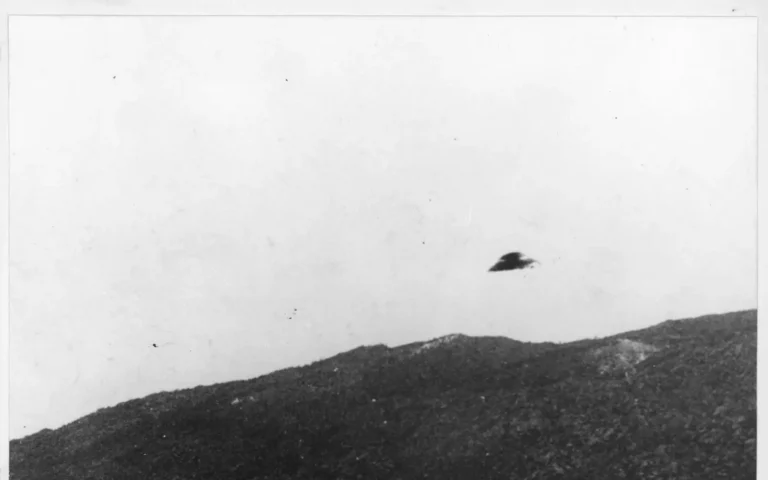
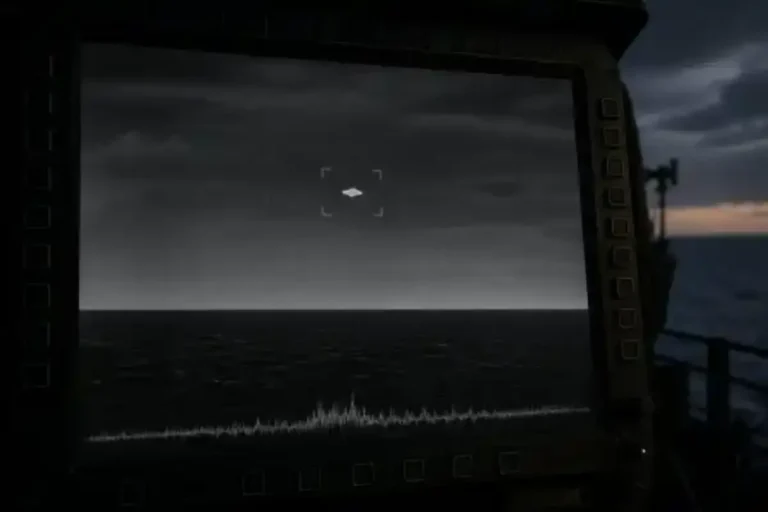
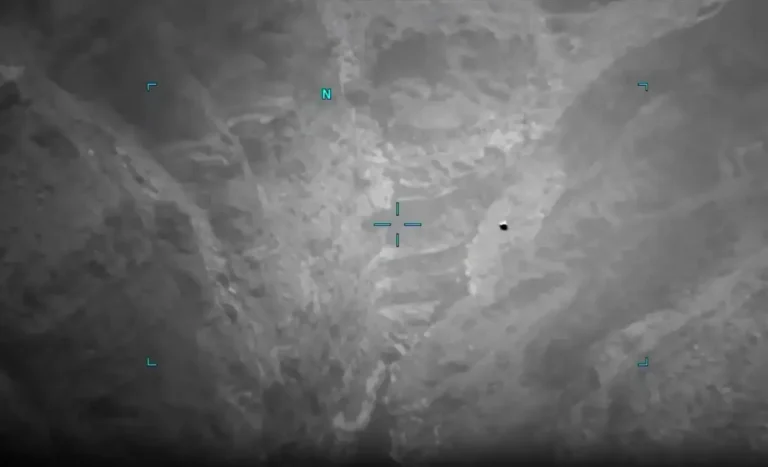
A photograph or video should be treated in the same way. Preserve the original file and metadata when possible. Record where it came from. Do not infer size, speed or distance from a frame unless the geometry and sensor information are available.
This approach may not produce a spectacular headline every time. It produces something more valuable: a record that another researcher can check.
What comes next
As Record Group 615 grows, it may become the backbone of a long-term history of UAP reporting in the United States. Future releases could add military records, civilian aviation reports, investigative files and correspondence that show how the subject was handled across administrations.
The archive will not answer every question. Some evidence may remain classified, and some events were never recorded well enough to resolve. But a public, continually updated collection changes the terms of the conversation.
Instead of asking whether one viral clip proves everything, readers can ask which records exist, who created them, what they actually say and what is still missing. That is how an enduring archive turns a culture-war subject into a research subject.