AARO’s June release adds a paper trail to the UAP archive: FBI-linked reports, video files, and witness descriptions that include two red lights, a changing luminous sphere, and a hovering light. The records document what people reported; they do not by themselves identify the objects. The distinction between a report and an identification is also central to our UAP classification explainer.
That distinction is the key to reading this release. It belongs in the same documentary chain as the National Archives’ Record Group 615 and Curiosmos’ fifth U.S. UAP release, where the evidence can be examined without turning an unresolved case into a conclusion.
The records are worth reading precisely because they do not settle the mystery. They show what was reported to federal investigators, how the witnesses were assessed, and what AARO has made public. They do not identify the objects as extraterrestrial, secret aircraft or anything else. In a field where the headline often outruns the evidence, that distinction matters.
The descriptions are based on statements provided to the FBI by eyewitnesses. AARO presents the material as a record of reported incidents, not as a finding that the observations represent a single phenomenon. The cases come from different dates and were collected under different circumstances.
Two red lights near the horizon
One report concerns an observation from March 2022. The witness described two bright red luminous sources hovering near the horizon at an estimated distance of about 2,500 feet. The account says the lights remained generally stationary during the encounter.
That is the observation as recorded. It is not a measurement of altitude, speed or physical structure. A light that appears fixed against a dark horizon can be difficult to place in three dimensions, especially when the observer has no reliable reference for distance. The report therefore gives us a description of an appearance, not a complete flight profile.
The report of a changing sphere
A second set of files describes an October 2024 observation in which a witness reported a light source hovering above a pond. The object was estimated to be roughly 2,700 feet away and was described as a plasma-like sphere that changed shape and luminosity. At times, the main light appeared to separate into smaller points.
Those details are striking, but the language belongs to the witness account. It should not be read as a technical classification. The word “plasma” in this context describes how the light looked; it does not establish that the object was made of plasma or that it behaved like a laboratory plasma.
What the FBI assessment means
The AARO page says the FBI considered the reporting witnesses credible. That is an important part of the record, but credibility is not the same as confirmation. It means investigators judged the people reporting the events to be believable or reliable in the circumstances. It does not independently verify every interpretation of what they saw.
The distinction is familiar in ordinary investigative work. A credible witness can accurately report an unusual light while still being unable to determine its range, size, speed or identity. Those questions require additional evidence: calibrated sensors, multiple viewpoints, radar data, weather information and a documented chain of custody for any recording.
The videos are not self-explanatory
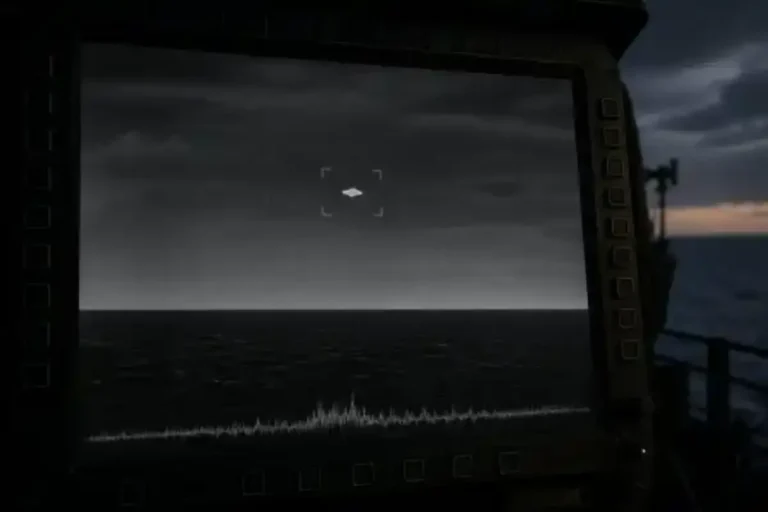
AARO’s archive also includes videos associated with the FBI reports. A short clip can preserve a genuine observation and still leave the central questions unanswered. A camera records light on a sensor; it does not automatically record the object’s distance or mass. Digital zoom, exposure settings, compression and atmospheric conditions can change how a point of light appears.
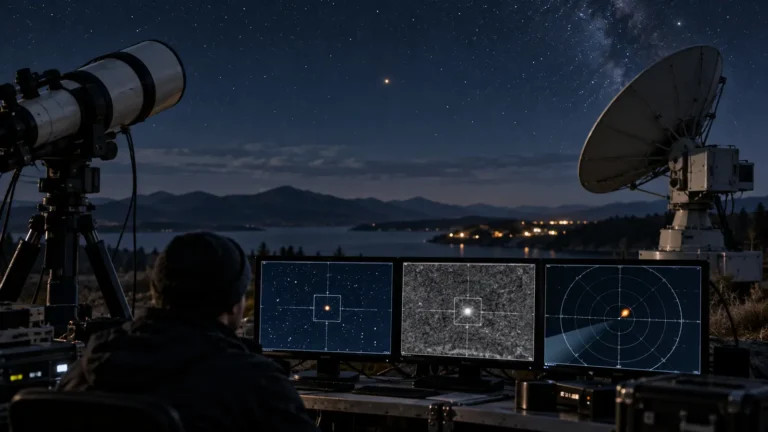
That is why the best UAP analysis begins with geometry and context. What was the camera platform? Where was it pointed? What was the lens and field of view? Were stars, aircraft, balloons, satellites or nearby lights visible at the same time? Without those details, a video can be intriguing without being conclusive.
How this release fits the larger archive
The FBI-linked files add a new layer to the U.S. record, alongside AARO’s earlier imagery tables and the growing National Archives collection. Curiosmos has covered the fifth U.S. UAP release and the National Archives’ Record Group 615. Those stories are part of the same broader shift: more primary documents are becoming available, even when the documents do not provide a final explanation.
For readers new to the subject, our guide to what the term UAP means explains why “unidentified” is a description of an unresolved observation, not a conclusion about its origin. We also examined how scientists decide whether a UAP is genuinely unidentified.
What the files do—and do not—show
The new release shows that federal agencies continue to receive reports that are difficult to resolve from the available information. It shows that some witnesses were considered credible and that the government is publishing more of the underlying record. It does not show that the objects were extraterrestrial, nor does it reveal a recovered vehicle or confirmed breakthrough in propulsion.
That may sound less dramatic than the strongest claims circulating online, but it is more useful. The value of the files is that they give researchers something concrete to examine. As more records are released, comparisons may reveal recurring locations, sensor signatures or environmental conditions. For now, the honest conclusion is narrower: the observations remain unresolved, and the evidence is still incomplete.
Sources and further reading
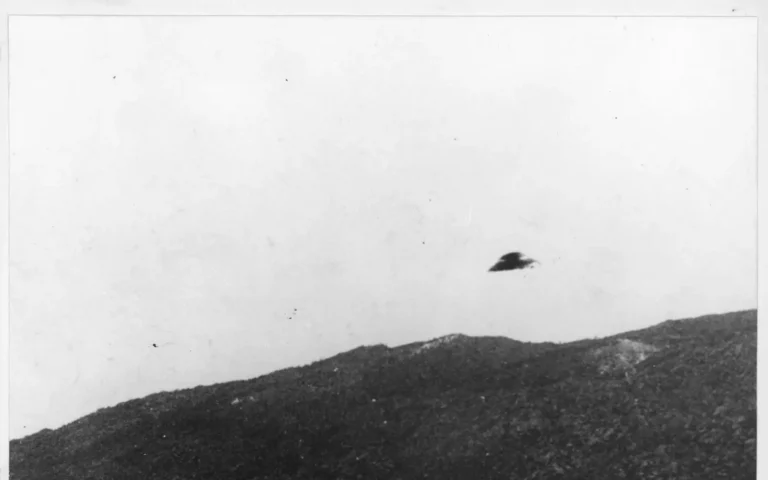
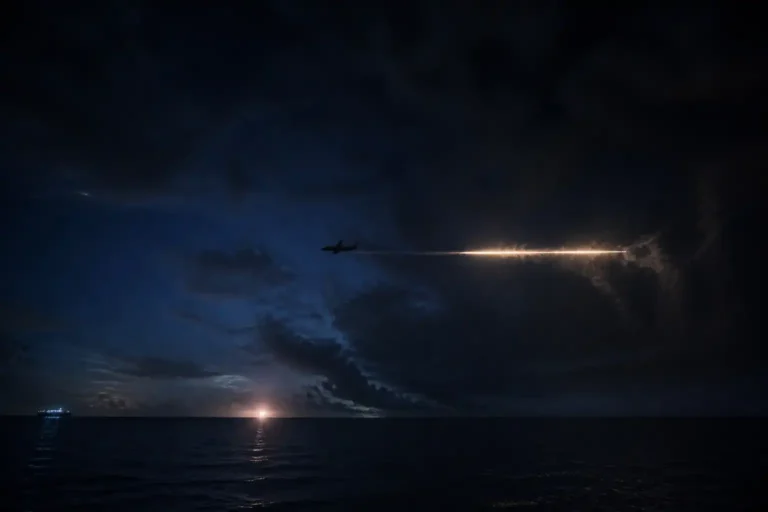
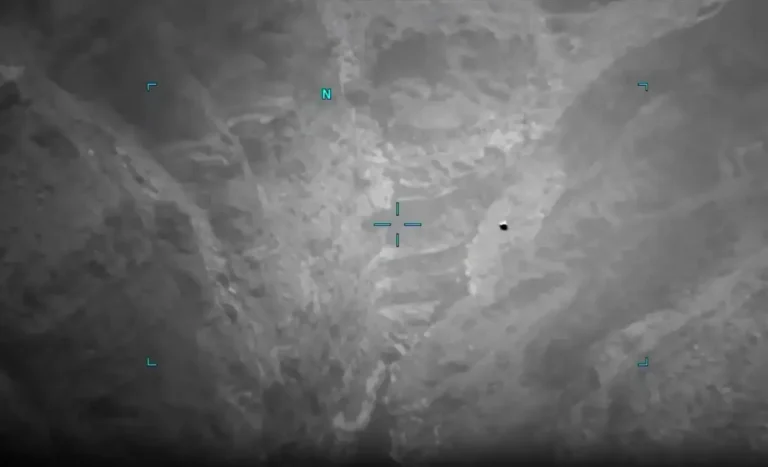
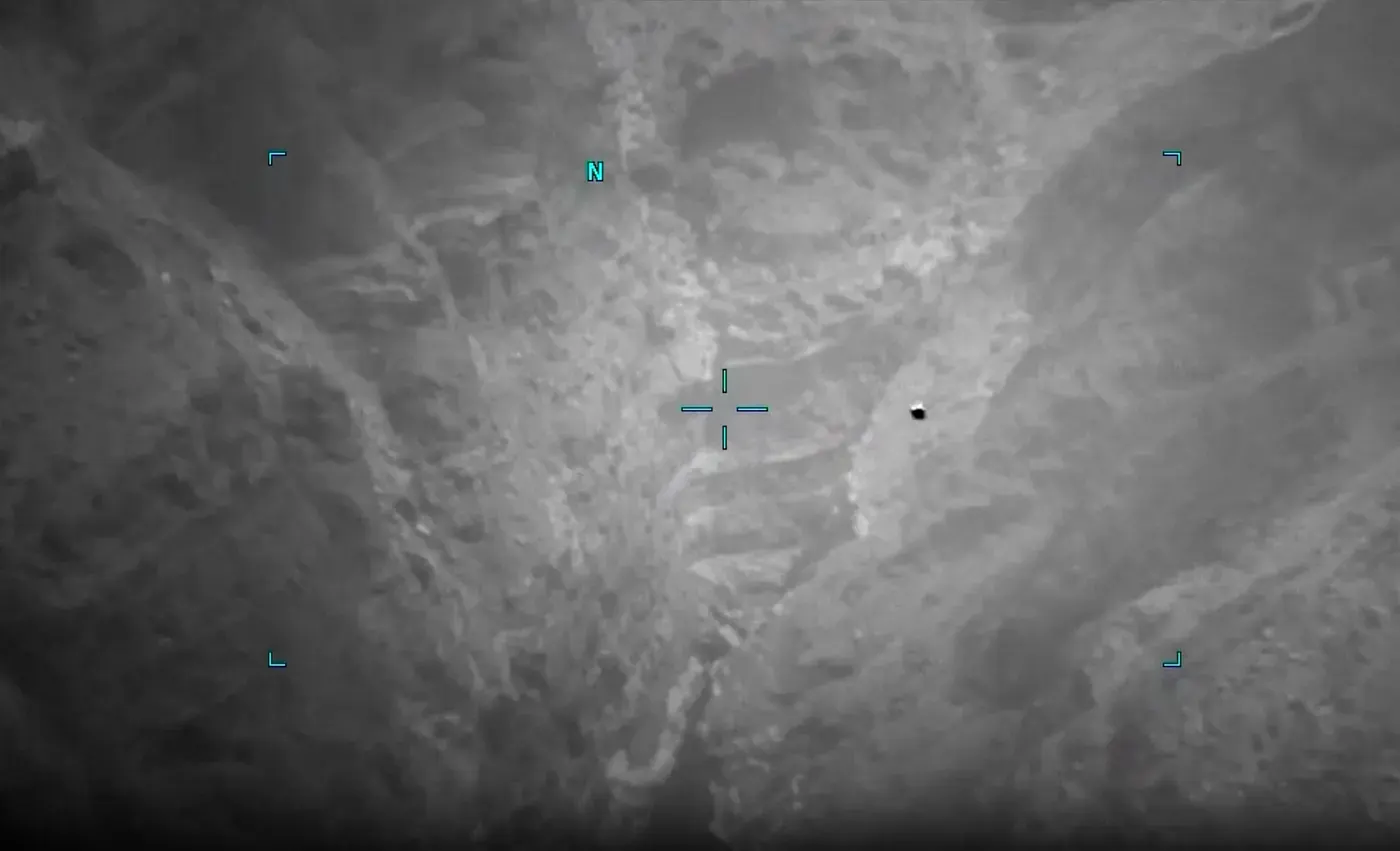
Featured image: UAP imagery released through the AARO archive. Image used for illustration; the image does not depict the FBI reports discussed here.