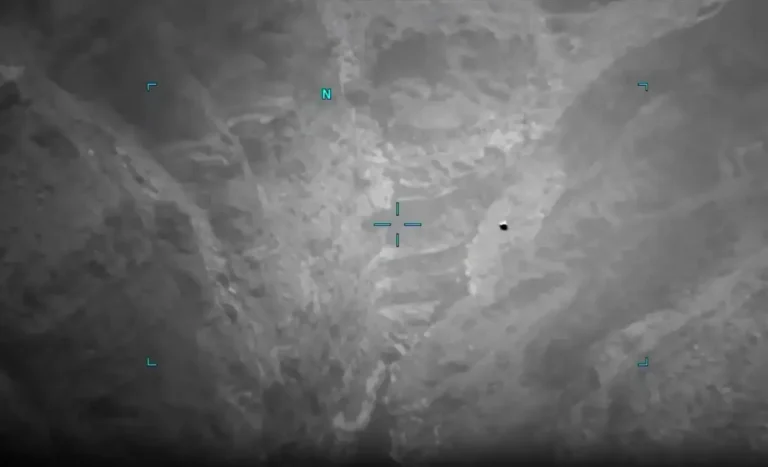
What are UAPs? The acronym stands for unidentified anomalous phenomena, a term now used by NASA and U.S. government offices for observations that cannot be readily identified from the information available. It is broader than the older phrase “flying saucer,” but it is not a conclusion about alien spacecraft.
A report can remain unidentified for many reasons. The witness may have seen a distant aircraft from an unusual angle. A sensor may have recorded an incomplete track. Weather, balloons, drones, glare, compression artefacts and classified human technology can all complicate an observation. “Unidentified” describes the state of the evidence, not the origin of the object.
Why officials moved from UFO to UAP
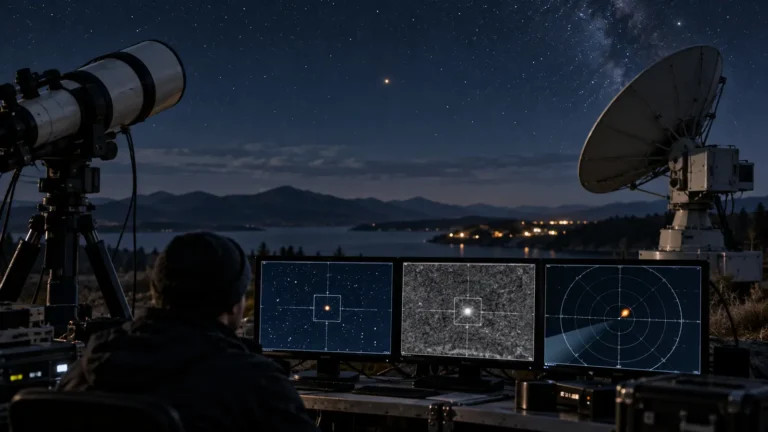
UFO became heavily associated with popular culture, even though it originally meant an unidentified flying object in a straightforward sense. UAP is intended to keep the focus on observations and data. NASA’s independent study team also treated the subject as a problem of measurement: what instruments were used, what information was recorded, and what evidence would allow another researcher to test the claim?
What NASA and AARO are actually studying
NASA’s 2023 independent study report called for better data collection, clearer reporting standards and methods that reduce stigma around witnesses. The agency did not announce evidence of extraterrestrial visitors. The Pentagon’s All-domain Anomaly Resolution Office examines reports that may involve more than the air, including objects or events observed near the sea or in space. Its work is built around case records, sensor data and possible explanations.
That official interest matters, but it should not be exaggerated. A government file proves that an observation was reported or investigated. It does not automatically prove the witness’s interpretation, the performance claimed for an object, or the existence of a hidden programme. Those questions require evidence that can survive comparison with ordinary explanations.
Why some cases remain unresolved
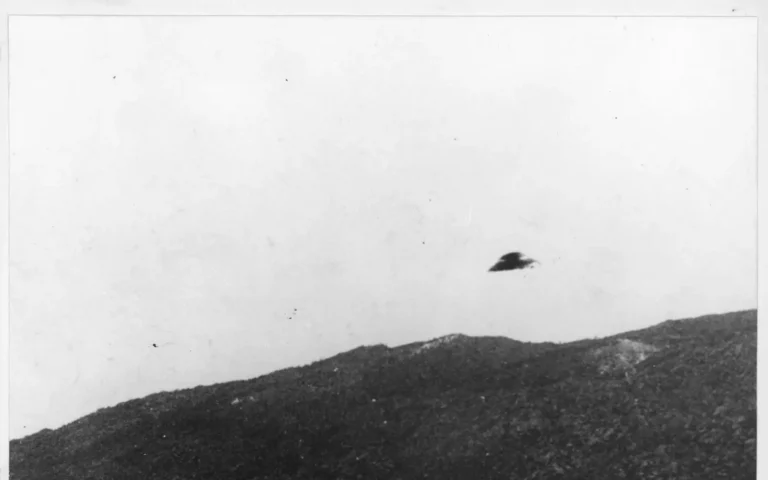
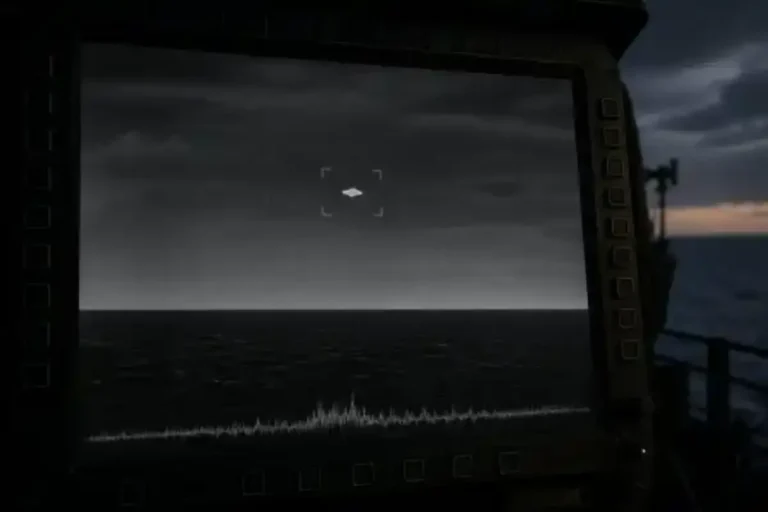
Many incidents are reported after the event, when there is no raw sensor data, no second observer and no reliable scale. Even a clear-looking video may not reveal distance, speed or size without calibration. Some cases remain interesting because the available record is incomplete; others are resolved later when better information becomes available.
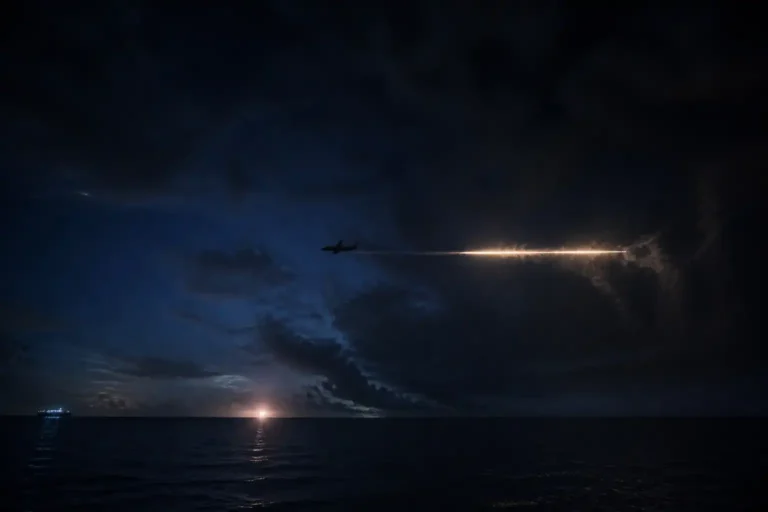
Curiosmos follows UAP reports because the documents, witnesses and investigative choices are worth examining. The fifth U.S. release, for example, preserves reports from the Gulf of Oman, Bagram and a disputed clock event while leaving the identifications open. Our analysis of that release keeps the record separate from speculation. Readers interested in the wider history can also see our guide to the ultraterrestrial hypothesis, which treats the idea as a historical UAP concept rather than a settled explanation.
What would make a UAP case stronger?
A useful case file would preserve the original sensor data, the time and location, the instrument settings, weather conditions, witness testimony and a clear chain of custody for recordings. Independent observers and calibrated measurements would help establish distance, speed and size. Without those details, a striking image can remain impossible to interpret even when the witness is sincere.
This is not a demand that every report meet the standard of a laboratory experiment. It is a way to separate the parts of a case that are documented from the parts that are inferred afterward. Good reporting can describe an unusual event without pretending that the cause is already known.
Why the subject remains worth following
UAP research also has a practical side. Pilots, air-traffic controllers and military crews need a reliable way to report anything that could threaten safety. Scientists need observations that can be compared across time and instruments. The subject deserves attention precisely because better records could turn some mysteries into ordinary explanations while leaving a smaller number of genuinely unusual cases for further study.
\n
The language of uncertainty matters
Words such as “unresolved,” “anomalous” and “unidentified” are not interchangeable. They describe different stages of an investigation and should not be used as synonyms for extraordinary. A careful article can keep the mystery visible while telling readers exactly which sentence comes from a witness, which comes from a document and which is an interpretation.
\n
Further reading: NASA Science: UAP; AARO; NASA UAP Independent Study report.