Avi Loeb’s latest UAP essay asks whether some unresolved objects might be classified aircraft—or technology no government has publicly acknowledged. The distinction matters because the same sighting can look like a secret human project, an instrument error, or something genuinely unexplained until investigators establish distance, motion, and provenance.
Loeb says the question was discussed at a recent meeting of the UAP Science Advisory Council, which he chairs. Curiosmos has been following the documentary trail through the fifth U.S. UAP release and the National Archives’ Record Group 615; this essay adds another layer, but it does not turn an unresolved sighting into proof of non-human technology.
His argument is not that every unresolved sighting points to something extraordinary. It is that investigators should design tests capable of separating a black project from an object that does not fit known human engineering.
\n
Why the two explanations can look alike
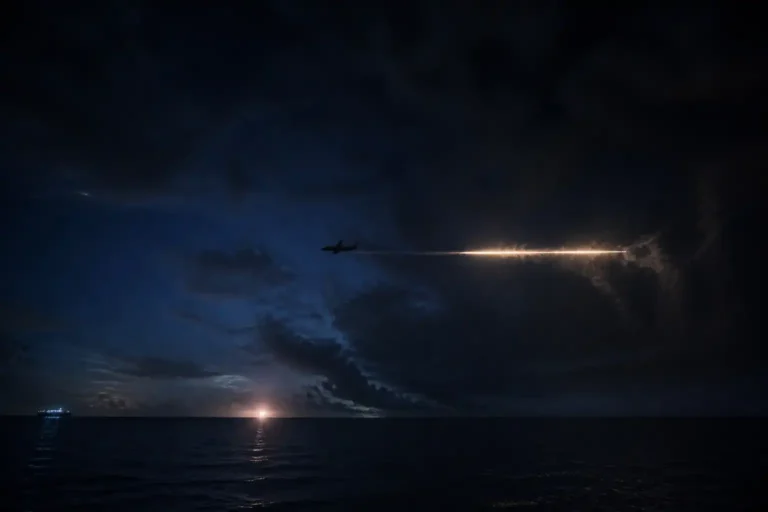
Secret aircraft and unusual UAP reports share an obvious feature: the public usually lacks the supporting data. A government may refuse to identify an aircraft because its shape, range, or sensor signature would reveal a capability. A civilian may interpret that silence as evidence of something stranger.
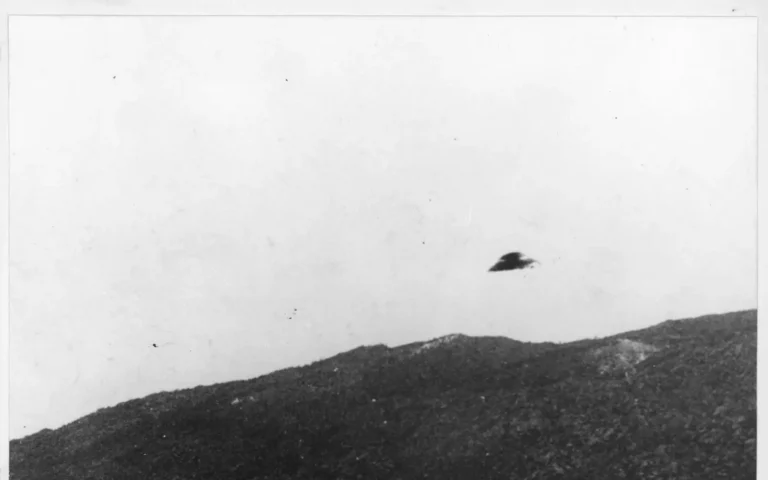
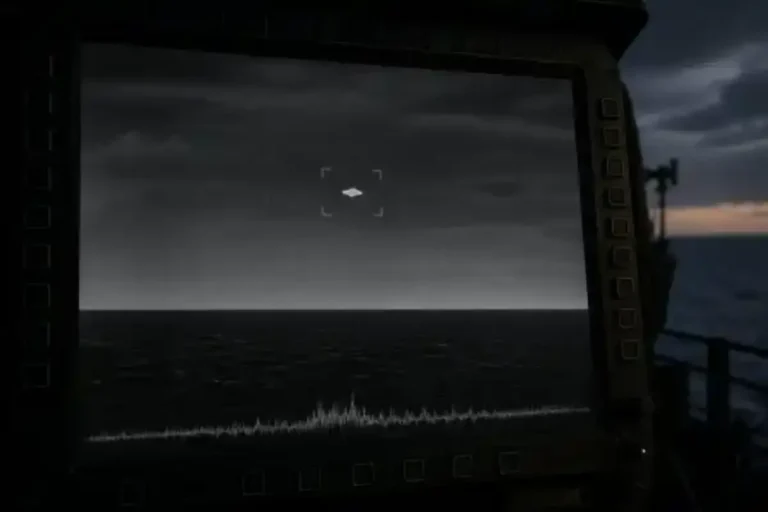
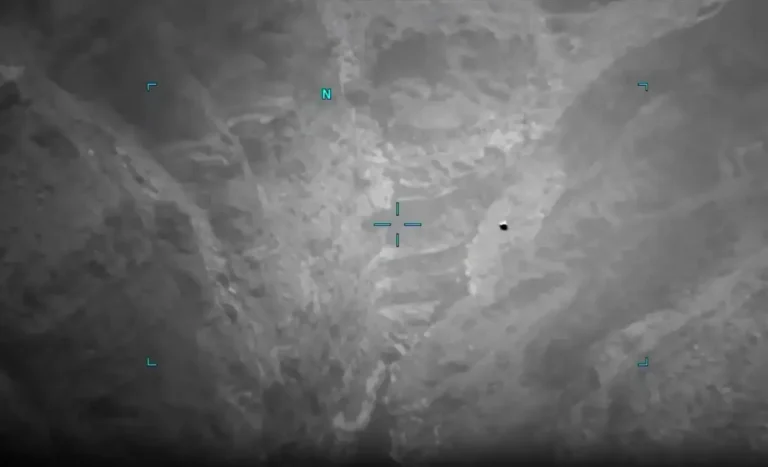
The same problem appears in older cases. A report can contain a detailed observation and still leave the most important questions open. How far away was the object? Was the apparent acceleration caused by the camera platform? Was the light attached to a larger body, or was it a reflection close to the lens?
That is why Curiosmos has treated the U.S. UAP releases as records to examine rather than conclusions to repeat. The case file comes first; the explanation comes after the measurements.
What would separate a black project from a new technology?
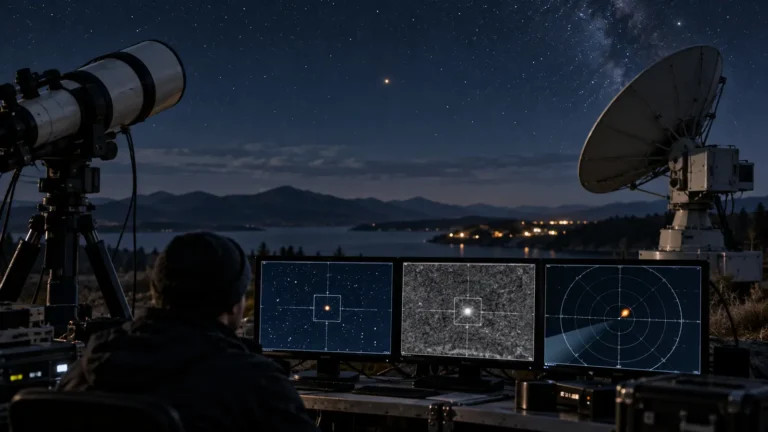
Investigators would need more than a striking shape. A useful comparison would include the object’s range, acceleration, thermal output, radio emissions, acoustic signature, and behaviour in different weather conditions. If the object is human-made, some combination of fuel, propulsion, control surfaces, heat, or communications should eventually appear in the data.
That does not mean every advanced aircraft will be easy to recognize. A classified design may use materials and flight software that are unfamiliar outside a small group of engineers. But it still has to obey the constraints of energy, momentum, and the atmosphere in which it moves.
If repeated observations showed a target moving in ways that survived careful checks of range, wind, parallax, and sensor error, the case would become more interesting. Even then, “interesting” would not mean “alien.” It would mean that the remaining explanations deserve a closer look.
The council’s real test
Loeb’s council will have to show how it handles negative results. A scientific group gains credibility when it publishes cases that turn out to be balloons, aircraft, optical effects, or data errors. That work narrows the field and protects the genuinely difficult cases from being buried in a larger pile of misidentifications.
The next UAP releases may provide better material for that comparison. If agencies publish raw files, sensor details, and the reasoning behind their conclusions, researchers outside government can test the claims. If they publish only a headline and a compressed clip, the gap between evidence and speculation will remain.
The human-versus-non-human question is worth asking. It is also the last question in the chain, not the first. Before anyone decides what a UAP is, they have to determine where it was, how it moved, and whether the data can be checked by someone who was not in the room.
What the council’s distinction can—and cannot—prove
Separating secret aircraft from genuinely unidentified objects is a sensible starting point, but it does not settle any individual case. A label such as “non-human technology” requires more than a witness account or an unusual shape. It would require material, sensor or operational evidence that survives independent examination.
That standard does not dismiss reports. It gives them a path forward. A file can remain open while researchers ask for the missing measurements, compare the account with known aircraft and weather, and preserve the original data for later review.