Put a fleece in the path of gold-bearing water and the image at the centre of Jason’s adventure begins to look different. Fine particles can lodge among the fibres, turning an ordinary hide into something valuable.
Could the Golden Fleece preserve a memory of a real way of gathering gold?
The suggestion is ancient. In Book 11 of his Geography, Strabo describes gold carried by mountain torrents in the Caucasus and collected with perforated troughs and fleecy skins. He connects that practice with the origin of the Golden Fleece myth.
The passage gives us more than a modern resemblance. It shows that a writer in antiquity was already asking whether a fabulous prize could have emerged from a material practice.
The landscape behind the prize
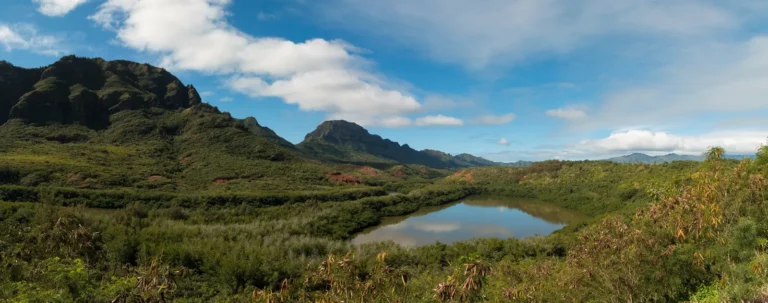
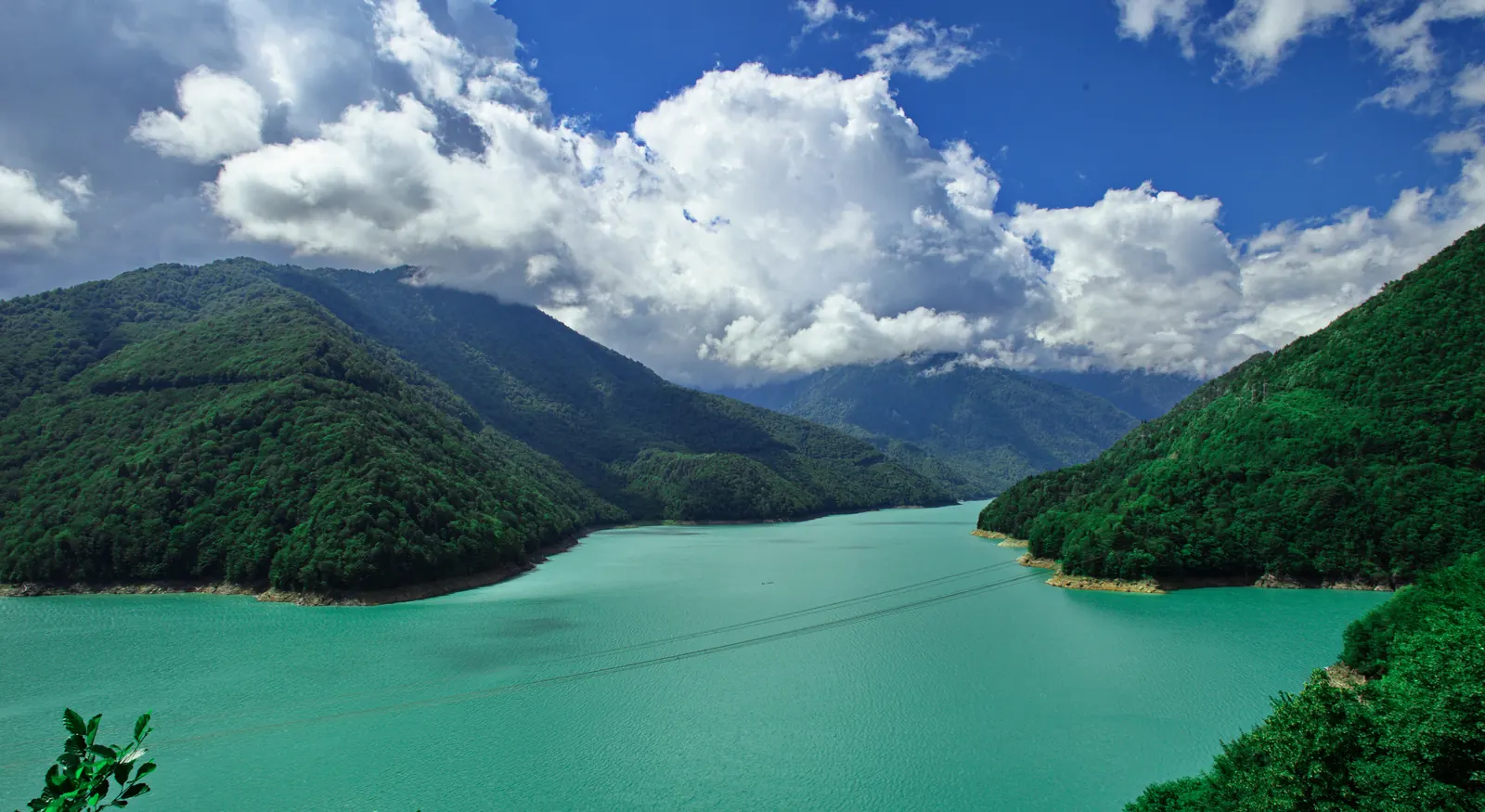
Strabo places the account among peoples around the Caucasus and Colchis, on the eastern side of the Black Sea. Elsewhere in the same chapter, he describes rivers, trading centres and resources useful for shipbuilding.
That setting makes the question richer. A distant region associated with valuable material, difficult travel and specialised knowledge offers the ingredients for a story about an extraordinary expedition.
It does not follow that Strabo had independently verified Jason’s journey. His description of a mining method and his explanation of a myth are different kinds of statement. The first concerns a reported practice; the second proposes how a story arose.
How a fleece could collect gold
The proposed process starts before the fleece is placed in the water. Gold-bearing rock must weather, releasing grains that streams can move. Flow then sorts sediment, with heavier particles tending to collect in suitable pockets and slower-moving areas.
A fibrous surface offers small spaces in which some of those particles can become trapped. The fleece is functioning as a collecting surface. The water supplies the transport, and the worker chooses where to place it and how to recover what it catches.
This explanation makes the object’s value tangible. A hide carrying gold is something a person could show, guard or take away. Its appearance could invite embellishment even if the amount of metal were far smaller than the shining prize of a later retelling.
It also raises practical questions. What grain sizes would the fibres retain? How fast should water move? How much sediment would clog them? A reconstruction could compare fleeces with other collecting surfaces using measured quantities of sediment and gold.
The original geological study
A 2014 paper in Episodes, by Avtandil Okrostsvaridze, David Bluashvili and Nona Gagnidze, examined gold in the Svaneti region of the Greater Caucasus. The authors connected the availability of river gold and local recovery methods with the ancient descriptions.
For their 2007–2010 fieldwork, the team used remote sensing to identify worked stream deposits and collected more than 1,000 samples from sediment and bedrock. Laboratory analyses measured gold and other trace metals. They also documented local wooden vessels and fleeces used in recovery. These observations connect the proposed technology with materials and practices the researchers could examine.
The finding gives the proposed explanation a geological setting. Gold in mountain rivers is relevant evidence for a gold-gathering practice; it cannot identify a particular expedition simply by establishing that the resource existed.
A later paper frequently cited in accounts of the Golden Fleece was retracted by Quaternary International because it duplicated the earlier Episodes publication. The notice identifies redundant publication as the reason. It does not report that the presence of gold had been disproved. The original study should be cited as one investigation, rather than two independent confirmations.
How much history can a myth preserve?
Our examination of whether Achilles was a real person encounters a similar problem. A plausible historical setting can help us understand a story’s formation while leaving the identity and actions of its characters uncertain.
The fleece offers a particularly promising connection because an ancient text names both the material and the method. We can ask whether the technology works, whether the rivers provide gold and whether archaeological evidence places its use in the relevant period.
If those lines of evidence converge, they strengthen the idea that the legend carried a memory of wealth and expertise in Colchis. They would still leave the poem’s encounters and adventures to be examined on their own terms.
A storyteller’s extraordinary prize may have begun as a working hide, its fibres glittering with gold carried down from the mountains.