David Grusch says the beings he saw in recovery footage looked strikingly human. Pale skin, familiar proportions and an appearance he compared with classical beauty: the description is a departure from the small, dark-eyed figures that dominate popular images of alien encounters.
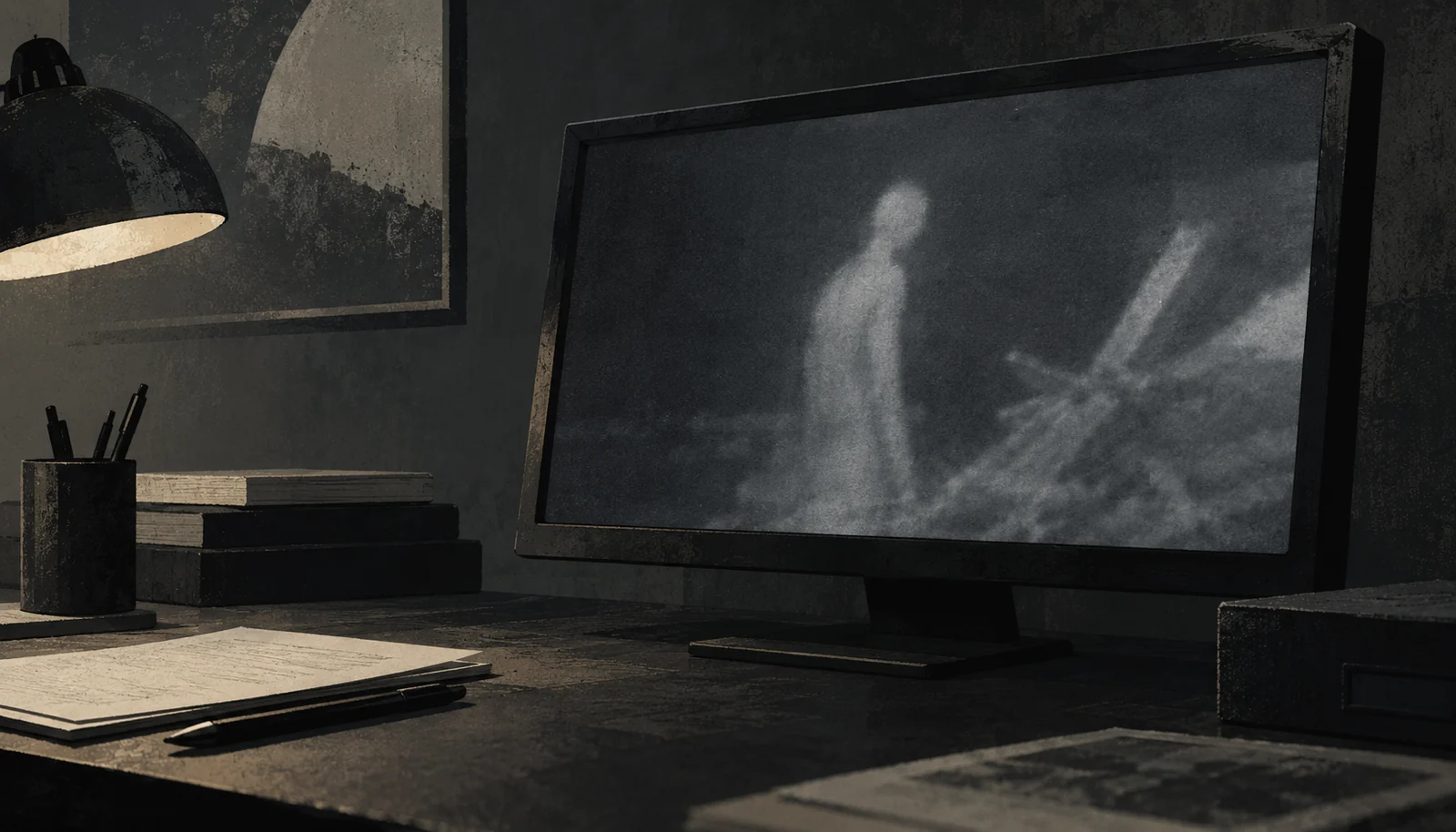
Speaking in a September 2026 interview, the former intelligence officer described video he says showed bodies during a retrieval. He did not present the footage publicly. His account concerns images he says he viewed, rather than bodies he examined himself.
That distinction leaves an intriguing question. If such footage exists, how would investigators establish who—or what—it shows?
The account behind the description
In the interview, Grusch described human-looking figures with very pale, bluish-white skin. He also discussed footage showing a recovery scene, rather than a close anatomical examination. An automated transcript places this discussion around the one-hour mark.
He withheld details that he said could expose sources. That prevents readers from independently tracing the recording to a date, location or retrieval team.
The comparison with Greek gods needs care, too. Grusch referred to an account involving Tom DeLonge and William McCasland. The comparison reaches the interview through that separate account; it does not come from a conversation Grusch says he personally had with McCasland.
From a congressional allegation to a described scene
Grusch became widely known after his 2023 congressional appearance. The history of these promises is also part of the wider disclosure debate. His written statement described an investigation informed by people he considered credible, including individuals with longstanding involvement in alleged recovery activities. He said some information had been provided through classified channels.
The newer description gives the public a scene to imagine. It also introduces a different task: evaluating a recording. A witness’s account of a video and the video itself offer different opportunities for scrutiny. Investigators could examine an original file for editing, compare its location with independent records and interview the people who recorded it.
A clip circulating online would be a much poorer starting point. Compression can erase detail, and a repost can strip away the file’s history. Even a convincing-looking scene might leave the identity of its subjects unresolved.
A familiar face would make identification harder
A human-looking body would invite ordinary explanations before any biological examination had begun. Clothing, skin colour and apparent height would tell an investigator relatively little on their own. Lighting changes colour; camera angle changes proportions; a scene without a reliable scale makes height difficult to estimate.
Nor would unusual appearance establish an extraterrestrial origin. That question would require evidence beyond the image: samples with a documented history, independent examinations and results other researchers could inspect. Any proposed genetic finding would need an explanation of how contamination was controlled and how the comparison was made.
Conversely, a familiar appearance would not by itself settle every question about a genuinely unusual specimen. The investigation would still have to follow the material, rather than decide its origin from a face.
For now, the public has Grusch’s description. The footage he discusses has not been supplied with this interview for independent examination. The most interesting next development would be a recording with a traceable history—or biological results tied to the same recovery. Either would let the discussion move from an image described by one person to material that others could examine.