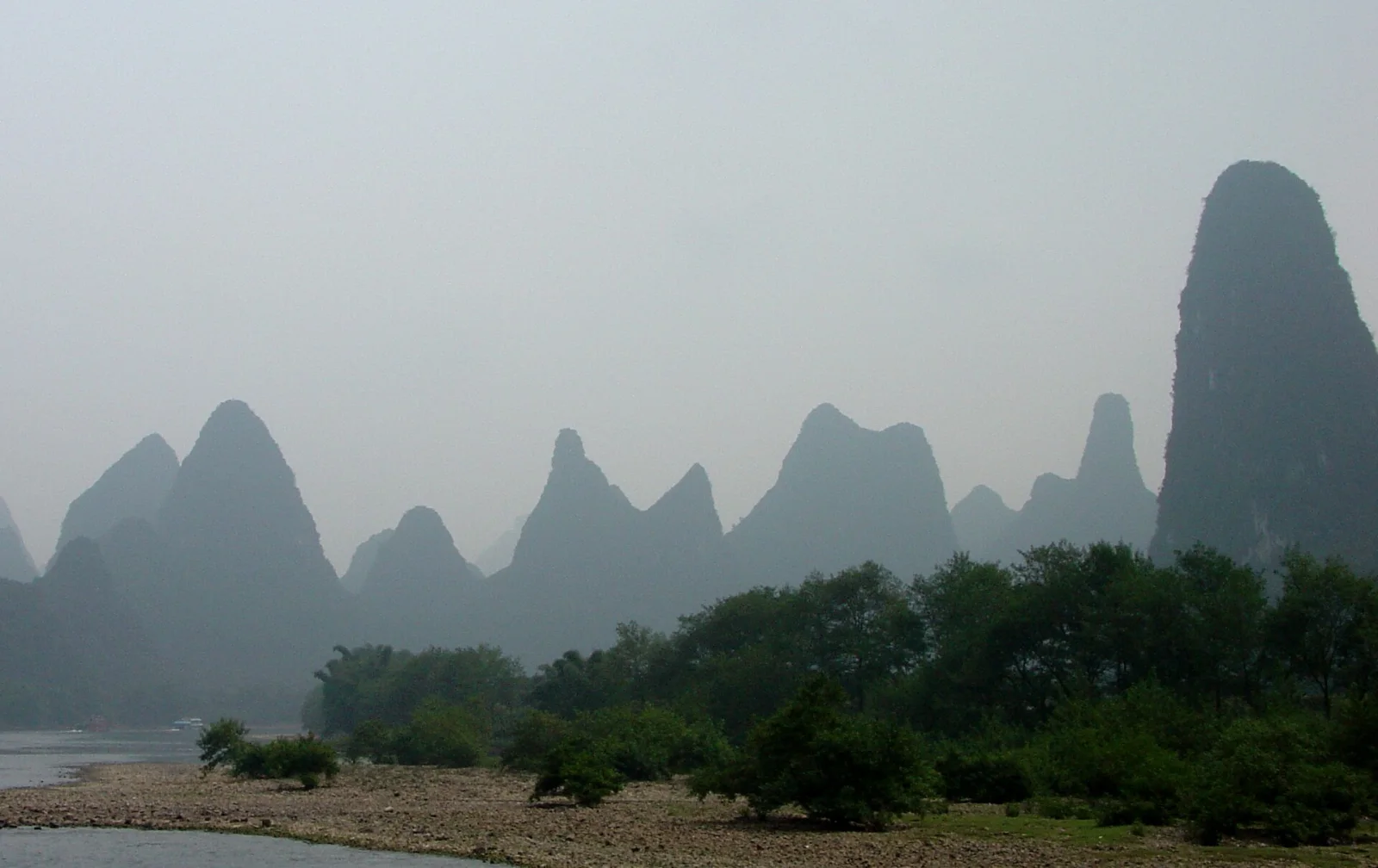
A pair of 100,000-year-old teeth from a cave in southern China may belong to a group of ancient humans that science has never identified before. In a study published on 25 November in Nature, researchers report that proteins preserved in the enamel of one tooth carry variants not seen in Denisovans, Neanderthals or modern humans.
The team, led by palaeoanthropologists at the Chinese Academy of Sciences’ Institute of Vertebrate Paleontology and Paleoanthropology (IVPP), describes the Chuanshandong individual as an “unresolved archaic Homo“. Its co-author Qiaomei Fu stresses that it is too early to call it a new species.
At a glance
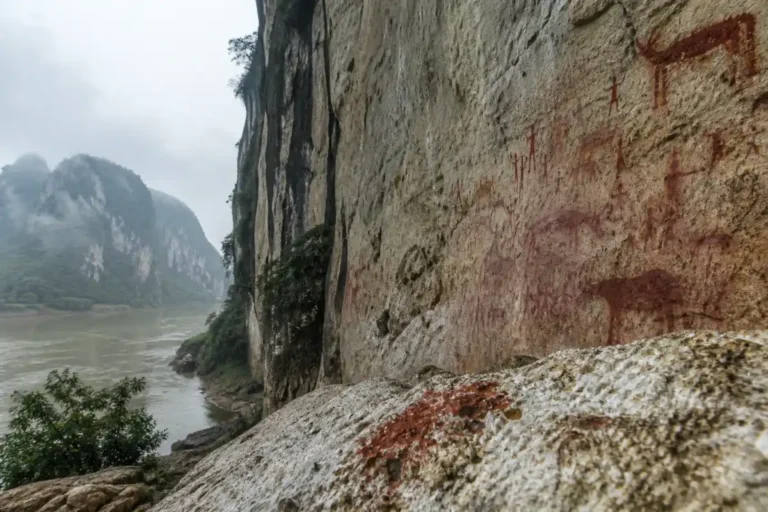
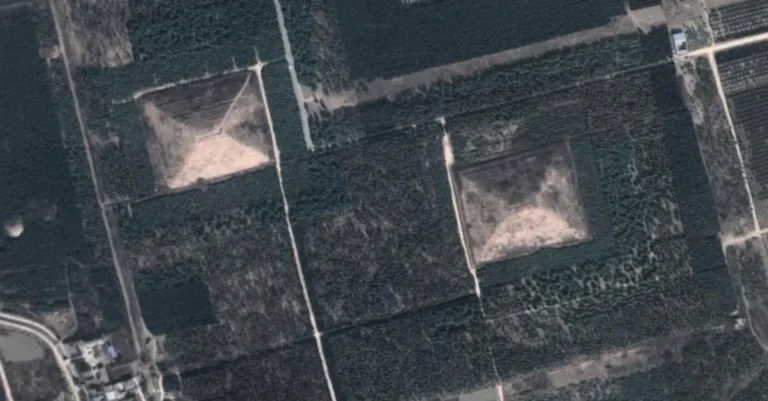
- Where: Longchuandong and Chuanshandong caves, Guangxi region, southern China.
- What: four isolated teeth. Two match Denisovans; two premolars from Chuanshandong, probably from one individual, do not match any known group.
- Age: the Chuanshandong teeth are at least 100,800 years old, by uranium-series dating.
- Caveat: the evidence is a limited set of proteins, not a full genome, and outside experts say the label “unknown Homo” may be premature.
Two caves, two different results
The study examined four teeth from two cave sites in Guangxi. The two from Longchuandong, a molar and a premolar, date to between about 104,500 and 42,600 years ago. Their shape and their enamel proteins line up with Denisovan teeth found elsewhere, which shows that a Denisovan-related group lived in southern China during the Late Pleistocene.
The two premolars from Chuanshandong are different. According to the paper, their shape “did not align well with any established East Asian Homo member”. They combine a complex root system typical of Homo erectus with a more symmetrical crown, a trait closer to Homo sapiens.
The proteins told the same story. All of the teeth that were sampled came from chromosomally male individuals. The Longchuandong proteins matched Denisovans, but several Chuanshandong variants have so far been found only in Homo erectus and Homo antecessor. On that basis, the authors write that Chuanshandong “formed a sister group to the common ancestors of Neanderthals, Denisovans and H. sapiens“. In other words, its lineage would have branched off before those three groups split from one another.
Why a tooth, and why proteins?
DNA rarely survives 100,000 years in a warm, humid climate like Guangxi’s. Tooth enamel is the hardest tissue in the body, and the proteins locked inside it can last far longer than DNA. That is why palaeoproteomics, the study of ancient proteins, has become the main tool for identifying archaic humans in East Asia.
It has a cost, though. Denisovans and Neanderthals are known from complete genomes. Most Chinese fossils, by contrast, yield only a proteome, a much smaller set of genetic information. This is the same approach that recently identified a Denisovan arm bone in China, which we covered in Scientists Found the First Denisovan Forearm Bone in China.
What the researchers and their critics say
Fu, who directs the Ancient DNA Laboratory at IVPP, told Live Science: “We could call it the Chuanshandong group temporarily, but we need more fossil and molecular evidence to determine its affinity with other archaic Homo.” She added: “It’s not clear whether they are our cousins.”
John Hawks, an anthropologist at the University of Wisconsin-Madison who was not involved in the work, called the proteome extremely interesting but questioned the framing. “The paper characterizes this as an ‘unknown Homo‘. I wouldn’t put it that way,” he said. His point is that nobody yet knows whether Homo erectus or Denisovans also carried the key variant. If erectus did, the Chuanshandong teeth, which resemble erectus in shape, could simply belong to that species. The comparison is harder still because no Denisovan premolars have yet been found to set beside them.
Our take: how to read this discovery
This is a genuine result in a top journal, but the headline “new human species” goes further than the evidence. What the study establishes is narrower and still remarkable: about 100,000 years ago, southern China held at least two kinds of non-sapiens humans, one of them Denisovan and one that does not fit neatly into any known category. The authors themselves write that “at least two non-sapiens Homo populations may have existed” there.
Three things would settle the question: more teeth or bones from Chuanshandong, protein data from securely identified Homo erectus fossils to compare against, and Denisovan premolars. Fu says the team has “some new findings from this region” under analysis, so the answer may not be long in coming.
The finding also adds to a growing picture of a crowded human landscape in Asia, alongside discoveries such as the large-brained human population described in Asia and earlier finds from the caves of the Tibetan Plateau.