Jericho’s Neolithic wall, ditch and tower show that communities were organising large building projects thousands of years before Egypt’s pyramids.
Stone walls and communal monuments appeared long before Egypt’s royal pyramids. Jericho and Göbekli Tepe preserve two early examples, although their builders and purposes differed.
Egyptian Pyramid: Origins
Djoser’s Step Pyramid at Saqqara is usually identified as the first Egyptian pyramid. Egypt’s Ministry of Tourism and Antiquities dates it to the early Third Dynasty, in the third millennium BCE. The better-known pyramids at Giza were built later.

Jericho’s Neolithic wall and tower, and the monumental buildings at Göbekli Tepe, belong to a much earlier phase of communal construction.
Göbekli Tepe’s early communal buildings
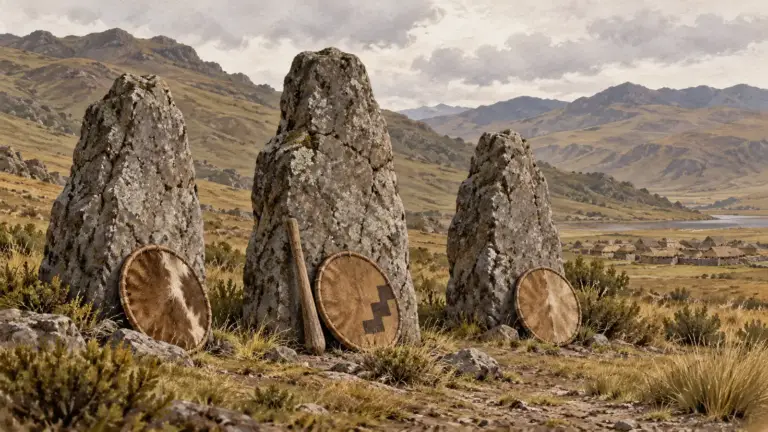
UNESCO dates the monumental structures at Göbekli Tepe to approximately 9600–8200 BCE. Its T-shaped limestone pillars and communal buildings show that large-scale stone construction long preceded the Egyptian pyramids.

The site is evidence of early megalithic structures. Some pillars stand up to 5.5 metres high. UNESCO interprets the monumental enclosures as communal buildings probably connected with social events and rituals.
A very ancient wall
At Tell es-Sultan, northwest of modern Jericho, a wall, ditch and stone tower survive from the Neolithic settlement. UNESCO places these monumental features in the ninth to eighth millennia BCE. They show the planning and labour that an early settled community could organise.

Mighty walls
The tower’s purpose remains debated. In a 2008 study, archaeologists Ran Barkai and Roy Liran reviewed defensive, flood-control and symbolic interpretations, then proposed a connection with the surrounding landscape and the midsummer sunset. That proposal is an interpretation of the monument, not proof of a single agreed function.
Rich history
UNESCO records archaeological deposits at Tell es-Sultan reaching back to about 10,500 BCE, with twenty-nine phases of occupation. The Neolithic structures are part of that long sequence; later Bronze Age inhabitants built a substantial city with its own fortifications.
Join the discussion and participate in awesome giveaways in our mobile Telegram group. Join Curiosmos on Telegram Today. t.me/Curiosmos