The most consequential part of the new UAP disclosure debate may not be a video. It may be a sentence in a memo: current and former government personnel are being told to send relevant information to the AARO and the PURSUE task force, even where older secrecy agreements would previously have discouraged them from doing so.
Avi Loeb drew attention to the memo in a recent essay, calling it a major change in the way UAP records could reach investigators. The document, signed on July 31 by Aaron Lukas, the principal deputy director of national intelligence, is described as preliminary guidance for collecting and reviewing UAP information.
That description matters. The memo creates a reporting channel. It does not, by itself, prove that a hidden craft or non-human material exists.
What the memo says
According to the text reproduced by Loeb, the Department of War and the intelligence community are expected to make sure that current and former personnel can speak with authorized representatives of AARO or PURSUE about UAP information. Agencies are also told to establish a PURSUE designee and tell their workforces how the process will operate.
The guidance is aimed at information inside government agencies and at people who previously worked with them. It is not a general invitation to release classified files to the public, post sensitive material online, or ignore every security obligation. The route described in the memo is an authorized government channel.
That is a more limited change than some of the headlines suggest, but it could still be significant. A report cannot be investigated if the people who hold it have no safe way to identify it, describe it, or point investigators toward the underlying record.
Why the distinction matters
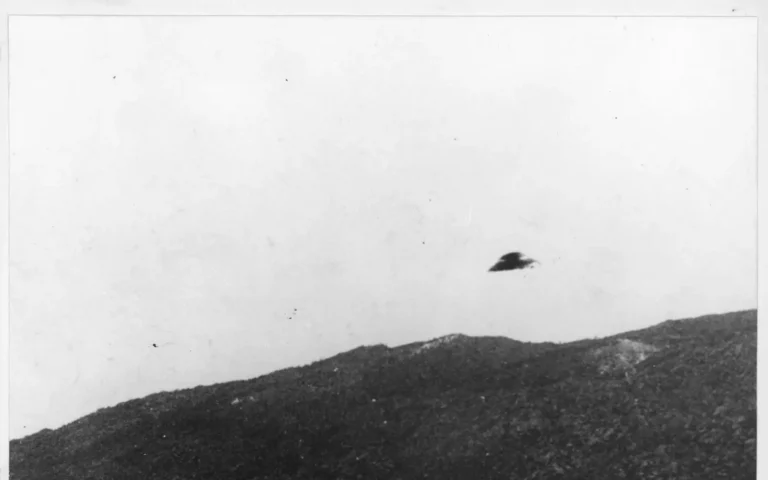
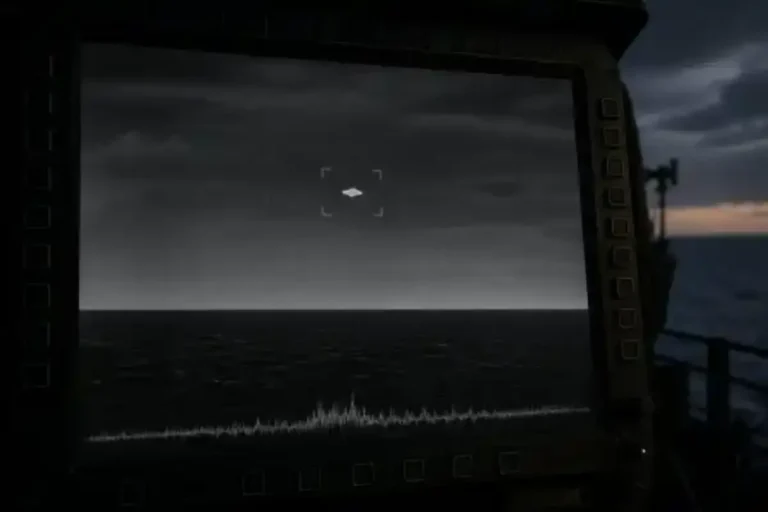
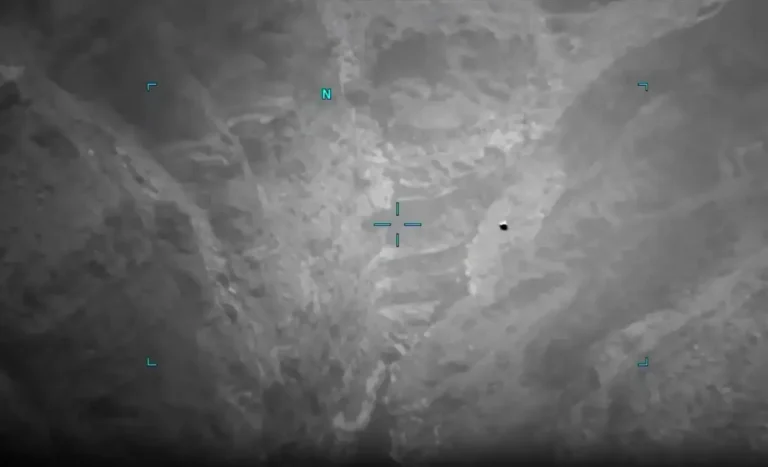
The four PURSUE releases already published on the government archive show how the process is supposed to work. The archive includes records from different agencies, case narratives, imagery, and material that remains unresolved. Curiosmos has already examined the fourth UAP release and its 1996 infrared video and the fifth release of U.S. files.
The new memo could make the next stage less dependent on a small number of public witnesses. It may give investigators a way to ask, in a formal setting, whether a claim is supported by a document, a sensor record, a chain of custody, or only by recollection.
That is the part worth watching. Disclosure is not the same as belief. A useful disclosure system should make it easier to separate a firsthand observation from a rumour, a recovered object from a story about a recovered object, and an unexplained sensor return from a conclusion about its origin.
What has not been established
Loeb’s essay goes further than the memo itself when it discusses possible non-human technology, old retrieval claims, and the prospect of future revelations. Those are questions for investigators, not findings contained in the guidance.
The memo also does not tell us how quickly records will be released, how agencies will resolve conflicts between classification rules, or what protections apply to private contractors outside the authorized reporting channel. Those details will determine whether the new process produces evidence or another layer of administration.
The official PURSUE archive says additional files will be released on a rolling basis. The next useful test is therefore concrete: does the system produce new records, named sources, and verifiable sensor data?
The public does not need a promise that every mystery will end with an extraordinary answer. It needs a record of what was reported, who examined it, what can be checked, and what remains unknown. If the new channel delivers that, it will matter regardless of whether the final explanations are military, natural, or something no one expected.
What would count as a meaningful result?
The strongest outcome would not be a dramatic announcement. It would be a file that another researcher can inspect: a dated sensor record, a clear chain of custody, a witness whose role can be confirmed, or material that can be tested by laboratories with no connection to the original program.
The process should also publish its limits. If a record cannot be released because it exposes a sensor capability or a source, investigators can still describe the reason, the type of evidence involved, and the steps taken to preserve it. That kind of accounting would make the archive more useful even when the underlying file remains classified.
Loeb’s argument gives the new memo a large historical meaning. The memo itself is narrower. It is a set of instructions for moving information into an authorized review process. Whether it becomes a genuine change in UAP research will depend on what arrives through that process, and on whether the results can survive scrutiny from people who did not begin with the same assumptions.