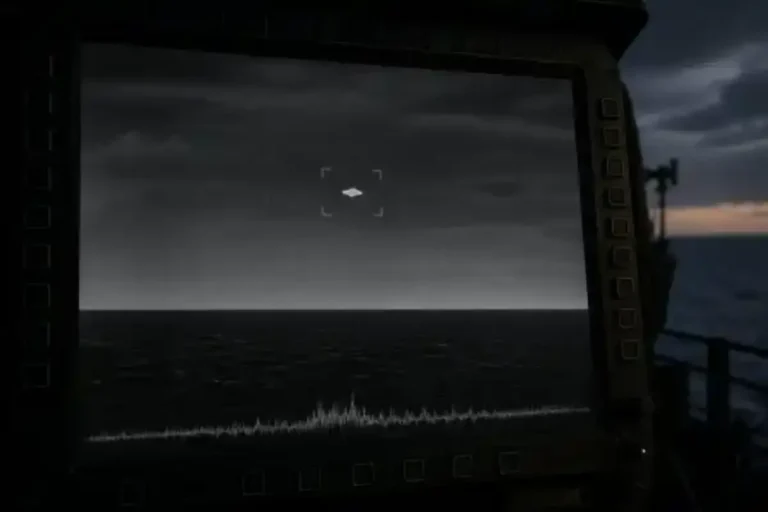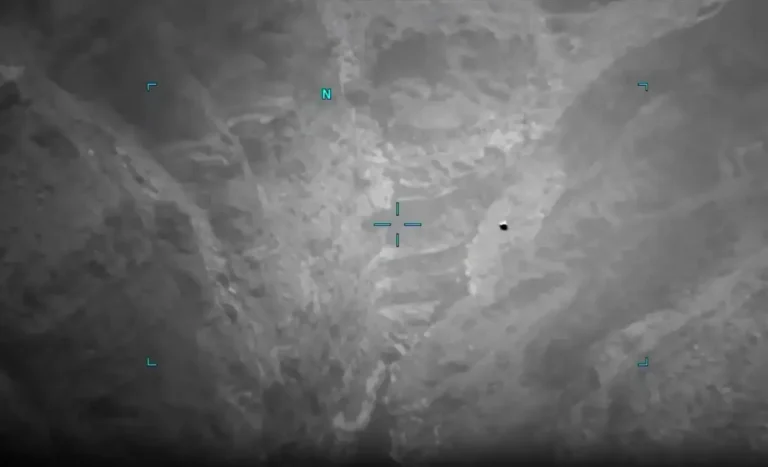
The word “unidentified” sounds stronger than it is. In a serious investigation, it usually means that the available information does not yet identify an object. It does not mean that the object is alien, impossible, or even unusual. Distance is one of the missing measurements, which is why our UAP-distance explainer belongs beside this method guide.
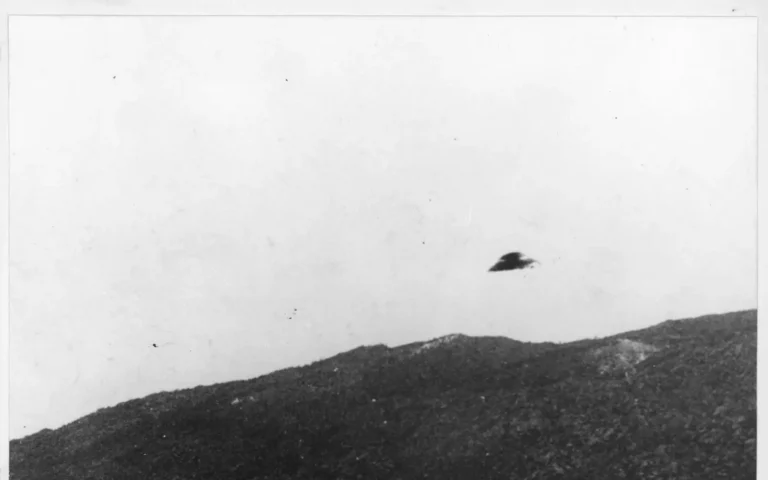
That distinction sits at the centre of modern UAP research. A pilot may report a light, a sensor may record a moving point, or a witness may describe an object that seemed to hover. The first job is not to choose a spectacular explanation. It is to find out what was actually measured.
Start with the raw record
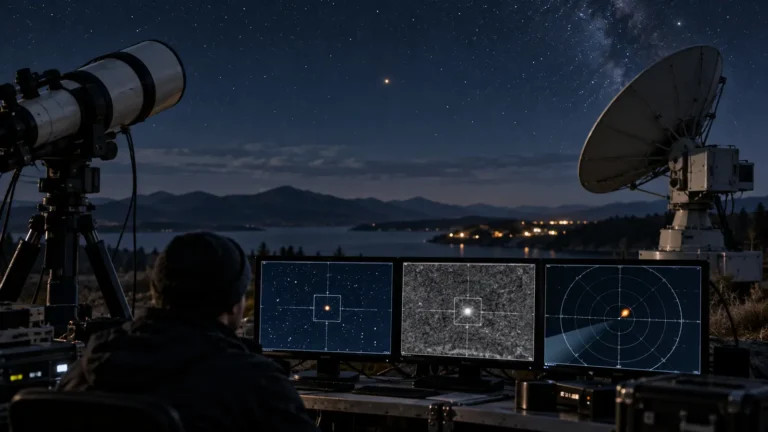
Investigators begin by asking what produced the observation. Was it an infrared camera, radar, a phone, a cockpit display, or a person looking through a window? Each source has different blind spots. A processed video may hide the original frame rate, field of view, or range data. A witness may remember the event accurately while still misjudging its size or distance.
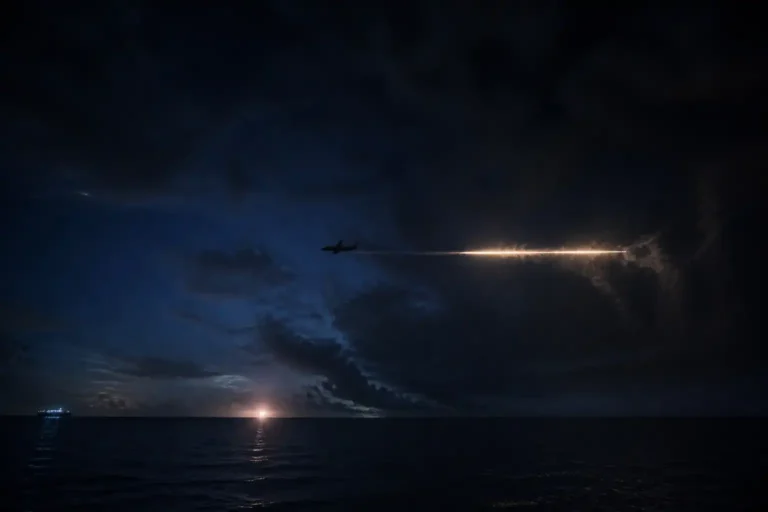
The time and location matter just as much. Analysts compare the sighting with aircraft transponders, satellite passes, weather balloons, rocket launches, astronomical objects, and local weather. If an object can be matched to a flight or a satellite, the case may be solved even if the original image looked strange.
Curiosmos has examined how official releases separate unresolved cases from material that can be explained. Our guide to what UAP means—and what the label does not prove is a useful starting point.
Distance changes the entire calculation
An object’s apparent speed depends on its distance and on the movement of the observer. A small insect close to a camera can cross the frame in a fraction of a second. A distant aircraft can appear to sit still as the camera moves. Without a range estimate, size and speed are guesses built on another guess.
That is why multiple sensors are valuable. Observing the same target from separated locations can provide a three-dimensional position. Repeating that measurement over time produces a track that can be compared with wind, flight paths, and known objects.
AARO’s public analysis of the “Go Fast” video is a good example of this discipline. The report used sensor pointing angles, range, aircraft movement, and wind conditions. It concluded that parallax could make the object look much faster than it was actually moving through the air.
“Unidentified” is a stage, not a verdict
A case can remain unresolved for several reasons. The recording may be too short. The sensor may not have stored the information needed to calculate range. The witness may have seen an object from an angle that hides its shape. A classified system may hold the missing data but not release it.
Those limits do not make the observation worthless. They tell researchers what the next investigation needs to capture. A good case file preserves uncertainty instead of filling the gap with a confident story.
The most useful UAP reports therefore contain ordinary details: the exact time, the observer’s position, the sensor settings, the weather, the direction of travel, and the data that could rule out a balloon or aircraft. Extraordinary explanations can be considered later. First, the event has to be described well enough for someone else to test.
Sources and further reading
- AARO Go Fast case-resolution report
- Avi Loeb on distance measurement and UAP
- Curiosmos: Fifth U.S. UAP release
What can move a case out of the unidentified category?
A case does not need a dramatic explanation to become clearer. A second camera can establish whether an apparent turn was caused by the aircraft or the object. A range measurement can reveal that a light was much closer—or much farther away—than the original video suggested. Weather records, air-traffic data and the position of the Sun can also change the picture.
Investigators should keep the label tied to the evidence. If a file contains only a short clip and a witness description, the honest conclusion may remain “unresolved.” That is not a verdict about the object’s origin. It is a statement about the limits of the record, and those limits are exactly what a later release or better sensor data can address.