How can an animal that was never a dinosaur change the story of when dinosaurs began? A new study of fossils from Tanzania has raised exactly that question. The animal is a newly named species of dicynodont, a beaked herbivore from the mammal side of the vertebrate family tree. It lived about 240 million years ago, long before the familiar dinosaur groups came to dominate the land.
The discovery does not reveal the first dinosaur. It does something more useful: it gives researchers a new way to compare the ages of fossil-bearing rocks in Africa and South America. That comparison may push some of the oldest potential dinosaur sites out of the lead.
A specimen waited in a museum collection
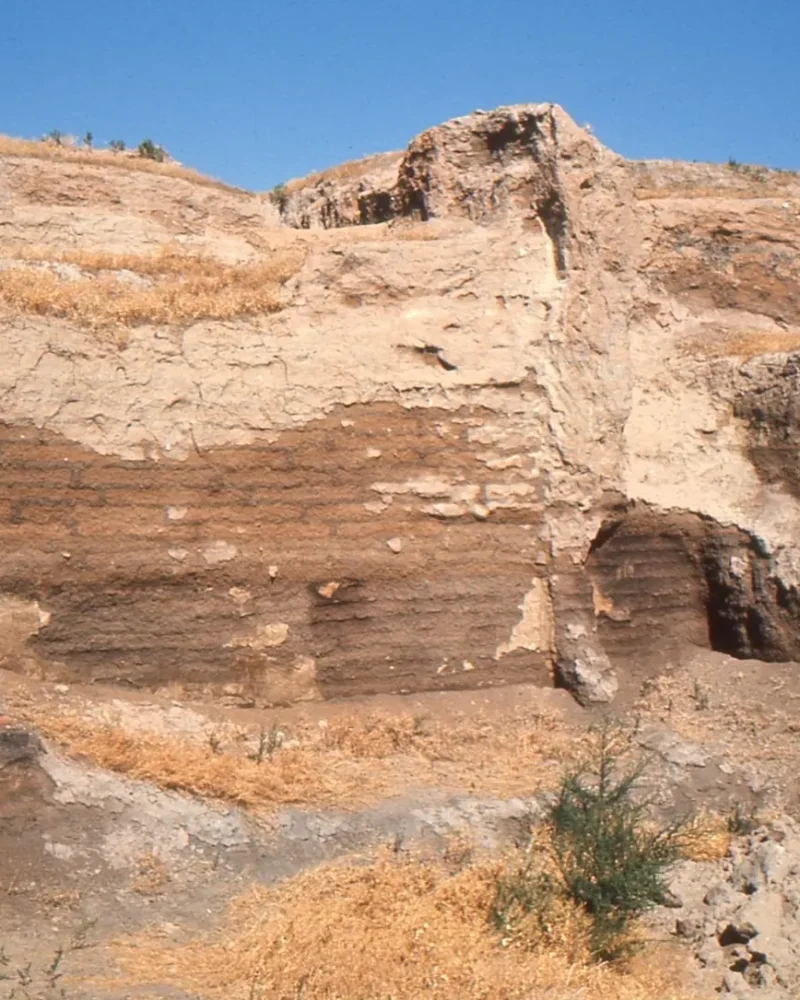
The fossils were collected during a British expedition to Tanzania in 1963 and then stored at London’s Natural History Museum. Part of the material was associated with a skeleton, while a fragmentary skull found later helped complete the picture. The bones were important, but they did not immediately receive a full description.
Keep exploring
Continue with Curiosmos
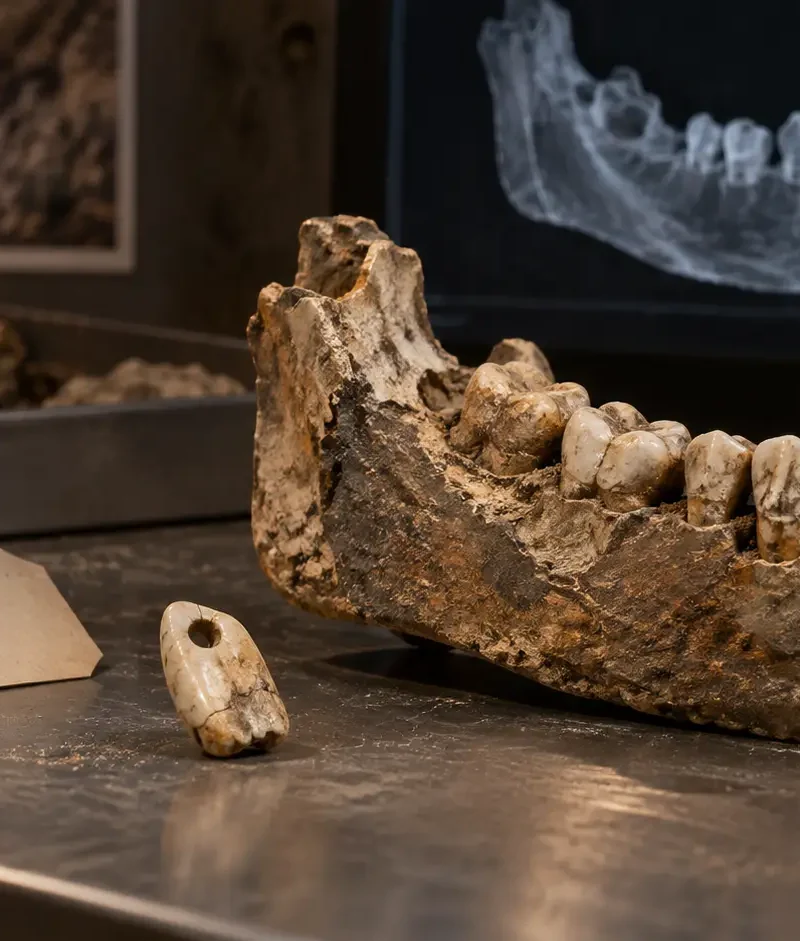
Paleontologist Nigel Larkin first suspected that the animal represented an unknown species while working on a 1994 master’s thesis. Decades later, micro-CT scanning and a wider research collaboration made it possible to examine the anatomy in much greater detail. The result is the new species Dinodontosaurus isiyavamanda, described in the Journal of Vertebrate Paleontology.
What was Dinodontosaurus?
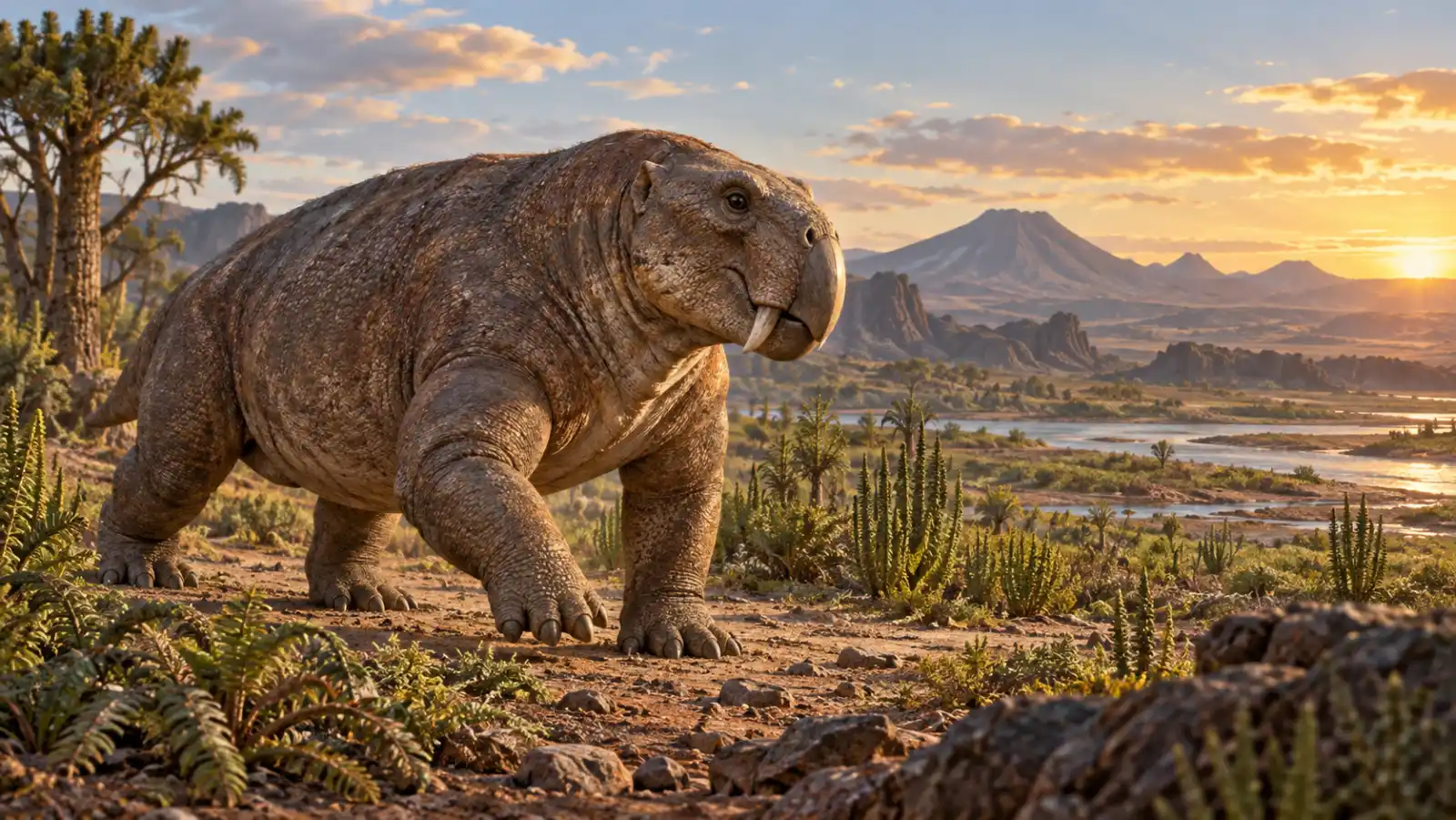
Dicynodonts were synapsids, the broad lineage that eventually includes mammals. They had powerful beaks for cropping vegetation and, in some species, tusks. They were not reptiles and they were not dinosaurs, although they shared the Triassic world with the earliest dinosaurs.
The genus Dinodontosaurus was already known from South America. The Tanzanian fossils show that a closely related form lived on the other side of the ancient southern supercontinent as well. The species name refers to the Wamanda people and the region where the fossils were found, connecting the scientific name to the landscape that preserved the animal.
Why does one herbivore affect the dinosaur timeline?
Fossils can act as time markers when the same animals appear in rocks on different continents. If a species is found in two places, researchers can ask whether the layers formed during the same interval. That is biostratigraphic correlation: the fossils help test whether apparently separate rock sequences belong to the same chapter of Earth’s history.
The comparison matters because recent radiometric dates from South America suggest that some early dinosaur-bearing sequences may be up to 10 million years younger than equivalent-looking rocks in South Africa. The Tanzanian Dinodontosaurus links the African and South American fossil record and gives that age comparison a stronger biological test.
University of Bristol researchers therefore argue that the Tanzanian rocks may no longer contain the oldest potential dinosaur fossils. That does not erase the fossils already found there, and it does not prove a single new date for dinosaur origins. It changes how the layers are compared, which is often the step that decides whether a headline-making “first” survives closer examination.
The oldest dinosaur question is still open
The earliest dinosaur record is built from fragmentary bones, footprints and disputed identifications. A rock layer that contains one animal does not automatically tell us the exact age of every fossil inside it. Researchers combine anatomy, the order of rock layers and independent radiometric measurements, then test whether those lines of evidence agree.
That is why a dicynodont matters here. Its presence does not turn it into a dinosaur or provide a missing ancestor. Instead, it gives scientists a recognizable point of comparison between continents. If the correlation holds, candidates once treated as exceptionally early may be younger than the first estimates suggested.
What researchers want to learn next
The new study leaves plenty of work for future teams. Additional postcranial bones could clarify how the animal moved and fed. Biomechanical analysis may show how it shared the landscape with other large herbivores. More fossils from the same Tanzanian beds could also reveal whether the species was common or represented by only a small local population.
There is a larger lesson in the story. A collection can sit quietly for decades while better tools and new comparisons change what its bones can tell us. One old skeleton does not settle the origin of dinosaurs. It can, however, make the question sharper: which rocks really preserve the beginning of the dinosaur age, and how certain are we about their clocks?
Curiosmos reviewed the University of Bristol report and the study in the Journal of Vertebrate Paleontology. The paper, not the illustration, is the evidence for the fossil and dating claims.