At the Etruscan city of Kainua in northern Italy, archaeologists have found a deep well containing intact bronze objects, a distinctive plate and human remains. The location and the objects suggest that the well had a ritual role, although researchers are still working out how the deposit was created and what happened to the people whose remains were found there.
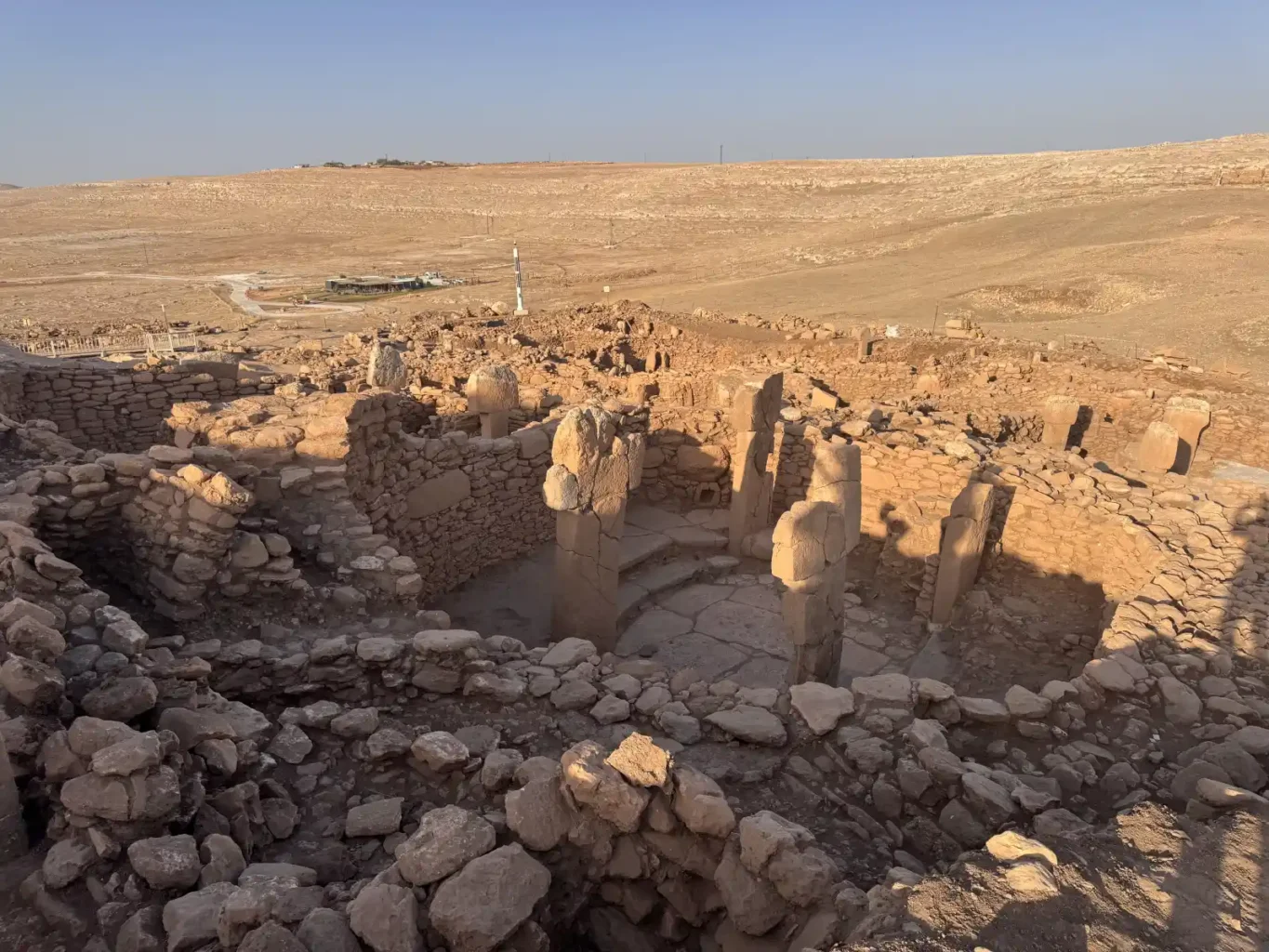
Kainua stood near modern Marzabotto, south of Bologna. It was one of the best-planned Etruscan urban settlements, with streets, houses, craft areas and sanctuaries arranged across the site. The latest find came during the University of Bologna’s excavation campaign in the western part of the city’s sacred area, close to a sanctuary associated with Uni, one of the most important goddesses in the Etruscan pantheon.
The well contained objects that had survived in unusually good condition. Bronze statuettes and a plate were found at the bottom, where they were unlikely to have arrived by accident. Their position matters because archaeologists can study the objects alongside the way they were placed and what surrounded them.
The human remains make the discovery more difficult to interpret. The excavation team has suggested that the burials may represent a deliberate ritual closing of the well. That is a possibility, not a settled conclusion. The find does not by itself prove that the people were sacrificed, and it would be irresponsible to turn the remains into a dramatic story before their age, sex, injuries and burial circumstances have been analysed.
Wells could have practical functions, but water also carried religious meaning in many ancient societies. At Kainua, the well’s position near a sanctuary and the carefully deposited objects make a ritual interpretation plausible. The sequence may preserve several moments: an offering associated with the foundation or use of the sacred area, later deposits and finally an act that ended the well’s ritual life.
That sequence could tell archaeologists more about Etruscan religion than any single bronze figure. A statuette can identify a deity or a style. A sealed deposit can show when an object was placed, what it was placed beside and whether a ritual space was reopened or deliberately closed. The combination of artefacts, human remains, architecture and soil layers is what allows the interpretation to be tested.
Kainua is especially valuable because much of its urban plan survived. The city is more than a collection of isolated tombs or portable objects. Its streets and buildings allow researchers to ask where religious activity sat within an Etruscan town, how temples related to ordinary houses and how sacred places changed over time.
The next answers will come from laboratory work and careful excavation records. Analysis of the human remains may clarify whether the bodies were buried together, placed at different times or moved from elsewhere. The objects may reveal their dates and origins. Soil and residue analysis could show what the well contained before it was closed.
For now, the discovery offers a rare view of Etruscan ritual practice at the point where a sacred place was being made—or being brought to an end. The evidence is strong enough to justify the ritual interpretation, but not strong enough to fill in the missing story with certainty.
Sources and further reading
- Italian Ministry of Culture Museums announcement
- University of Bologna Kainua project
- Live Science report
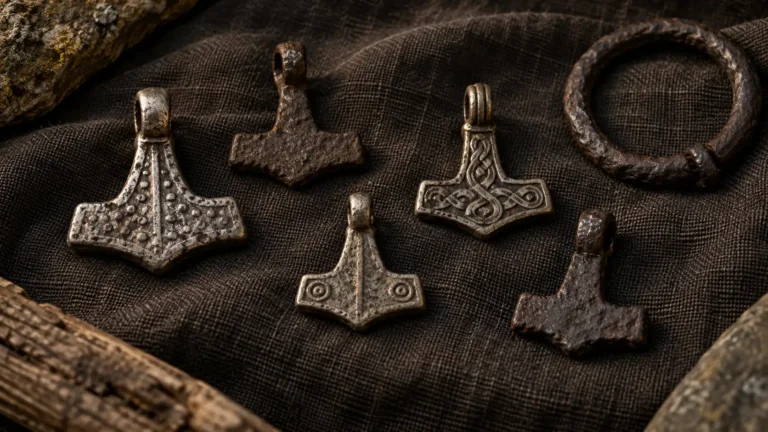
Featured image: Curiosmos illustration created for this report from the cited archaeological research.
For a wider look at how ancient texts and objects are read in place, see our reports on Roman writing tablets from ancient Belgium and iron objects made from meteoritic metal.