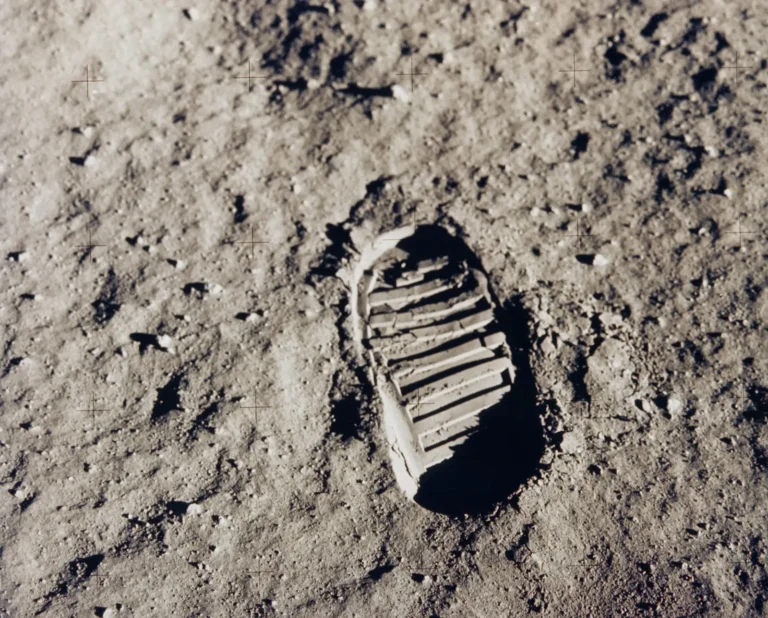
Moon dust looks soft in photographs, but it is a difficult material for machines and people. The grains are sharp, abrasive and electrically clingy. NASA engineers at Johnson Space Center are using a dedicated test facility to find out how tools, joints and spacesuits will cope with it before Artemis astronauts return to the lunar surface.
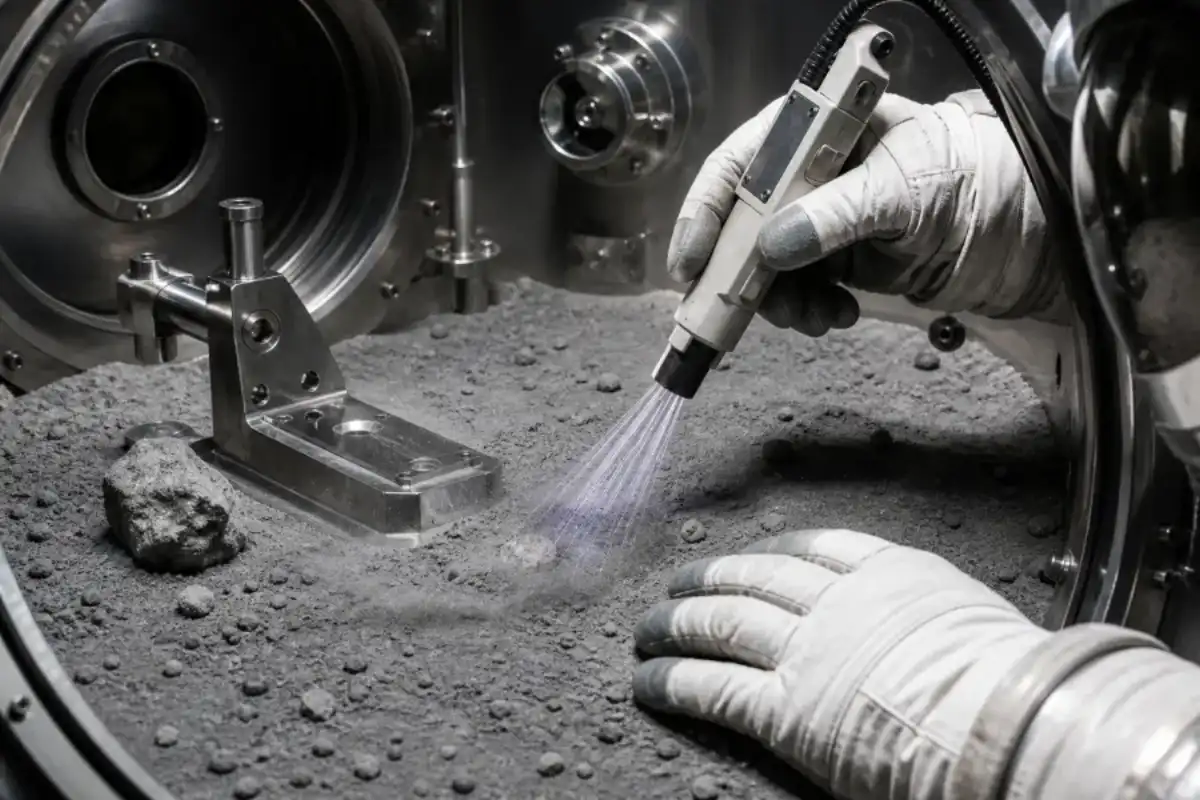
The Lunar Development and Test Facility recreates parts of the Moon’s environment inside vacuum chambers. Engineers use lunar regolith simulant to test hardware under low pressure, with dust containment and preparation systems that allow experiments to be repeated without spreading particles through the building.
Why lunar dust is not ordinary sand
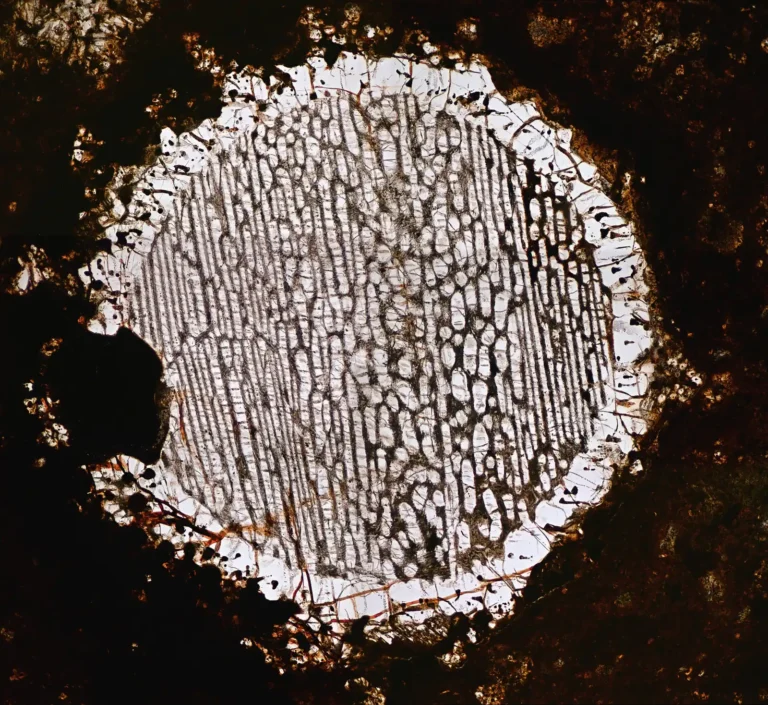
Earth’s sand is rounded and weathered by wind and water. Lunar soil has no atmosphere or running water to smooth its edges. Many grains are jagged, and some carry electrostatic charges that make them cling to surfaces and spacesuits.
That combination can scratch seals, work into moving joints and coat cameras or radiators. Dust on a spacesuit can also become a health problem if it enters a cabin. Apollo astronauts reported the smell and irritation of lunar dust, and future missions will spend more time working on the surface.
What the facility can reproduce
The facility includes a three-foot cube vacuum chamber and a larger 15-foot thermal-vacuum chamber. Inside, engineers can expose test hardware to a controlled environment and use regolith simulant to examine how parts behave when dust is introduced.
One of the tools being tested is a handheld electrostatic dust-mitigation device. Rather than brushing dust away and creating another cloud, electrostatic methods aim to move particles from a surface into a collection system. The same principle could help clean spacesuit fabrics, instrument windows or equipment stored near a lander.
Testing also extends to systems that use lunar soil as a resource. NASA is studying ways to extract oxygen from regolith, which could eventually support astronauts or provide oxidiser for rocket propellant. Those processes need reliable handling of a material that is chemically and mechanically unlike soil on Earth.
Why this matters before astronauts return
Artemis hardware has to survive more than a single landing. NASA wants astronauts to live and work on the Moon for longer periods, which means tools need to be serviced, seals need to keep working and dust controls need to be practical for daily use.
A test chamber cannot capture every detail of the lunar surface. It can, however, expose weak points before they are carrying a crew. Engineers can change a joint, a filter or a cleaning tool in Houston; they cannot make that repair easily once a mission is operating hundreds of thousands of kilometres away.
The path back to the Moon depends on launch vehicles and landers, but it also depends on small engineering problems like dust. Solving those problems in a controlled room may be one of the least visible parts of Artemis—and one of the most important.
Researchers cannot bring a bucket of lunar soil into the chamber, so the simulant has to be chosen for the question being tested. One material may reproduce the grain size needed for an abrasion test; another may be better for studying how dust moves through a filter. No simulant copies every property of regolith collected on the Moon, which is why engineers compare results across several materials and test conditions.
The work also forces designers to think about maintenance. A lander can arrive with a clean mechanism, but repeated trips across the surface will add dust to boots, tools and equipment. If a seal begins to leak or a radiator loses efficiency, the crew needs a way to diagnose and manage the problem without a workshop nearby. Vacuum testing cannot remove that risk, but it can expose the weak points while they are still within reach of an engineer’s bench.
The engineering problem sits alongside the Moon’s geology; Curiosmos has covered what instruments can reveal beneath the lunar surface.