A supersonic aircraft does not need to be silent to change aviation. It needs to be quiet enough that people on the ground do not experience every overflight as a shock. That is the problem NASA’s X-59 is built to study.
The experimental aircraft is the centrepiece of NASA’s Quesst mission, an attempt to replace the familiar explosive crack of a sonic boom with something closer to a soft thump. The aircraft will fly faster than sound, but its shape is designed to spread the shock waves along the fuselage instead of allowing them to merge into one sharp blast.
Why supersonic flight is restricted over land
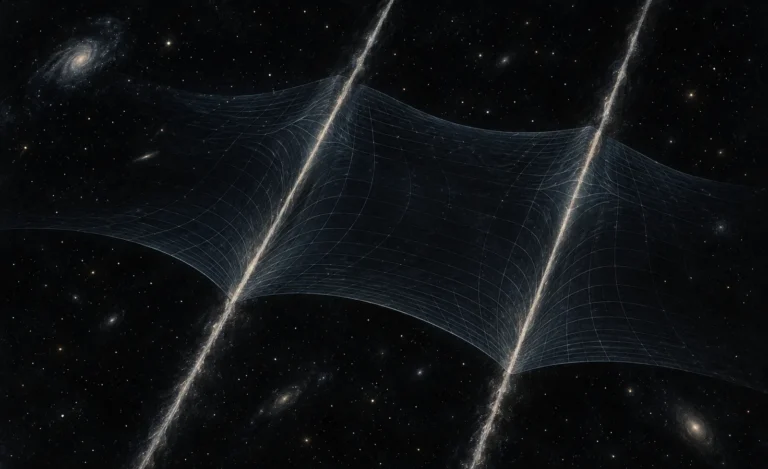
When an aircraft travels faster than sound, pressure waves cannot move ahead of it. They pile up into shock waves that spread outward in a cone. Anyone beneath the flight path can hear those waves as a sudden boom, even when the aircraft is far overhead.
The noise is more than an annoyance. Repeated booms can rattle windows, disturb communities and create political opposition to supersonic routes. That is why civil supersonic aircraft have generally been restricted from flying faster than sound over populated land. The rule is simple because the sound is difficult to regulate by aircraft type alone.
NASA’s approach is to change the sound at its source. X-59’s long, narrow nose and carefully arranged lifting surfaces are intended to keep the shock waves from joining into one strong pressure jump. On the ground, the result should be a series of quieter arrivals rather than one explosive event.
The test measures how the aircraft’s shape changes the sound that reaches people on the ground
Engineers can measure pressure waves with instruments, but regulators also need to know how people experience the sound. NASA plans to fly the X-59 over selected communities and collect responses from residents. The aircraft’s measured signature will be compared with what people actually hear and feel.
That human data is central to Quesst. A sonic thump that looks small on a graph may still be disruptive in a quiet neighbourhood. Another sound may be noticeable but acceptable if it does not resemble an explosion. The goal is to give regulators evidence for future standards based on sound level rather than a blanket ban on speed.
What “quiet” means here
Quiet does not mean that the X-59 will make no sound. A supersonic shock wave is a physical consequence of crossing the sound barrier. NASA is trying to shape and reduce it, not pretend it can be removed.
That distinction matters because the project is an experiment, not a promise that commercial supersonic travel is about to return. The X-59 carries one pilot and is designed to demonstrate a low-boom signature. Airlines would still need new aircraft, new routes, airport infrastructure and rules for emissions, safety and noise.
The aircraft also has to prove that its aerodynamic solution works outside a laboratory. Turbulence, weather and changes in flight path can alter what reaches the ground. NASA’s test programme is meant to measure those variations rather than rely on a single idealised flight.
A different kind of speed limit
For decades, the practical rule has been that supersonic flight over land is too loud. If Quesst succeeds, the rule could become more precise: aircraft would be allowed to fly faster than sound when their measured ground signature stays below an agreed threshold.
That would not make every route possible. It would give aircraft designers a target and regulators a common yardstick. The change would be less about breaking the sound barrier than about changing what happens after the aircraft has already crossed it.
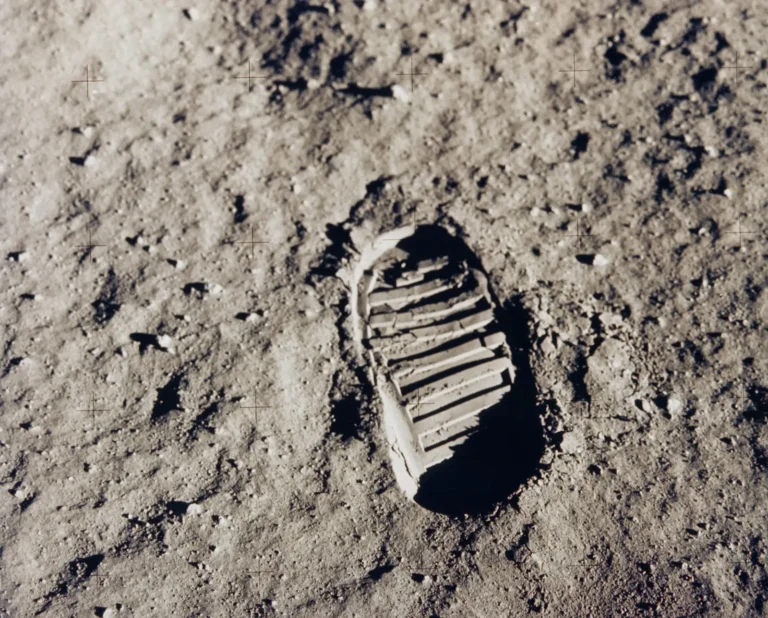
Curiosmos has covered the engineering challenges behind future exploration hardware, including the lunar dust problem facing Artemis hardware. X-59 belongs to the same broad tradition of practical science: take a problem that seems fixed, isolate the physics, build a test vehicle and measure what happens in the real world.
What happens next
The decisive evidence will come from flight tests and community responses. NASA will compare the aircraft’s measured pressure waves with the sound heard on the ground, then publish the data for regulators and researchers. If the results are convincing, future aircraft could be designed around a sound limit rather than an absolute speed limit.
The X-59 is therefore not simply a faster plane. It is a test of whether engineering can change the social bargain that ended routine supersonic travel over land. The aircraft’s most important measurement may be the one people make when they hear it pass overhead.