What is a megalith? The word comes from Greek roots meaning “large stone,” and archaeologists use it for monuments built with large stones or substantial stone settings. That definition is broad on purpose. A standing stone, a chambered tomb, a stone circle and a massive temple wall can all be called megalithic, even though they were built in different places and periods for different reasons.
There was no single megalithic civilisation and no universal blueprint. Communities in Europe, the Mediterranean, Africa, Asia and the Americas built large stone monuments using local materials and local traditions. Similar shapes do not prove that one population taught another how to build them.
Monuments can mark people, places and time
Some megaliths were tombs. Chambered monuments and passage graves contained human remains, offerings and objects associated with the dead. Others were gathering places, boundaries, platforms or ceremonial centres. A standing stone may have marked a route or territory, while a circle could have organised movement and attention during ceremonies.
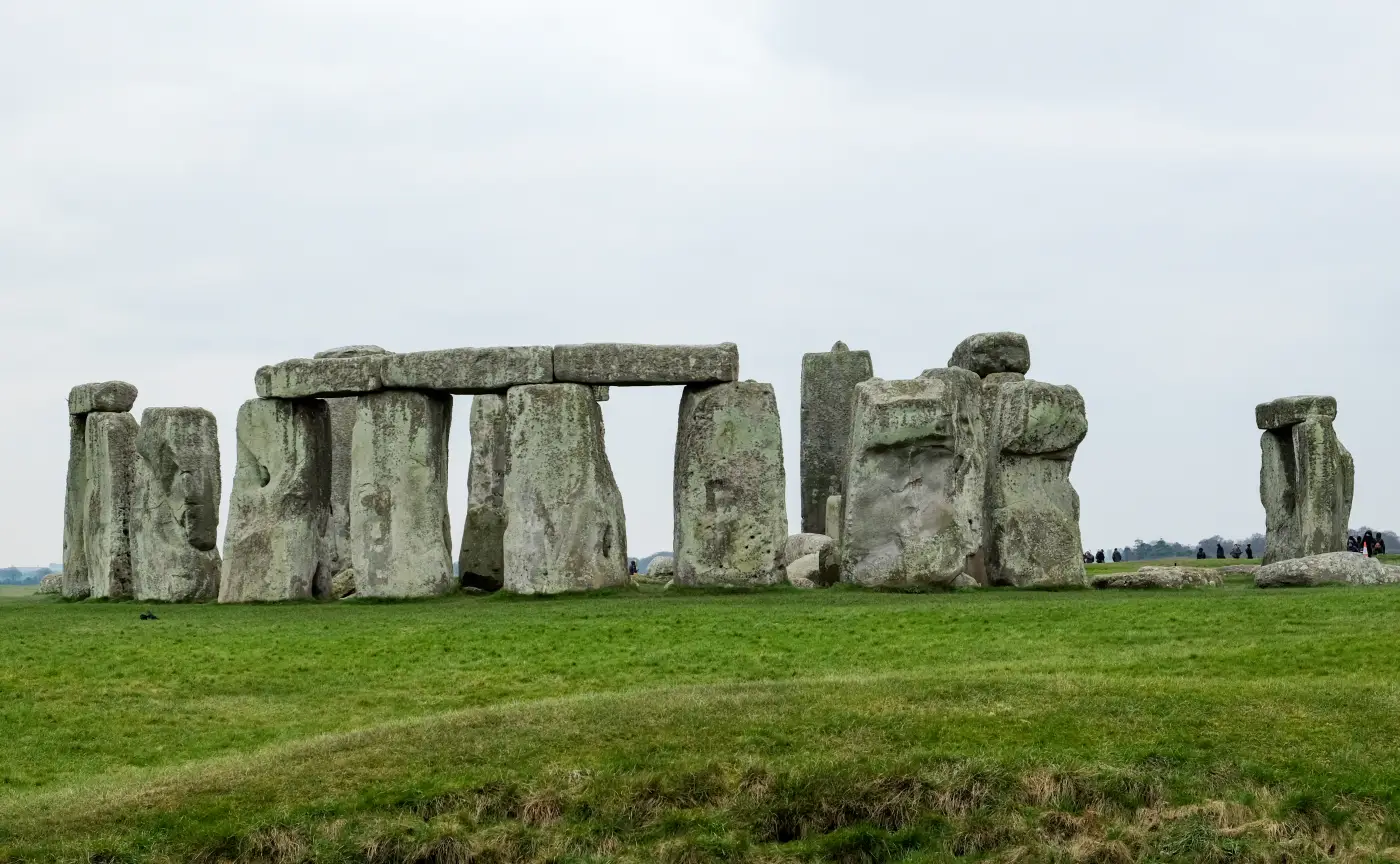
Many monuments are aligned with parts of the horizon. At Stonehenge, the positions of the stones relate to the solstices, but alignment does not reduce the monument to an ancient calendar. The same horizon could connect seasonal change with ancestors, ritual, agriculture and political authority. A practical observation and a sacred meaning could exist together.
Moving the stones was a social project
Large stones are heavy, but the engineering problem is only part of the story. Builders needed to select a quarry, shape or transport the material, prepare the ground, organise labour and feed the people involved. Ropes, rollers, sledges, timber, earth ramps and water may all have been useful, depending on the stone and terrain.
Experimental archaeology can show that a task was possible, but it cannot tell us exactly how every ancient community worked. A successful modern experiment uses tools, materials and assumptions chosen by the researchers. The archaeological evidence still has to determine which method is most plausible for a particular site.
Stone preserves construction choices
Weathering, tool marks, unfinished surfaces and fallen stones can reveal how a monument was built and changed. A site may have several phases, with stones moved, reused or buried. Later communities often treated older monuments as part of their own landscape, adding new burials or buildings nearby.
That layered history is why megaliths should not be read as frozen moments. A monument could remain important long after its original builders had gone. The people who repaired it, buried their dead beside it or told stories about it also became part of its history.
What the stones cannot answer alone
A circle of stones does not come with a surviving label explaining its purpose. Archaeologists compare its date, layout, burials, nearby settlements, food remains and astronomical relationships. Even then, several interpretations may remain possible. The most responsible explanations separate what the stones show from what researchers infer.
That uncertainty does not make the monuments less impressive. It makes them human documents that require careful reading. From Chankillo’s horizon markers to the stone circles of Britain and the massive blocks at Baalbek, megaliths show communities investing labour in places that outlasted individual lives.
One word covers many kinds of monument
Some megaliths are single standing stones. Others are tombs, stone circles, avenues, chambers or carefully aligned rows. Newgrange in Ireland, Stonehenge in Britain and the passage graves of Brittany belong to different traditions and periods. Treating them as one worldwide culture erases the local decisions that make each monument meaningful.
Quarrying and transport were achievements in their own right. Researchers study unfinished blocks, quarry marks, sledges, ramps and the position of stones to reconstruct how communities moved heavy material. Waterways may have reduced the effort, while seasonal labour could turn a building project into a social and ritual event.
Dating a monument usually requires more than dating the stone. Charcoal from a posthole, burials beside the structure, organic material trapped beneath a slab and the sequence of repairs can place construction in time. A rock may be millions of years old, but the decision to set it upright belongs to a much later human moment.
A megalith is therefore more than a big rock. It is a decision about memory, landscape and cooperation made visible in stone. The unanswered questions are part of the monument’s story, not an invitation to fill the gaps with an invented civilisation.
The range of forms is visible in Curiosmos reports on Chankillo, Göbekli Tepe and the megalithic stones of Baalbek. They are not one culture, but they all show people giving stone a lasting role in a landscape.
Sources and further reading: UNESCO: Stonehenge, Avebury and associated sites; English Heritage: Prehistoric monuments.