Approximately 100 million years ago, fierce predators, flying reptiles, and crocodile-like creatures made the Sahara the most dangerous place on Earth, according to the most extensive review in nearly 100 years of fossil vertebrates from an area of rock formations from the Cretaceous in the southeast of Morocco, known as the Kem Kem Group. The study published in the Journal ZooKeys offers a unique insight into the age of dinosaurs on the African Continent.
Sahara was dangerous
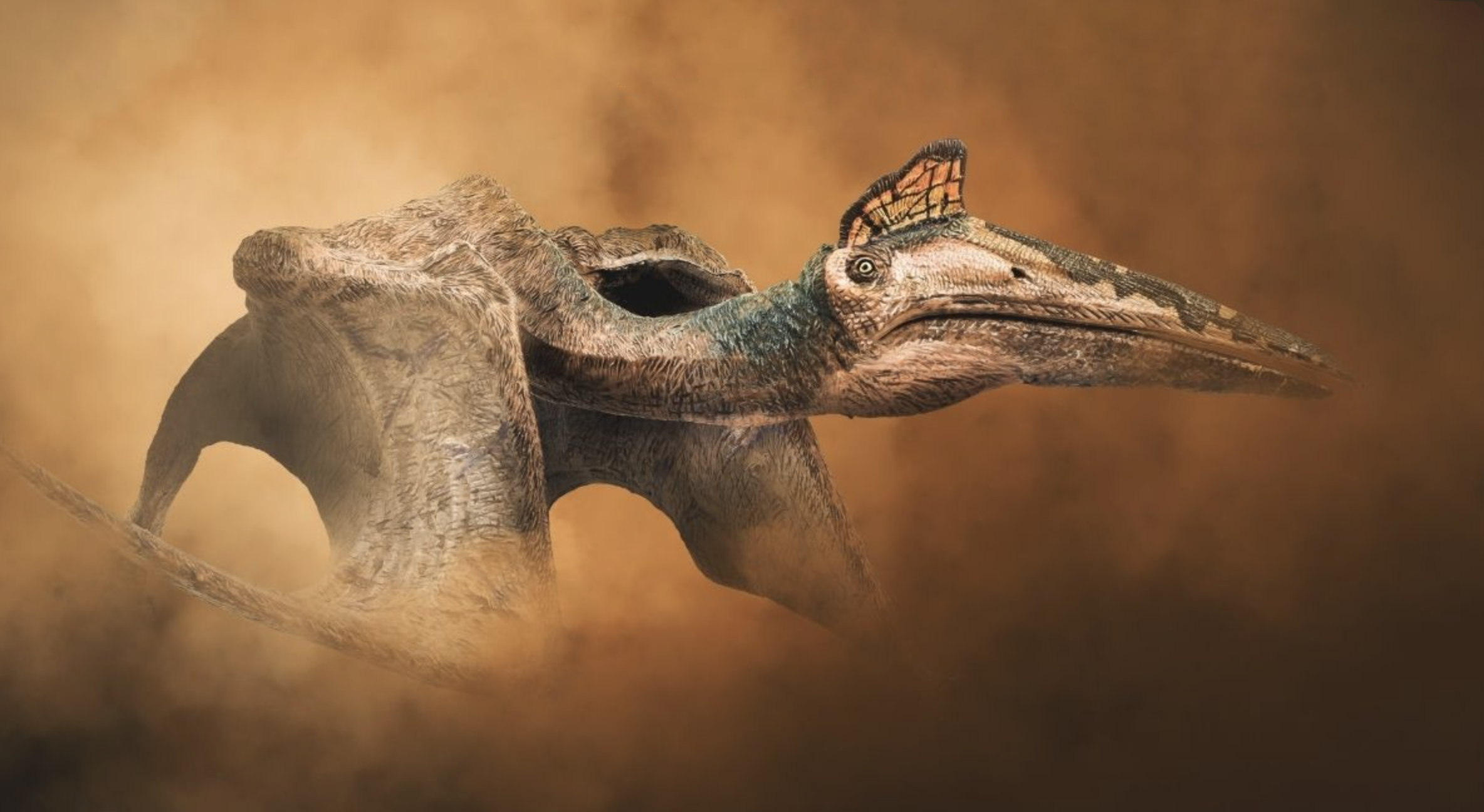
As revealed by the researchers, about 100 million years ago, the area was home to an extensive river system packed with many different aquatic and terrestrial animals. The Kem Kem Group fossils include three of the most enormous predatory dinosaurs ever known, including the saber-toothed Carcharodontosaurus (over 8 meters long with massive jaws and long, jagged teeth up to 20 centimeters long) and the Deltadromeus (about 8 meters long, a member of the raptor family with long hind limbs and unusually thin for their size), as well as several predatory flying reptiles (pterosaurs). “This was possibly the most dangerous place in the history of planet Earth, a place where a human time traveler would not last long,” explained lead author Dr. Nizar Ibrahim, an Assistant Professor of Biology at the University of Detroit.
Many of the ancient predators relied on an abundant supply of fish, revealed co-author Professor David Martill of the University of Portsmouth.”This place was filled with absolutely enormous fish, including giant coelacanths and lungfish. The coelacanth, for example, is probably four or even five times large than today’s coelacanth. An enormous freshwater saw shark called Onchopristis has the most fearsome of rostral teeth. They are like barbed daggers but beautifully shiny,” Professor Martill revealed.
Researchers from the universities of Detroit, Chicago, Montana, Portsmouth (United Kingdom), Leicester (United Kingdom, David Unwin), Casablanca (Morocco), and McGill (Canada), as well as the Museum of Natural History in Paris, participated in producing this unique detailed and fully illustrated account of the fossil-rich escarpment, previously identified among experts as the “Kem Kem beds.” The scientists now describe this sedimentary package as the Kem Kem Group, which consists of two specific formations, the Gara Sbaa Formation and the Douira Formation.
To assemble the vast data sets and fossil images initially included in his doctoral thesis, Dr. Ibrahim visited Kem Kem collections on various continents. According to professor Martill, heading light on Africa’s ancient past is very important. “This is the most comprehensive work on fossil vertebrates from the Sahara in almost a century since the famous German paleontologist Ernst Freiherr Stromer von Reichenbach published his last major work in 1936.”
Vally of Whales
Another treasure trove of ancient fossils is located in an ancient Egyptian desert, once thought to have been home to a vast ocean. Today, this place known as Wadi El Hitan or the Valley of Whales guards the secrets of one of the most remarkable transformations in the evolution of life on Earth. The valley is located around 160 kilometers southwest of Egypt’s famous pyramids. Wadi El Hitan is home to fossils of some of the most ancient forms of whales known as the archaeoceti (a now-extinct sub-order of whales). The site is so important that scientists argue the site reveals evidence for the history of one of the greatest mysteries in the evolution of whales: the species’ appearance as an ocean-going mammal from a previous life as a land-based animal.

Join the discussion and participate in awesome giveaways in our mobile Telegram group. Join Curiosmos on Telegram Today. t.me/Curiosmos