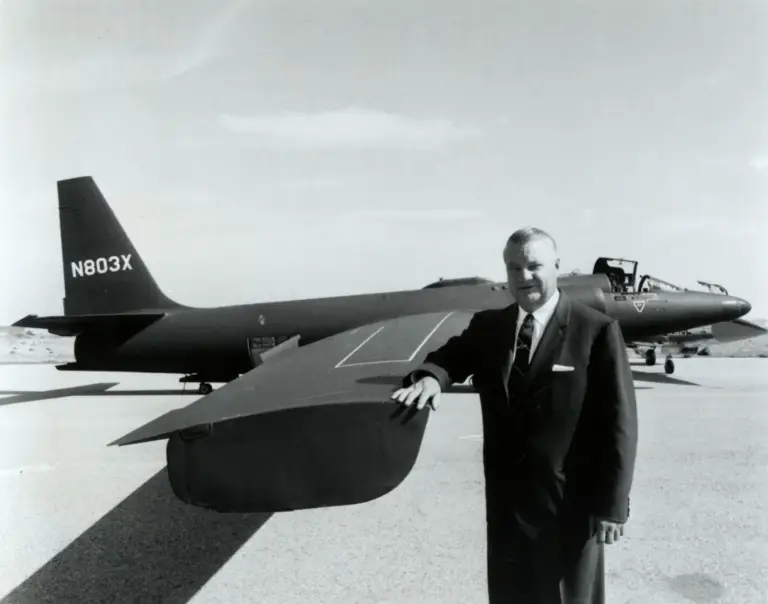
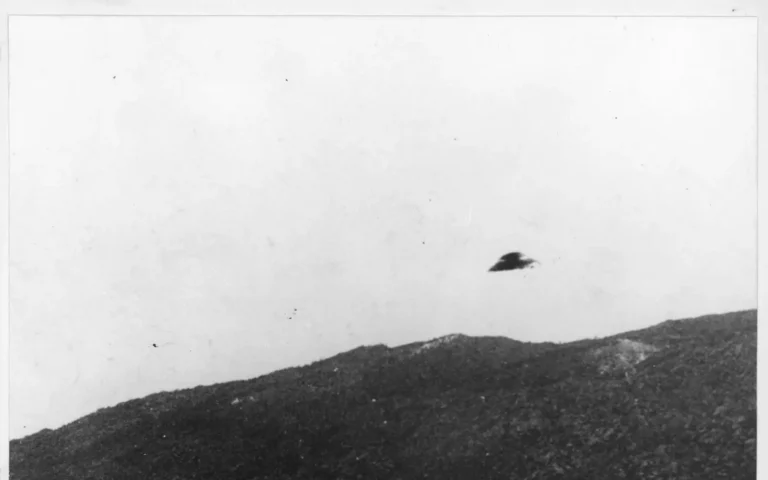
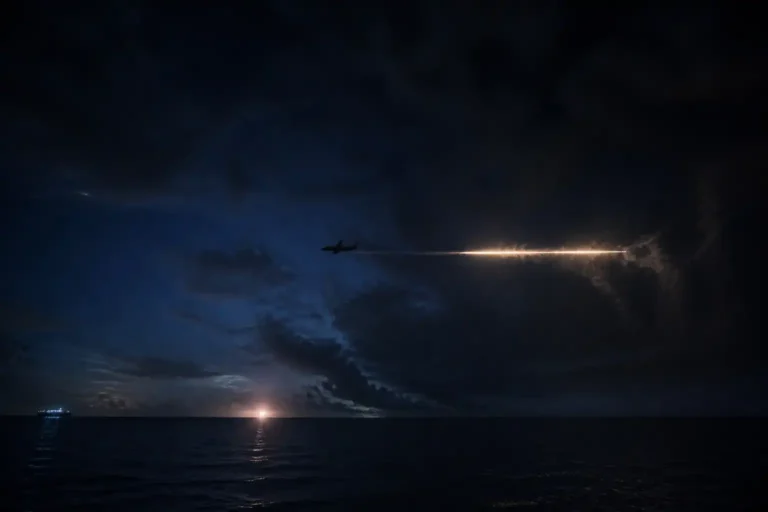
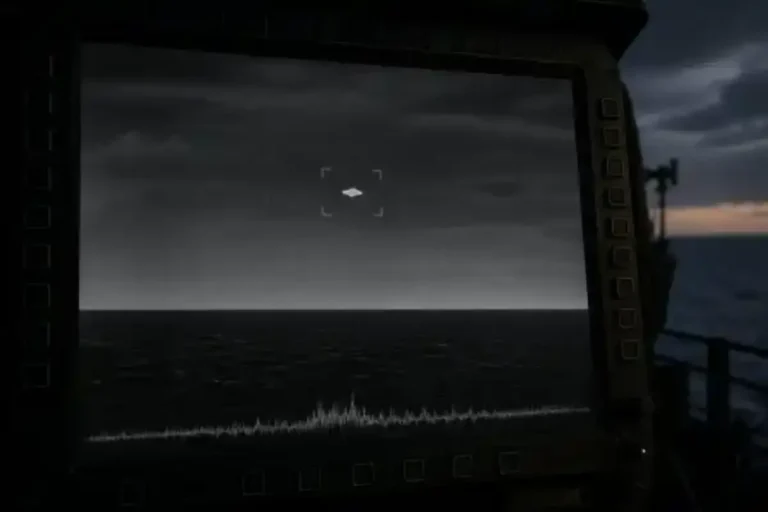
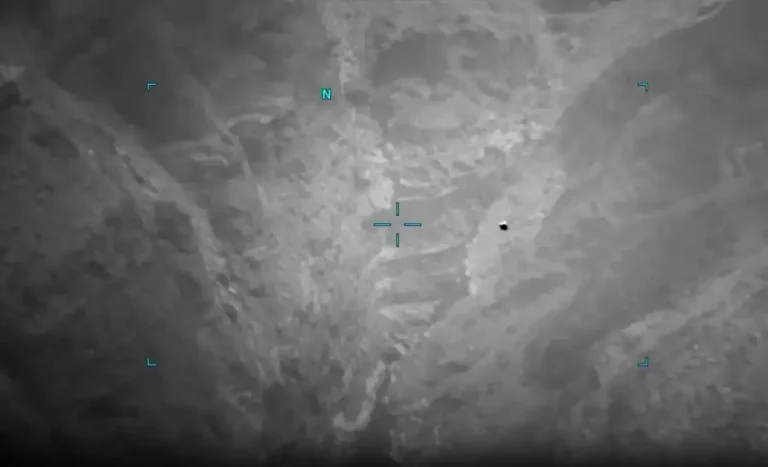
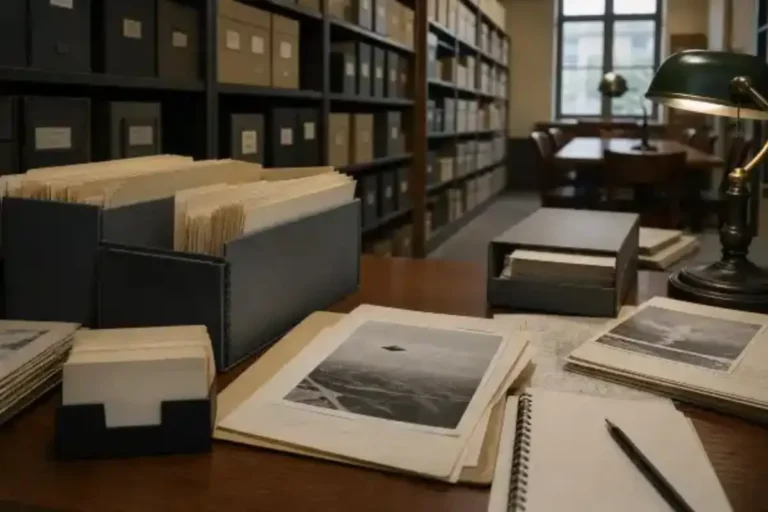
Newly released Pentagon files include Lockheed legend Kelly Johnson's 1953 sighting of a dark object over California, backed by a flight crew offshore. The Air Force filed it as a lenticular cloud.
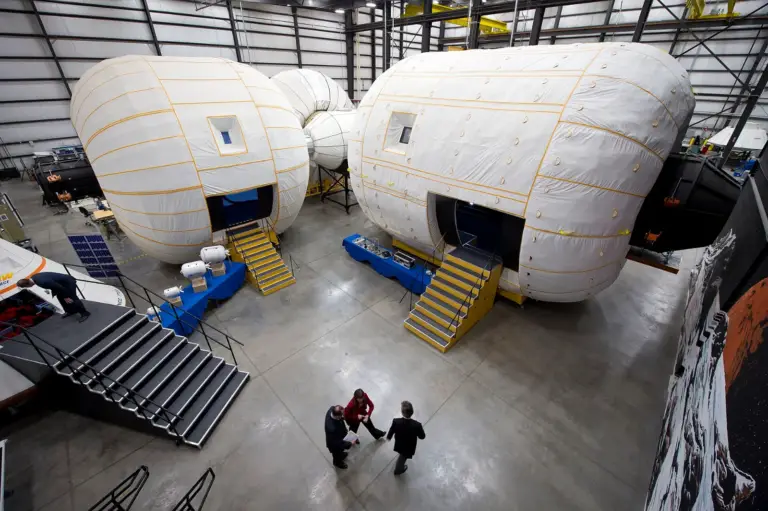
A 2009 Bigelow report in the Pentagon's eighth UAP release describes a buried, camouflaged vault for "exotic material or tissue". There is no record it was ever built.
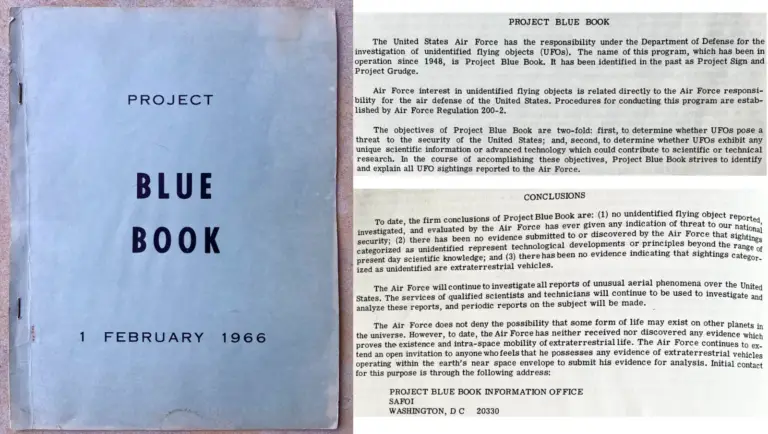
A running record of every major official UFO and UAP disclosure since 1947, from Project Blue Book to the Pentagon’s 2026 file releases, with dates and links to the original documents.
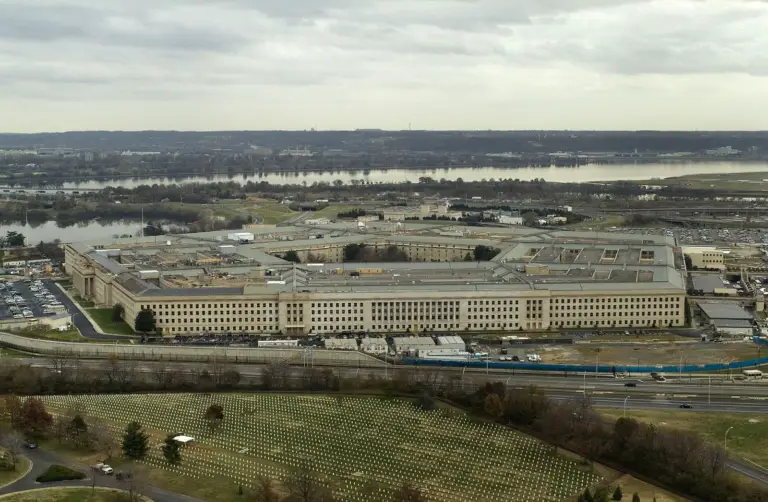
The latest batch adds 40 documents and three Middle East videos. One radar record from 2023 shows detections at 55,000 to 70,000 feet that, if made by one object, imply a speed of about 1,650 mph.
Weinstein describes alleged approaches about preparing the public for UFO disclosure. A 2022 request log shows the subject has a longer public history.
Greer’s June 2026 letter set an August deadline and described a proposed evidence effort. The document distinguishes promises from material actually supplied.
Matthew Brown connects alleged UFO programmes with consciousness and inherited abilities. His interview mixes reported accounts with his own speculation.
Mario Woods and Michael Johnson revisit a claimed 1977 encounter. Their reunion offers a chance to compare recollections, early statements and surviving records.
The former Air Force intelligence officer described a retrieval video showing "three or four" bodies and passed on colleagues' claims about seven-foot reptilian beings. None of it has been released.
Witnesses describe glowing objects that seemed to breathe or communicate. Their accounts raise questions about appearance, plasma and how another encounter could be recorded.
Is alien disclosure in 2027 a real timetable? We trace the claim, compare it with UAP records and explain what evidence would actually confirm non-human intelligence.
Avi Loeb has proposed a laser-plasma hypothesis for some Tic-Tac UAP reports. The physics is real, but the evidence does not solve the 2004 Nimitz case.
A new report about alleged UAP recoveries near White Sands is circulating because it makes a testable promise. If fragments or intact objects were actually recovered, researchers could study the…
The fifth U.S. UAP release adds witness testimony to the public record. The documents do not identify what produced the sightings, but they show what was reported, what details can…
Avi Loeb’s latest UAP essay asks whether some unresolved objects might be classified aircraft—or technology no government has publicly acknowledged. The distinction matters because the same sighting can look like…
Most UAP videos show brightness and apparent motion, but very few establish how far the object was from the camera. That missing measurement is why a dramatic clip can suggest…
AARO's June release includes FBI-linked UAP files describing two red lights, a changing luminous sphere and a hovering light. Here is what the records establish—and what they leave unanswered.
The word “unidentified” sounds stronger than it is. In a serious investigation, it usually means that the available information does not yet identify an object. It does not mean that…
The most consequential part of the new UAP disclosure debate may not be a video. It may be a sentence in a memo: current and former government personnel are being…
KONA BLUE sounds like the name of a completed retrieval operation. AARO’s own record is narrower: it describes a proposed sensitive program that was never approved or formally established. The…
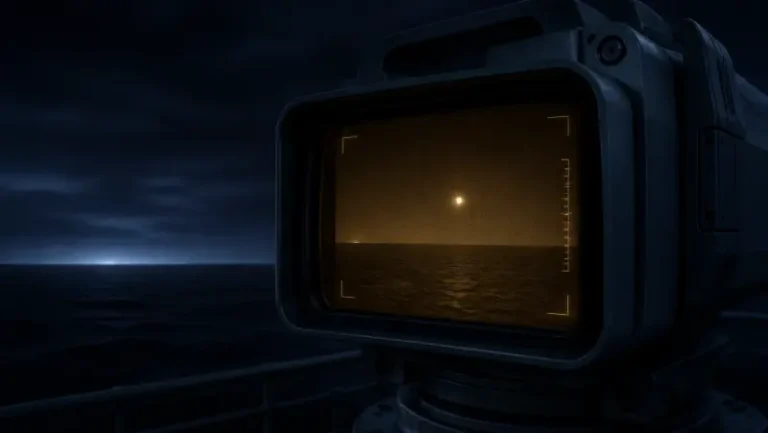
The fourth U.S. UAP release includes a 2-minute-57-second infrared video recorded by a military platform in 1996. The clip is attention-grabbing, but the archive record is the more important part:…
The United States’ public UAP record is not contained in one dramatic file release. It is being assembled piece by piece in the National Archives. The archive also needs to…