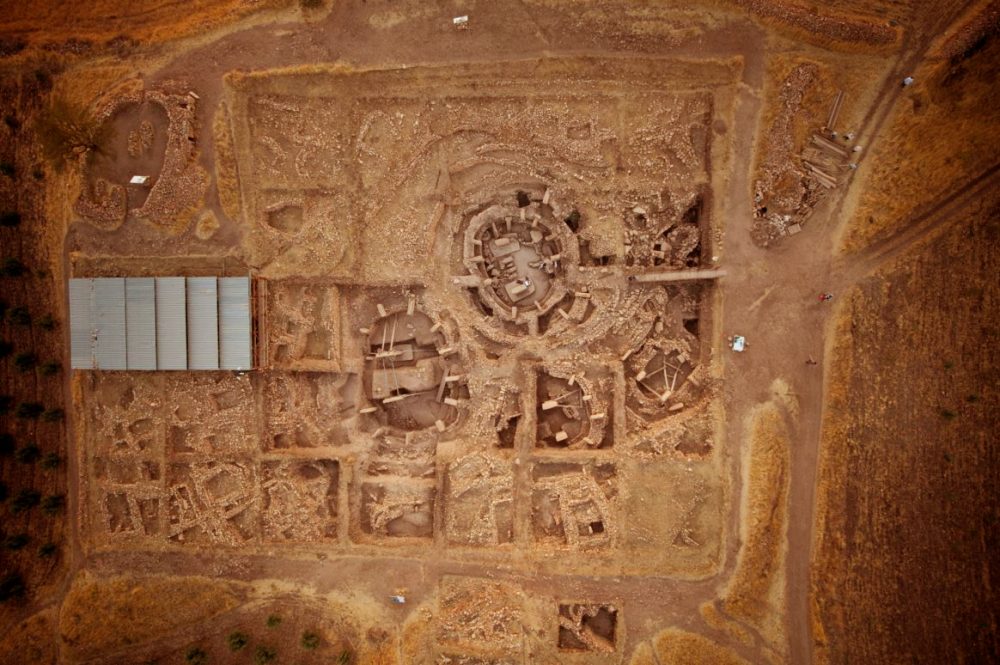
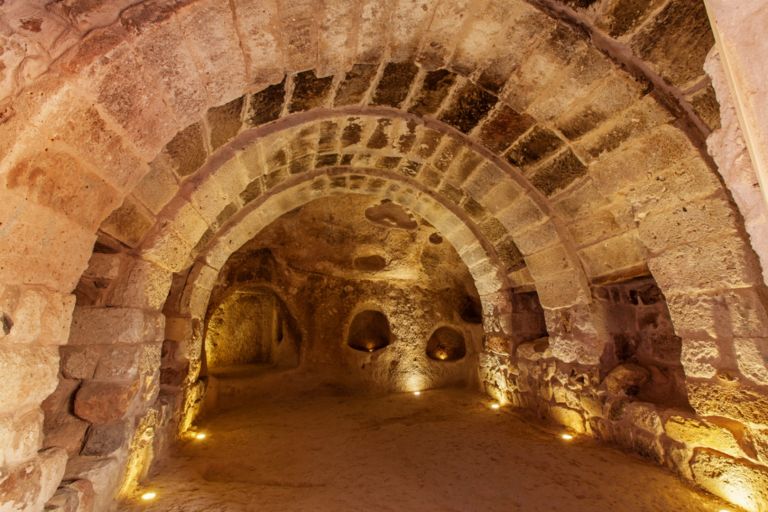
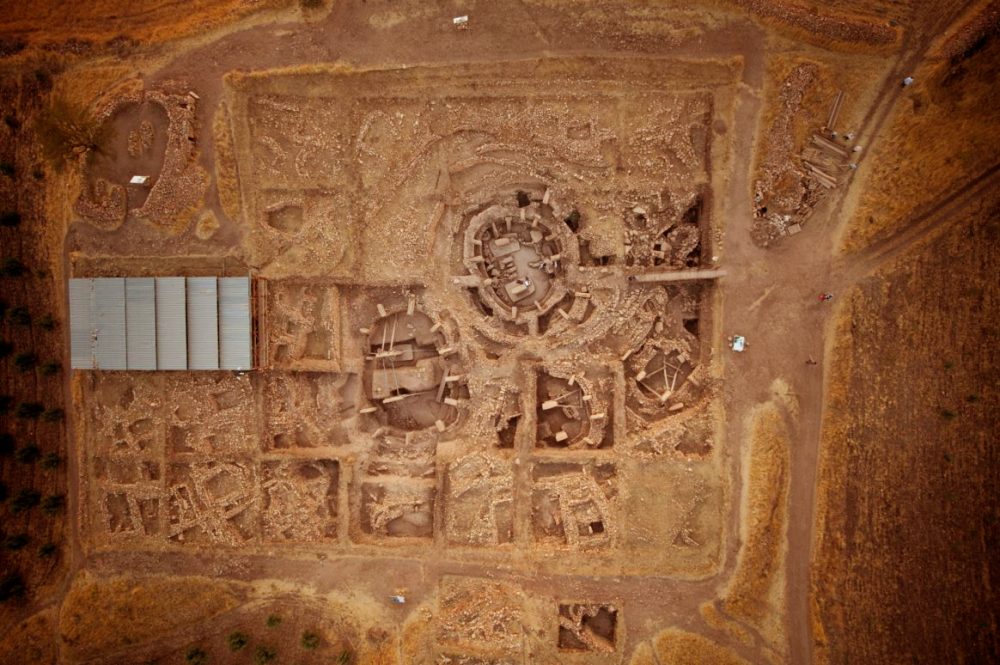
Volatile, volcanic conditions millennia ago sculpted Capadoccia’s spires, which now attract millions of visitors to hike or ride horses or fly over its stunning landscape with hot-air balloons in central Turkey. But the region offers far more than the curious shapes on its surface. In reality, beneath this alien-like surface of Cappadocia lay a wonder of equally immense proportions. An ancient city whose builders remain a mystery to experts, built into the surface and capable of housing more than 20,000 people. More than 85m below the Earth’s surface, the ancient city of Elengubu, known today as Derinkuyu, was built with as many as 18 levels of tunnels (there could be more). Over the course of thousands of years, the Phrygians, Persians, and Christians of the Byzantine era ruled over this largest excavated underground city in the world. At the end of the Greco-Turkish war, the Greeks of Cappadocia abandoned it abruptly and fled to Greece in the 1920s.
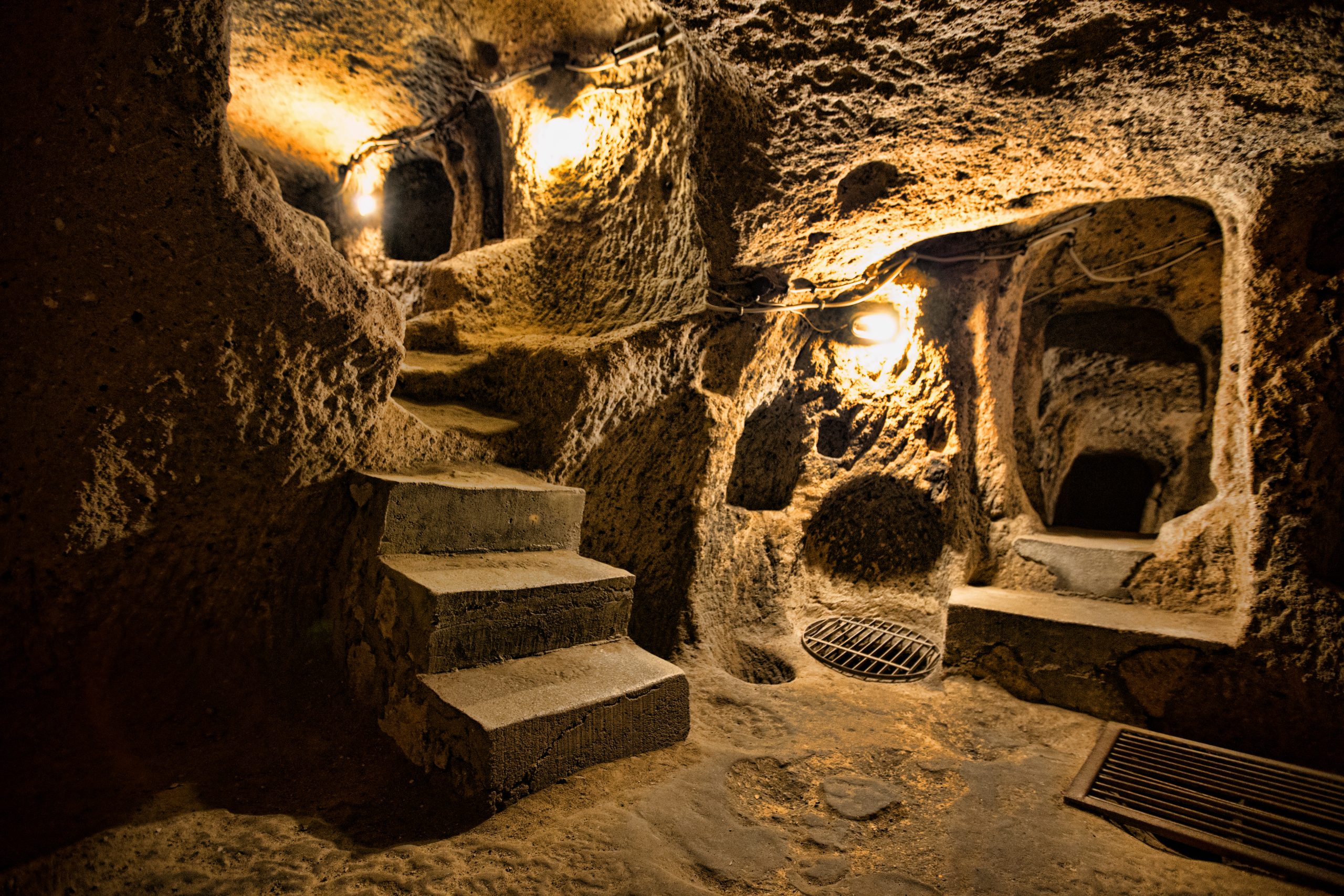
In addition to its cave-like rooms, it is believed that the more than 200 underground cities in the area may be connected to these tunnels, resulting in a vast network of subterranean tunnels. It wasn’t until 1963 that an anonymous local found Derinkuyu. In the course of remodeling his home, he noticed that his chickens had disappeared into a small opening formed during the construction. A dark passageway was discovered after the Turk dug deeper and investigated. Little did he know that he had actually found one of more than 600 entrances leading into the ancient city, found within private homes. When word got out to archaeologists, it took little time for them to organize an excavation.
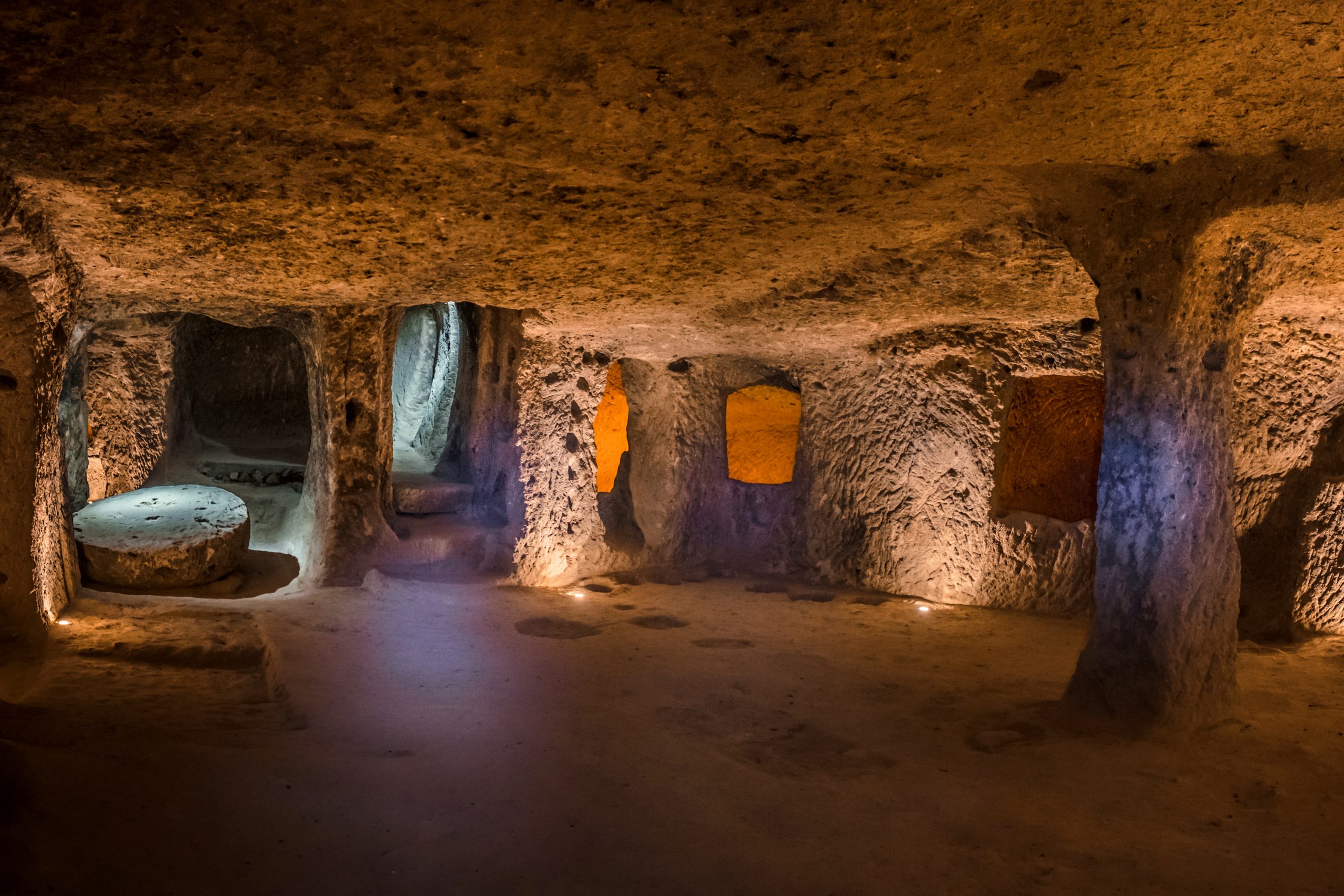
The archeologists discovered a sprawling underground network of dwellings, food storage, cattle stables, schools, wineries, and even an abandoned chapel. UNESCO listed the region as a World Heritage site in 1985. It is unknown when Derinkuyu was built, but Anabasis, written circa 370 BCE by Xenophon of Athens, seems to be the earliest work that mentions it. Rather than the more popular cave dwellings on the cliffsides of the region, he describes Anatolians living underground in excavated homes in or around Cappadocia.
Keep exploring
Continue with Curiosmos
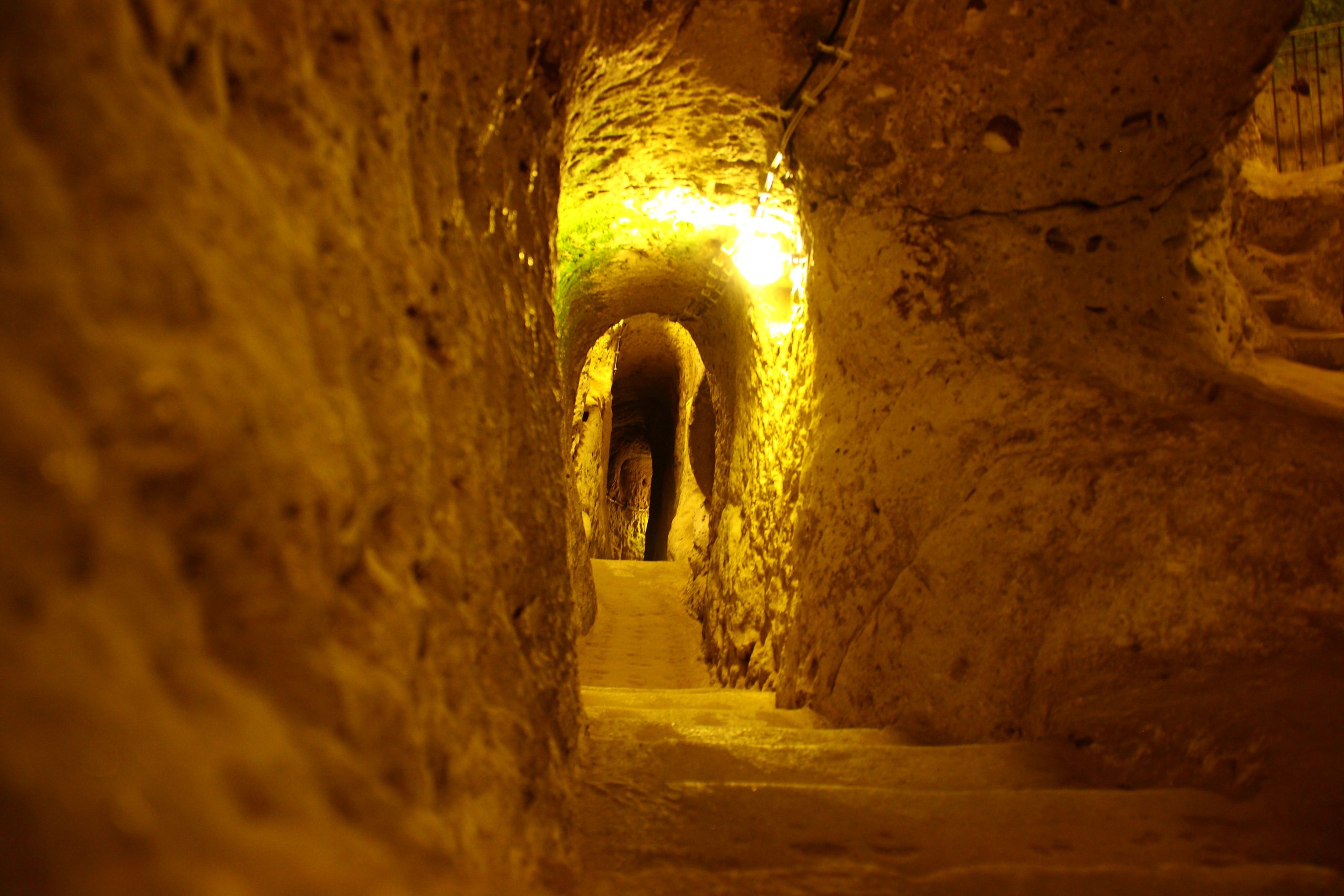
An expert in Mediterranean cave dwellings, A. Bertini, wrote in his essay on regional cave architecture that the Hittites may have excavated the first few levels in the rock when they were attacked by the Phrygians around 1200 BCE, laying the foundation for the sprawling network of subterranean caves. Derinkuyu was found to contain Hittite artifacts, adding weight to this hypothesis. Most of the city, however, probably was built by Phrygians, Iron-age architects with advanced underground construction techniques. The city’s levels were carefully designed for specific purposes. To reduce the smell and toxic gas produced by cattle, stables closest to the surface were used to house livestock. These stables also provided a blanket of living insulation during the colder months. Houses, cellars, schools, and meeting rooms made up the inner layers of the city.
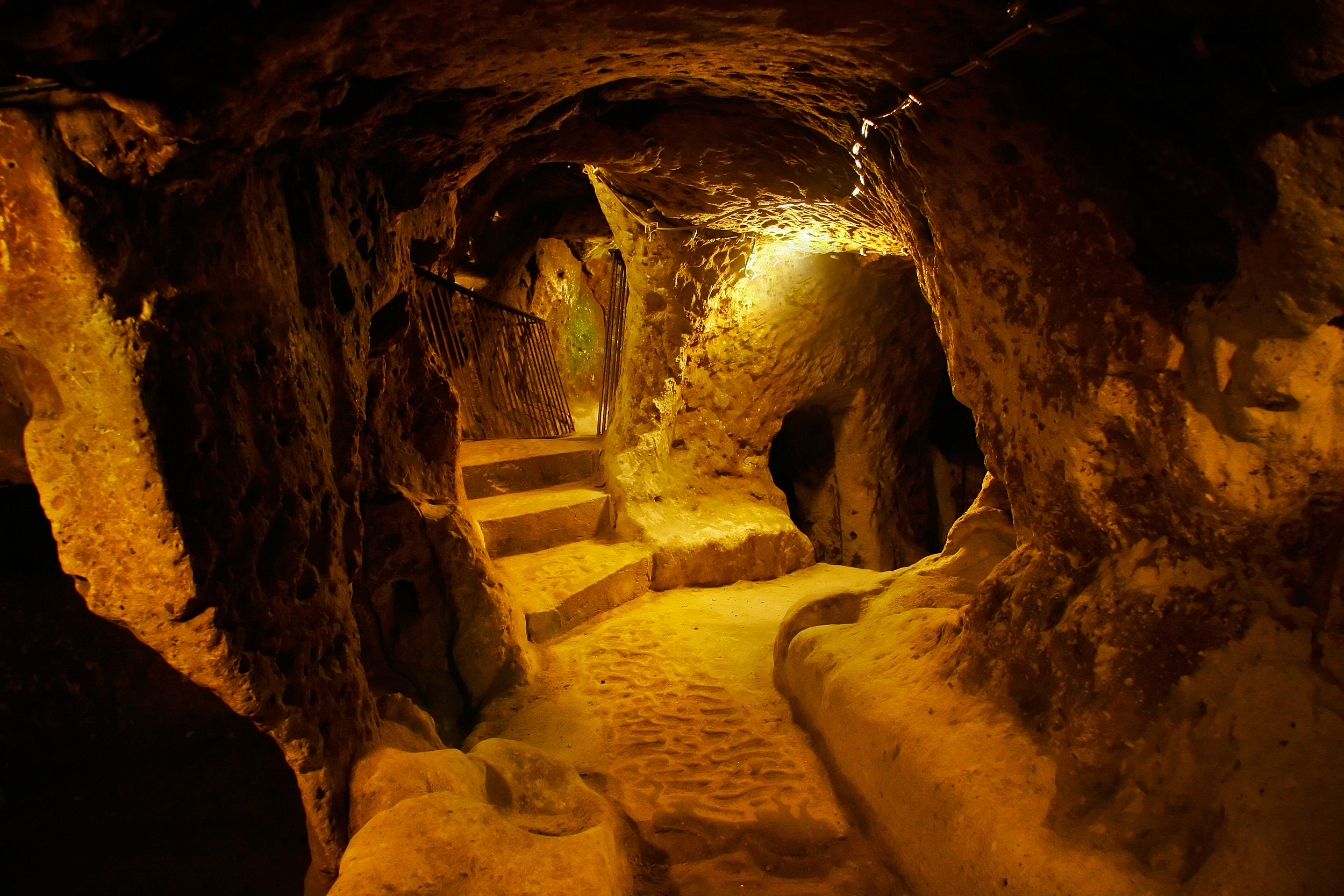
On the second floor is a traditional Byzantine missionary school with barrel-vaulted ceilings and adjacent study rooms. But there is more to this city. Archeological excavations have also revealed evidence for the production of wine, including cellars, vats for pressing, and amphoras. Having such specialized rooms indicates that people in Derinkuyu were willing to spend months underground. However, the most impressive feature of the entire city would have been the ventilation system and protected well that provided fresh air and clean water to the entire population. These two elements were thought to have been at the center of the early construction of Derinkuyu. A total of 50 ventilation shafts have been constructed throughout the city so that natural air can flow between the many homes and hallways without being interrupted.
The well providing fresh water to the inhabitants and animals living beneath the surface was dug more than 55m deep. It is true that Derinkuyu was an impressive underground city, but it isn’t the only one in Cappadocia. Among the 200 underground cities beneath the Anatolian Plains, it is just the largest at 445 square kilometers. What is perhaps even more interesting is that this ancient underground city is of great importance for the future of mankind, as it can help us better plan similar cities on distant planets and the Moon.
Join the discussion and participate in awesome giveaways in our mobile Telegram group. Join Curiosmos on Telegram Today. t.me/Curiosmos