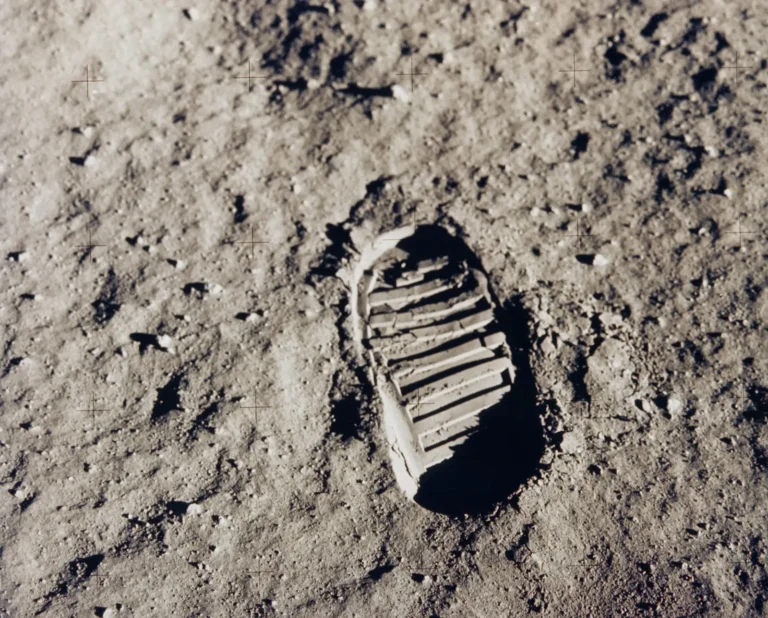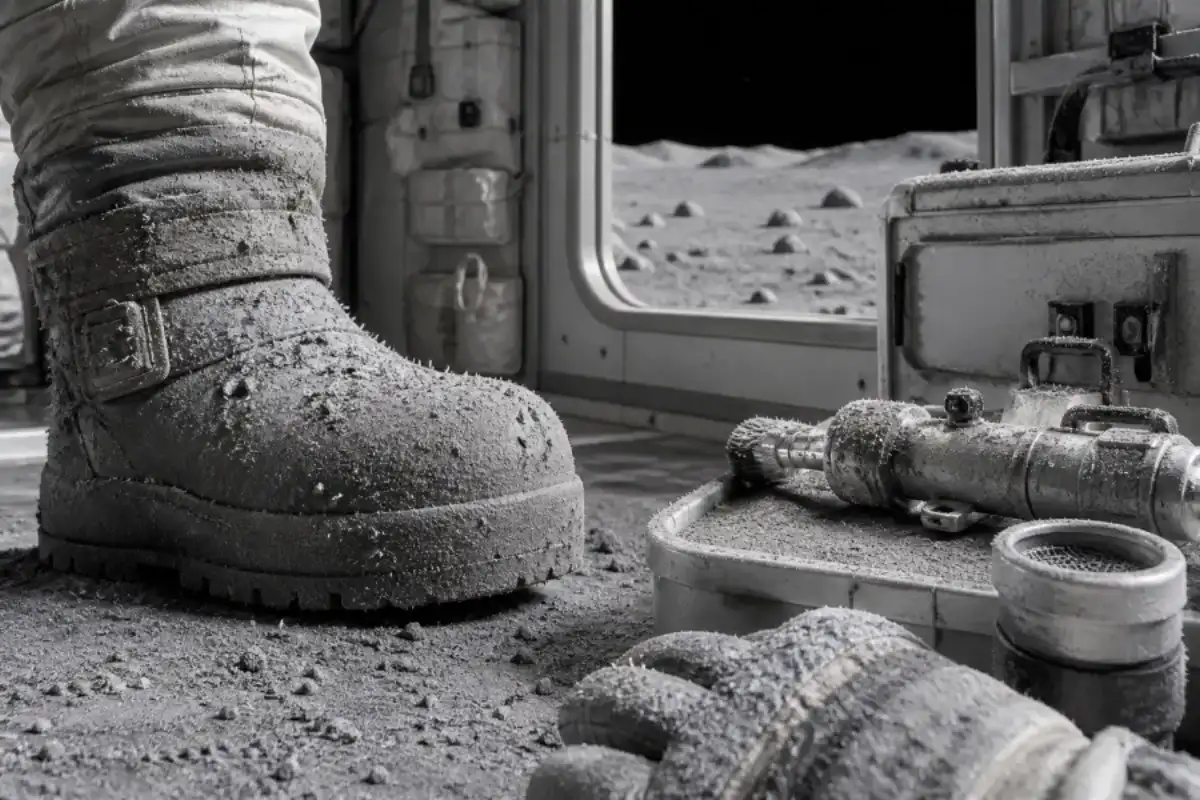
Moon dust is not just a dirtier version of sand. It is made of sharp, broken grains created by billions of years of impacts, with no wind or water to smooth their edges. The particles can scratch surfaces, work into joints and cling to spacesuits through electrostatic forces.
That makes lunar regolith a central engineering problem for Artemis. Astronauts will need to move across the surface, operate tools, enter habitats and maintain equipment. Every one of those tasks can stir dust into places where it is difficult to remove.
Why lunar grains are so abrasive
On Earth, rocks are broken down by weather, rivers and chemical reactions. Those processes gradually round the grains. The Moon has no atmosphere, flowing water or active soil cycle. Impacts break rocks into angular fragments and leave the edges relatively fresh.
The result is a powder with a wide range of grain sizes. Some particles are fine enough to float around a cabin, while larger fragments can behave like microscopic shards. The dust can damage seals, scratch lenses and reduce the life of moving parts.
Why it sticks to suits
Sunlight charges the lunar surface because the Moon has no global atmosphere to spread the electrical imbalance. The dust can cling to fabric, boots, tools and instrument surfaces. Apollo astronauts described the smell of lunar dust inside their spacecraft after bringing it back on their suits.
Electrostatic adhesion is difficult to solve with an ordinary brush. Brushing can move particles from one surface to another and create a cloud. Future missions are testing electrostatic cleaning, protective coatings, suitports and other methods that keep the dust outside a habitat.
The health concern
Breathing fine particles is a concern for any crewed surface mission. Lunar dust is chemically reactive compared with weathered Earth soil, and sharp grains could irritate lungs or eyes. Apollo crews spent relatively little time on the Moon, but Artemis plans longer stays and more frequent surface operations.
Keeping dust out of a cabin is therefore as important as keeping it away from a camera or a joint. A suit that can be cleaned before an astronaut crosses an airlock reduces the chance that particles will enter living spaces.
How engineers test the problem
NASA uses lunar regolith simulants in vacuum chambers to test tools and materials. The simulant cannot reproduce every chemical detail of the Moon, but it allows engineers to examine abrasion, adhesion and cleaning methods in a controlled environment.
The Lunar Development and Test Facility at Johnson Space Center includes chambers for vacuum and thermal testing. Engineers can expose hardware to dust while monitoring seals, joints and surfaces, then change the design before a mission launches.
Moon dust is a small material with mission-sized consequences. Solving it will not make the lunar surface comfortable, but it could determine whether astronauts can work there safely for days or weeks at a time.
Apollo showed why the problem follows astronauts home. Dust collected on suit fabric and equipment, entered the cabin when the suits came off and was difficult to remove with the tools available at the time. Crews reported irritation and the distinctive smell of the material after it was brought inside. A future base would face the same basic problem more often because astronauts would make repeated trips outside and stay on the surface longer.
Several solutions are being tested rather than treated as a single fix. A suitport could keep a suit attached to the outside of a habitat, while coatings or electrostatic systems could lift grains from exposed surfaces. Airlocks, filters and work procedures would still matter. The practical answer will probably be a series of small barriers that keep most dust outside, not a device that makes regolith disappear.
For another look beneath the lunar surface, read Curiosmos’ report on the dense structure beneath the Moon’s South Pole–Aitken Basin.