A light-year sounds as if it should measure time. It does not. A light-year is a unit of distance: the distance light travels through empty space in one year. Astronomers use it because the distances between stars and galaxies are too large for ordinary kilometers or miles to remain useful.
Light moves at 299,792 kilometers per second in a vacuum. Over a year, that adds up to about 9.46 trillion kilometers, or 5.88 trillion miles. The number is difficult to picture, but the idea becomes clearer when it is tied to familiar objects in the sky.
How far is one light-year?
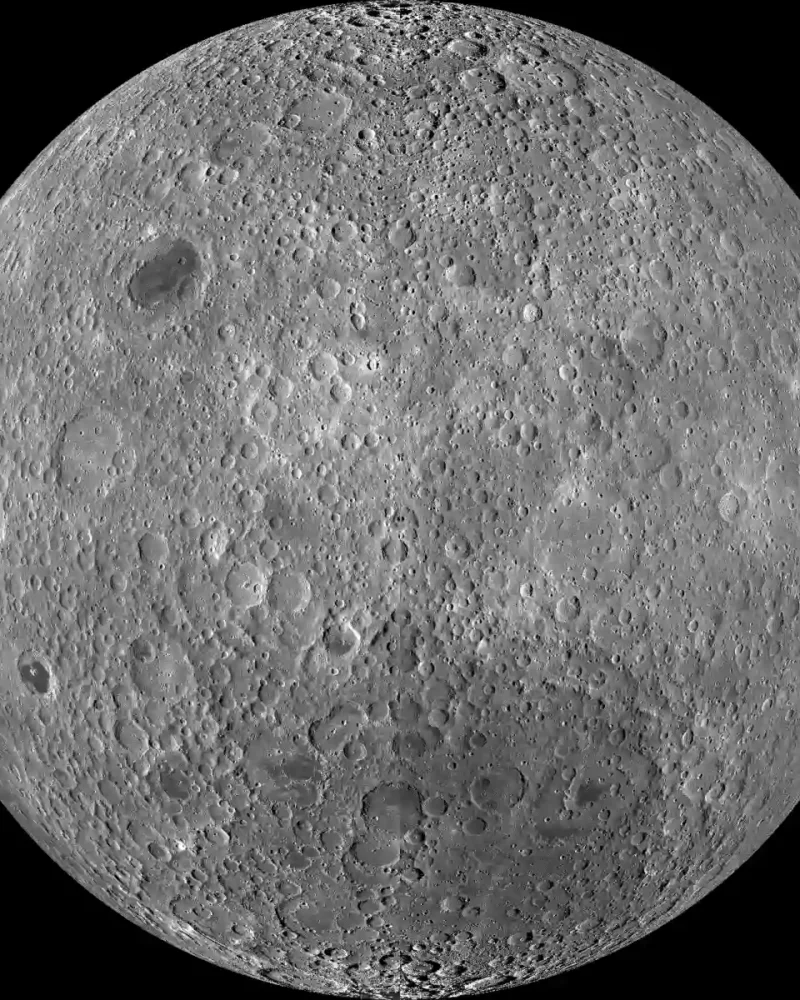
The Sun is about 150 million kilometers from Earth. Its light takes roughly eight minutes and 20 seconds to reach us, so the Sun is about eight light-minutes away. The Moon is only about 1.3 light-seconds away. These are the same idea scaled to different distances.
Keep exploring
Continue with Curiosmos
The nearest star beyond the Sun, Proxima Centauri, is about 4.24 light-years away. When a telescope detects it, the light entering the instrument left the star more than four years earlier. We never see a star exactly as it is at this instant; we see the light that has had time to cross the gap between us.
A light-year is also a look-back clock
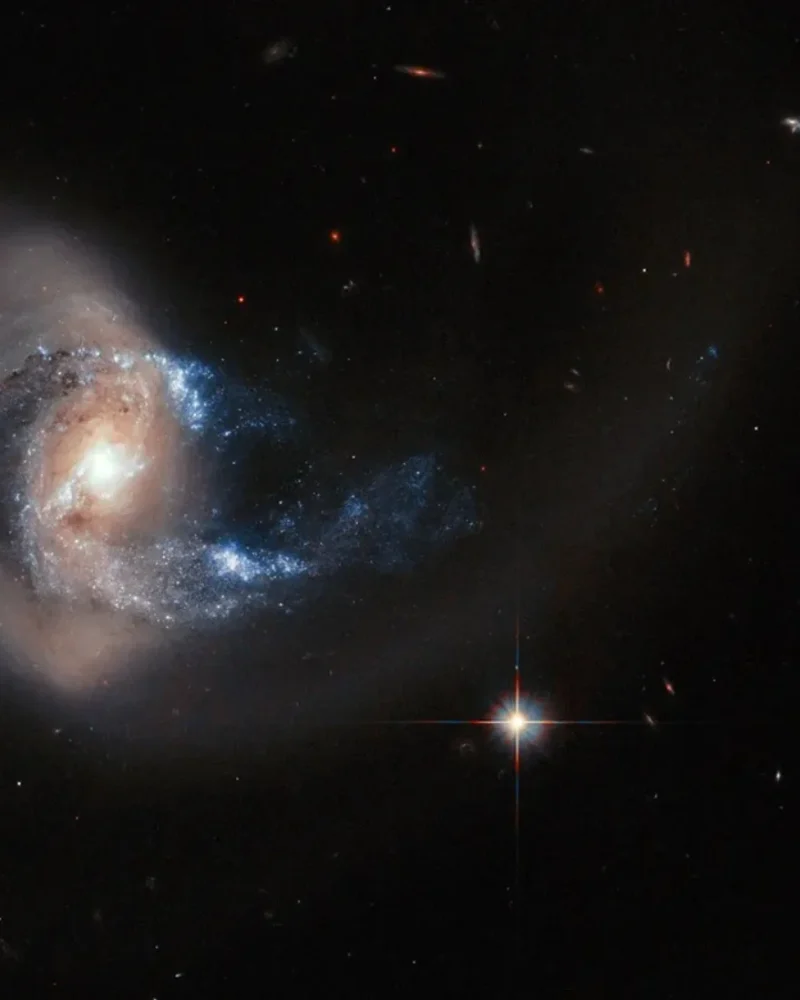
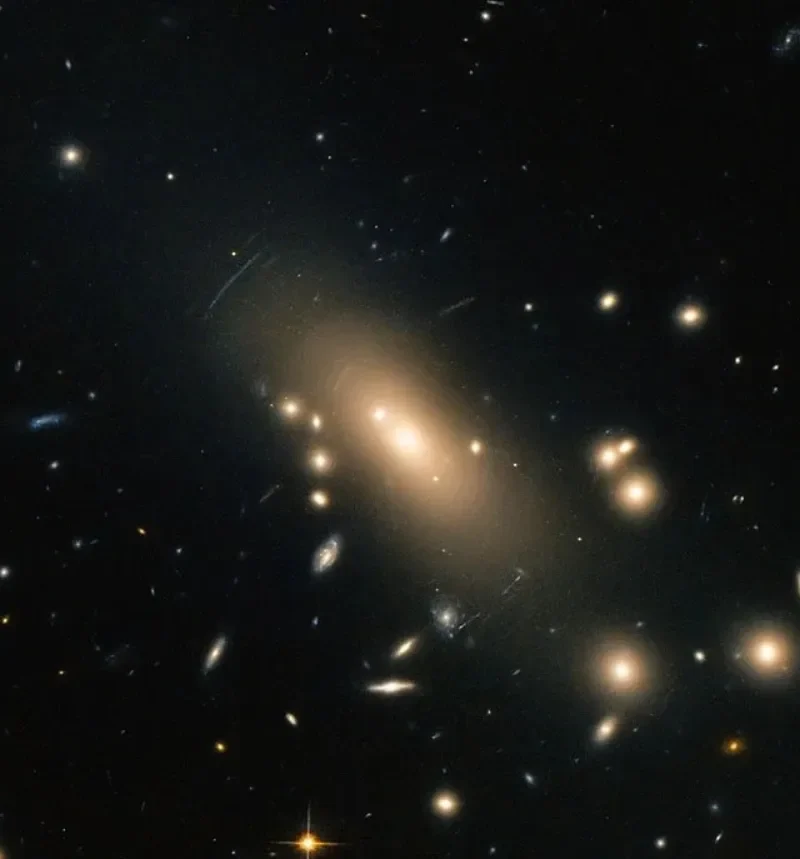
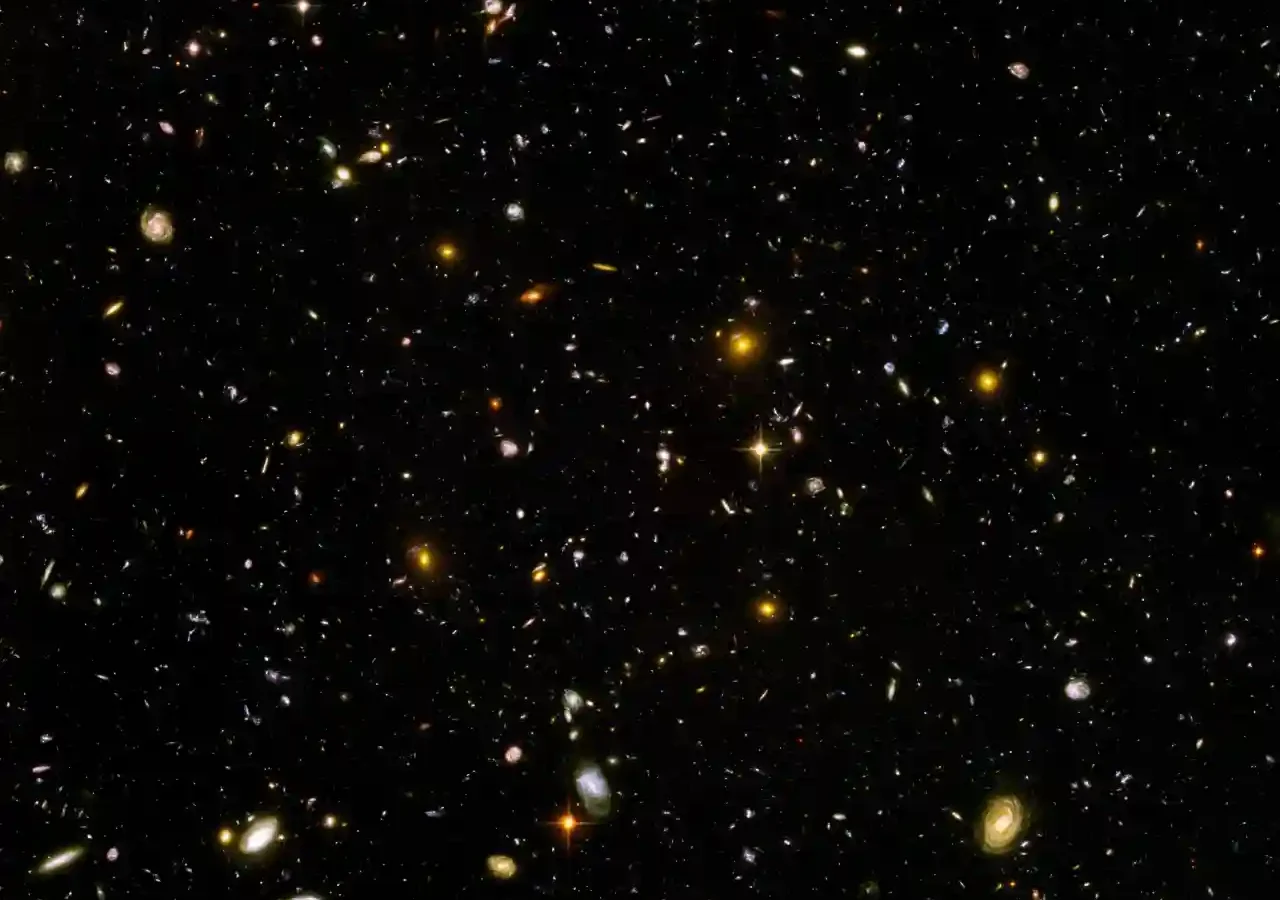
Distance and look-back time are linked because light has a finite speed. A galaxy 100 million light-years away is seen as it was 100 million years ago. A galaxy billions of light-years away is a view of a much younger universe.
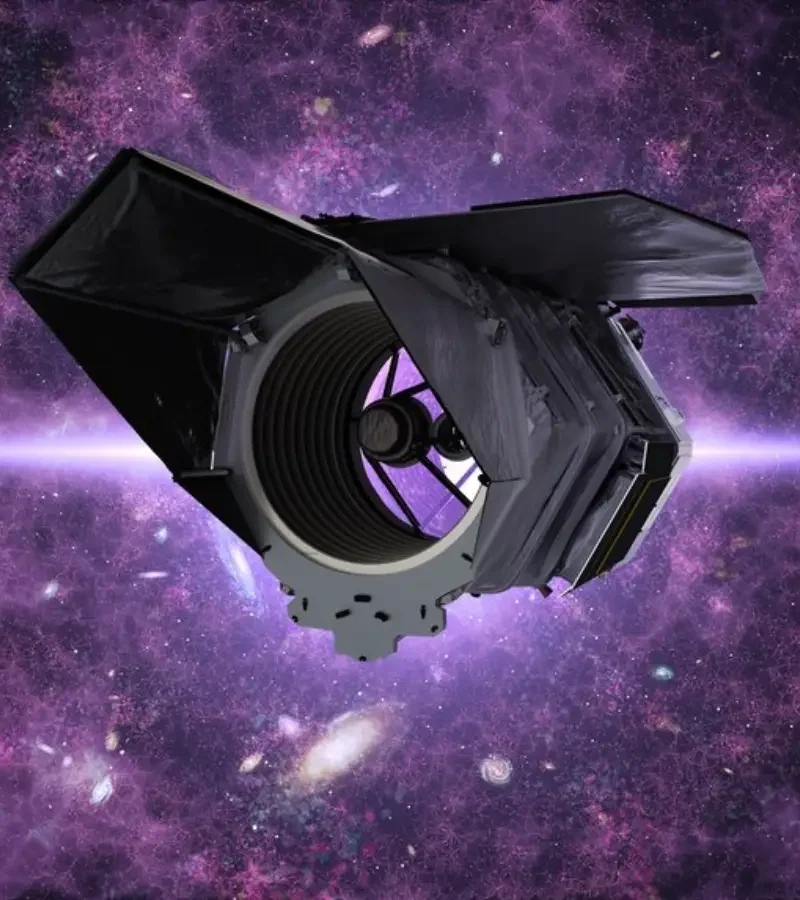
That is why a powerful telescope is more than a camera pointed into the distance. Its mirror collects old photons. A larger mirror can gather enough of them to reveal objects that are fainter and farther away, while a sensitive detector can separate their colors and uncover what the light has passed through.
Why astronomers do not use light-years for everything
Light-years are convenient for stars and nearby galaxies, but astronomers also use parsecs, megaparsecs and other units. A parsec is based on a small shift in a nearby star’s apparent position as Earth moves around the Sun. It is about 3.26 light-years long.
For the most distant galaxies, distance becomes more complicated still. The universe has expanded while the light was traveling, so the distance measured today is not always the same as the distance implied by the age of the light we receive. That distinction helps explain how the observable universe can be far wider than its age in light-years might suggest.
Does a light-year mean the object is in the past?
It means our view of the object is in the past. The object itself has continued to evolve while its light was on the way. A star that is four light-years away has lived four years between the moment its light left and the moment we detect it. We simply cannot receive information from it faster than light can travel.
That delay is not a flaw in astronomy. It is the reason the sky contains a record of cosmic history. By comparing light from different distances, astronomers can follow how stars, galaxies and the universe itself changed over time. Curiosmos has also traced that larger story in our guide to the universe’s beginning.
A light-year also puts a useful limit on what we can know. If a star is 10,000 light-years away, no telescope can show us its present-day surface. The newest information available to Earth is 10,000 years old. Astronomers can estimate how the star may have changed since then, but those estimates are not a replacement for a new signal arriving from the star.