For nearly four decades, a handful of bones from a cove in County Kerry seemed to place cattle in Ireland before farming arrived. Archaeologists called them the “Kerry Cow.” The name was memorable. The identification was wrong.
Researchers from University College Dublin, University College Cork, and France’s CNRS have now analysed proteins preserved inside the fragments. The bones did not come from domestic cattle. They belonged to a bear and wild boar.
That correction removes one of the strongest pieces of evidence for contact between Ireland’s last hunter-gatherers and farming communities before about 4000 BC. It also shows how a small mistake can shape a much larger story about the movement of people, animals, and ideas.
Why the bones mattered so much
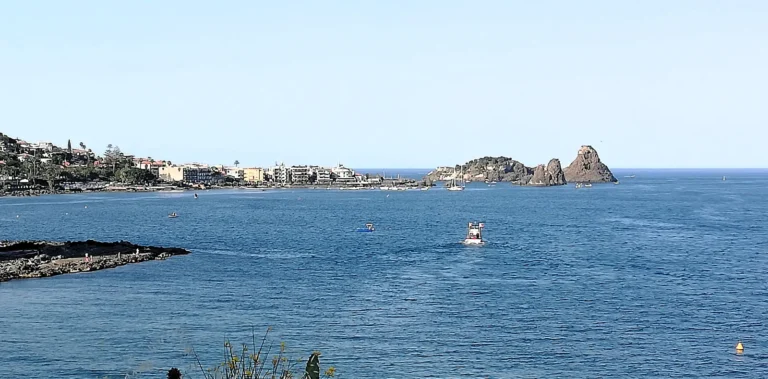
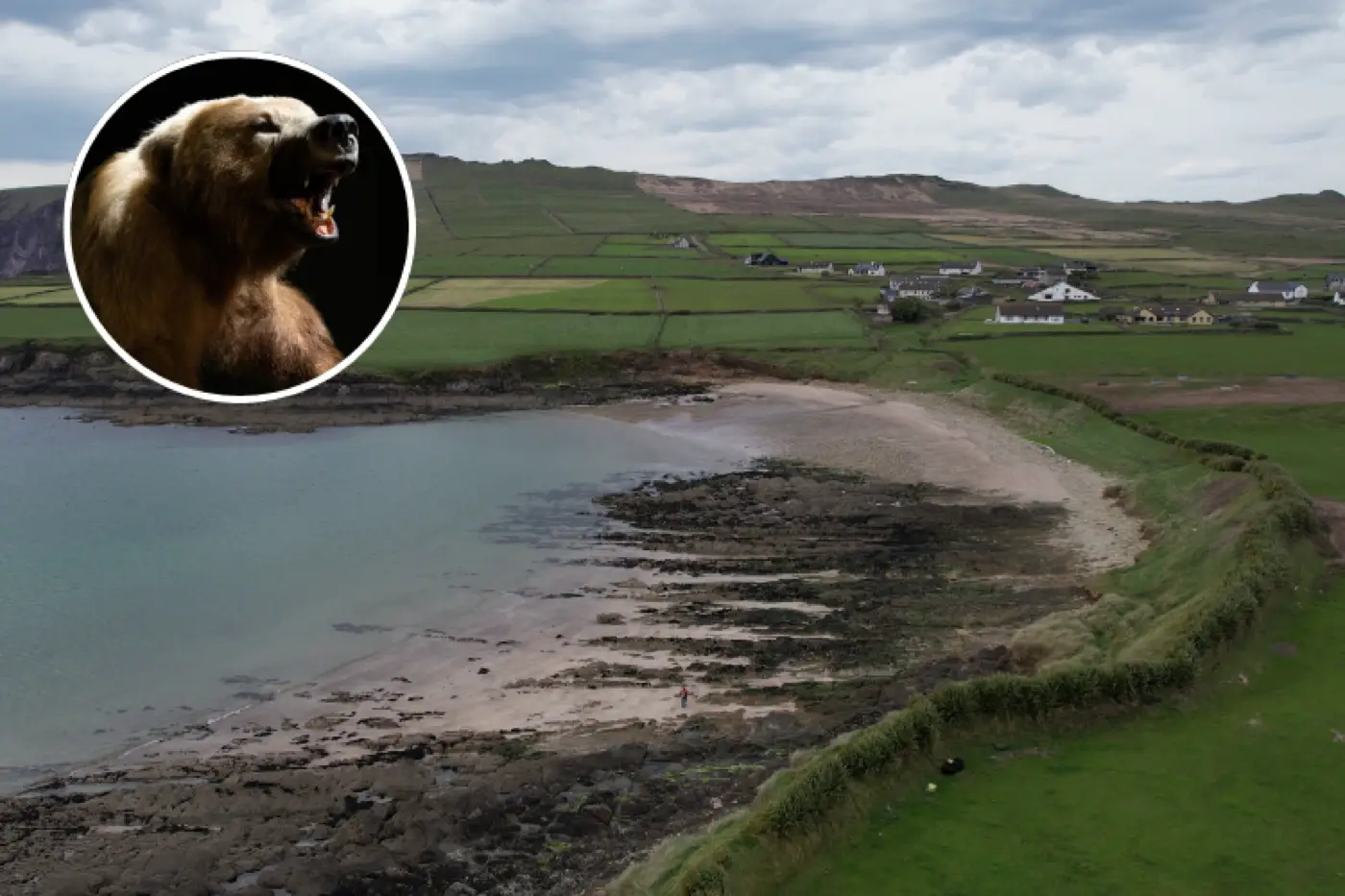
Ferriter’s Cove lies on the Dingle Peninsula, facing the Atlantic at Ireland’s southwestern edge. Archaeological work there uncovered stone tools, hearths, shell deposits, and animal remains left by people living close to the end of the Mesolithic period.
Among those finds were several bone fragments identified as cattle in the 1980s. Their age appeared awkward. They were older than the accepted beginning of farming in Ireland, when domesticated animals, crops, pottery, and new forms of settlement became established around 4000 BC.
Wild cattle were not native to Ireland at the time. If the bones really came from cattle, people must have brought the animals across the sea. That opened several possibilities. Perhaps Mesolithic communities obtained cattle from farmers in Britain or continental Europe. Perhaps a limited form of animal keeping began before the wider Neolithic transition. Perhaps contact across the Irish Sea was more intense than the rest of the evidence suggested.
The bones therefore became much more than food remains. They were cited in arguments about whether farming reached Ireland gradually, through exchange and experimentation, rather than arriving with a more decisive movement of people and practices.
The new identification removes that support.
How proteins corrected a 40-year-old identification
Fragmented animal bones can be difficult to identify by shape alone. A complete skull, tooth, or limb bone carries features that separate one species from another. A weathered splinter may not.
The team used Zooarchaeology by Mass Spectrometry, usually shortened to ZooMS. The method extracts collagen, a tough structural protein that can survive in bone long after DNA has degraded. Different animal groups produce slightly different collagen sequences. When the protein is broken into smaller pieces and measured by a mass spectrometer, the resulting pattern acts like a molecular barcode.
The Ferriter’s Cove fragments did not match cattle. One matched a bear; the others were wild boar.
Dr Martin Moucheron of UCD, who led the research, said the work removes the only archaeological evidence currently used to argue that domestic cattle—and therefore an important element of farming—reached Ireland before 4000 BC.
The team may be able to narrow the bear identification further. Brown bears lived in Ireland before becoming extinct, and additional analysis could compare the Ferriter’s Cove fragment with known Irish bear lineages.
This does not make Ireland’s hunter-gatherers isolated
The result closes one argument, not the entire question of contact.
People living around Ireland’s coasts had boats, detailed knowledge of tides, and the ability to move through difficult maritime landscapes. The island was not sealed away from Britain or continental Europe. Stone, tools, styles, and people could travel without bringing domestic cattle with them.
What changes is the type of contact we can demonstrate. A traded object is not the same as a living herd. An occasional visitor is not the same as a community adopting farming. The “Kerry Cow” appeared to collapse those distinctions because cattle require transport, care, and a decision to keep or kill an animal that did not belong to the local wild fauna.
Without cattle at Ferriter’s Cove, archaeologists must return to the broader evidence. Farming appears in Ireland with a recognisable package: domestic animals, cereals, pottery traditions, houses, and new ways of organising land and the dead. The transition may still have involved exchange and relationships with Mesolithic communities, but it no longer has a famous cow standing several centuries ahead of the rest of the record.
Bear and boar tell a better local story
The corrected identifications also fit the site itself.
Wild boar were a practical resource. They provided meat, hide, bone, sinew, and teeth that could be worked into tools or ornaments. Hunting one required knowledge of woodland and animal behaviour, but it did not require contact with farmers.
Bear remains are less ordinary. A bear could be hunted for meat and skin, treated as a dangerous competitor, or valued for claws, teeth, and symbolic associations. Without the exact position and treatment of the fragments, it would be careless to assign them a ritual meaning. Their presence nevertheless adds to what we know about the animals encountered by Ireland’s prehistoric communities.
This is one reason the correction should not be described merely as evidence disappearing. The bones still tell us something. They now tell us about people using Ireland’s wild landscape rather than people importing a domestic animal.
That distinction matters when reconstructing lives for which no written account exists. Curiosmos has previously examined how prehistoric communities tracked recurring changes in the sky and seasons and how places such as Skara Brae preserve the texture of Neolithic domestic life. Ferriter’s Cove belongs to the threshold before that settled world became established in Ireland.
Archaeology changes when its methods improve
It is tempting to treat a corrected identification as an embarrassment. In reality, this is how archaeology is supposed to work.
The original researchers classified difficult fragments using the comparative methods available to them. Later archaeologists questioned an identification that sat uneasily beside the wider evidence. A newer technique tested the old conclusion at the molecular level and produced a different answer.
ZooMS is especially useful because museums hold enormous collections of animal-bone fragments recovered long before protein analysis existed. Some were identified tentatively; others were grouped under broad labels because no diagnostic part of the bone survived. Re-examining those collections can find species that were missed, correct mistakes, and select the most promising samples for radiocarbon dating or DNA analysis.
The “Kerry Cow” lasted because it offered a bridge between two chapters of Irish prehistory. That bridge is now gone. Ireland’s first farmers still arrived around 4000 BC, and the evidence from Ferriter’s Cove once again belongs to the hunter-gatherers who lived there before them.
Only now, one of their animals is a bear.