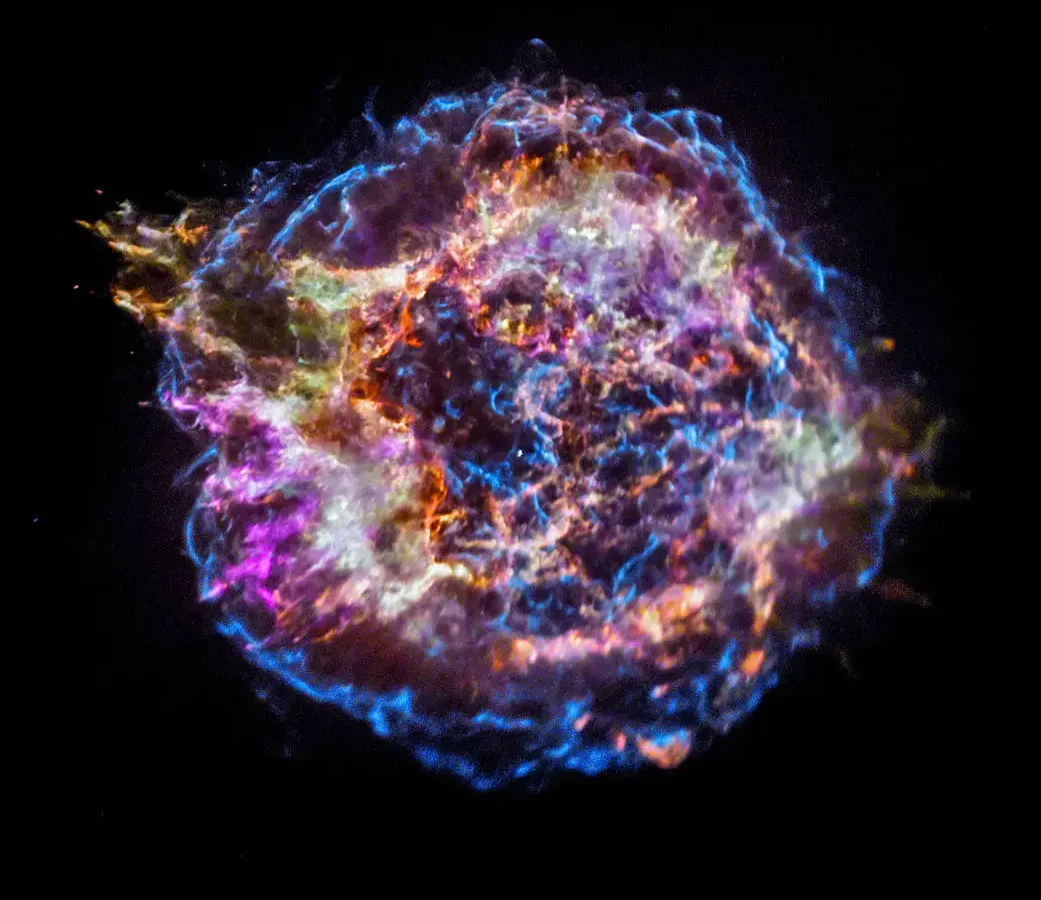
The Moon has no wind, rain or active plate tectonics to erase its surface history. That makes its soil a possible archive of events that happened far beyond Earth. A new study suggests that future lunar core samples could preserve a record of nearby supernovae stretching back roughly 100 million years.
The evidence would come from radioactive atoms such as iron-60 and plutonium-244. These elements are forged in violent stellar events and can travel through space on dust grains. When the Solar System passes through the material left by a nearby explosion, some of those atoms may settle on Earth and the Moon.
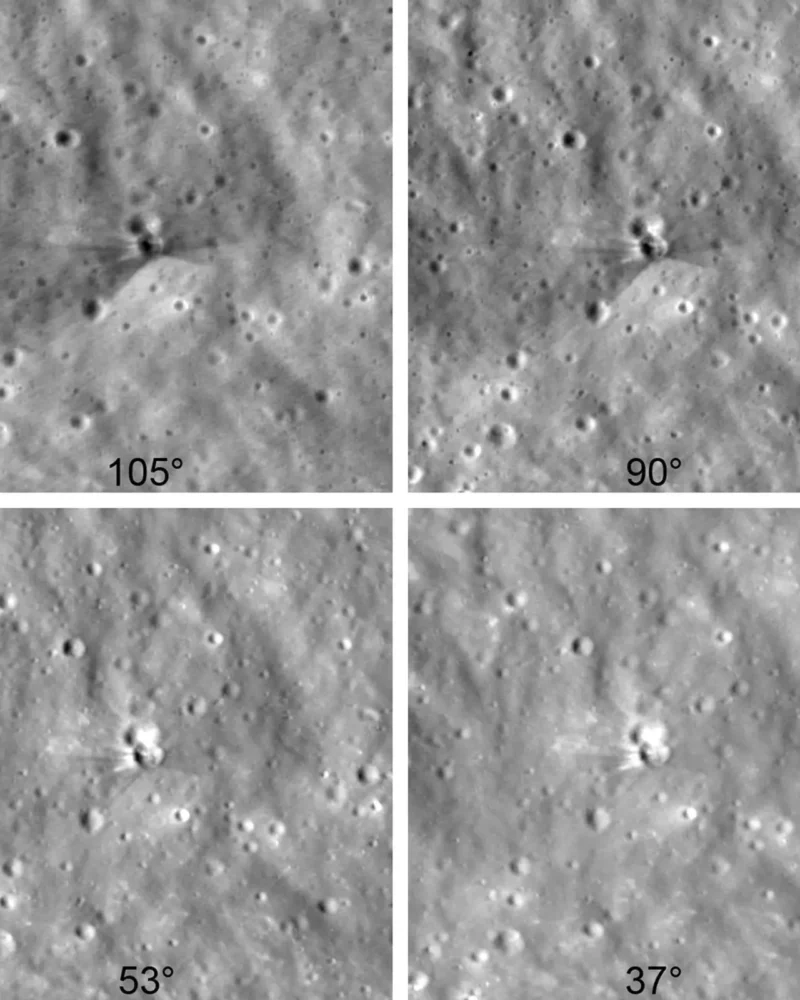
Earth’s record is difficult to read because the surface is constantly recycled. Oceans move sediments, organisms absorb elements and tectonic plates bury old layers. The Moon is quieter. Its surface is still churned by micrometeorite impacts, a process known as impact gardening, but the disturbance can be modelled rather than mistaken for erosion.
Keep exploring
Continue with Curiosmos
The new work focuses on that mixing. The researchers calculated how an isotope deposited at the surface would be pushed downward as small impacts overturn the upper soil. The result is not a sharp line at one depth. It is a spreading profile in which the original signal becomes broader and weaker with time.
That profile could still be useful. A sealed core taken from a carefully chosen lunar site would contain layers with different concentrations of the isotopes. Measuring the depth and abundance of iron-60 or plutonium-244 could help estimate when the material arrived and whether several stellar events contributed to the record.
The Moon would not be a perfect detector. Radioactive atoms can be lost, buried unevenly or delivered by more than one process. Solar particles and ordinary meteorites can also add background material. The model therefore gives mission planners a way to compare locations and decide how deep a sample must be before the signal becomes interpretable.
Location will matter as much as depth. A young crater can mix soil more vigorously than an undisturbed plain, while a permanently shadowed region may preserve a different balance of volatile material. A set of cores from sites with different ages would let researchers separate a global isotope signal from changes caused by local impacts.
The timing could be especially valuable. A supernova close enough to leave an isotope signature on Earth would also tell astronomers something about the recent environment of the Solar System. Nearby explosions may influence the chemistry of interstellar space and, in extreme cases, expose planets to increased radiation. A lunar archive could place those events on a much firmer timeline.
Samples returned by the Artemis programme could eventually provide the test. Astronauts would need to collect intact cores rather than loose surface dust, document the position of each layer and keep the samples uncontaminated. Laboratories on Earth could then measure isotope ratios with mass spectrometers and compare them with the predicted depth profiles.
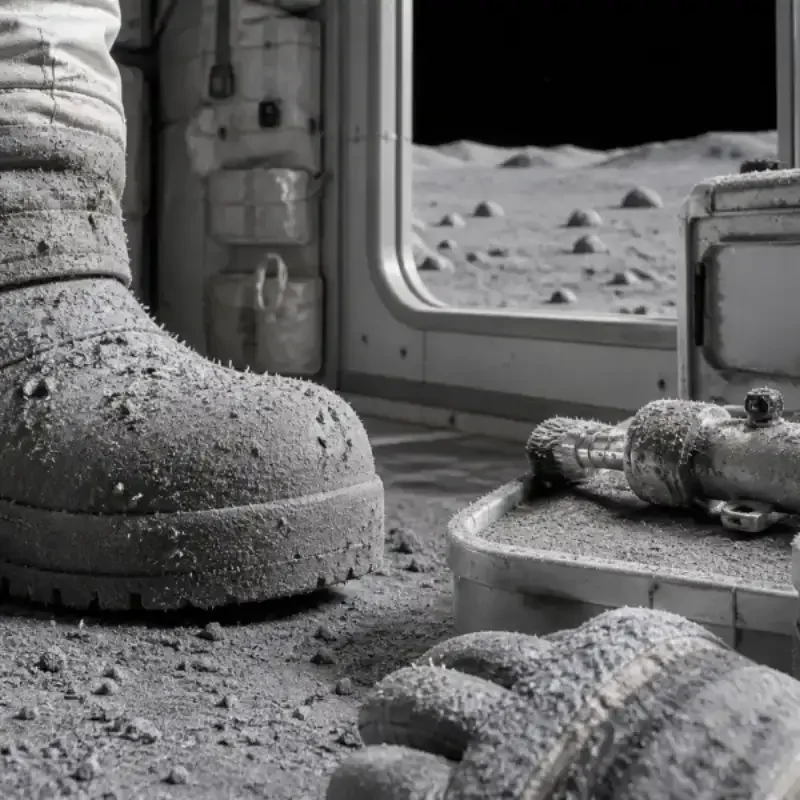
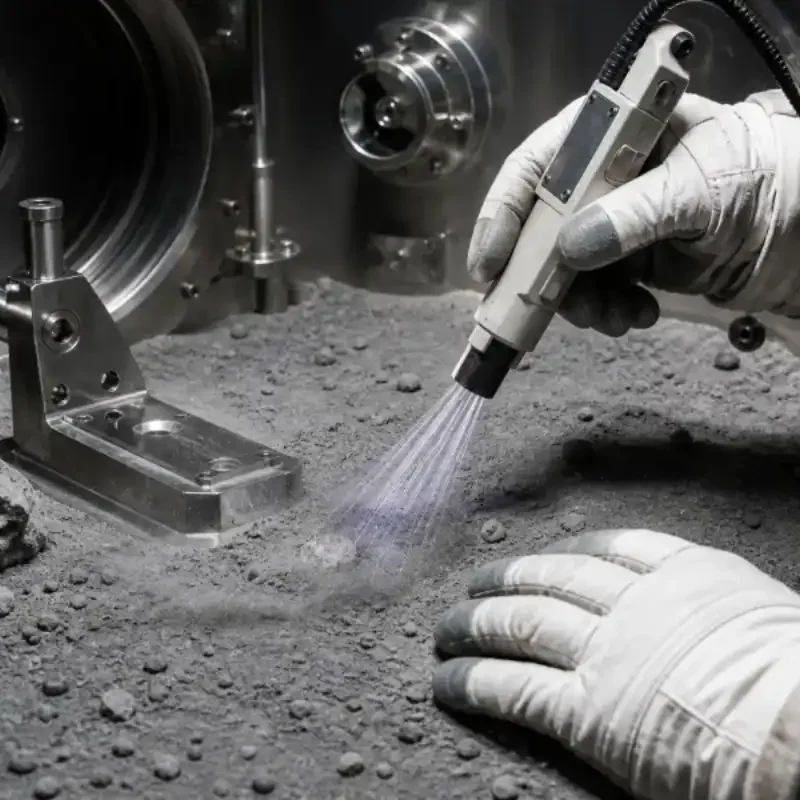
Our earlier look at NASA’s lunar-dust testing work dealt with the engineering problems of working with abrasive Moon soil. The new study asks a different question: what information might that soil have stored before anyone touched it?
The proposal is not a claim that a supernova has already been identified in lunar dust. It is a testable plan. If the predicted isotope pattern is found, it could connect a sample on the Moon to stellar explosions in the Solar System’s neighbourhood. If it is absent, that would also tell scientists how efficiently the elements travel and mix.
The measurements would complement, rather than replace, isotope studies in Antarctic snow and deep-sea sediments on Earth. Those records show that stellar material has reached our planet, but their layers can be disturbed by climate and geology. A lunar core offers a second archive with a different set of problems, allowing the two records to be compared instead of relying on either one alone.
For a world that appears geologically still, the Moon may preserve a surprisingly active history. Its dust could carry a chronology written by dying stars, waiting for a future core sample to read it.