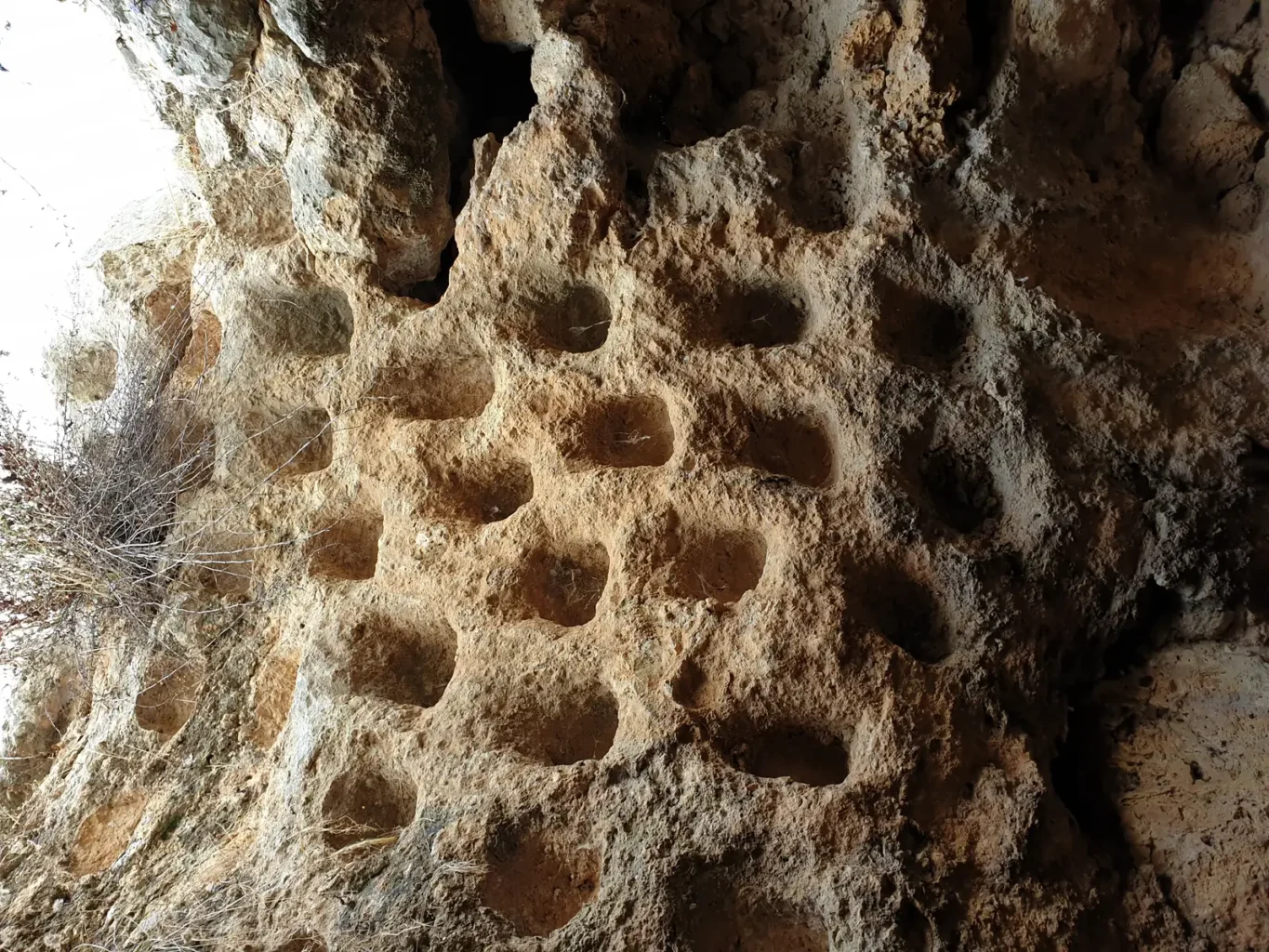
A rock-cut cave, a shelf and two stone vessels: at Khirbet Qana in Galilee, these ordinary-looking features became part of a much larger question. Could this be Cana, the village where the Gospel of John places the wedding at which Jesus turned water into wine?
The search for Cana has several candidates. Khirbet Qana attracts attention because excavation has brought together evidence of an ancient Jewish settlement and a later Christian pilgrimage tradition. Those discoveries address two different parts of the story: the village that stood here, and the place later believers remembered.
The village and the shrine need to be dated separately. A shrine can reveal how a community understood a sacred place centuries after the event associated with it. A settlement can show whether the location fits the social world described in a text. Later devotion may preserve a local tradition, but it cannot by itself identify the first-century village.
A Jewish settlement in Galilee
Excavations began under Douglas Edwards in 1998; Tom McCollough subsequently took a leading role. The Kinneret academic catalogue records the site’s synagogue and archaeological work.
A Biblical Archaeology Society account of McCollough’s research describes ritual baths, coins and a potsherd bearing Hebrew writing among evidence for a Jewish village. Such finds help establish the character of the settlement, which is essential when considering a proposed location for the Cana of John’s Gospel.
The question is more demanding than whether the name sounds right. As our guide to identifying ancient places from inscriptions and excavations explains, a convincing identification has to bring geography, occupation dates and the settlement’s character into the same discussion. The archaeological case becomes stronger when those independent strands agree.
The cave that pilgrims visited
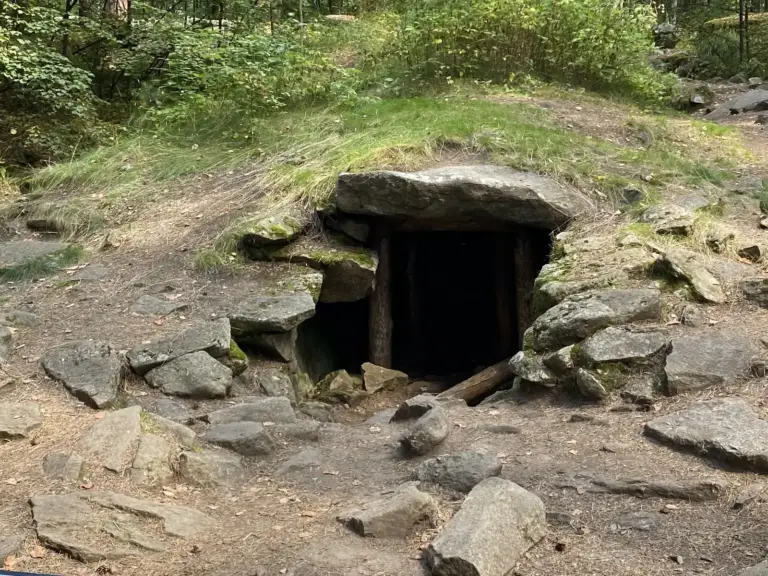
The same account describes a cave complex containing crosses and Greek inscriptions, with evidence of Christian use extending through Byzantine and Crusader periods. A reused sarcophagus lid was interpreted as an altar. Nearby, two stone vessels stood on a shelf that the excavators thought could have accommodated more.
The possible connection with the six stone jars in John’s account is striking. It is an interpretation of a later devotional arrangement, however, rather than an identification of vessels from the wedding itself. Visitors may have used the space to picture the story and participate in its memory.
That gives the cave a history of its own. What did a pilgrim expect to see on arriving at Cana? A place to pray, an image of the wedding, perhaps an arrangement that made the written account tangible. Those questions can be explored through the shrine even while the identification of the village remains debated.
Winepresses do not all belong to the same century
Outside the village, an Israel Antiquities Authority survey published by Yoav Lerer in 2012 recorded 34 sites. The landscape included cisterns, quarries, burial caves, agricultural terraces and winepresses.
The winepresses are an especially tempting detail in a story about Cana. Yet the survey does not establish an individual date for every recorded installation. Linking one directly to a first-century wedding would skip the work needed to show when it was used.
The survey instead helps us see the surrounding countryside: people managing water, cutting stone and cultivating the slopes over a long span of occupation. It also explains why a single discovery cannot settle the location. The landscape accumulated traces from different communities and periods.
Following the village and its memory
There are really two investigations at Khirbet Qana. One concerns whether the ancient settlement matches the Cana described in the Gospel. The other concerns why later Christians treated this place as a destination.
The cave provides evidence for the second question even where the first remains open. The crosses, inscriptions and stone vessels show how pilgrims made the Gospel story part of this cave.
If Khirbet Qana eventually gains a firmer identification, it will come through that accumulated evidence. Meanwhile, the village remains and the pilgrims’ cave give archaeologists two histories to investigate in the same place.