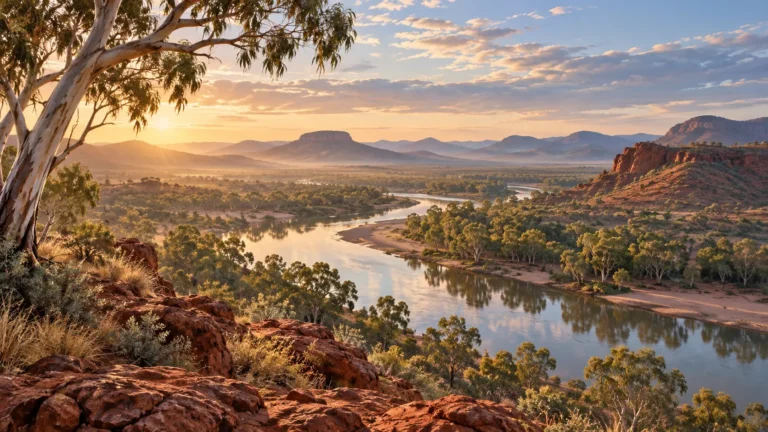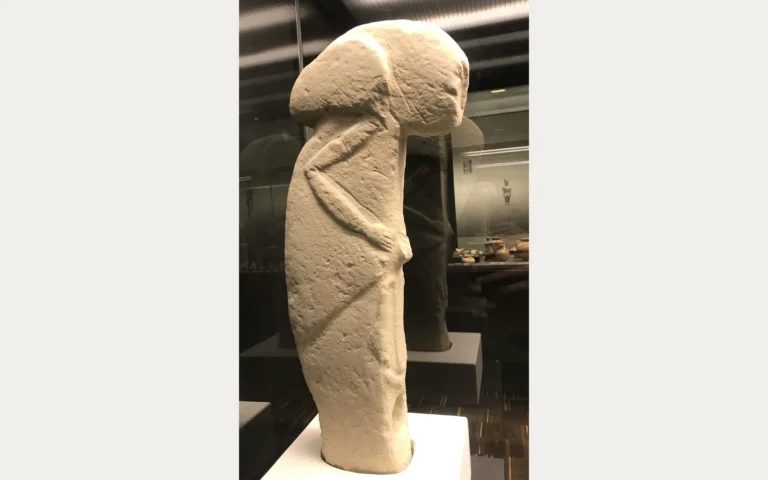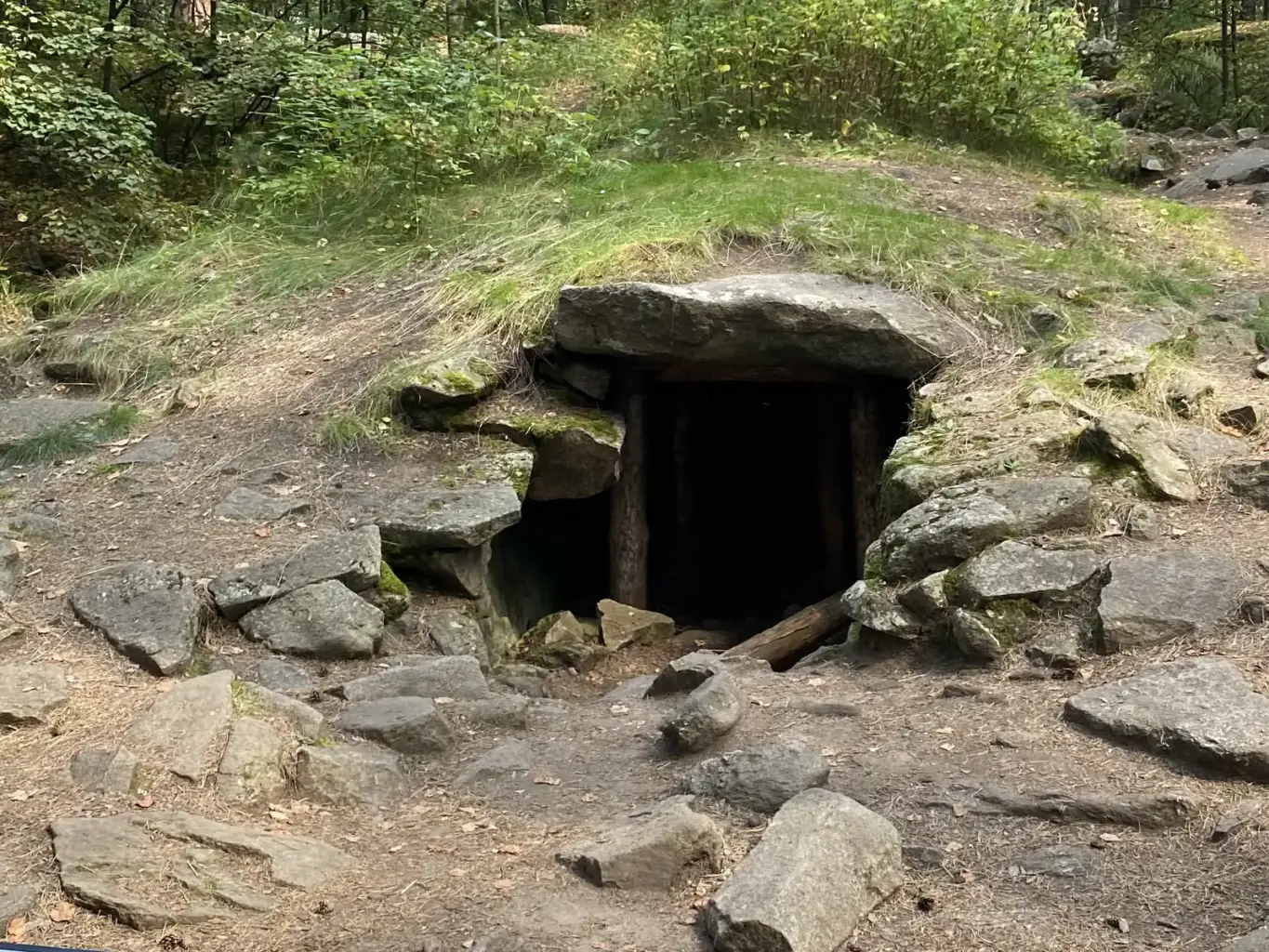
On Vera Island, in the southern Urals, stone-built chambers overlook Lake Turgoyak. Around the monuments, excavators have also recovered burnt bone, fish remains and the fragments left behind by everyday life.
The Vera Island megaliths belong to a prehistoric landscape on Lake Turgoyak. Archaeologists Stanislav Grigoriev and Yulia Vasina documented the monuments and their surroundings in Megaliths of the Vera Island in the Southern Urals, published in 2019. Their study places the megalithic complex in the Eneolithic, or Copper Age, during the fourth and third millennia BC.
What brought people here? A place with imposing stone chambers invites thoughts of ceremony, burial and shared beliefs. Yet the answer also depends on the less spectacular traces outside the monuments. Were the people hunting and fishing here occasional visitors, or did they live nearby?
A landscape larger than its stone chambers
The monograph describes three chambered megaliths alongside other structures and sanctuaries. Its published sample outlines investigations carried out between 2004 and 2010. The excavations followed activity across the island, including places where people lived.
A chamber survives because its stones endure. Activities around it might leave only scattered material, a buried surface or a thin layer of ash. The most visible structure need not have occupied the largest share of anyone’s day.
There is also a dating problem familiar across prehistoric sites. An island can be used in several periods. A bone from one settlement does not automatically date a nearby chamber, and a later visitor can leave something among much older remains. Researchers have to establish how each find relates to the layer and structure in which it was recovered.
The bones beside the monuments
A faunal study by palaeozoologist P. A. Kosintsev examines remains from the Vera Island 7 and Vera Island 4 settlements. Excavations took place in 2007 at the former, and in 2009 and 2011 at the latter.
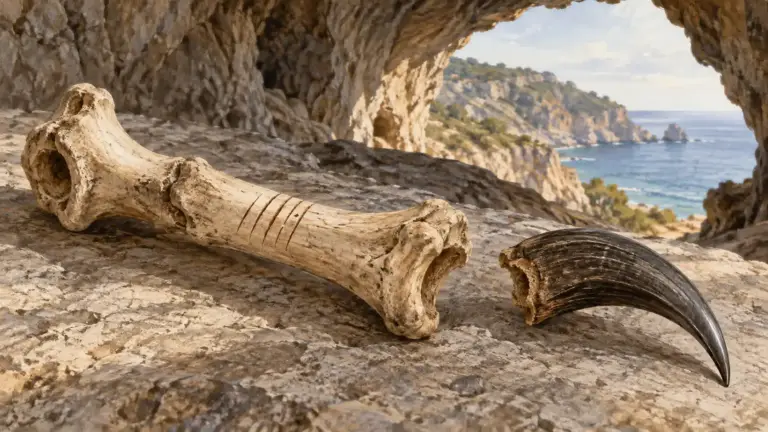
The material includes wild animals, birds and fish. Roe deer, elk and beaver appear among the identifications; pike provides a connection to the water surrounding the island. Kosintsev interprets the Vera Island 7 assemblage as evidence of hunting and fishing. Some bones were burnt or calcined, and many fragments could not be identified precisely.
The bones give us part of the picture, although they cannot reconstruct a complete prehistoric menu. Different bones survive differently, excavation recovers only part of a settlement, and severe burning can remove the features needed for identification. A species list tells us which animals are represented; it does not give an exact percentage of the diet.
Even with those limits, the finds give the island a human scale. Alongside the work of moving and arranging stone, there were animals to process, fish to catch and meals to prepare. The people who built or visited the complex lived in a landscape that supplied food as well as a setting for gatherings.
How far can the comparisons take us?
As our article on the wider Stonehenge landscape explores, a famous monument can belong to a much larger area of prehistoric activity. Megaliths occur across widely separated regions, which makes Vera Island an intriguing comparison with better-known prehistoric monuments. Similar-looking stone structures can prompt questions about contact, travelling ideas or shared practices.
The strongest comparisons go beyond appearance. Construction sequence, dated occupation layers and associated objects can show whether two communities were contemporary and whether their practices resembled one another in more than a broad architectural sense. A stone chamber alone cannot trace a journey across a continent.
At Vera Island, the chambers and the settlement remains can be studied together. What if the island’s appeal lay partly in bringing people together at a familiar place in the landscape? The stones preserve one part of that possibility. The excavated remains begin to show the lives that surrounded them.