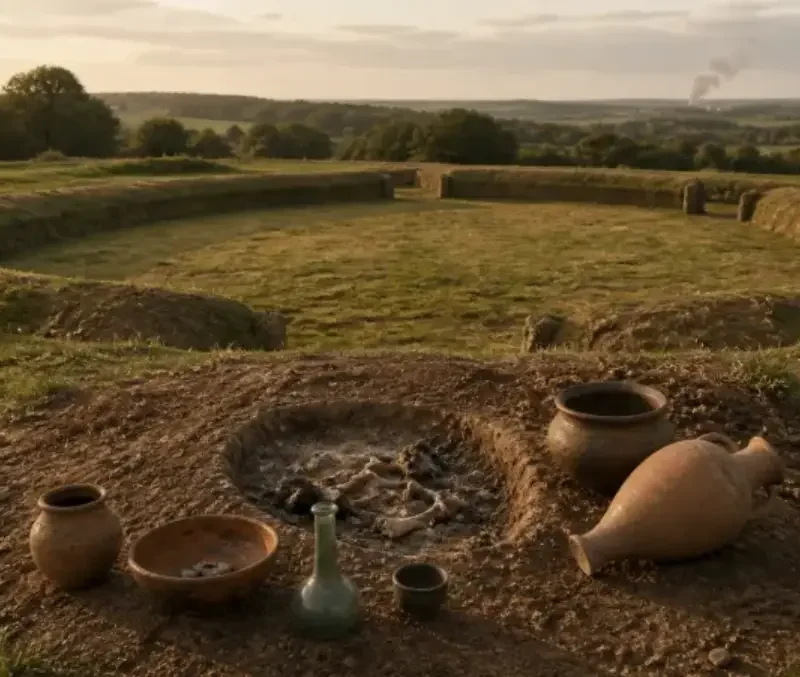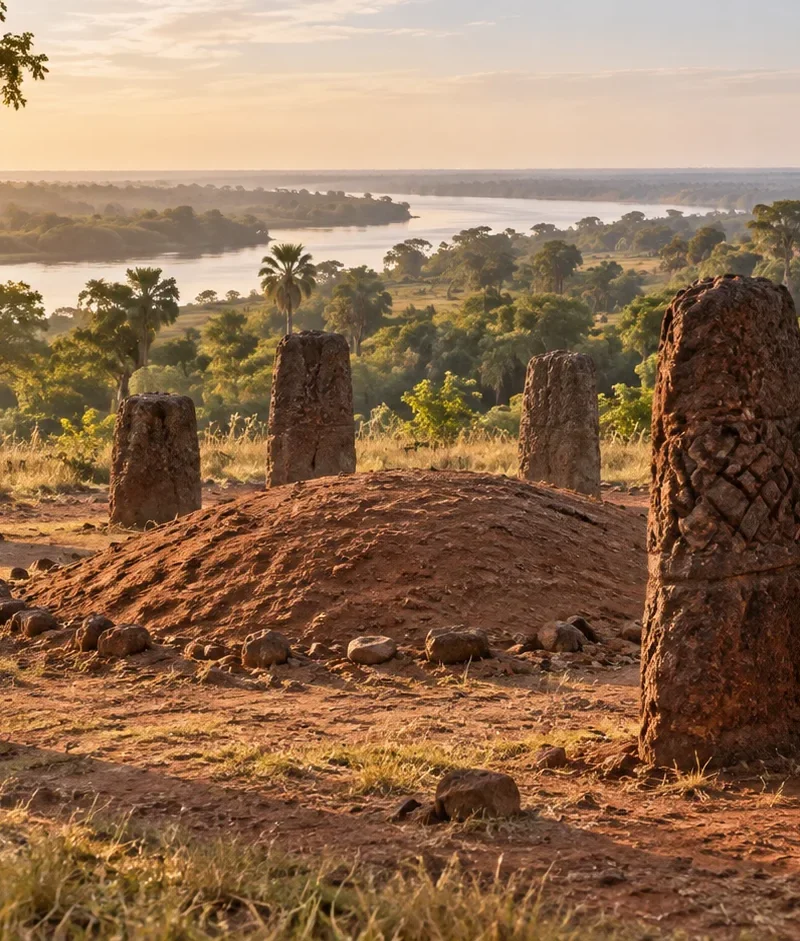
Archaeologists do not always find a monument in the form people imagine. A stone circle may survive as a scatter of sockets. A burial mound may be flattened into a field. A ditch can become a faint change in soil colour with no standing structure left above ground.
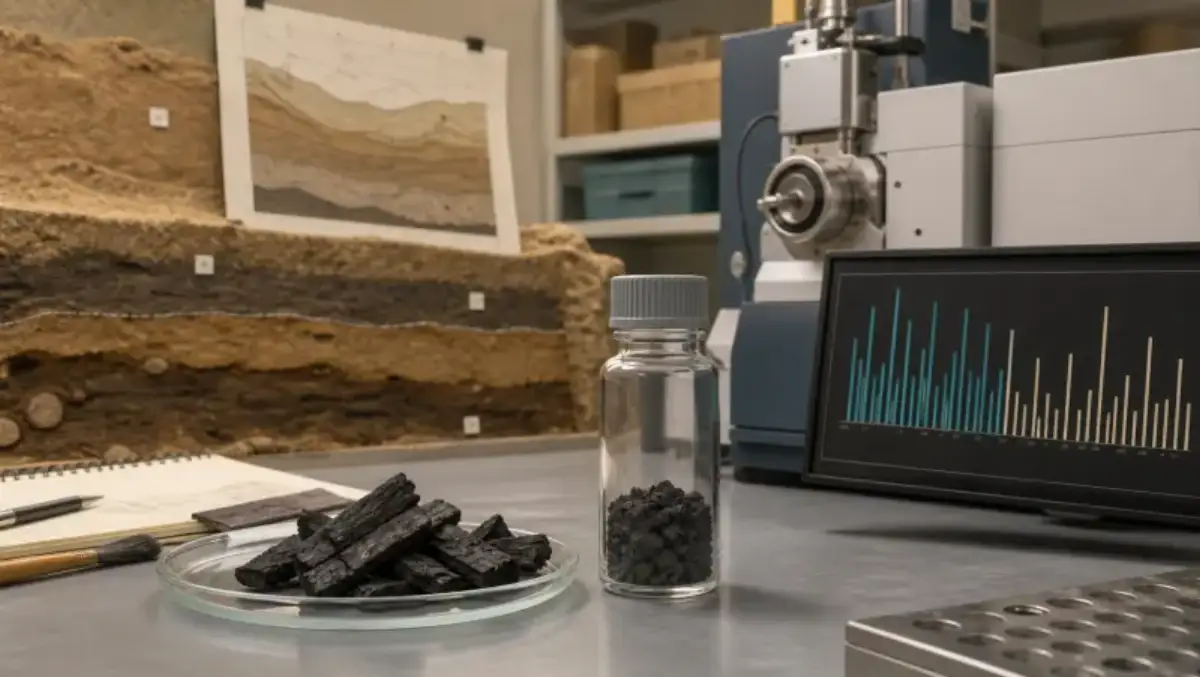
Optically stimulated luminescence, or OSL, can help date those difficult sites. Instead of dating a bone or a piece of charcoal, the method measures the last time mineral grains in the sediment saw sunlight.
A clock stored in mineral grains
Quartz and feldspar crystals absorb energy from natural radiation in the soil. The energy becomes trapped inside the crystal structure. Sunlight releases much of that stored signal when the grains are exposed at the surface.
Keep exploring
Continue with Curiosmos
If people dig a ditch and bury fresh sediment, the grains are covered and begin accumulating energy again. The longer they remain underground, the larger the stored signal becomes. In the laboratory, scientists stimulate the grains with light and measure the luminescence they release.
The result is combined with the rate of radiation at the site. That gives an estimate of how long the grains have been buried. It is not a date printed on the earthwork; it is a calculation that depends on careful sampling and environmental measurements.
Why the samples must stay in the dark
An OSL sample is usually taken in a metal tube that prevents light from reaching the sediment. If daylight resets the signal before the analysis, the clock becomes less useful. The laboratory removes the outer material and works with the protected centre of the sample.
The method can be especially valuable when a site contains little charcoal or bone. A Neolithic enclosure may leave ditches, banks, and layers of soil but almost no organic material suitable for radiocarbon dating.
What OSL can and cannot tell us
OSL may date when a layer was deposited or when sediment filled a ditch. It does not always identify the exact day the first spade entered the ground. Later erosion, re-cutting, animal burrows, and movement of soil can mix layers and complicate the interpretation.
That is why archaeologists take several samples and compare the results with the shape of the feature, pottery, tools, and other evidence. At the Sizewell enclosure, OSL helped distinguish the original construction from later fills that accumulated during the Beaker period and Early Bronze Age.
The best results come from combining the method with field observations. A date that fits the monument’s stratigraphy and the associated finds is more convincing than an isolated number.
Why the method changes the story
Dating a faint ditch can reveal that a landscape was planned long before any building remained visible. It can also show that a site was reused. A monument created by early farmers might collect new material centuries later, when different communities returned to the same boundary or gathering place.
That long sequence is visible in the Sizewell enclosure report and in the paired tombs recently excavated in Galway. Scientific dating does not replace interpretation. It gives the interpretation a firmer timeline.
Ancient landscapes are often quiet because time has removed the obvious evidence. OSL lets archaeologists read one small record left in the ground: the moment mineral grains disappeared from the light.
The method is also useful because it can separate phases of activity. A ditch may have been dug in one period, partly filled by natural erosion, cleaned or recut later, and finally sealed by soil. Different samples from different layers can reveal that sequence instead of forcing the entire feature into one date.
That precision changes the questions archaeologists can ask. Rather than asking only whether a monument is old, researchers can ask when it was built, when people returned, and how long the feature remained meaningful. The ground becomes a layered record of decisions made by several generations.
OSL is not a replacement for radiocarbon dating. The two methods answer different questions and work best when they can be compared. Charcoal may date the burning of a plant, while OSL dates the burial of sediment around a ditch. If the results disagree, the difference may reveal movement or reuse rather than a simple laboratory failure.
That is why a good report describes the sampling location, the dose rate, the number of grains tested, and the uncertainty around the final age. Readers should be able to see how the date was produced and what part of the site it actually represents.