An ancient building does not come with a label on the door. When archaeologists uncover walls, they have to work out what people did inside them from the traces left behind. A hearth may suggest cooking, but it can also provide heat for craftwork. A small room may be a shrine, a storeroom or simply part of a house that changed its use over time.
That is why archaeologists do not normally identify a home, shrine or workshop from one spectacular object. They compare the building’s layout with its floors, entrances, storage areas, tools, food remains, ash, animal bones and repeated patterns of activity. The strongest interpretation is the one that explains the largest number of clues without ignoring the awkward ones.
A home often leaves evidence of routine life. Archaeologists may find hearths, grinding stones, food remains, cooking vessels, storage jars, sleeping platforms or small repairs made over many years. None of those clues is exclusive to a house, but together they can reveal a space where people prepared food, stored supplies and carried out ordinary tasks.
Workshops leave a different kind of mess. Stone flakes, metal slag, broken moulds, misfired ceramics, pigments or repeated tool marks can point to production. The location of the waste matters. A few fragments may have been carried in with a finished object, while a dense spread around a work surface suggests that the activity happened there.
Shrines and other ritual buildings can be harder to recognise because ritual activity varies enormously. Archaeologists may look for altars, offering deposits, repeated burning, unusual objects, images, inscriptions or restricted access. A room that is separated from the rest of a settlement may have had a special role, but isolation alone is not proof of a sanctuary.
The building’s position also matters. A structure beside a major entrance may have served a public function. A small room inside a house may have held household ritual. A large building with controlled movement through its rooms may have been a meeting place, storage facility or ceremonial space. The same architectural form can serve different purposes in different societies.
Time complicates the picture. Buildings are repaired, divided, expanded and reused. A room that began as a workshop may later become a storeroom. A domestic building may host communal ceremonies. Archaeologists therefore separate the evidence by phase instead of treating the whole structure as if it had one permanent identity.
This is central to the debate over buildings at Göbekli Tepe. The presence of monumental T-shaped pillars does not automatically make every building a temple, just as evidence of domestic activity would not make every structure an ordinary house. Researchers compare architecture, installations, floors and artefacts to reconstruct how people used the site at different moments.
Scientific methods add another layer of evidence. Microscopic plant remains can reveal food preparation. Chemical traces on floors may identify oils, pigments or blood. Animal bones can show butchery, feasting or craft activity. Soil micromorphology can separate a surface used for walking from one repeatedly exposed to ash or water.
Even then, the result is usually a probability, not a simple verdict. Archaeologists may conclude that a room was most likely domestic, industrial or ritual while leaving room for mixed use. That caution is not a weakness. It reflects the fact that real buildings were used by real people, and people do not always respect the categories modern researchers prefer.
The best interpretation is therefore built from converging evidence: architecture, objects, deposits, chemistry, food remains, movement through space and changes over time. A building becomes understandable when those clues agree. When they do not, the disagreement is often the most interesting part of the investigation.
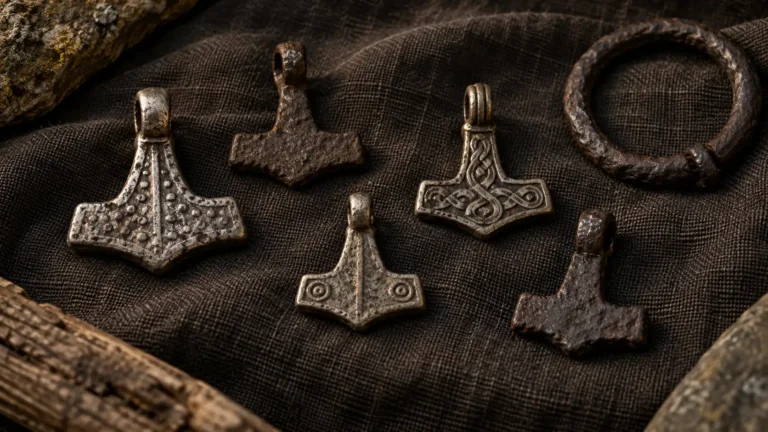
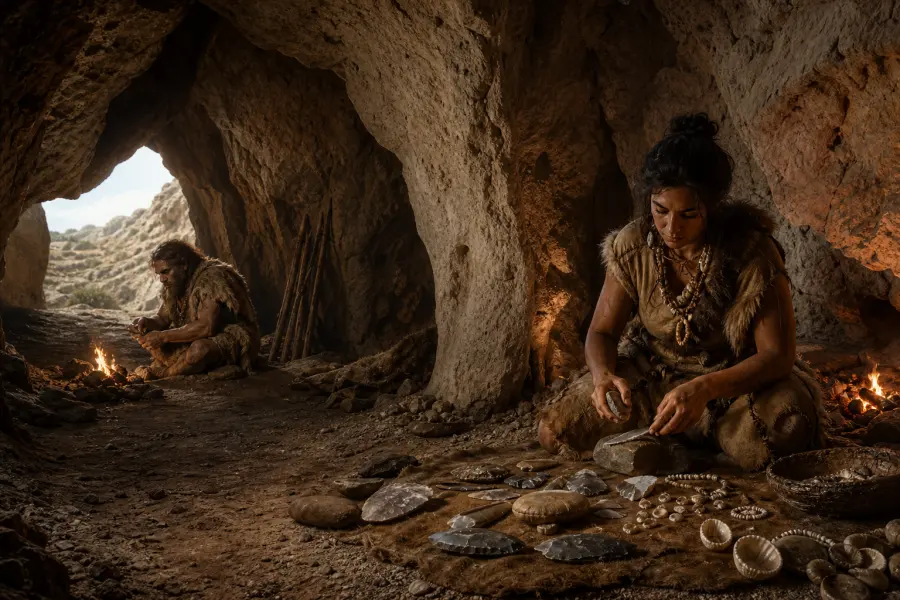
Featured image: Curiosmos illustration created for this report from the cited archaeological research.
For the wider question of how archaeologists read buildings in context, see our report on the buildings at Göbekli Tepe.