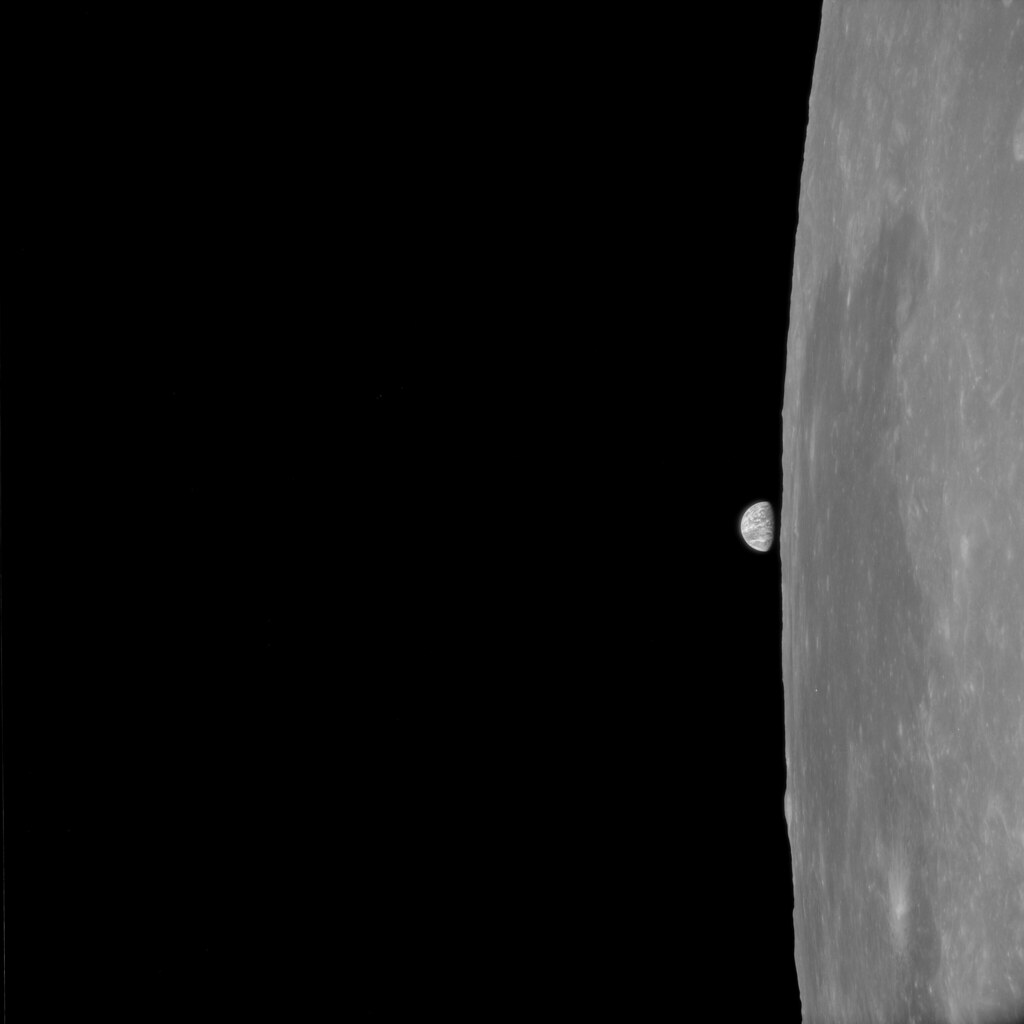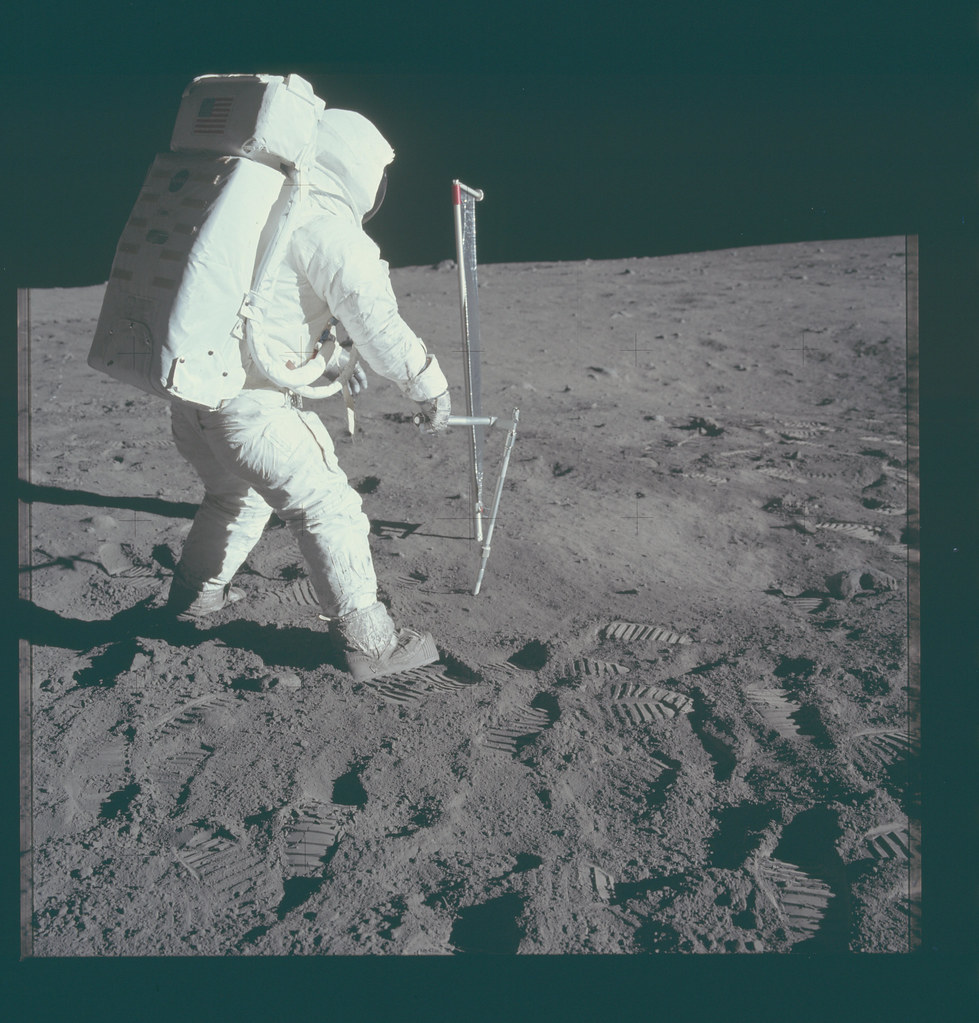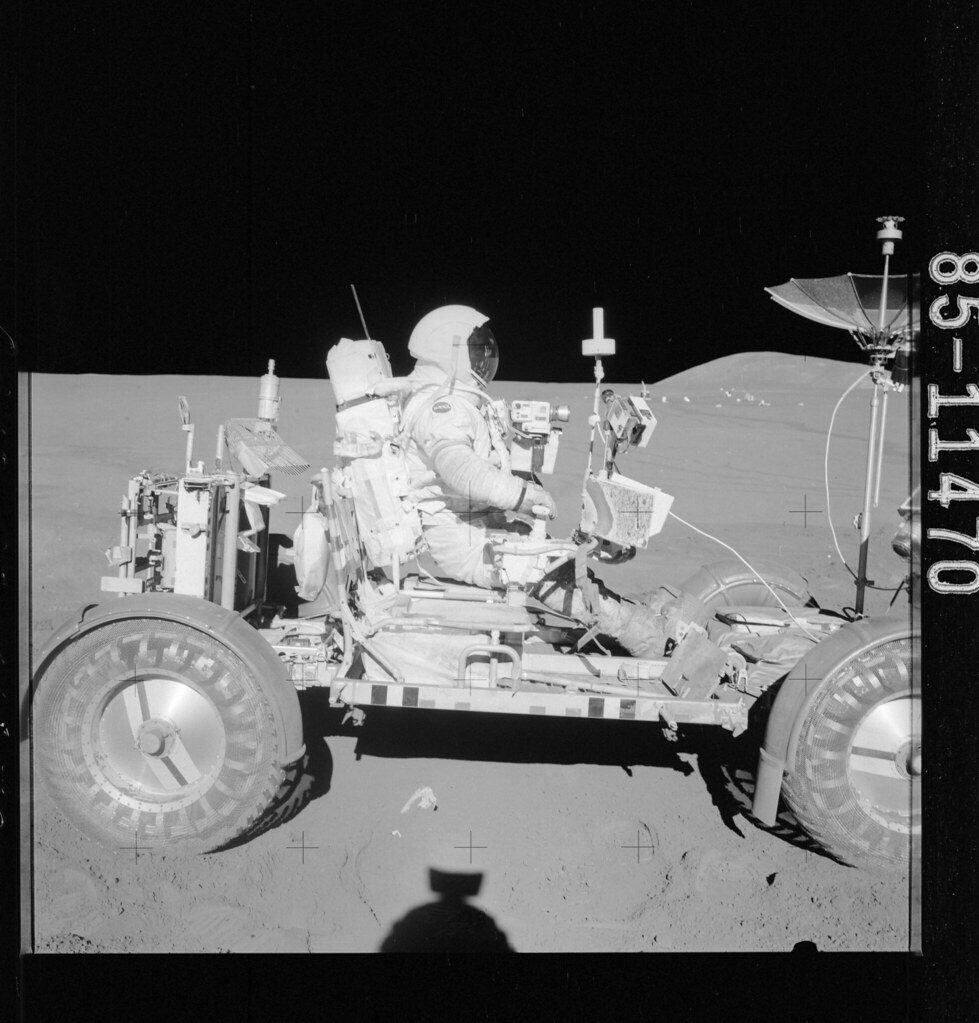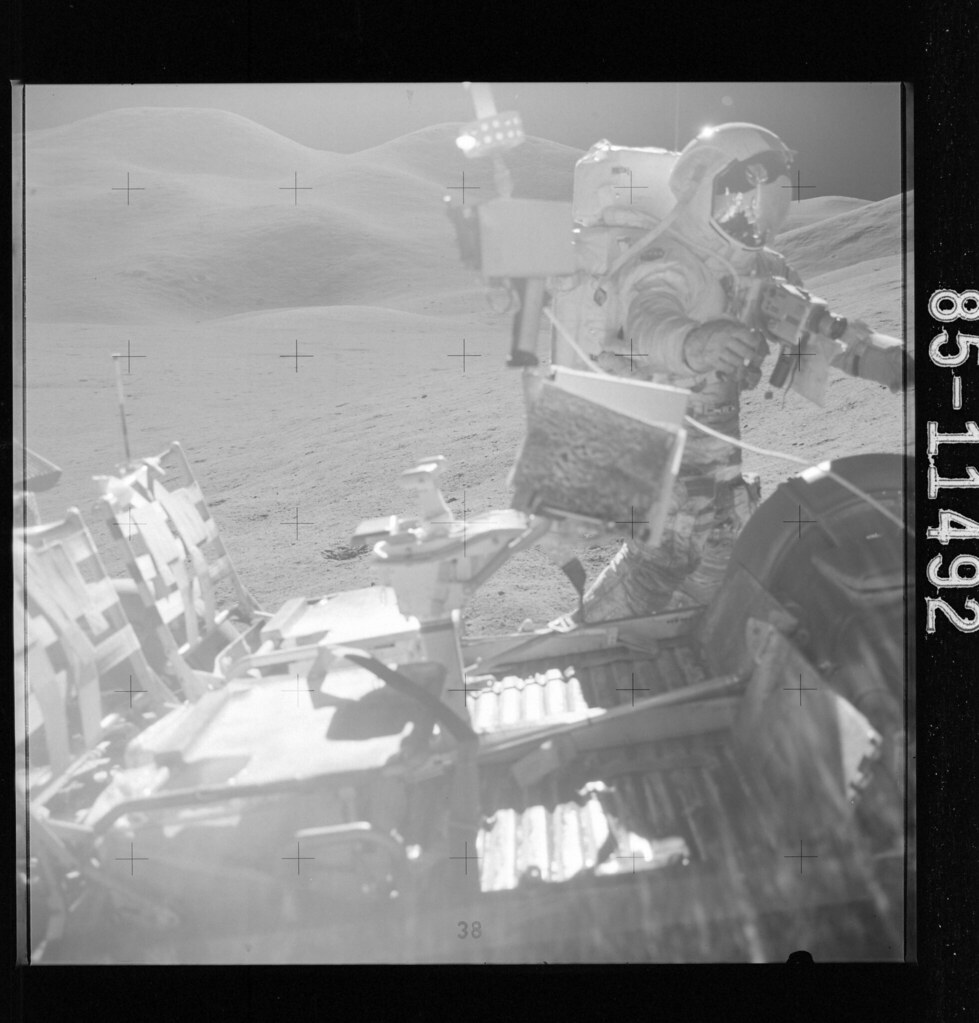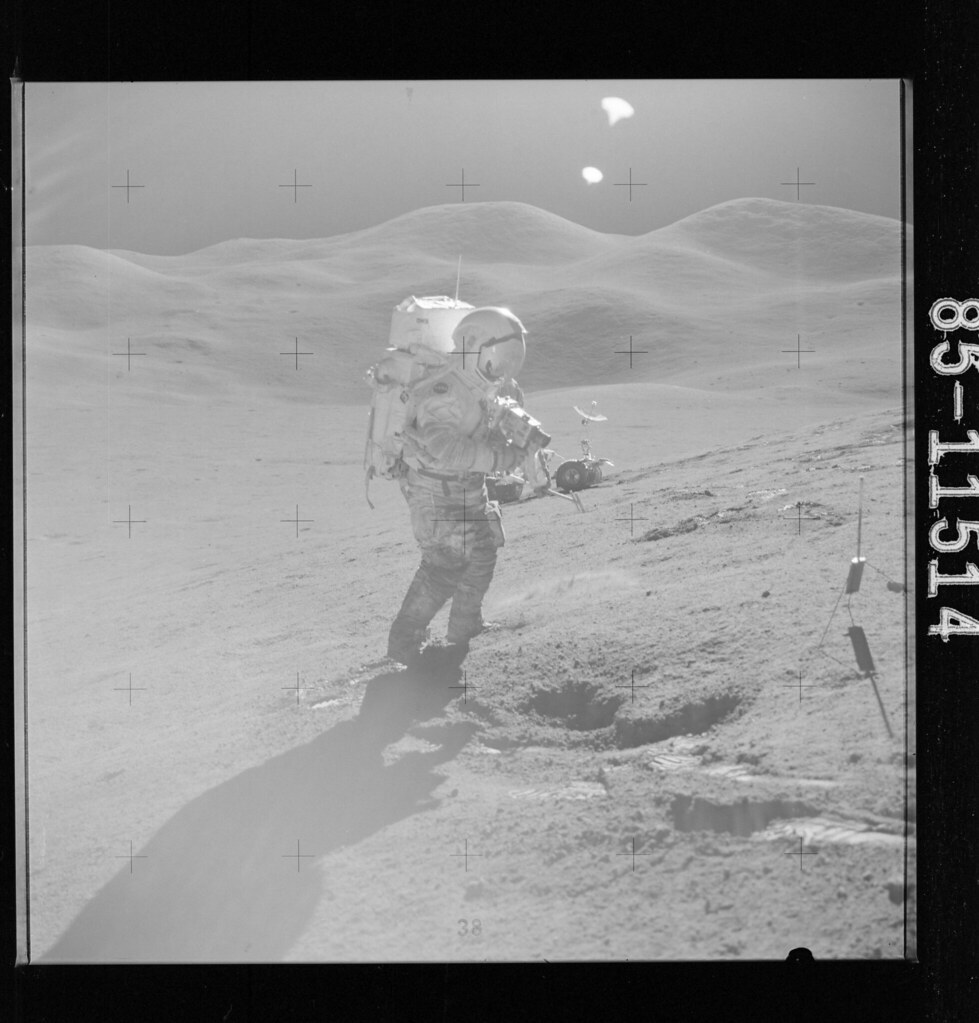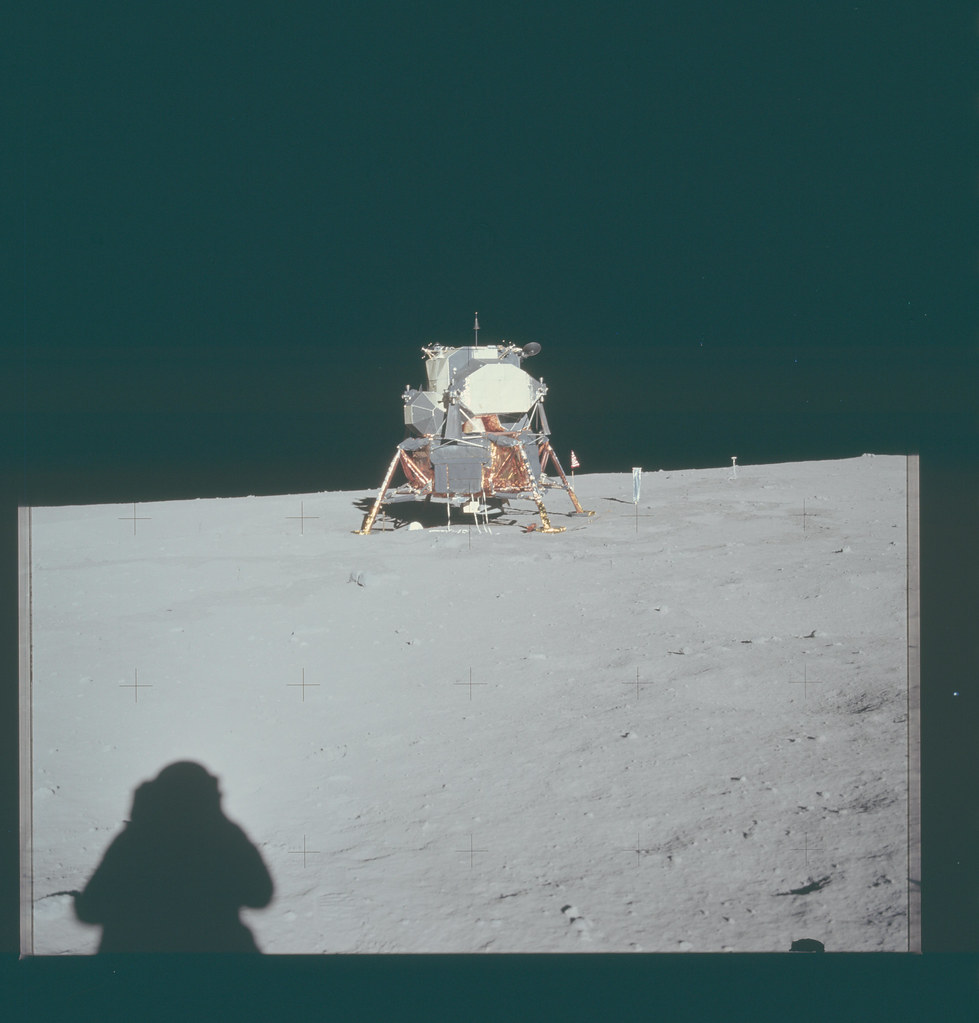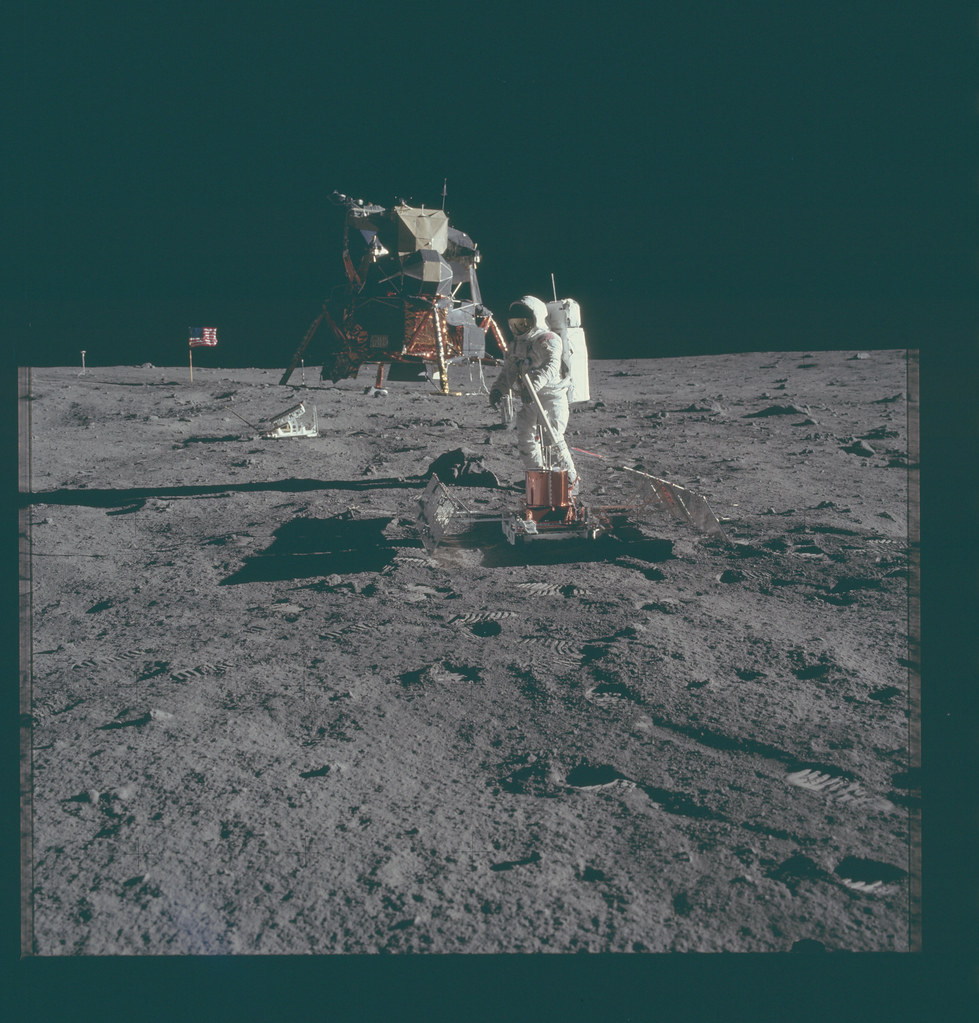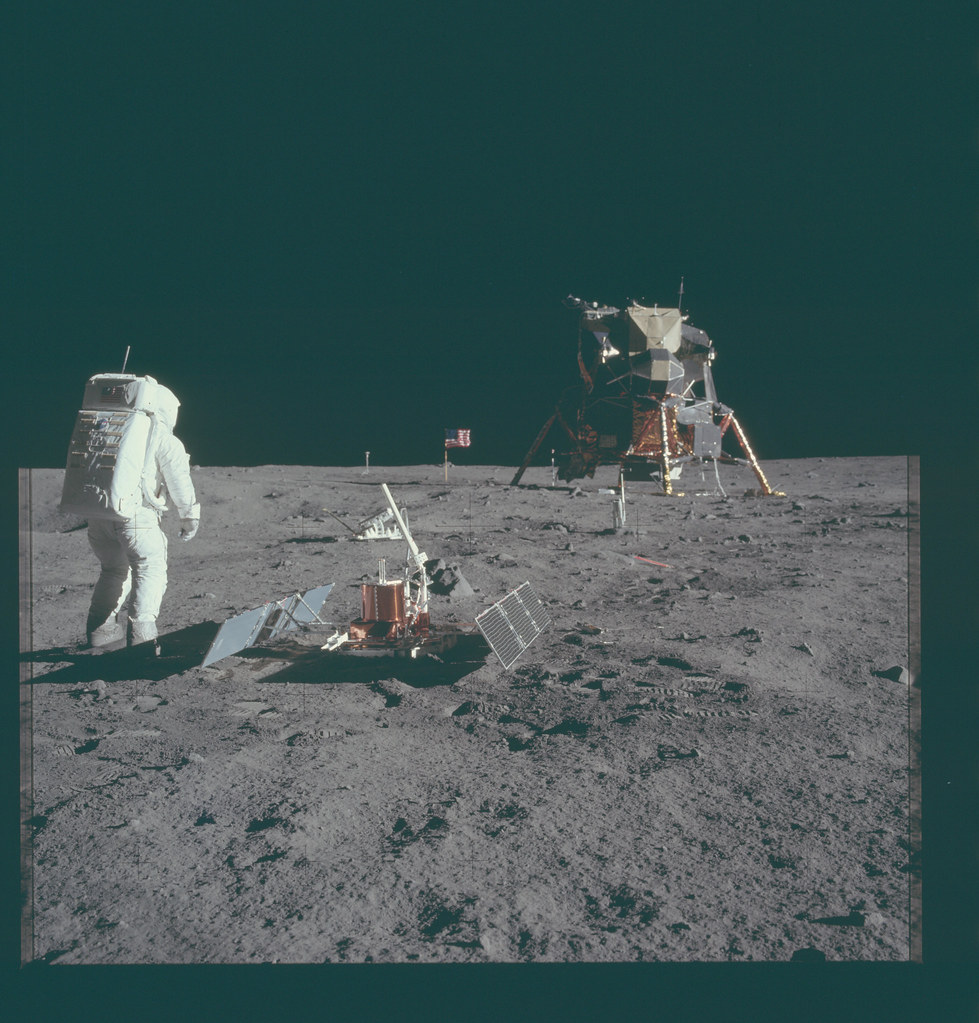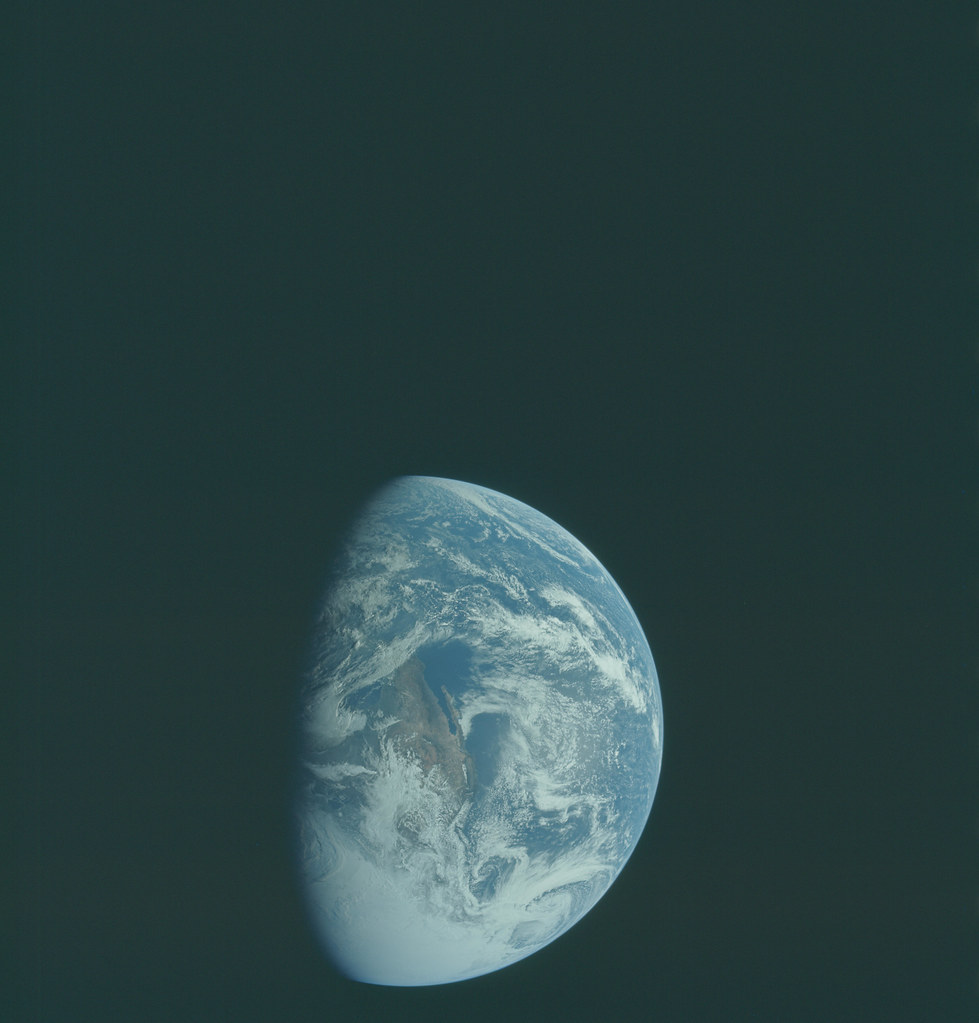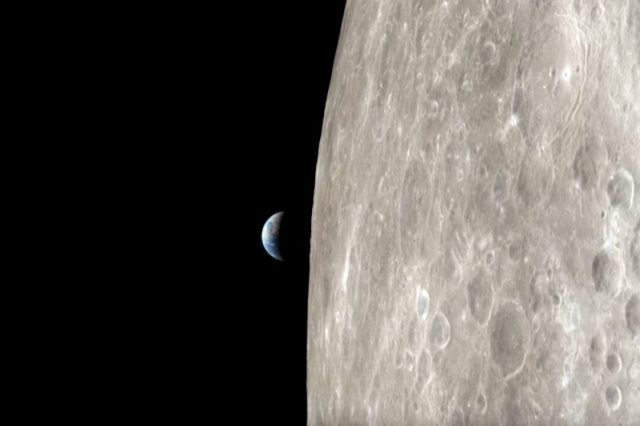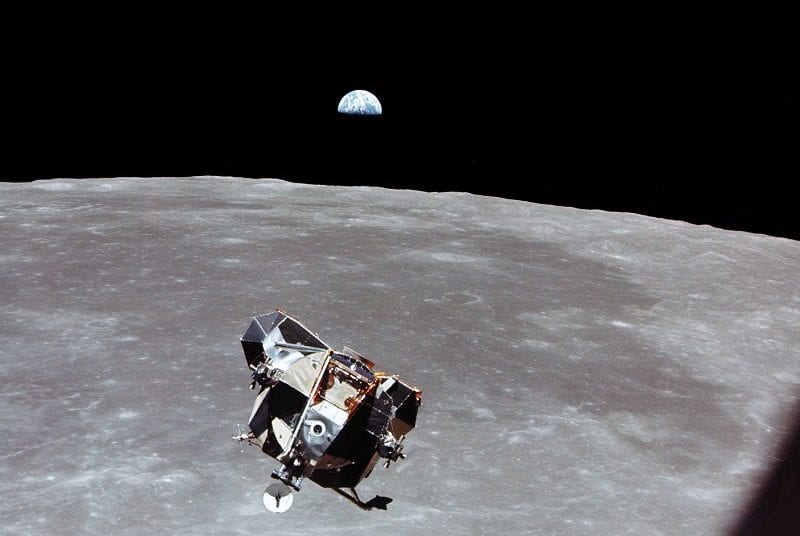

Original photographs removed from the official publication of the historic Apollo 11 moon landing come more than 50 years after we landed on the moon.
Most people know Apollo 11 through a handful of iconic images, including Neil Armstrong stepping onto the Moon and delivering his “giant leap.” A newly shared set of Apollo 11 photographs offers a wider look at what the mission’s cameras captured, including shots that were never intended as polished keepsakes.
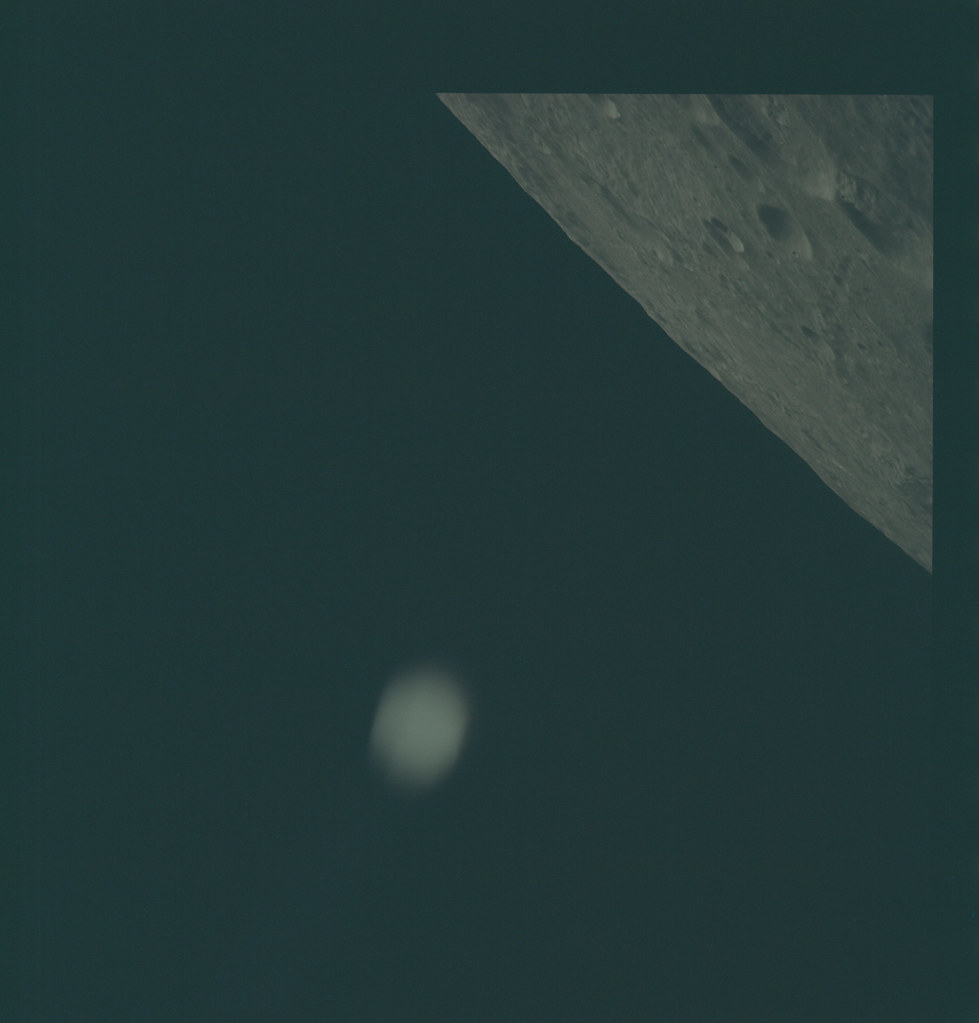
The collection includes raw frames that are sometimes blurry, sometimes poorly timed, and sometimes accidental. Taken together, the images aim to show Apollo 11 as a lived experience rather than a carefully edited sequence of highlights.
The photos go beyond the familiar shots
The best-known Apollo 11 images have circulated for decades, printed in books and repeated across documentaries and commemorations. This collection is presented as something different: not publicity stills, and not the tight selection most people associate with the mission.
Many of the frames are imperfect by design or circumstance. Some appear to be taken seconds too early or too late. Others are blurred, as if captured with a jostled hand. The value of the set, as framed here, is in those flaws: they show what the mission looked like in moments that were not staged for history.
The result is a record that includes both deliberate photographs and images taken amid the motion and disorder of space travel. It is less about producing a single definitive image than about gathering the full run of what the cameras recorded.
The online archive is tied to Kipp Teague, described as a longtime NASA data systems specialist and space enthusiast. He is credited with scanning and sharing the photographic archive online frame by frame, assembling a large collection that includes images captured intentionally as well as frames taken unintentionally.
The archive is described as a “treasure trove,” not because every frame is sharp or dramatic, but because the set preserves the odd angles, missed moments, and quiet intervals that rarely make it into official retellings.
What the crew brought back
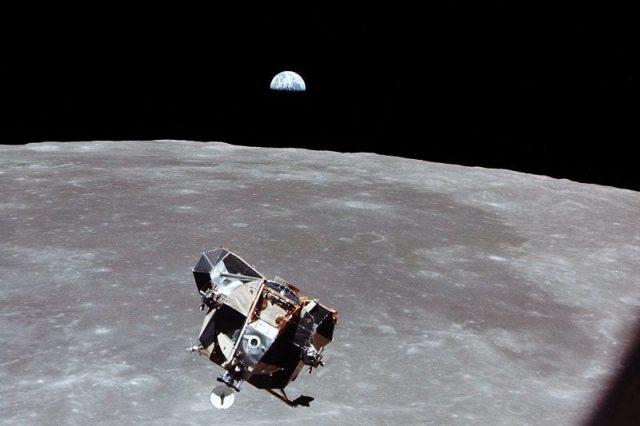
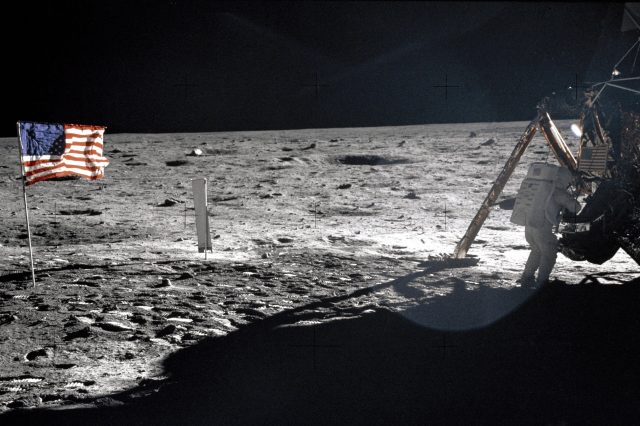
Apollo 11’s crew carried high-resolution Hasselblad cameras. Armstrong and Aldrin used them during the Moon walk, while Michael Collins photographed from orbit in the Command Module.
Together, the astronauts returned with hundreds of images. Some became widely known. Many, according to this account, faded from public view. The newly shared set pulls those overlooked frames back into circulation, including pictures that do not fit the clean narrative people expect from the mission.
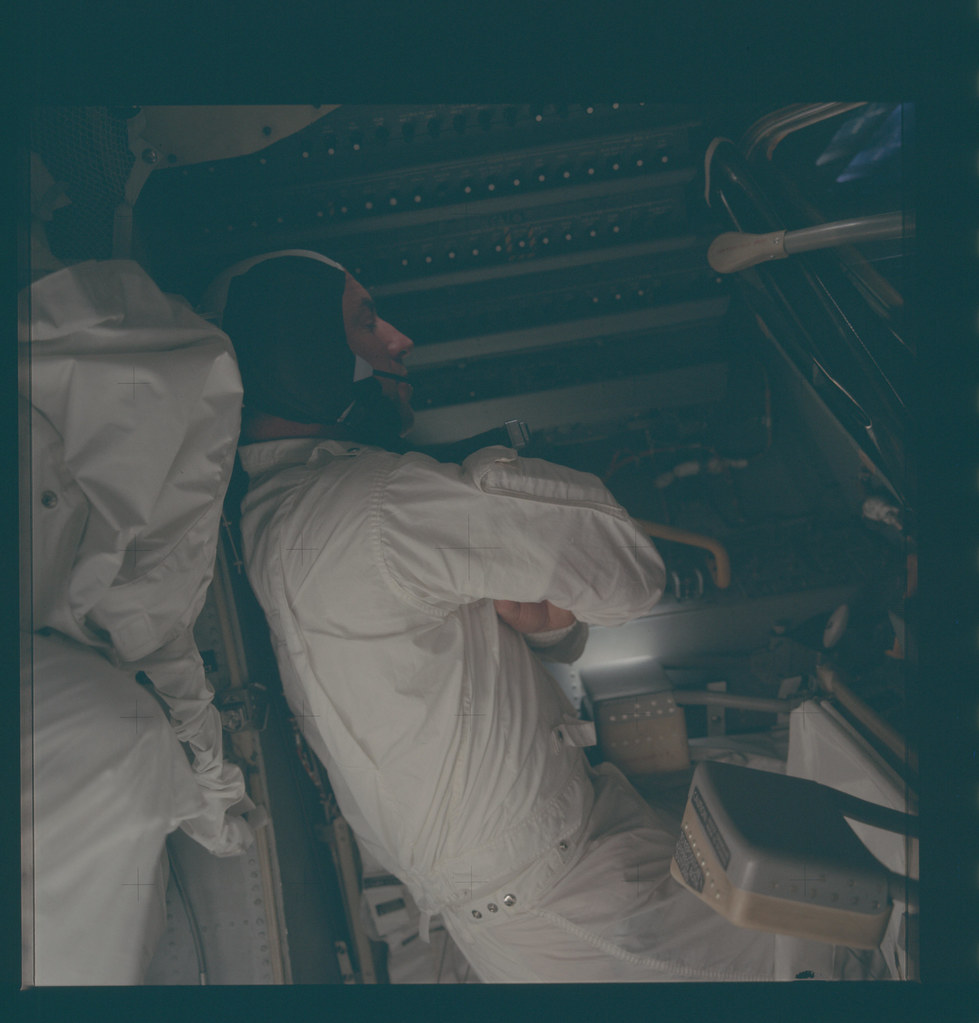
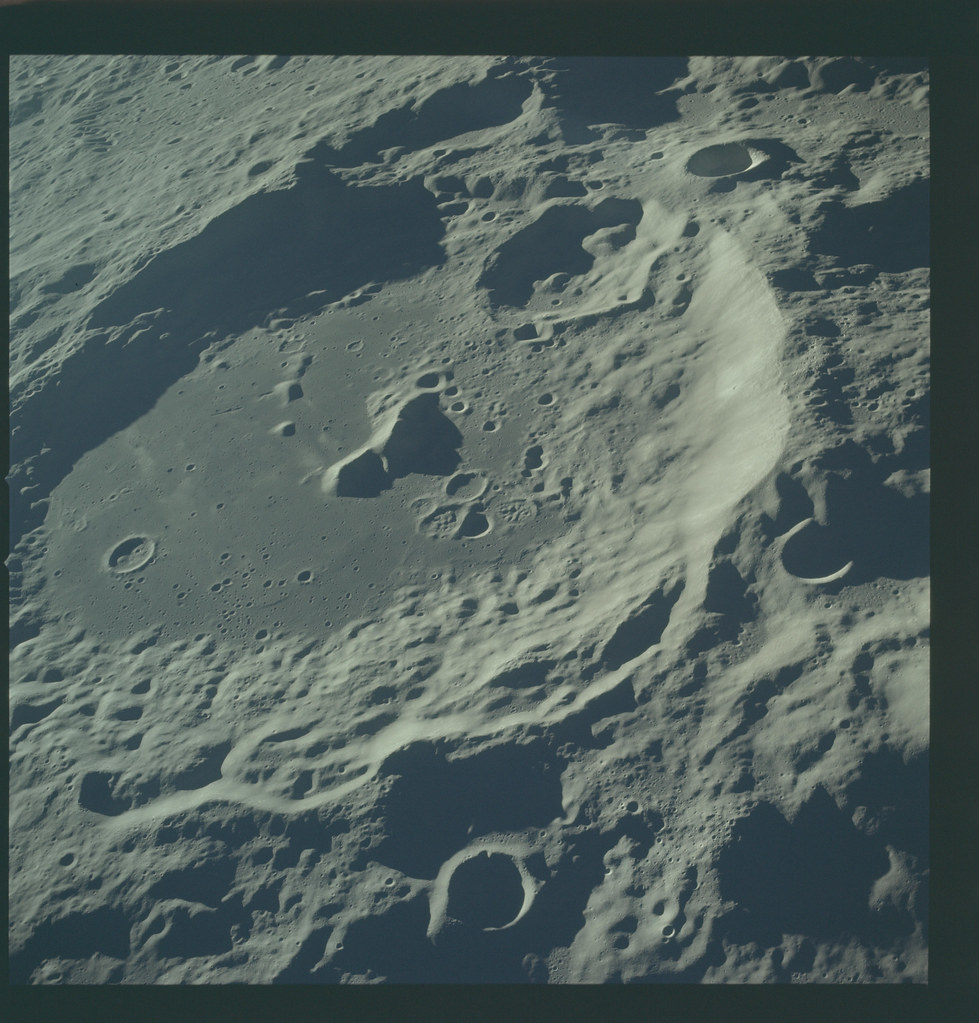
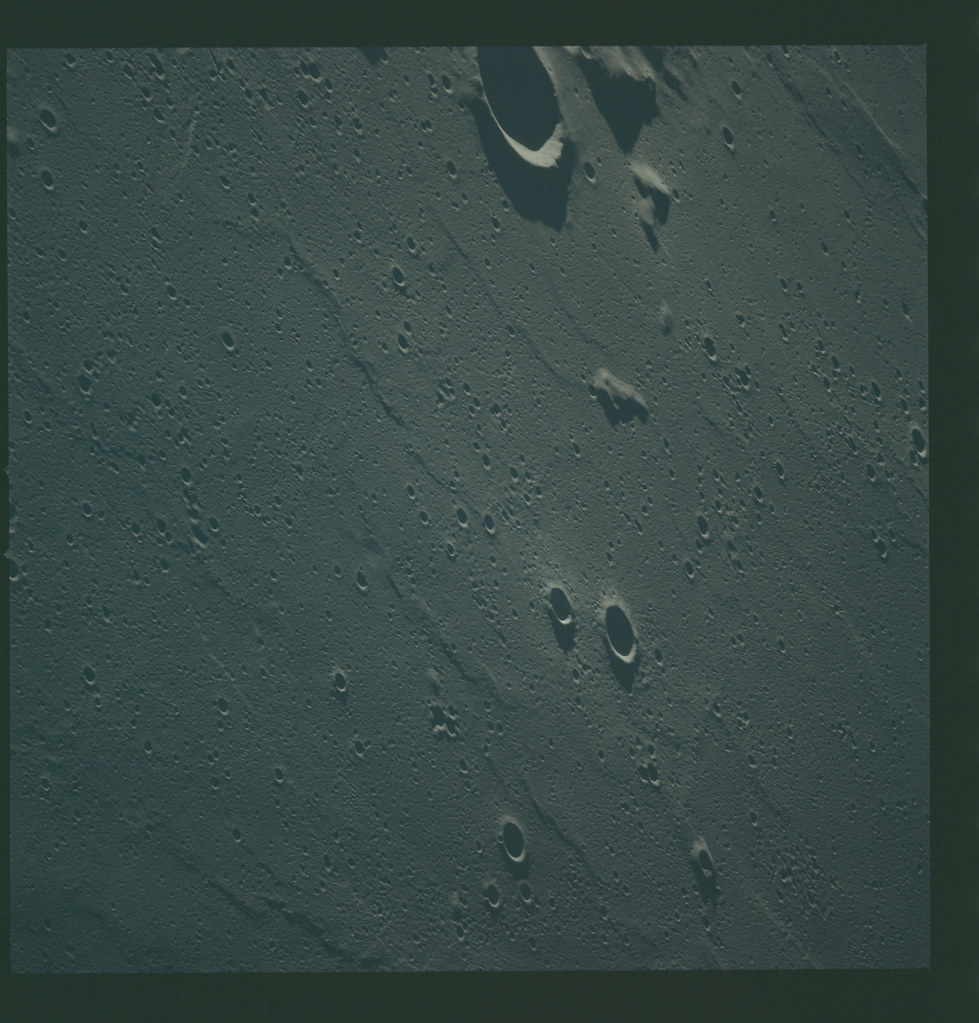
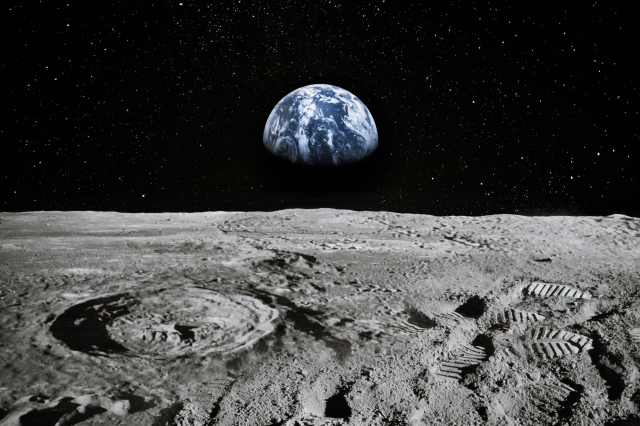
The images range from surface shots showing the Moon’s stark landscape to interior views from inside the spacecraft. The interior frames are presented as quieter, more candid glimpses of life on the mission, contrasting with the public-facing photographs that helped define Apollo 11 in popular memory.
The collection is explicit about what it does not show. It does not include “alien structures or UFOs,” a nod to fringe claims that have circulated in the past. Instead, the interest here comes from something simpler: what the mission looked like up close, including the unguarded and unplanned moments.
In that sense, the archive trades spectacle for texture. It presents the Moon landing not as a sequence of flawless images, but as an event recorded in real time, with the mistakes and limitations that come with that.
Among the images is a record of the plaque left on the Moon. It is described as signed by the three astronauts and President Nixon, with a message presented as: We came in peace for all mankind.
The plaque is framed as a small, plain object with an outsized symbolic role, documented here as part of the broader photographic record.
The collection positions itself as an expansion of a story people think they already know. By including frames that are messy, accidental, or simply unremarkable, it shifts the emphasis from the mission’s best-known images to the larger stream of what was captured.
And, please let me be clear. the point is not to overturn the Apollo 11 narrative, but to widen it. The archive suggests that even for the most photographed mission in modern history, there were still images outside the familiar frame.
A stunning series of images
Enjoy the images, and don’t forget to check out the massive archive on Flickr.