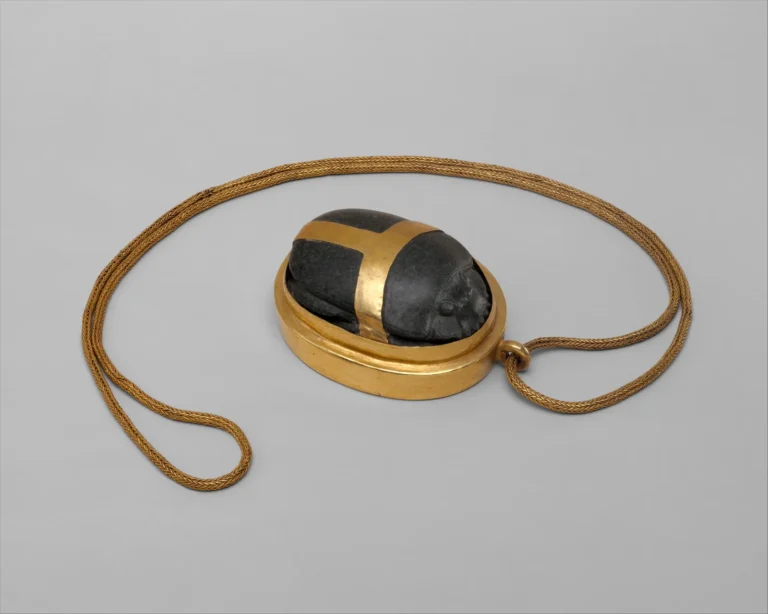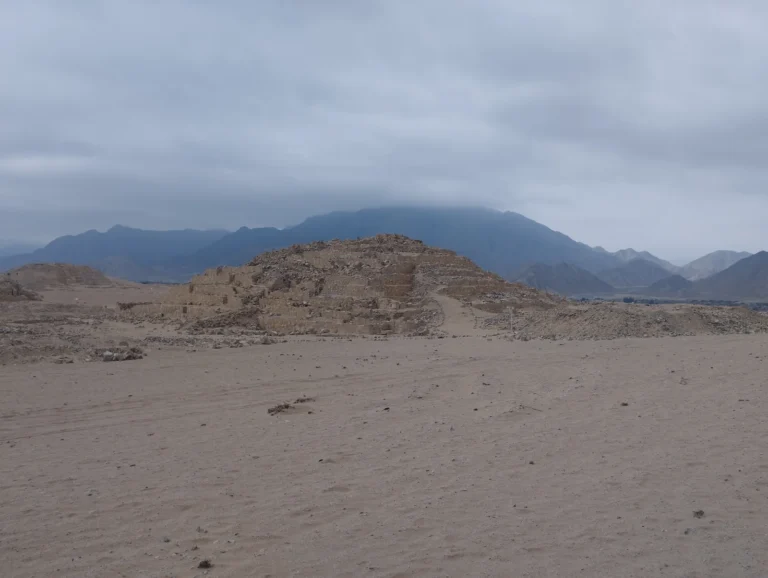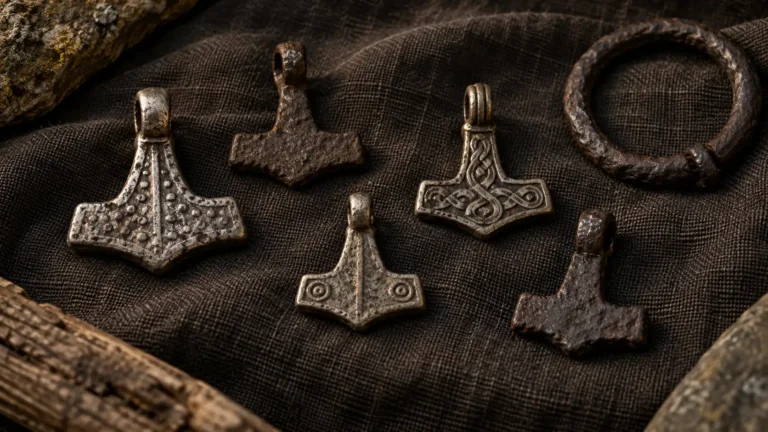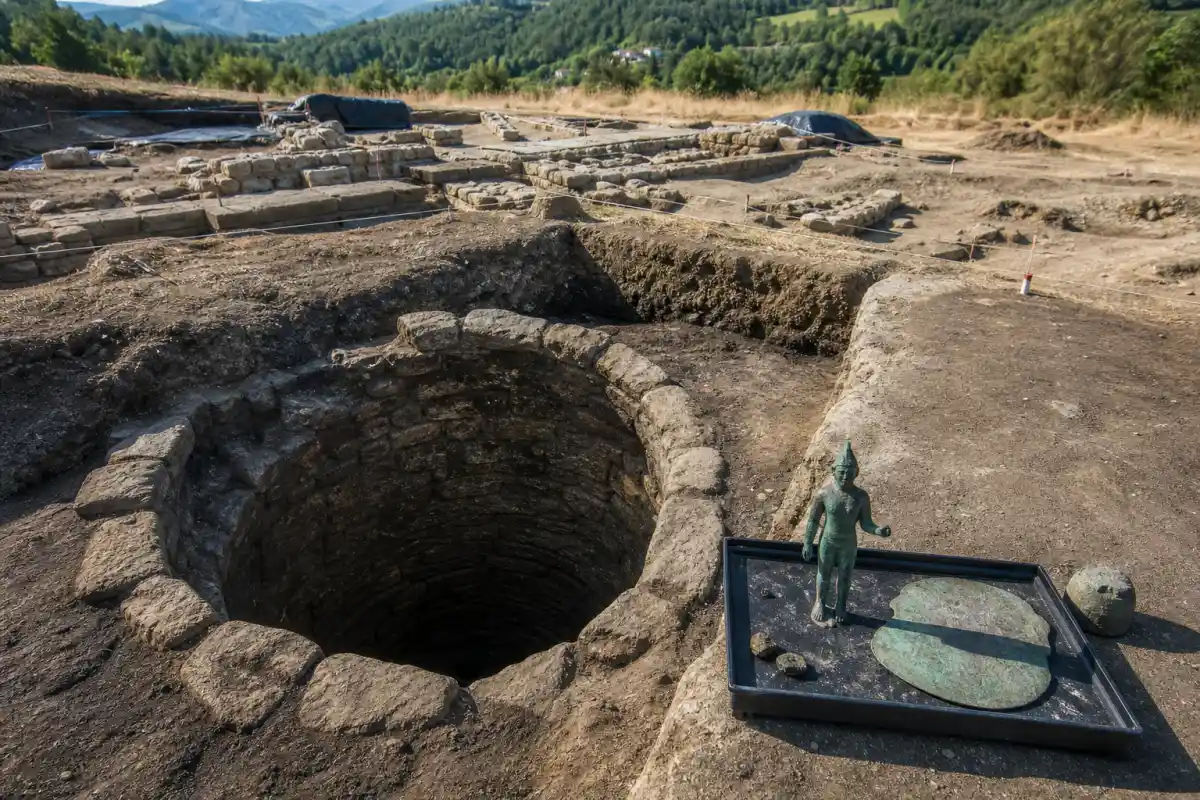
When people imagine archaeology, they often picture a spectacular object being lifted from the ground: a gold ornament, a carved stone or a decorated pot. For archaeologists, the object is only part of the evidence. The soil around it, the layer where it was found, the nearby features and the way it was deposited may tell a much larger story.
That surrounding information is called archaeological context. In simple terms, context means the relationship between an artefact and everything connected to it. A coin in a sealed floor can help date a room. The same coin found loose in a field may have been dropped centuries later and tell us very little about the building.
Context begins with location. Archaeologists record the exact position of a find, its depth, orientation and relationship to walls, pits, hearths, burials or other objects. They also describe the soil and the layer in which it appeared. These details are not paperwork added after the exciting part. They are what allow the discovery to be tested later.
Layers are especially important because most archaeological sites were built, used, altered and abandoned more than once. A later floor may cover an earlier one. A wall may cut through an older deposit. A pit may be filled with material from somewhere else. Archaeologists therefore ask two linked questions: “What is this?” and “When did it enter this place?”
The answer is often found in associations. A cooking pot beside animal bones, ash and a hearth suggests a different activity from the same pot placed beside figurines in a restricted room. Neither interpretation comes from the pot alone. It comes from the group of evidence and the way those pieces relate to one another.
This is why the recent discussion of houses at Göbekli Tepe matters. The question is not simply whether archaeologists found walls. They are studying the buildings’ floors, installations, access points and associated material to ask how the spaces were used. A structure can host more than one activity over its lifetime, so the context has to be read carefully rather than forced into a single label.
Inscriptions work the same way. A text can be translated, but its archaeological context may reveal whether it belonged to a public monument, a tomb, a sanctuary or an ordinary person’s private activity. The recent Ramesses II inscription from Egypt gains meaning from the place where it was found and the historical landscape around it. Roman writing tablets from Belgium show another side of the problem: everyday words become much more useful when archaeologists know what kind of building held them.
Context also protects against false conclusions. A traded object can travel far from the place where it was made. A burial can be reopened and reused. A flood can move artefacts from one layer into another. Without the surrounding evidence, a modern observer may mistake movement, reuse or looting for the original activity.
Excavation makes the issue even more important because digging changes a site permanently. Once a layer has been removed, it cannot be put back exactly as it was. Detailed plans, photographs, soil samples, notes and three-dimensional records are the way archaeologists preserve information after the ground has been disturbed.
Looting destroys context while leaving the object behind. A vase removed from a tomb may still be beautiful, but its date, associations and meaning can be lost. That is why responsible archaeology values the ordinary fragments around a famous artefact: they often provide the evidence needed to understand what the object was doing there.
Archaeological context does not make every interpretation certain. It gives researchers a chain of evidence that can be compared, challenged and improved. The most important question is rarely where the impressive object ended up. It is what the object was connected to before anyone found it.
Featured image: Curiosmos illustration created for this report from the cited archaeological research.
For a current example of why location changes an interpretation, see our report on the buildings at Göbekli Tepe.