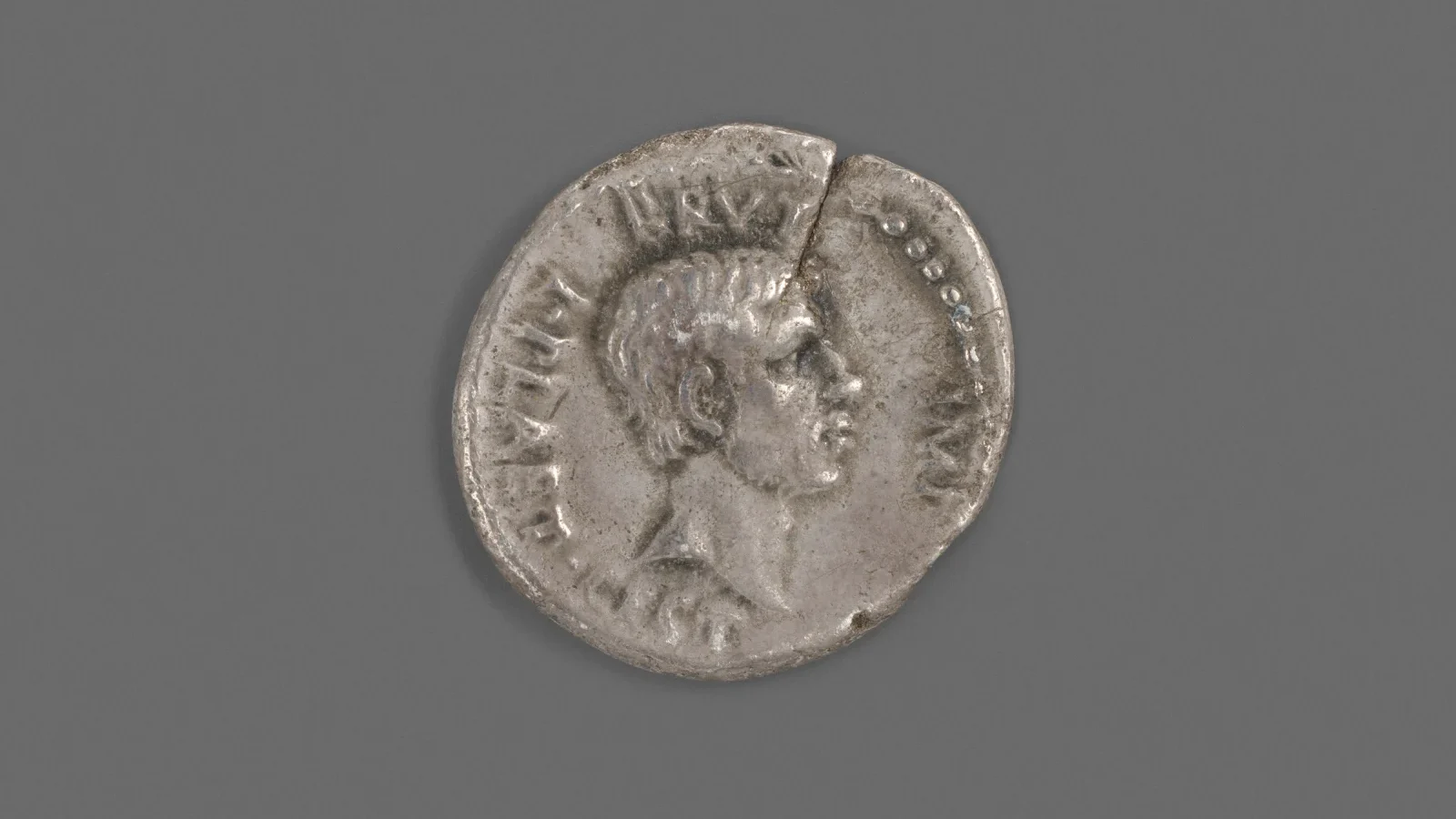
Imagine finding a Roman coin hundreds of miles from the place where it was made. Who carried it there? A soldier, a merchant, or someone whose journey has left no other trace?
One coin leaves those questions open. Put thousands of recorded finds on a map, however, and a different story begins to emerge: the connections between communities that kept money moving.
Following the money between ancient places
In a study published in June, Eduardo A. Haddad and Inacio Araujo examined Roman coin evidence spanning 155 BCE to AD 2. Their selected material included nearly four million coins, but the analysis centered on records connecting identifiable mints and findspots. This kept exceptionally large hoards from dominating the picture simply because they contained more coins.
Keep exploring
Continue with Curiosmos
The researchers compared that pattern with transport connections and archaeological evidence for different kinds of places. Civic, economic and religious infrastructure helped explain where coin records concentrated. Distance became a weaker barrier over time, consistent with growing connections across the Roman world.
A September account from Agência FAPESP describes the question behind the work: how did territories become economically connected after conquest? Haddad explains that military activity could introduce currency, while enduring civic and commercial institutions helped sustain demand for it.
A map of connections, with journeys still to discover
Consider a hypothetical coin minted in Rome and eventually buried in a distant town. The two endpoints are useful evidence, part of the broader importance of recording where an ancient object was found. Between them, it might have changed hands repeatedly. A direct line on a map compresses all those missing encounters into one connection.
That is why the study’s distinction between recorded presence and individual transactions matters. Hoards preserve selected moments of saving, loss and burial; they do not provide an ancient bank statement.
The transport model also brings a chronological wrinkle: its network broadly represents conditions around AD 200, later than the coin sample. The authors acknowledge differences between the periods represented by their datasets and interpret broad spatial relationships rather than exact snapshots.
What made money stay?
The intriguing question extends beyond how far a coin traveled. What made it useful when it arrived?
Markets, public spending and places where people regularly gathered offer ways to explore that question. FAPESP’s account describes a changing geography, from Rome and its closely connected Italian surroundings to territories undergoing incorporation. The role of money could change as those places developed.
For readers accustomed to seeing ancient coins as portraits and inscriptions, this opens another view. Their findspots can help reveal the relationships between places—and suggest where the next archaeological question should begin.