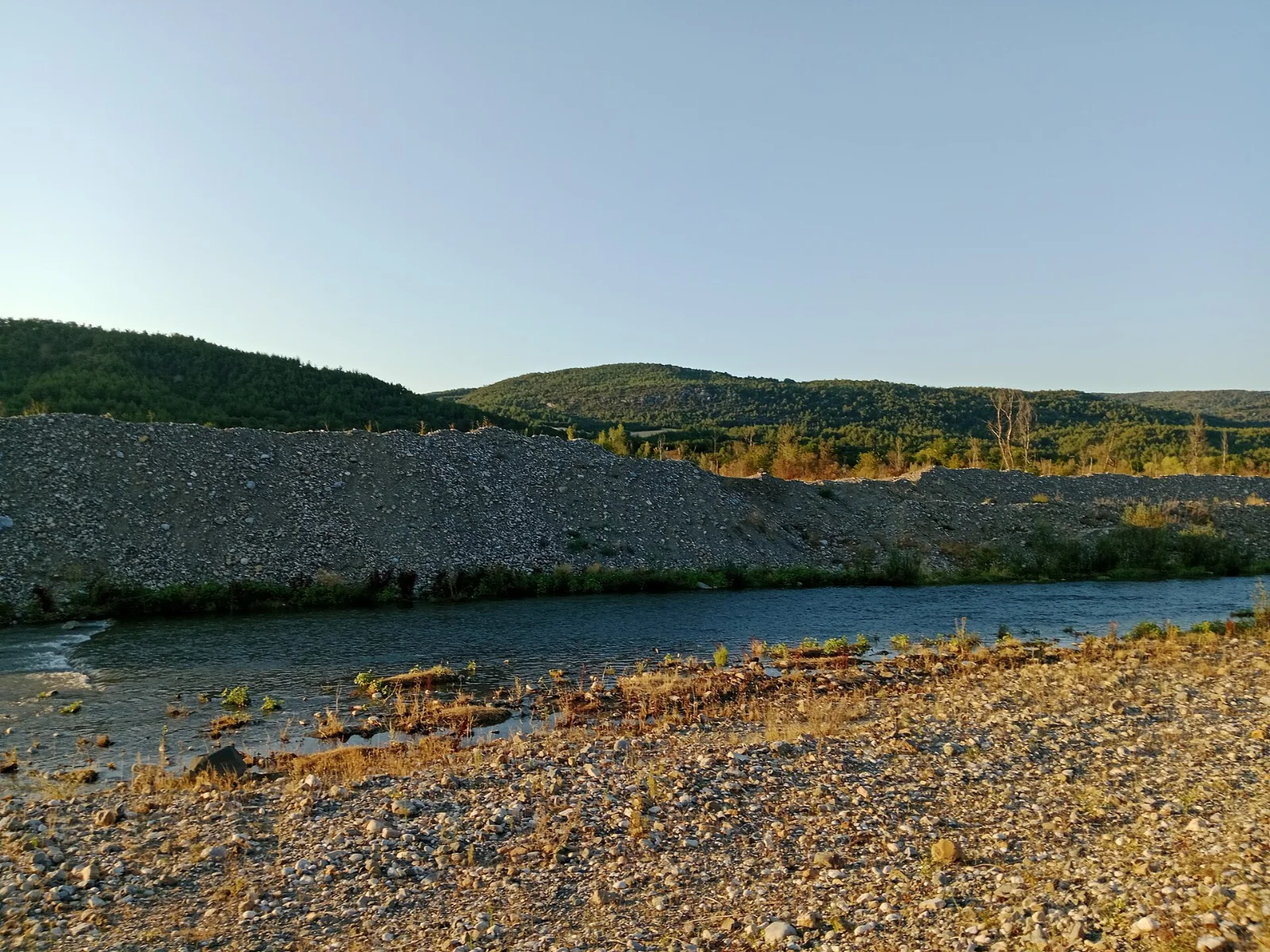
A Stone Age site in northern Türkiye that researchers have compared to Göbeklitepe could end up underwater. Kahintepe, a hilltop in Kastamonu province where excavators found carved stone animals, T-shaped objects and a prehistoric stone workshop, lies in the area of the Filyos Dam project. On 24 November, an archaeologist from Kastamonu University called for digging to resume before it is too late.
The appeal, by Hikmet Haberal and reported by the local outlet Kastamonu Gündem, asks for the excavations to restart and for projects that would keep the site from being submerged, Arkeonews reports. No completion date or flooding timeline for the reservoir has been made public.
At a glance
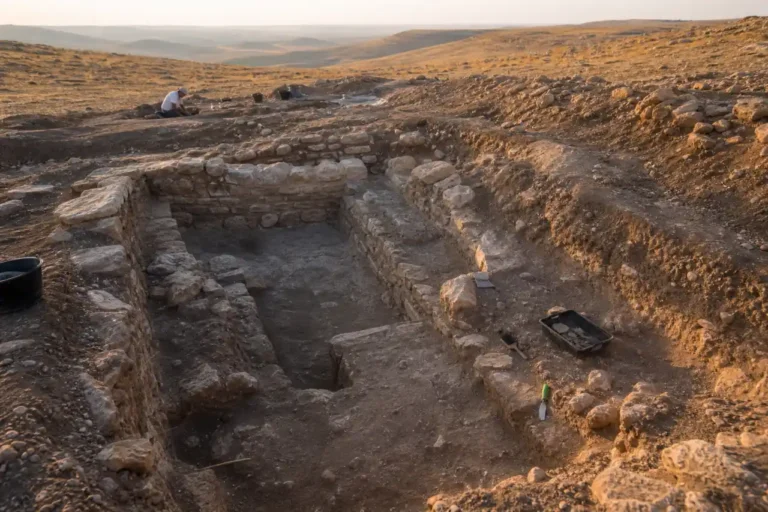
- Where: Kahintepe, a rocky hill about 4 km from Araç in Kastamonu province, above the Araç River valley.
- Age: a Pre-Pottery Neolithic layer that excavators estimated at about 12,000 years old, with an Early Bronze Age phase above it.
- Finds: stone bears, bulls, boars, gazelles, snakes and birds of prey, T-shaped objects and an eagle head sculpture.
- Threat: the site was dug as a rescue excavation for the Filyos Dam, and archaeologists are asking for the work to restart.
What was found on the hill
Excavations began in 2018 under the Kastamonu Museum, with scientific work led by Dr Nurperi Ayengin of Düzce University. The site covers roughly 150 by 80 metres of farmland and woodland. In 2019, Ayengin told Anadolu Agency that the Neolithic layer “dates back to 12,000 years ago” and that “it is the oldest settlement in the Black Sea region to date”, as quoted by the Hürriyet Daily News.
The finds are what earned the Göbeklitepe comparison. They include stone figures of bears, bulls, wild boars, gazelles and snakes, and of eagles, hawks, vultures, ducks and sparrows, carved from serpentine, basalt, marble, flint and radiolarite. Some carry traces of red ochre and black pigment. There are also stone uprights, stylised T-shaped objects, an eagle head, and a carved bull’s horn that recalls motifs on Göbeklitepe’s pillars.
Two other features stand out. Eye-shaped serpentine objects had not been seen at contemporary sites, according to an article Ayengin wrote for Atlas magazine in 2020. And a rounded structure linked to stoneworking was interpreted as a prehistoric workshop; “there was a serious production in this stone workshop,” she said. In 2020, Ayengin described Kahintepe to Archaeology magazine as “a sacred area where people came at certain times of the year.”
How solid is the dating?
This is where caution is needed. In 2020, Ayengin reported that no suitable radiocarbon samples had been recovered from the Neolithic layer. The site’s age therefore rests mainly on the style of its stone tools and objects, not on laboratory dates. Later Early Bronze Age offering pits also disturbed parts of the older deposits. The 12,000-year figure is a reasonable estimate from experienced excavators, but it has not been tested the way the dates at Göbeklitepe have.
Our take: why this site matters, and what is at stake
If the dating holds, Kahintepe would extend the world of Göbeklitepe-style symbolism north to the Black Sea, more than 600 km from the famous sites of southeastern Türkiye. Similar-looking objects do not prove direct contact, though, and the Arkeonews report makes that point too.
There is a sobering precedent. Nevalı Çori, one of the key early Neolithic sites in Şanlıurfa province, was flooded by the Atatürk Dam reservoir in the early 1990s, despite rescue digs and efforts to move parts of its architecture to a museum. Once a site is underwater, the questions it could have answered go with it. For Kahintepe, those questions are basic ones: a secure radiocarbon date, and a full publication of what was found.
The Neolithic of Anatolia is one of our most-read subjects. Explore Karahantepe’s 11,000-year-old person-and-leopard sculpture, the Kilisik sculpture, and the question of how archaeologists tell a settlement from a ritual complex.