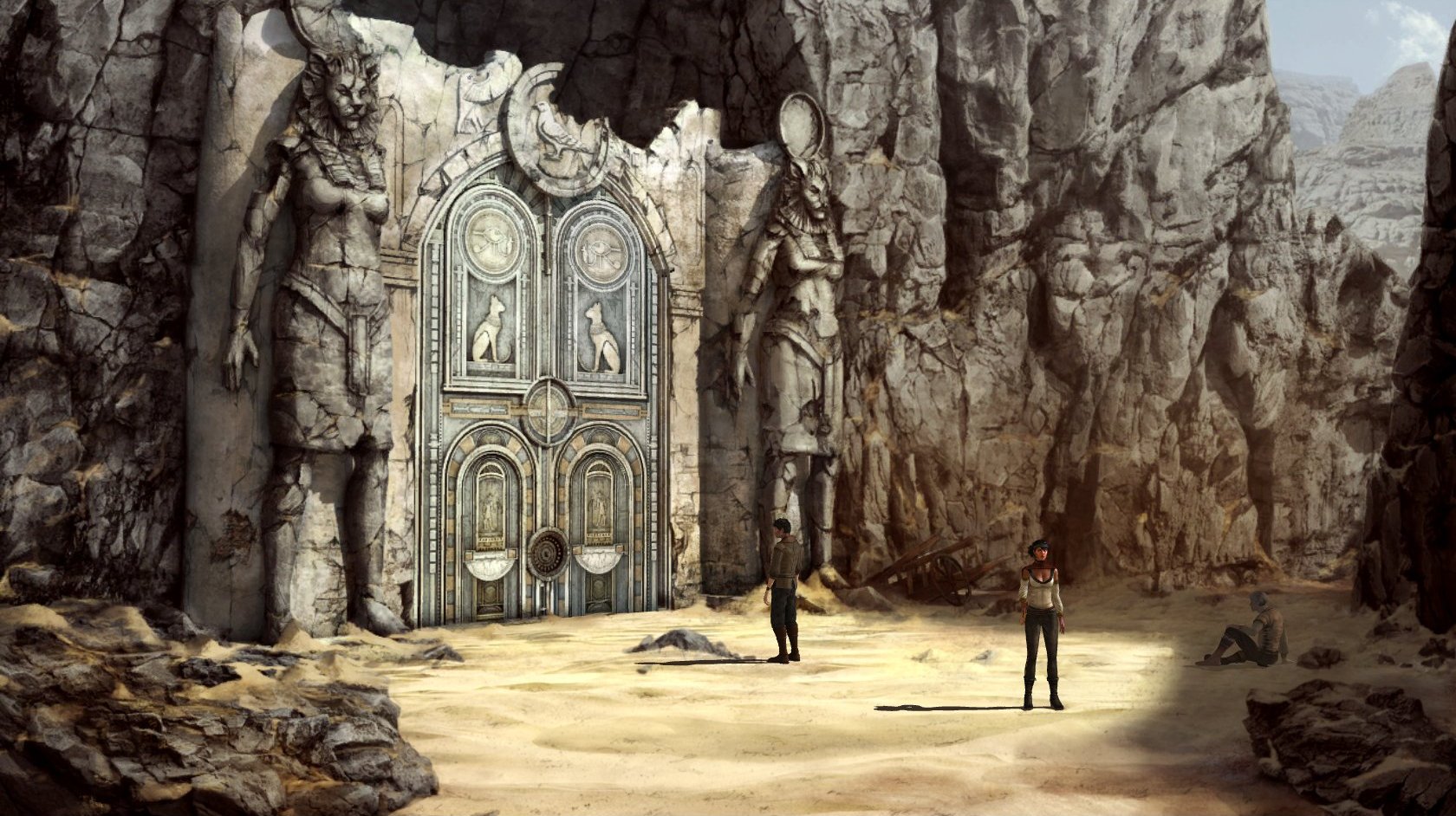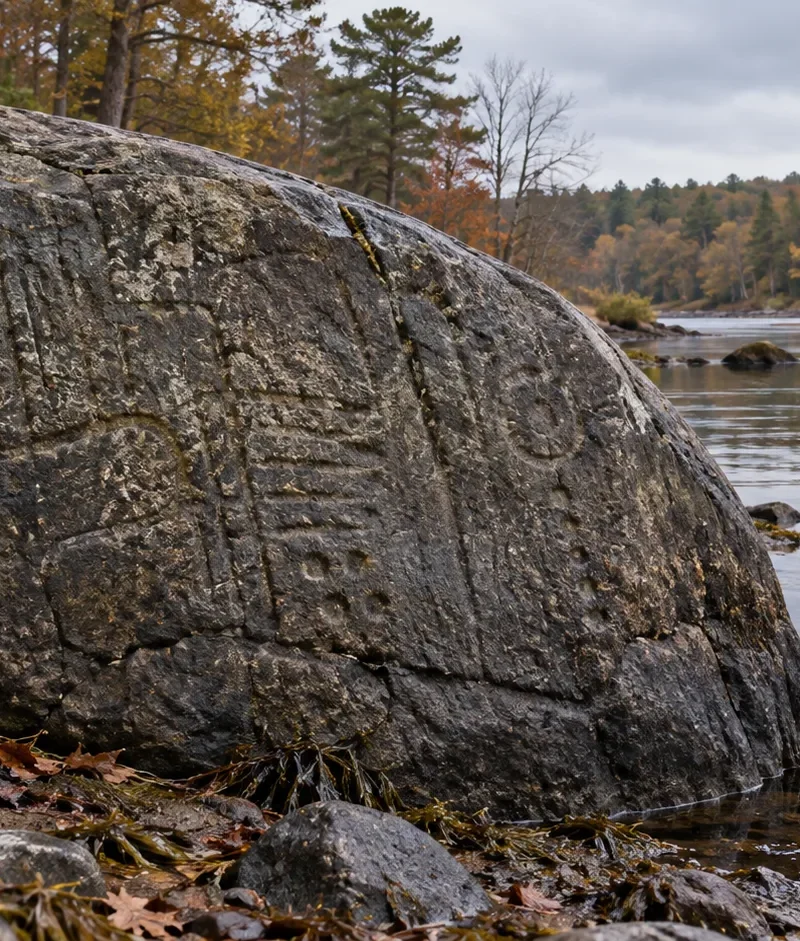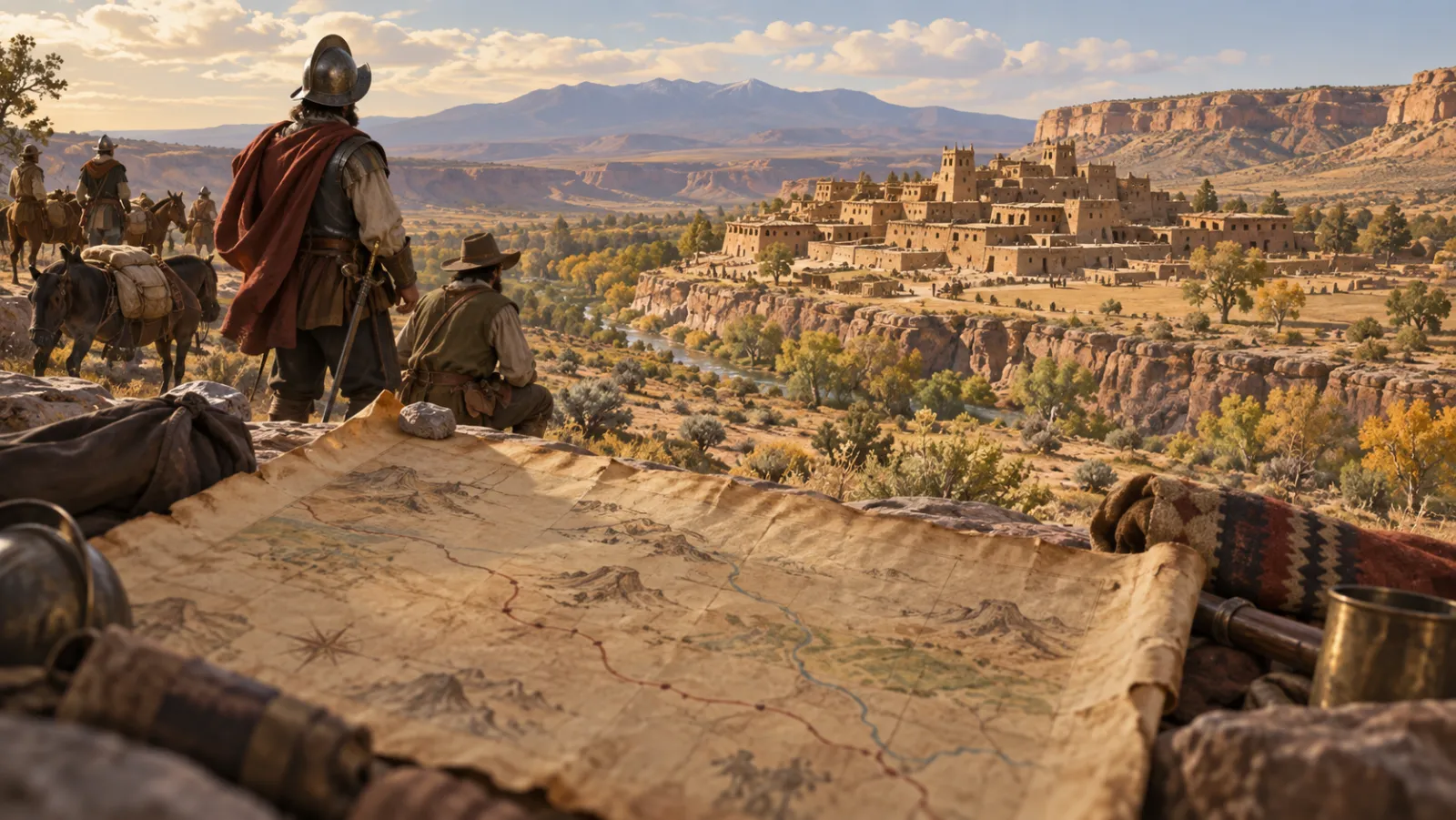
In 1540, a Spanish expedition set out toward seven cities said to glitter with gold. The name attached to them was Cíbola. Francisco Vázquez de Coronado crossed deserts, river valleys and the Great Plains looking for the kingdom. He found real Indigenous towns, but no streets of gold.
The journey began with a report from a friar who said he had seen the cities from a distance. Each retelling gave the place more wealth and detail. By the time Coronado reached the Zuni settlement of Hawikuh, a rumour had become a royal expedition. The gap between those two things is where the story gets interesting.
A friar’s report becomes a destination
Spanish accounts describe reports gathered during earlier journeys north from New Spain. Fray Marcos de Niza returned from a reconnaissance claiming to have seen the Seven Cities of Cíbola. His account persuaded Viceroy Antonio de Mendoza to send Coronado north with soldiers, Indigenous allies, servants, livestock and priests.
Keep exploring
Continue with Curiosmos
There was more at stake than treasure. A route north could give Spain a claim to new territory, open a path for missionary work and perhaps reveal wealth like that found farther south. An official looking for reasons to expand had every reason to take a promising report seriously.
Hawikuh, not a city of gold
In July 1540, Coronado’s force reached Hawikuh, a Zuni Pueblo in what is now western New Mexico. The National Park Service describes the stark mismatch: the expedition found a rocky settlement, not a city filled with goldsmiths’ shops.
Coronado’s letter to Mendoza, sent on August 3, is unusually revealing. He says the settlements were smaller and poorer than de Niza had described and complains that the country lacked the riches promised by the friar. It is also a report to the official who had financed the journey, written after the expedition had met a costly disappointment.
The people of Hawikuh were not the remains of a vanished kingdom. They lived in a place with its own history, farms, buildings and political ties. Spanish forces attacked the settlement and drove out its residents before using the area as a base for further exploration.
The next rumour lay farther east
After Hawikuh failed to match the story, Coronado’s party heard of another place: Quivira. An Indigenous man whom the Spaniards called “the Turk” guided them east across the Plains in 1541. The route took the expedition through a very different landscape from the pueblos of New Mexico.
At Quivira, the Spaniards again found an Indigenous community rather than a stone-built kingdom. The University of Nebraska–Lincoln identifies the destination with a Wichita community. Its homes and grass structures were real, but they did not fit the Spanish picture of a wealthy city.
By then, months of travel had carried the story through several languages and political interests. Each failure could be explained away: perhaps the treasure lay beyond the next ridge, or a guide had named the wrong place. The expedition kept going because the report still promised what its sponsors wanted to find.
How the legend outlasted the search
Coronado returned to New Spain in 1542. The cities of gold had not appeared, yet the expedition left records of rivers, animals, routes and communities unfamiliar to Spanish mapmakers. Those documents preserved the name Cíbola alongside a much larger fantasy of hidden wealth.
Seven cities made a tidy story. A scattered network of communities could be compressed into one kingdom, then placed just beyond the next stretch of open country. Later readers often remember the quest as an adventure in search of a lost civilisation. The accounts show a harder history: the search moved through lived-in places, and Spanish expectations shaped what the expedition thought it saw.
Archaeology has not uncovered a single golden capital behind the legend. Hawikuh and other Pueblo places have their own histories, which can be studied through buildings, objects and the records of descendant communities. None of that turns de Niza’s promised treasure into an archaeological fact.
There is still plenty to trace: the route of the expedition, the reports that sent it west, and the way a place name gathered new meanings as it passed between people. Cíbola was never the city Coronado hoped to find. The map it left behind tells us what Spain wanted the continent to contain—and the communities that were already there.
Sources and further reading
- Arizona: Coronado National Memorial, National Park Service.
- Coronado’s Seven Cities continued, National Park Service.
- Coronado’s Report to Viceroy Mendoza, August 3, 1540.
- Coronado, Encyclopedia of the Great Plains, University of Nebraska–Lincoln.
- The First to Blaze the Santa Fe Trail, National Park Service.
For more on how stories of vanished civilisations take shape, see The Hunt for Civilizations Lost Before History.