The Great Sphinx has real tunnels, shafts and cavities. What it does not have—at least not in the published archaeological record—is a confirmed “subterranean world” or a hidden Hall of Records beneath its paws. The difference between those two statements is where the interesting story begins.
For more than two centuries, explorers have opened or recorded passages in and around the monument. Some are ancient, some relate to later investigation and restoration, and several remain difficult to interpret. Treating every opening as part of one secret network turns a complicated site into a legend.
What the Sphinx actually is
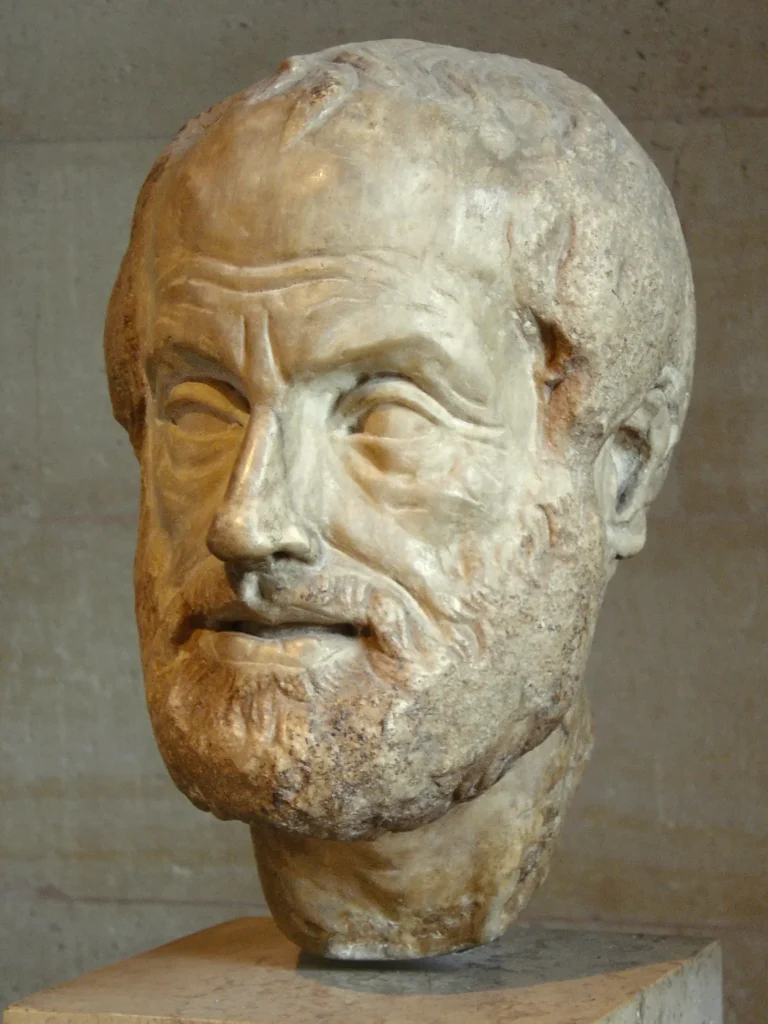
The Sphinx is a colossal limestone sculpture carved from the bedrock of the Giza plateau. Its lion’s body and human head form part of the Fourth Dynasty landscape associated with the pyramid complex of Khafre, although questions about its precise construction and later repairs continue to be studied.
The monument was not built as an entrance to an underground city. Its body sits on uneven limestone, with natural fractures and layers that have been shaped by quarrying, weathering and repeated restoration. Those geological conditions make cavities possible without making every cavity a designed chamber.
A passage behind the head
Historical accounts describe a narrow passage cut into the rock behind the Sphinx’s head. In his study of the monument’s restoration history, Zahi Hawass records an earlier tunnel associated with Henry Vyse’s investigations. Such passages are evidence of people entering or testing the monument; they are not, by themselves, evidence of a hidden archive.
The passage’s location has also encouraged a powerful visual story: that a doorway in the back must lead to a larger interior. Archaeology does not work from appearance alone. Researchers need a measured plan, datable material and a clear relationship between a passage and the monument’s original construction.
The tunnel near the rear of the body
Archaeologists and conservation teams have also documented a tunnel or passage near the Sphinx’s rear. A Harvard Giza publication records reports from the Giza authorities of a passage beneath the rump. The wording is important: a reported passage is not the same thing as a fully excavated corridor with a published sequence of chambers.
Some openings may be ancient, while others were cut or enlarged by later explorers and restorers. A rough-hewn tunnel can preserve traces of old work and still fail to reveal its original purpose. The site’s long history of clearance makes it essential to separate an opening’s location from the date and reason for its creation.
What lies beneath the body?
Investigations have identified cavities and water pockets in the limestone around the Sphinx. In a PBS interview, Hawass described conservation work and earlier reports of shafts and spaces near the monument. These observations are compatible with the geology of the plateau and with ancient and modern cutting, but they do not establish a vast chamber system.
The best-known claim—that a “Hall of Records” containing the lost knowledge of Atlantis lies under the Sphinx—comes from modern esoteric literature, not from an Egyptian inscription or an excavated archive. It should be reported as a legend. The existence of real tunnels does not turn the legend into a discovery.
Why the stories became tangled
Giza is a dense landscape of monuments, tombs, shafts and temples. The Sphinx enclosure, the Khafre complex, the so-called Osiris Shaft and later tombs all sit within the same plateau. A photograph can make nearby features look connected even when they belong to different periods and functions.
The word “entrance” also creates a false sense of certainty. An entrance implies a destination. In an archaeological report, an opening may be a quarry cut, a repair trench, a looter’s passage, a natural cavity or the start of a chamber whose end has not been established.
How archaeologists test a hidden-space claim
Researchers combine measured drawings, excavation records, geological mapping and non-invasive techniques such as ground-penetrating radar or electrical surveys. A credible claim needs a reproducible location, a clear method and results that other teams can evaluate. A suggestive scan or an old traveller’s account is a lead, not a completed discovery.
That standard does not make the Sphinx less mysterious. It explains why the monument continues to reward careful work. A small cavity can reveal how ancient builders quarried the rock, how later Egyptians restored it or how water moved through the plateau. Those are genuine questions with archaeological consequences.
What remains unresolved
Several passages and cavities around the Sphinx deserve documentation, conservation and, where authorities permit it, further study. Their exact dates and functions are not all settled. What can be said with confidence is narrower than the popular story: the Sphinx has real internal features, but no published evidence demonstrates an underground city or a secret archive beneath Giza.
Harvard’s study of the Sphinx’s restoration history, the Giza research volume discussing passages beneath the rump and the Digital Giza record for the Sphinx are better starting points than recycled “Hall of Records” claims.