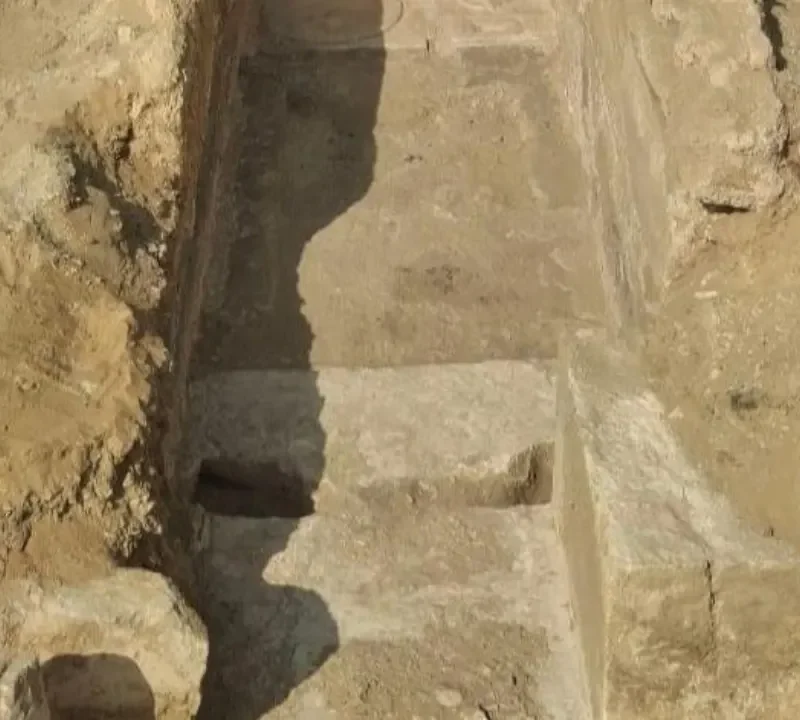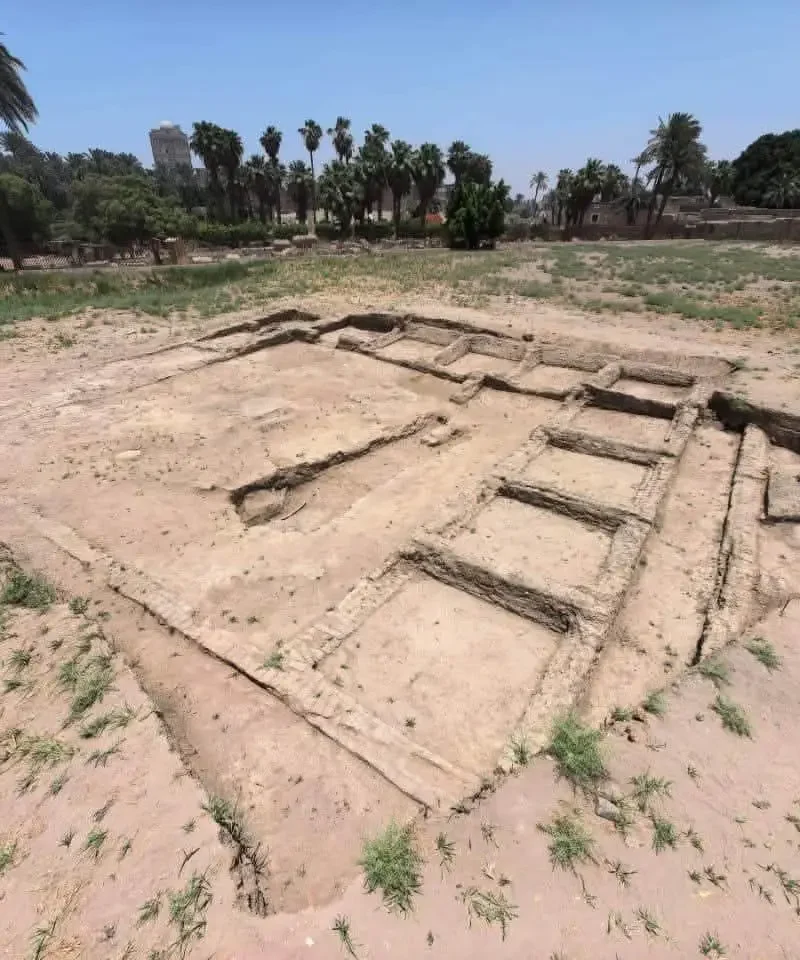
Finding an ancient structure does not always mean that archaeologists should uncover all of it immediately. In some cases, the most responsible decision is to leave part of a site in the ground. Soil can protect fragile walls, organic material and pigments, while future researchers may have better tools for studying them without causing irreversible damage.
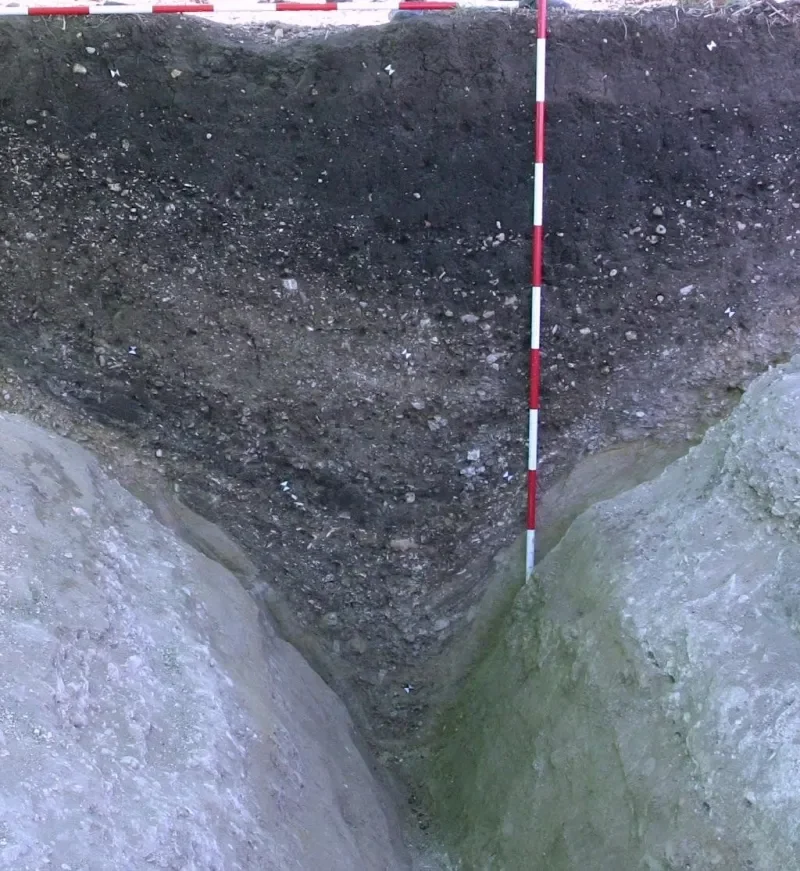
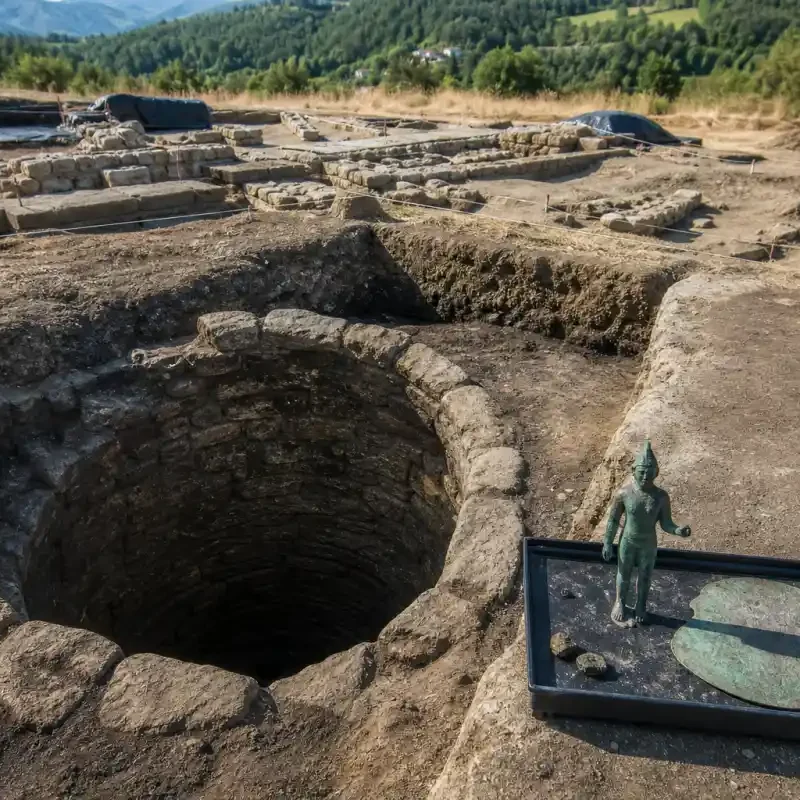
Excavation is a form of investigation, but it is also a form of destruction. Once a layer is removed, the original arrangement cannot be restored exactly. Archaeologists preserve the evidence through drawings, photographs, samples and digital records, yet no record can replace the undisturbed deposit itself.
Conservation is one reason to stop. Mudbrick can collapse when it dries. Wooden objects can decay as soon as they meet oxygen. Paint, textiles and human remains may need controlled conditions that a field excavation cannot provide. A site may therefore be covered again after documentation so that the material remains stable.
Keep exploring
Continue with Curiosmos
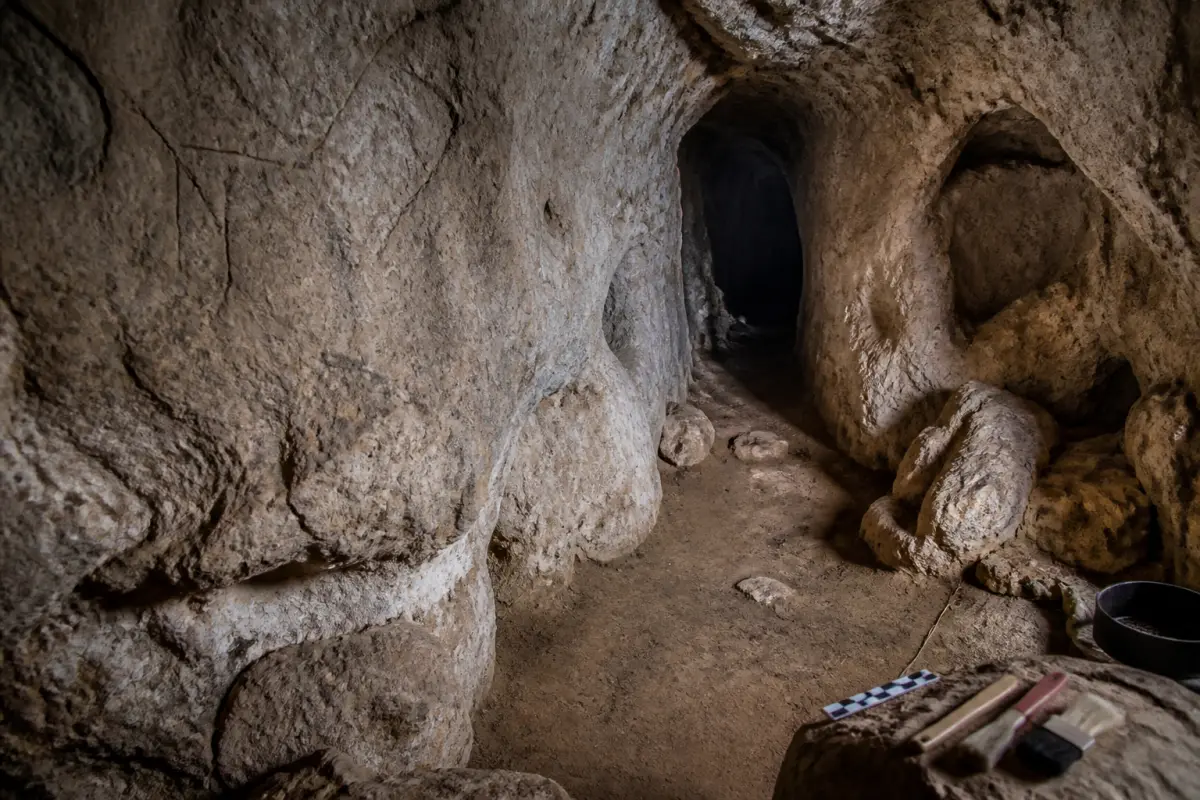
Context is another reason. A sealed room or burial can contain relationships that researchers do not yet know how to interpret. If excavation methods are too limited to record every detail, waiting may preserve evidence for a later team. That is especially important for sites with delicate organic remains or complicated layers of reuse.
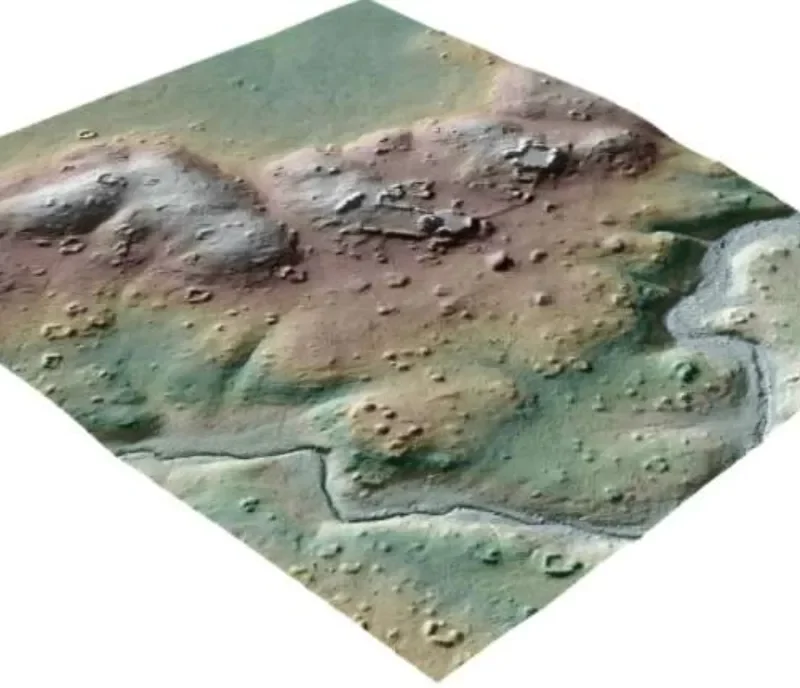
Technology changes what can be learned without digging. Ground-penetrating radar, magnetometry, electrical resistance surveys, LiDAR and high-resolution photogrammetry can reveal buried walls, roads and rooms while leaving them in place. These methods do not answer every question, but they can show where the important questions are before a shovel enters the ground.
Funding and protection also shape the decision. A large site may contain more buildings than a project can conserve, study and explain properly. Opening a monument without a long-term plan can expose it to weather, visitors, theft and poorly controlled restoration. In those circumstances, a smaller excavation with proper protection is better archaeology than a spectacular but unfinished dig.
Local communities are part of the decision as well. Sites can carry religious, ancestral or cultural meaning that is not captured by a research plan. Archaeologists increasingly work with local authorities and communities to decide what should be studied, what should remain protected and how the results should be presented.
Leaving a discovery buried does not mean ignoring it. Researchers may map it, take small samples, monitor its condition or compare it with similar sites. The information gathered can guide future work and prevent unnecessary disturbance. Sometimes the most important result of a survey is knowing that a place is there and that it needs protection.
The choice also protects against premature stories. A structure visible only through geophysical data may be described cautiously. Once excavated, it can be turned into a headline before its layers, artefacts and dates have been studied. Waiting gives researchers time to build a stronger interpretation instead of asking the first trench to carry the entire argument.
This approach can feel unsatisfying because archaeology is often presented as a race to uncover what has been hidden. In reality, the ground is part of the archive. A site left intact may offer better evidence to a future archaeologist than a site excavated quickly and exposed without the resources to preserve it.
The decision is never automatic. Some discoveries need urgent excavation because erosion, construction or looting threatens them. Others can safely remain where they are. The key question is not how quickly a site can be opened, but whether opening it now will leave more knowledge for the future than it destroys.
Featured image: Curiosmos illustration created for this report from the cited archaeological research.
For a related case, read our report on the buildings at Göbekli Tepe, where excavation and interpretation have to be considered together.