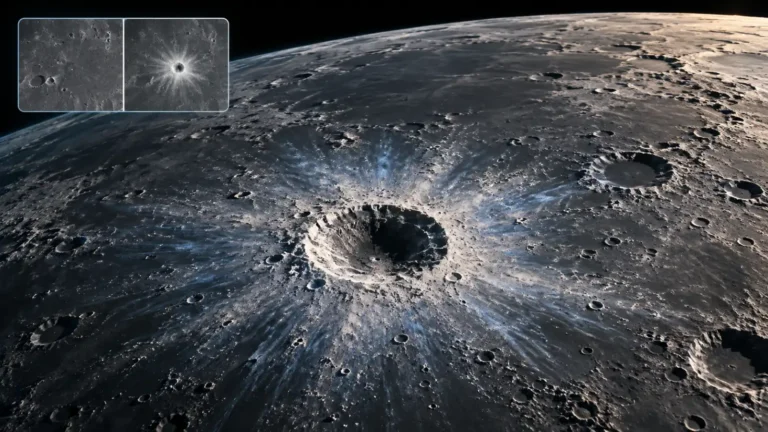
How Did a 222-Metre Crater Hide on the Moon Until Now?
A 222-metre crater formed on the Moon in 2024 but was found only after a routine comparison of Lunar Reconnaissance Orbiter images. Here is what the fresh impact reveals about the lunar surface.
Independent reporting on space, archaeology and ancient worlds

For the passionately Curious
Browse Curiosmos
A 222-metre crater formed on the Moon in 2024 but was found only after a routine comparison of Lunar Reconnaissance Orbiter images. Here is what the fresh impact reveals about the lunar surface.
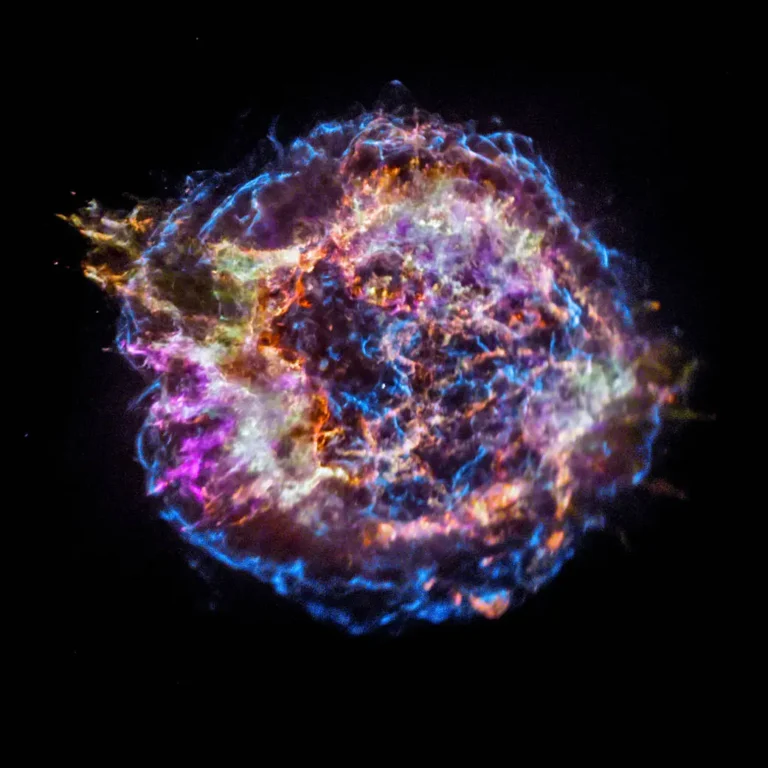
The Moon has no wind, rain or active plate tectonics to erase its surface history. That makes its soil a possible archive of events that happened far beyond Earth. A…
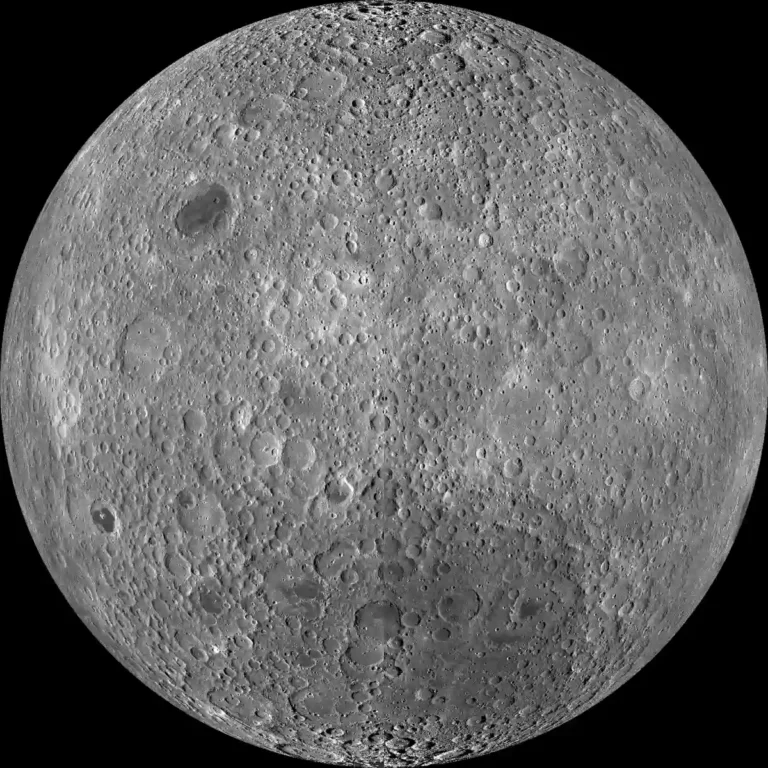
The Moon is not motionless. It spins once on its axis in about 27.3 days and completes one orbit around Earth in about 27.3 days. Because those periods match, the…
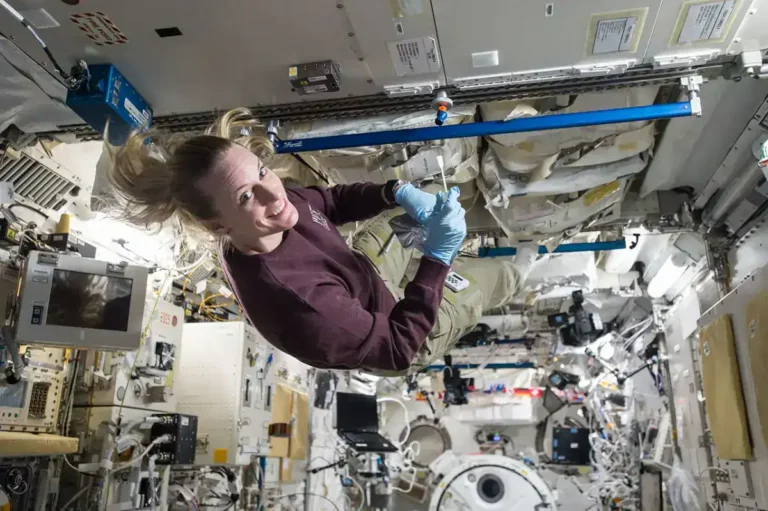
Simulations suggest that some bacteria and fungi carried by astronauts could remain alive for at least a day in shaded pockets near the lunar south pole.
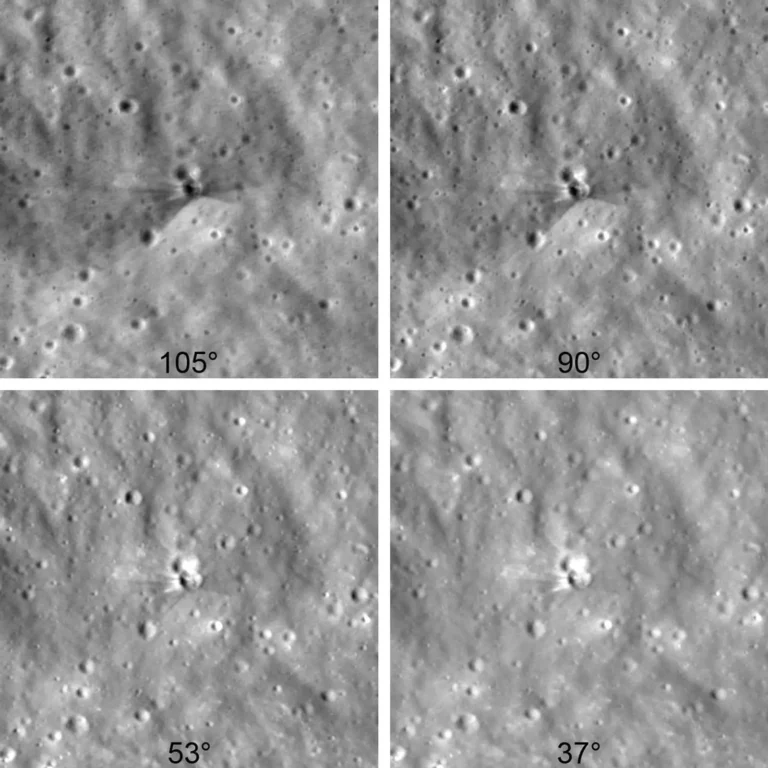
Six days after a discarded Falcon 9 stage hit the Moon, NASA steered the Lunar Reconnaissance Orbiter toward the predicted impact site. Its images reveal an 18-metre crater, fresh material thrown from below the surface, and a remarkably accurate impact forecast.
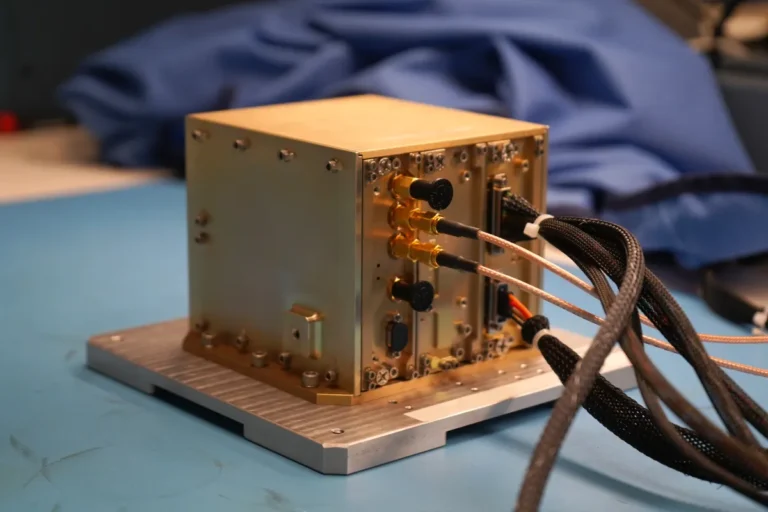
Spacecraft near the Moon cannot simply open a map app and ask where they are. For decades, missions have relied on ground stations to measure their position, calculate a trajectory…
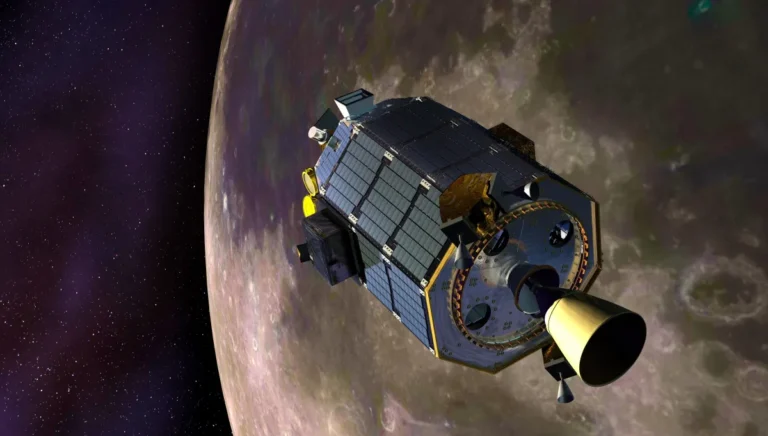
The Moon does have an atmosphere, but calling it air would be misleading. Its outer envelope is an exosphere: a scatter of atoms so thin that particles can travel long…

If Earth disappeared instantaneously, the first thing that would not happen is a crash. The Moon is not “hanging” over Earth. It is in constant free fall, moving sideways fast…

When you look at the iconic images of astronauts exploring the Moon, one thing seems noticeably absent: stars. Despite being in the vacuum of space, surrounded by the cosmos, the…

Humanity’s ambitions to explore and settle the solar system depend on utilizing the resources of space—and one promising target is the Moon. Among the Moon’s most valuable resources is titanium,…

Have you heard about SETA? SETA stands for Search for Extraterrestrial Artifacts, and scientists have proposed we should explore the surface of the Moon, for example, and search for extraterrestrial…

Did you know that there are more than 200 discovered Moons in the Solar System? Most of them orbit around the largest planets of Saturn and Jupiter, while Venus and…

Declassified papers have revealed that the United States government had secret plans to blow up the Moon; the idea was to detonate a nuke on the lunar surface, something reminiscent…

Apollo 13 never landed on the Moon. Yet its astronauts travelled around the lunar far side at one of the most dangerous moments in the history of spaceflight, briefly out…

Although we have successfully landed on the Moon and explored its surface the best way possible, the Moon, its origin, and history remain a profound enigma to humans. We know…

Astronomers have found a strange, humongous, deep-mass structure beneath the largest crater in our solar system; the Moon’s South Pole Aitken basin. There, researchers discover an anomaly with a massive…

China’s Chang’e-4 lander and Yutu-2 rover are still returning new views from the far side of the Moon, offering close-up looks at a landscape that is both familiar and fundamentally…

The boundary between Earth and space is usually taught as a clean line: cross it, and you are “in space.” New analyses of ultraviolet observations challenge that tidy picture by…
Most people know Apollo 11 through a handful of iconic images, including Neil Armstrong stepping onto the Moon and delivering his “giant leap.” A newly shared set of Apollo 11…