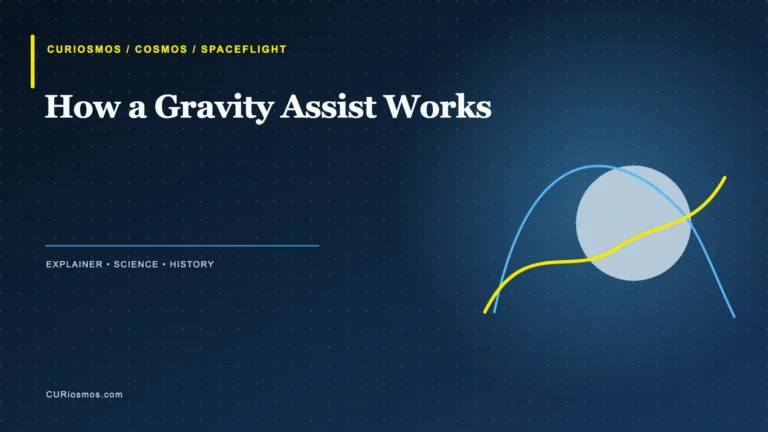
How Does a Gravity Assist Send a Spacecraft Farther Into the Solar System?
How does a gravity assist send a spacecraft farther into the Solar System? The spacecraft flies close to a moving planet or moon and uses the body’s gravity to bend…
Independent reporting on space, archaeology and ancient worlds

For the passionately Curious
Browse Curiosmos
How does a gravity assist send a spacecraft farther into the Solar System? The spacecraft flies close to a moving planet or moon and uses the body’s gravity to bend…
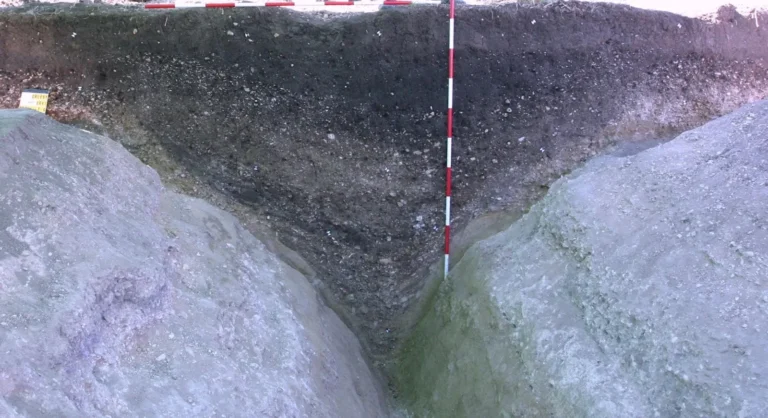
Eleven marked obsidian arrowheads from Tepecik-Çiftlik in Turkey reveal deliberate Neolithic incisions, but their purpose remains unresolved.
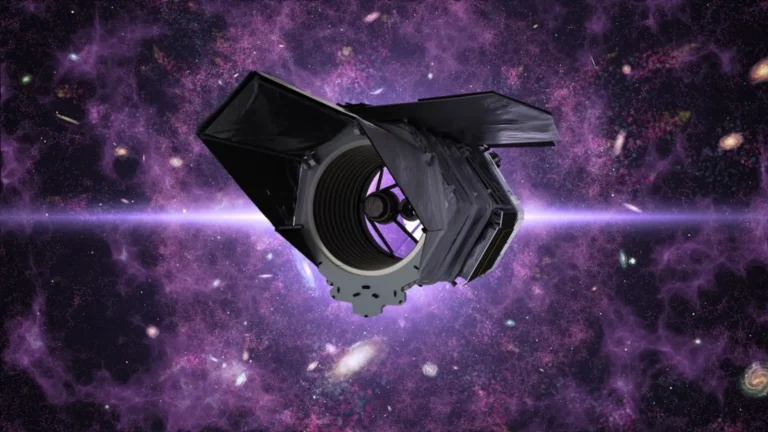
Most exoplanets are found indirectly. Astronomers watch a star dim when a planet crosses its face, or measure the tiny wobble caused by the planet’s gravity. The Nancy Grace Roman…
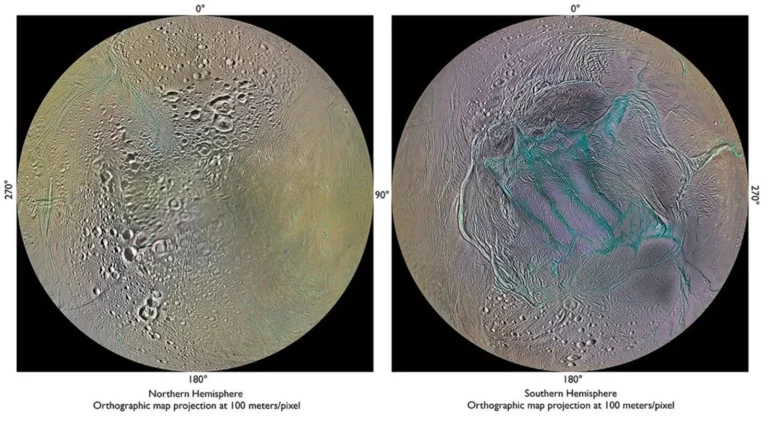
Enceladus’ south pole is cut by four long fractures that spray water vapour and ice into space. Scientists call them the “tiger stripes,” and a new model suggests that waves…
What can ancient DNA tell us about lost populations? In the right sample, it can reveal relationships that bones alone cannot show: who was related, which groups moved, where populations…
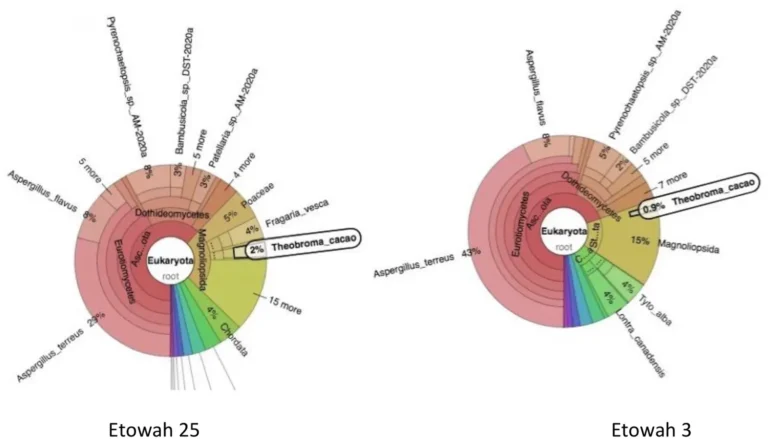
Two fragments of pottery from Etowah, a major Mississippian centre in what is now Georgia, contain traces of cacao DNA. The discovery is the first direct evidence that people at…
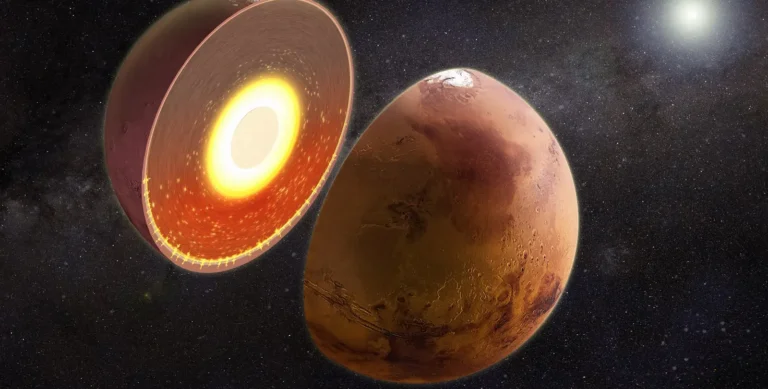
Mars looks cold from orbit, but a new study suggests that the rock beneath its south polar region may still be carrying a surprising amount of heat. By analysing tiny…
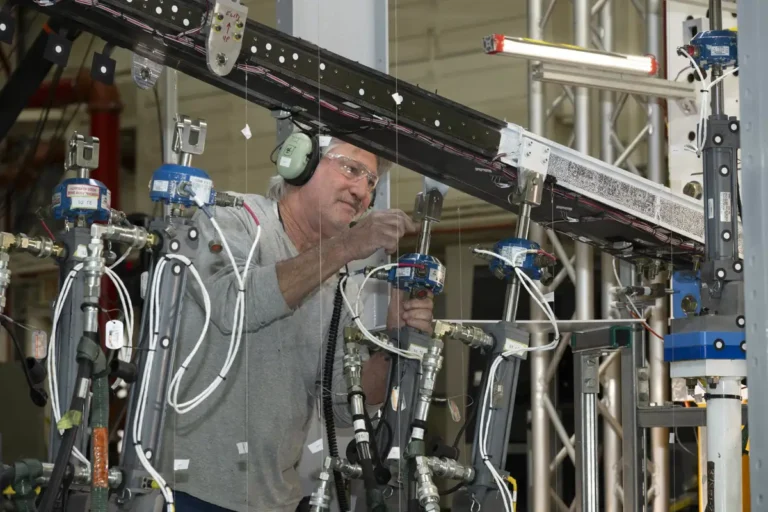
A supersonic aircraft does not need to be silent to change aviation. It needs to be quiet enough that people on the ground do not experience every overflight as a…
How does LiDAR reveal lost cities beneath forests? It sends pulses of laser light from an aircraft or drone toward the ground and measures how long they take to return.…
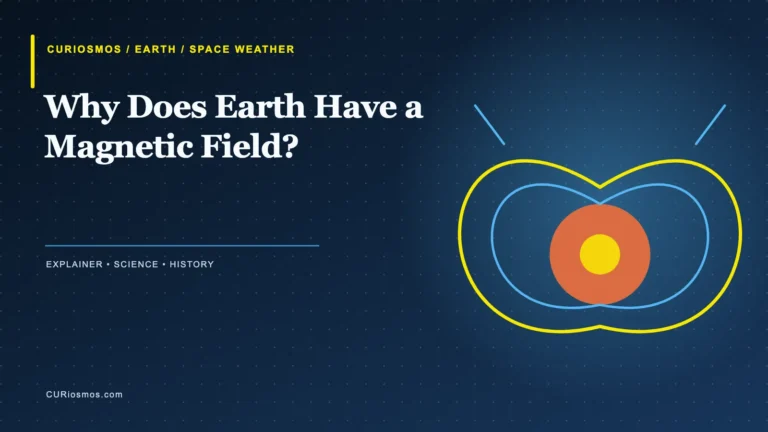
Why does Earth have a magnetic field? The answer begins more than 2,000 kilometres below our feet, in a layer of liquid iron and nickel that is constantly moving. Heat…
A drilled human canine from the Neolithic site of Jablanica in Serbia was mistaken for an animal tooth bead until a new analysis identified its human origin.
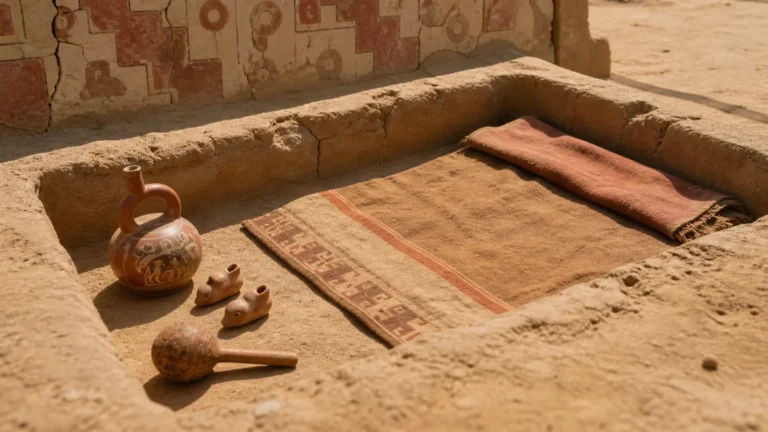
A child about 18 months old was buried at Huacas de Moche with musical objects and a carefully made ceramic vessel. The find adds a personal detail to a major Moche settlement.
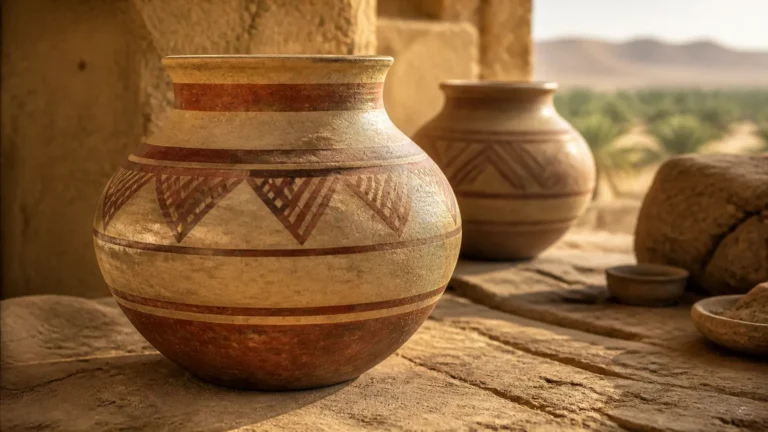
Qurayyah Painted Ware carried repeatable designs across Bronze Age Arabia. New research suggests that its makers built recognition and demand around a distinctive style more than 3,000 years ago.
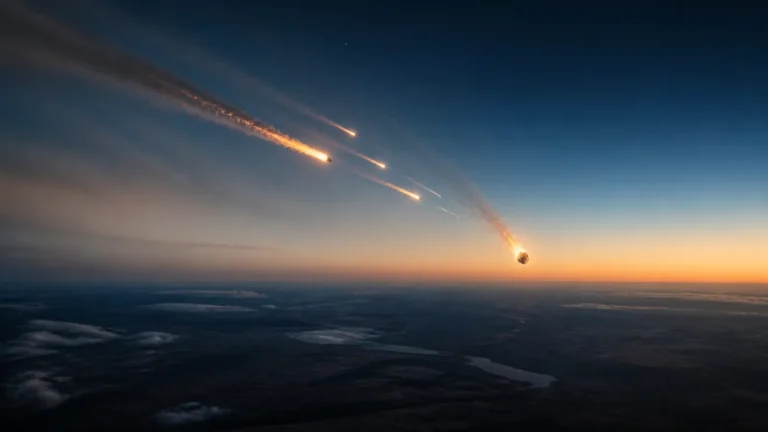
A meteorite fall does not end when a bright streak crosses the sky. New analysis of 75 documented falls follows the object through melting, fragmentation, braking, and the formation of a narrow strewn field.
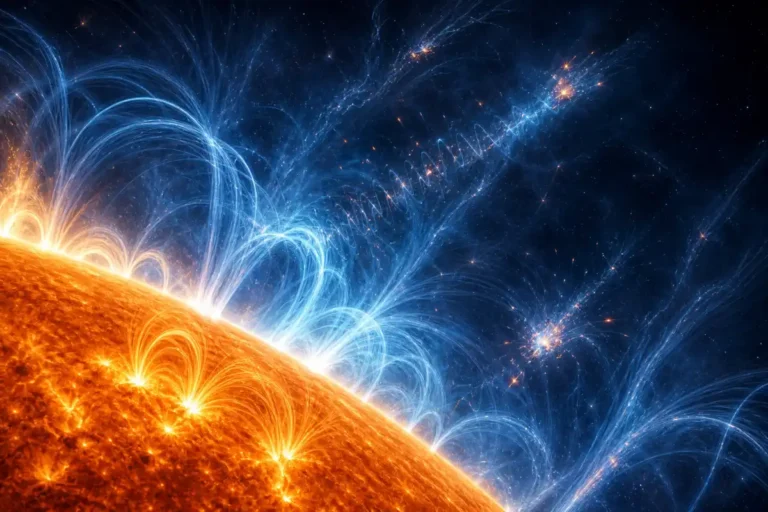
A 17-spacecraft study found that a coronal mass ejection had a hotter, thinner component that Earth-based monitoring did not see directly.
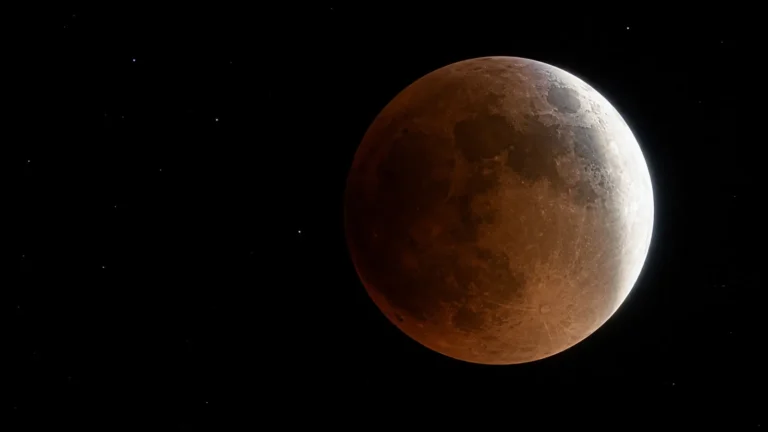
Earth’s shadow will cover about 93 percent of the full Moon during the 27–28 August 2026 deep partial eclipse. It will be visible from the Americas, Europe, Africa, and western Asia.
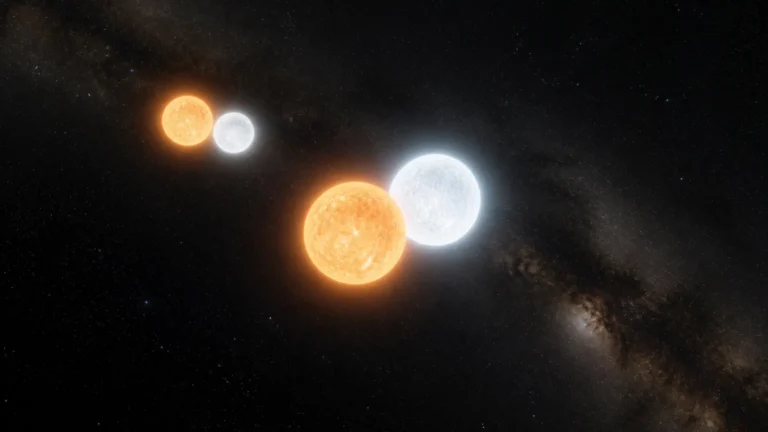
TIC 433545934 contains two pairs of stars locked in a wider orbit. The pairs eclipse internally, and observations also caught one binary crossing the other—a rare geometry that lets astronomers measure four stars together.
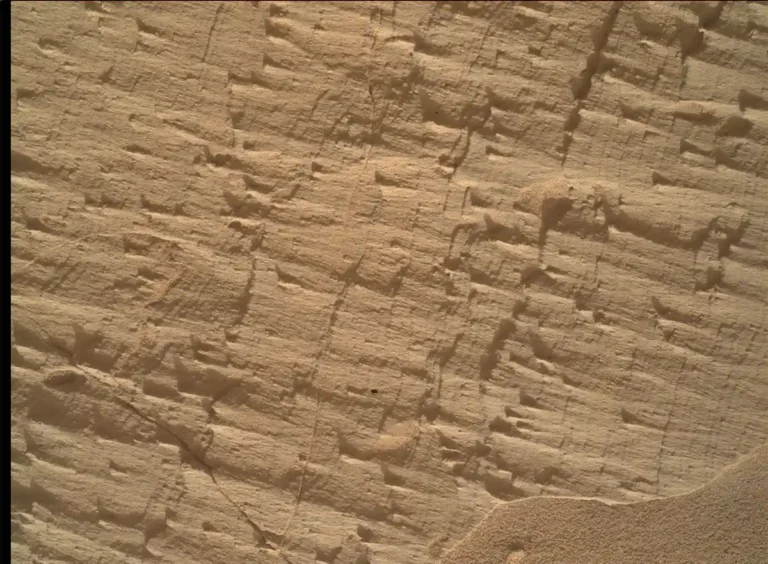
NASA’s Curiosity rover has climbed onto a feature in Gale Crater that may mark a pause—and a change—in the story written by Martian rocks. The mission team calls it a…
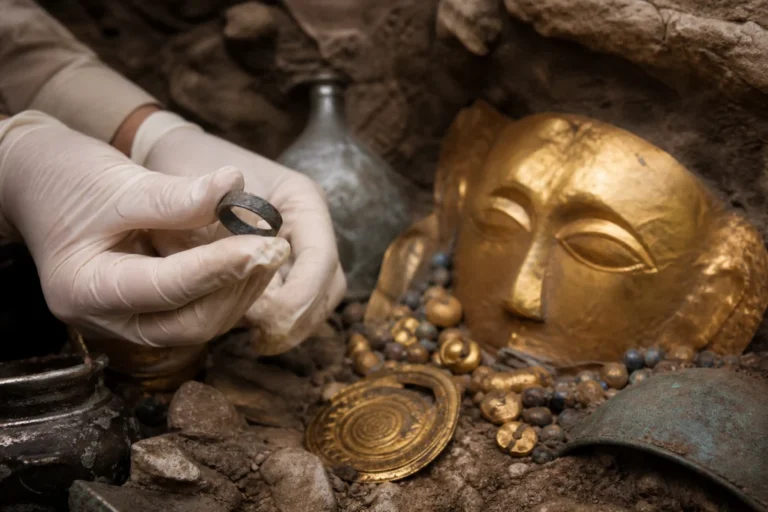
A chemical survey of 91 Bronze Age iron artefacts found that a small group of rings probably came from meteorites. Their tomb contexts suggest that “iron from the sky” carried status long before iron smelting became common.
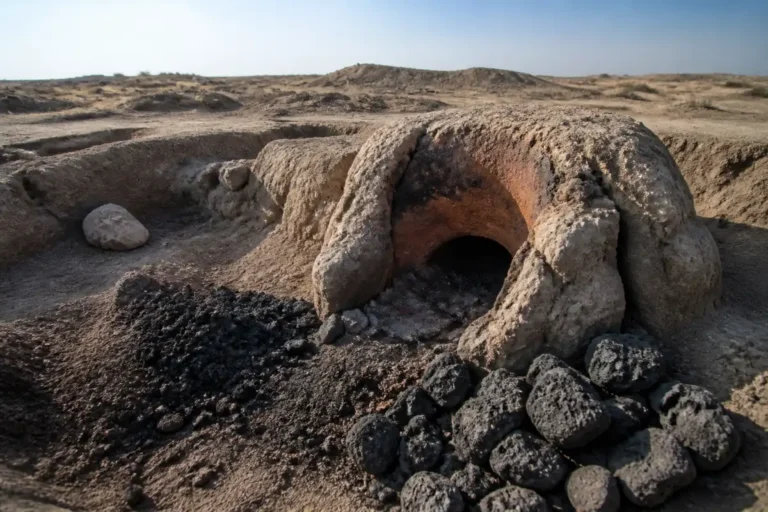
An excavation in Uzbekistan is bringing archaeologists, materials scientists and environmental researchers together around a single ancient furnace. At Abu Muslim Qala, in the historic Khorezm region, a Purdue-led project…
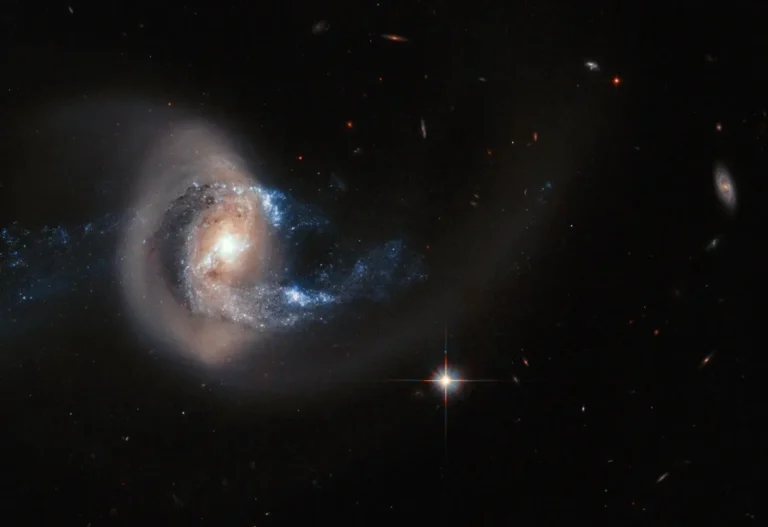
How do telescopes measure the motion of distant galaxies? They read the fingerprints of atoms in the light those galaxies emit. A photograph can show a spiral, a cluster or…
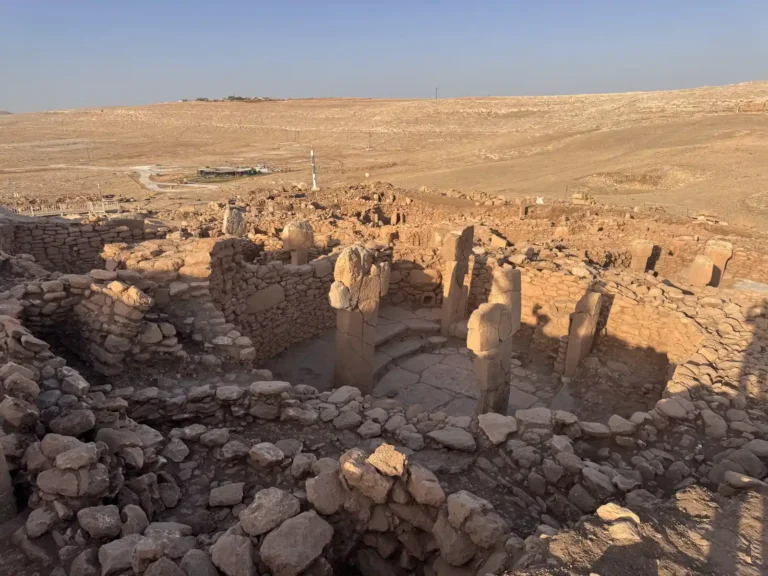
At the Etruscan city of Kainua in northern Italy, archaeologists have found a deep well containing intact bronze objects, a distinctive plate and human remains. The location and the objects…
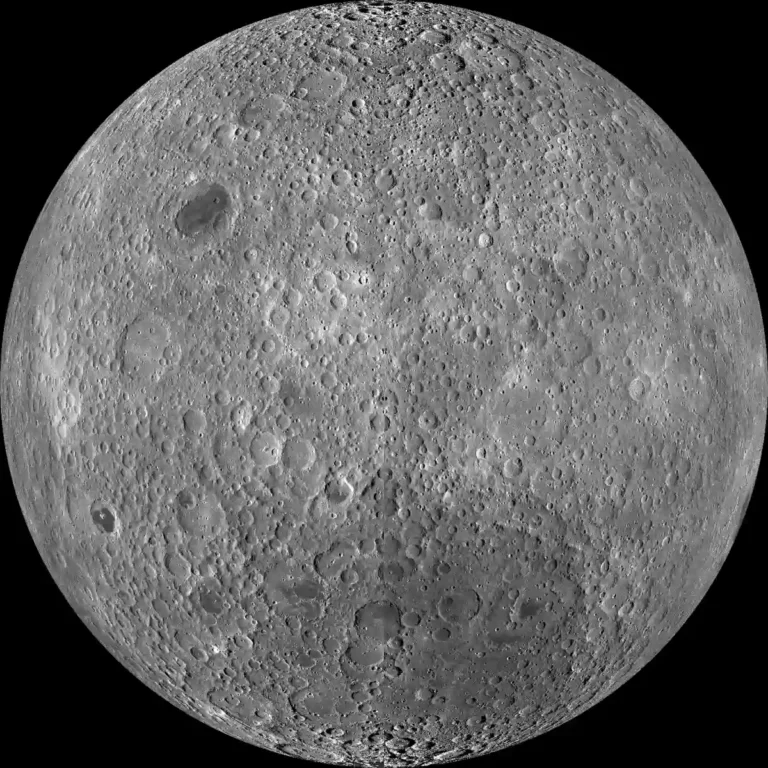
The Moon is not motionless. It spins once on its axis in about 27.3 days and completes one orbit around Earth in about 27.3 days. Because those periods match, the…
How do archaeologists date pottery? Usually, they do not look at a single shard and read a year from it. A ceramic fragment becomes useful when its shape, clay, decoration,…