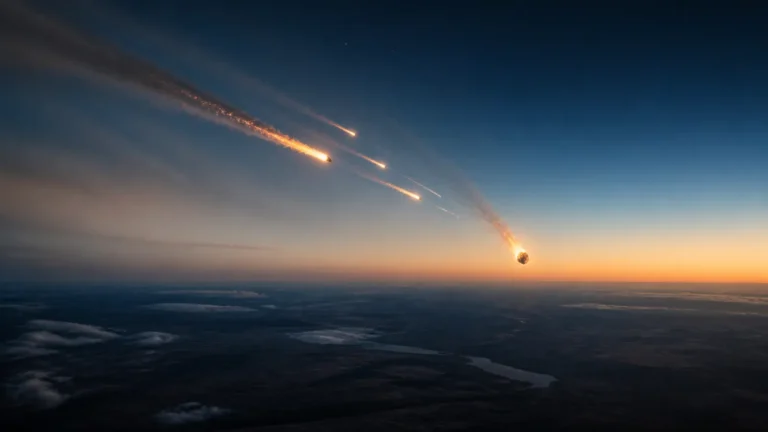
A meteorite fall does not end when a bright streak crosses the sky. New analysis of 75 documented falls follows the object through melting, fragmentation, braking, and the formation of a narrow strewn field.
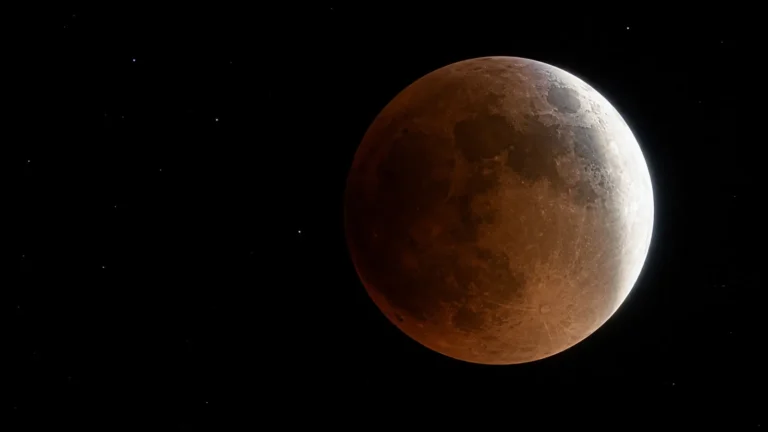
Earth’s shadow will cover about 93 percent of the full Moon during the 27–28 August 2026 deep partial eclipse. It will be visible from the Americas, Europe, Africa, and western Asia.
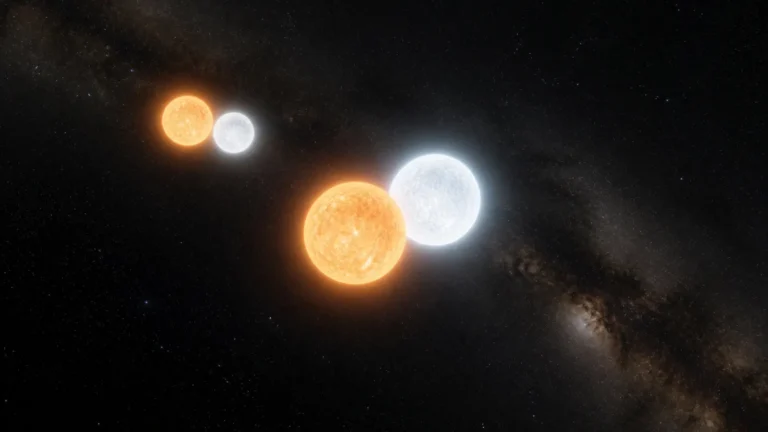
TIC 433545934 contains two pairs of stars locked in a wider orbit. The pairs eclipse internally, and observations also caught one binary crossing the other—a rare geometry that lets astronomers measure four stars together.
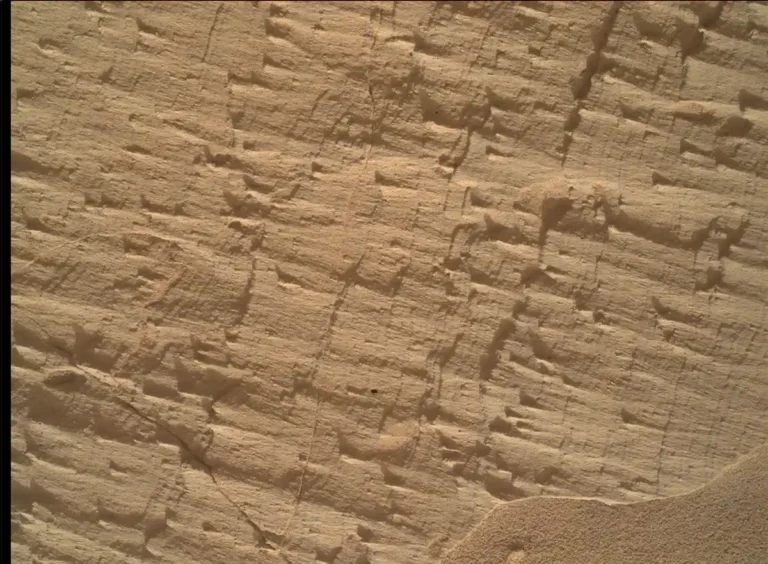
NASA’s Curiosity rover has climbed onto a feature in Gale Crater that may mark a pause—and a change—in the story written by Martian rocks. The mission team calls it a…
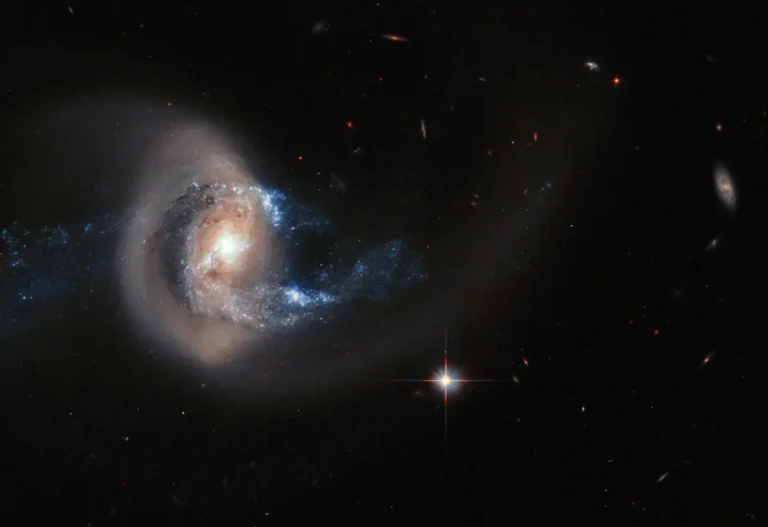
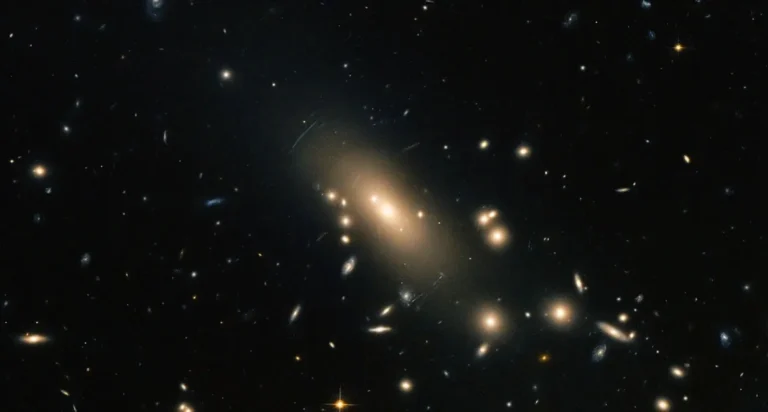
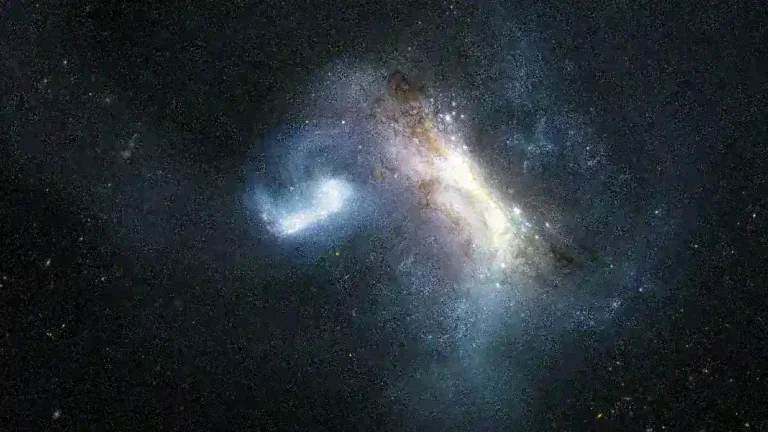
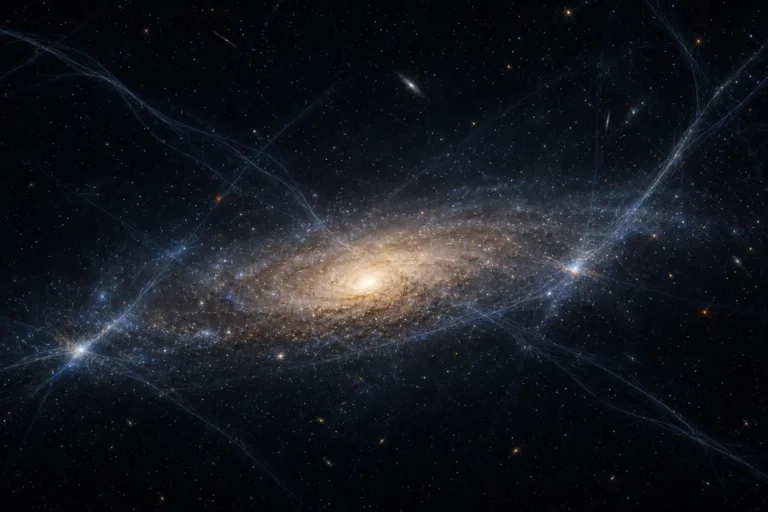
How do telescopes measure the motion of distant galaxies? They read the fingerprints of atoms in the light those galaxies emit. A photograph can show a spiral, a cluster or…
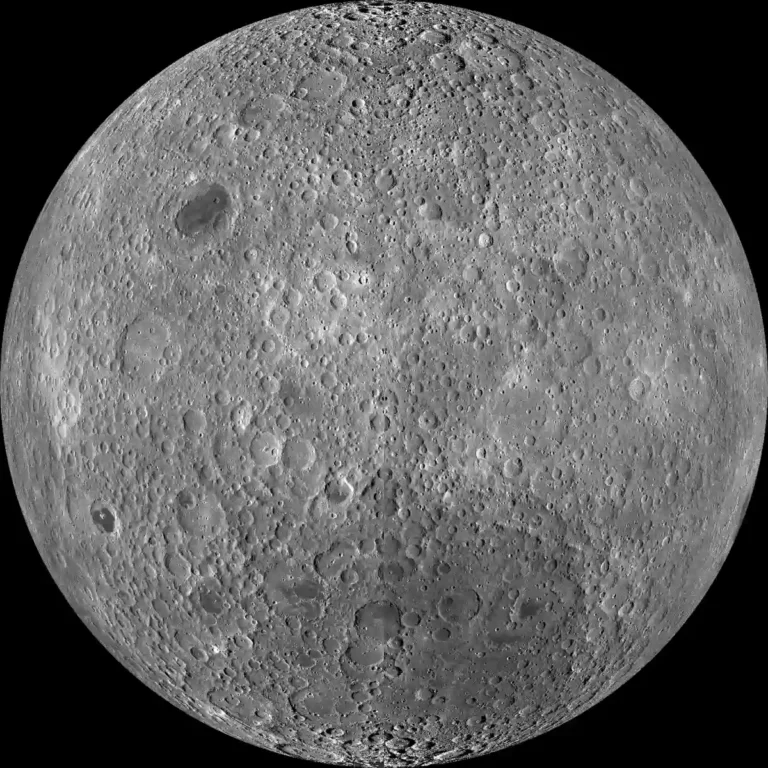
The Moon is not motionless. It spins once on its axis in about 27.3 days and completes one orbit around Earth in about 27.3 days. Because those periods match, the…
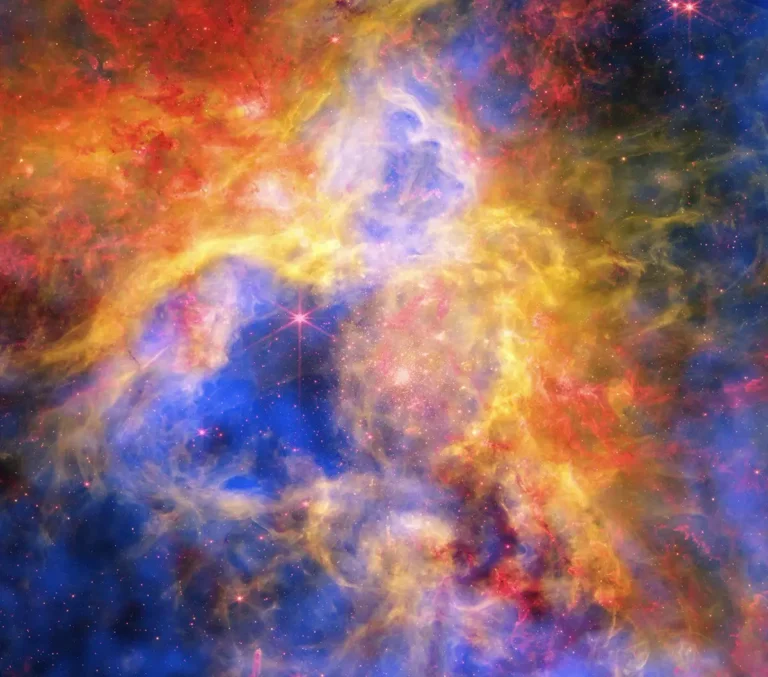
The Tarantula Nebula is one of the busiest stellar nurseries in our galactic neighbourhood. Thousands of young stars are packed into a web of gas and dust in the Large…
How do scientists measure distance in space? They use a chain of methods rather than one universal measuring tape. Radar can reach planets. Parallax works for nearby stars. Farther out,…
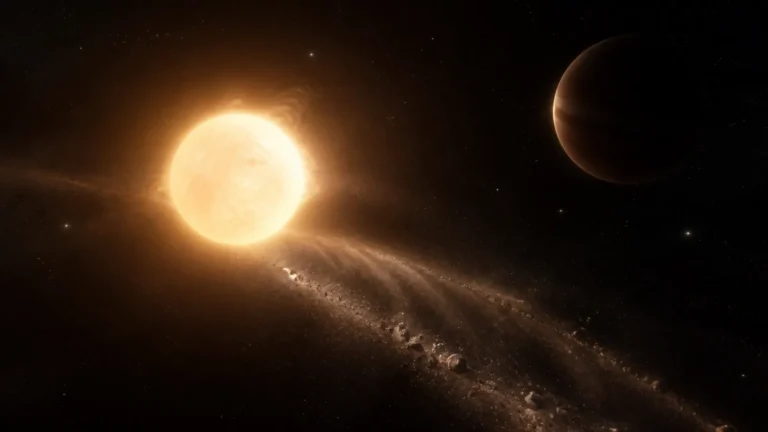
Boyajian’s Star may have a large companion orbiting it, according to a new study of the system’s motion. The best estimate puts the object at about 9.4 times the mass…
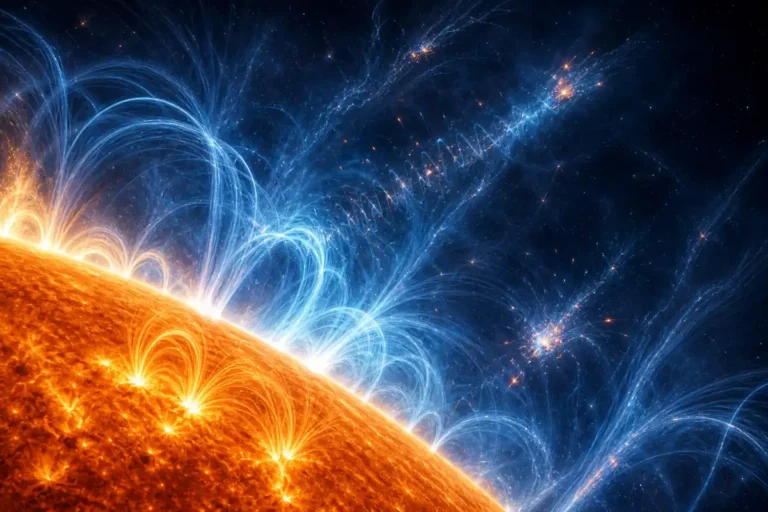
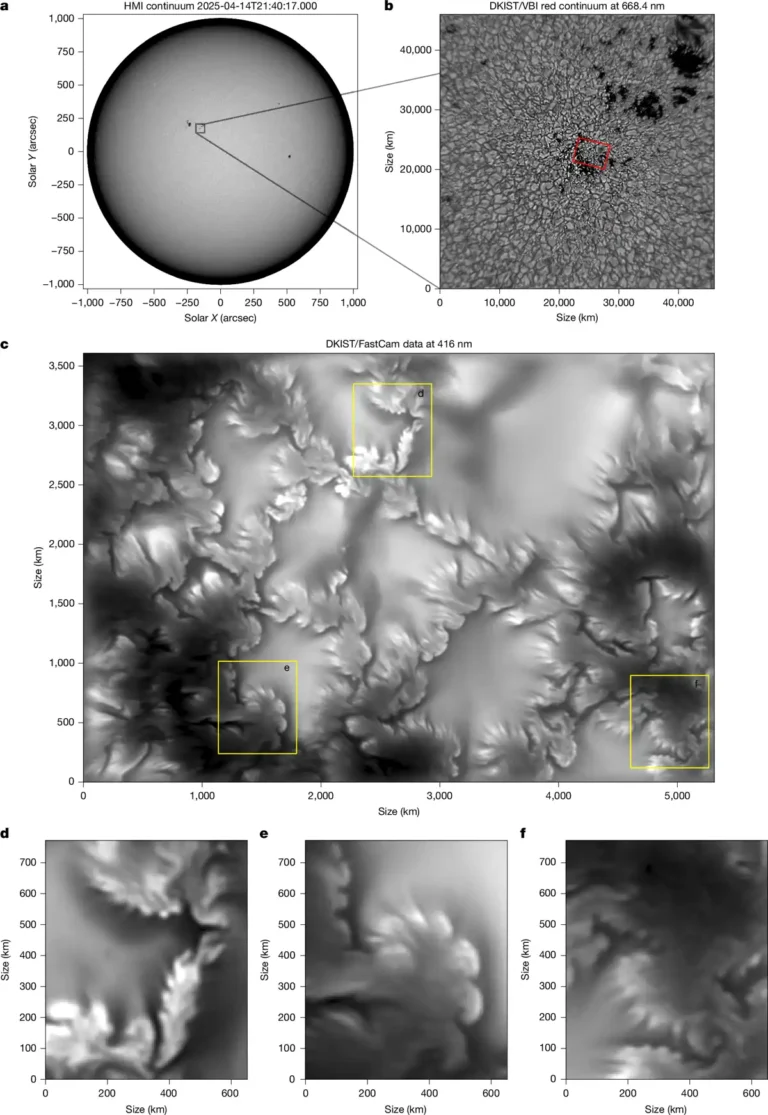
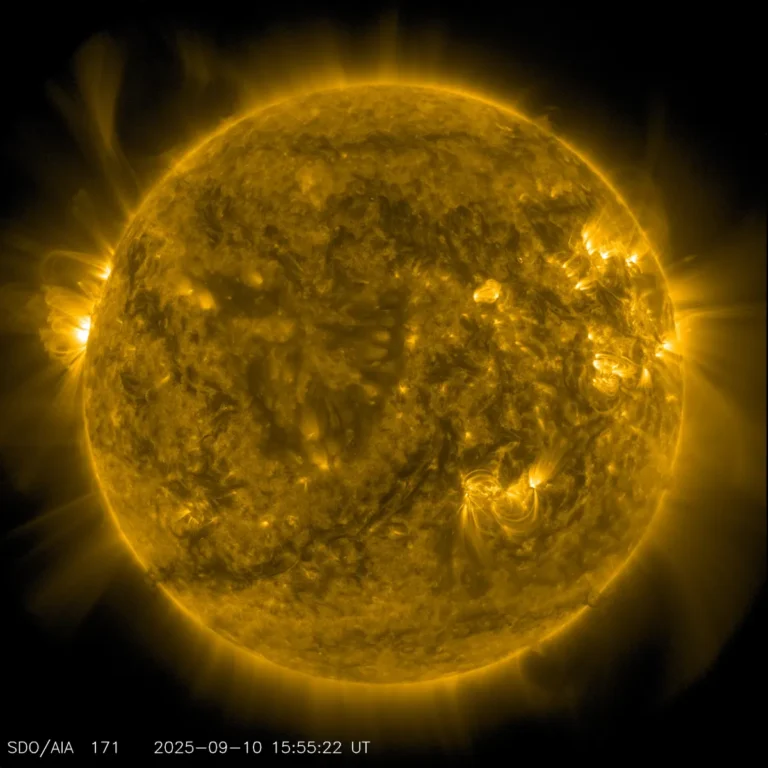
The Sun’s surface is not a smooth, glowing shell. It is a restless layer of boiling plasma, threaded by magnetic fields and covered in motions that are far too small…
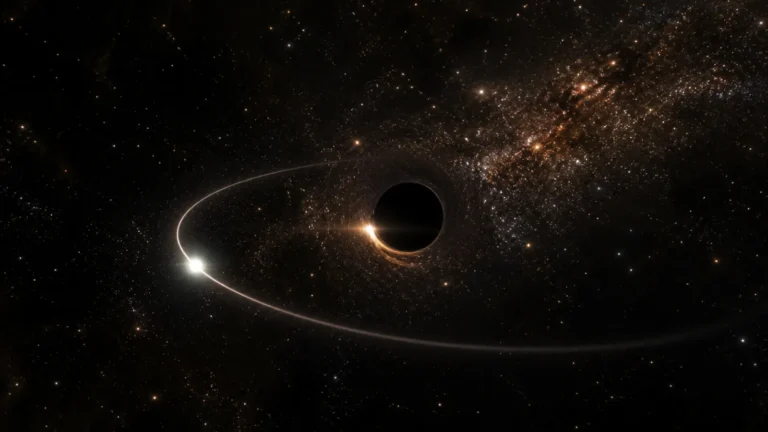
Astronomers have found a faint star taking an extraordinary route around the black hole at the centre of the Milky Way. The star, named S301, reaches about 25,000 kilometres per…
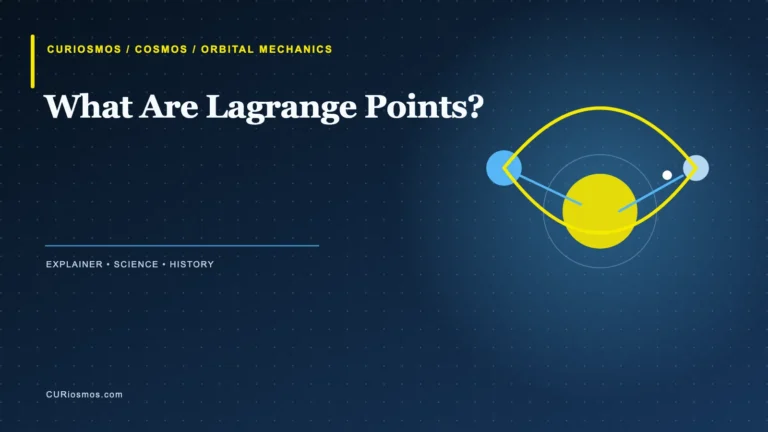
What are Lagrange points? They are five regions in a two-body system where the gravity of the larger bodies and the motion of a smaller object combine in a useful…
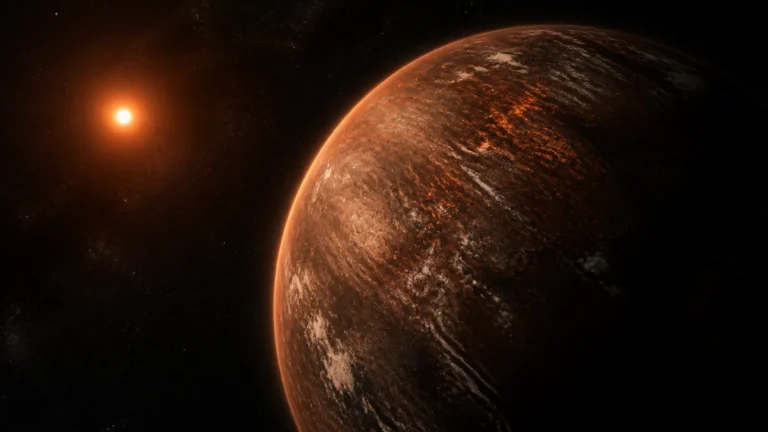
Astronomers have confirmed an unusually heavy planet around a young star. GJ 523b is about 23.5 times as massive as Earth, yet its radius is only 2.55 times larger. That…
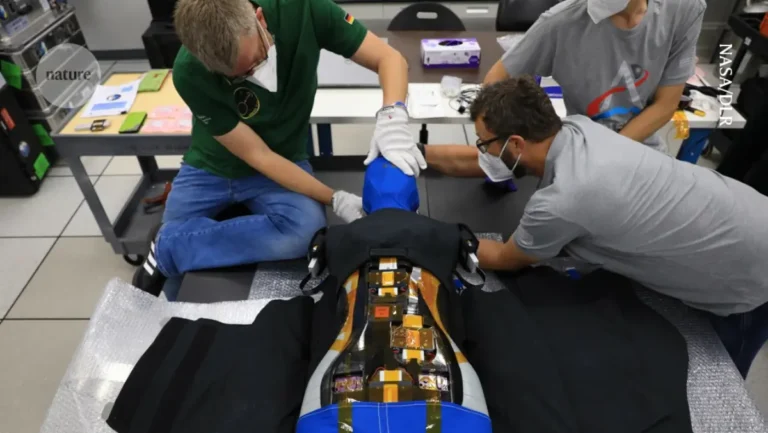
Measurements from NASA’s uncrewed Artemis I mission show how a targeted radiation vest could reduce the dose astronauts receive during major solar particle events.
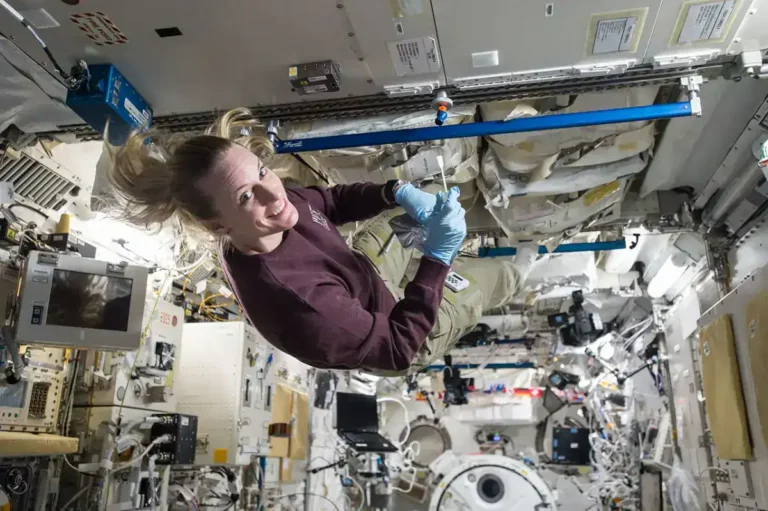
Simulations suggest that some bacteria and fungi carried by astronauts could remain alive for at least a day in shaded pockets near the lunar south pole.
The Sun shines because nuclear fusion is taking place in its core. Under immense pressure and a temperature of about 15 million degrees Celsius, hydrogen nuclei join to form helium.…
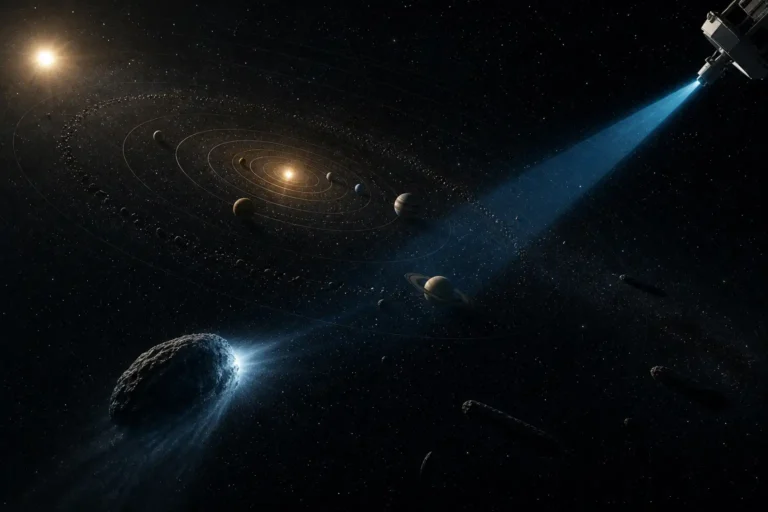
Interstellar visitors are hard to find and even harder to classify. Survivorship bias may shape what we think we know about objects like ‘Oumuamua and 3I/ATLAS.
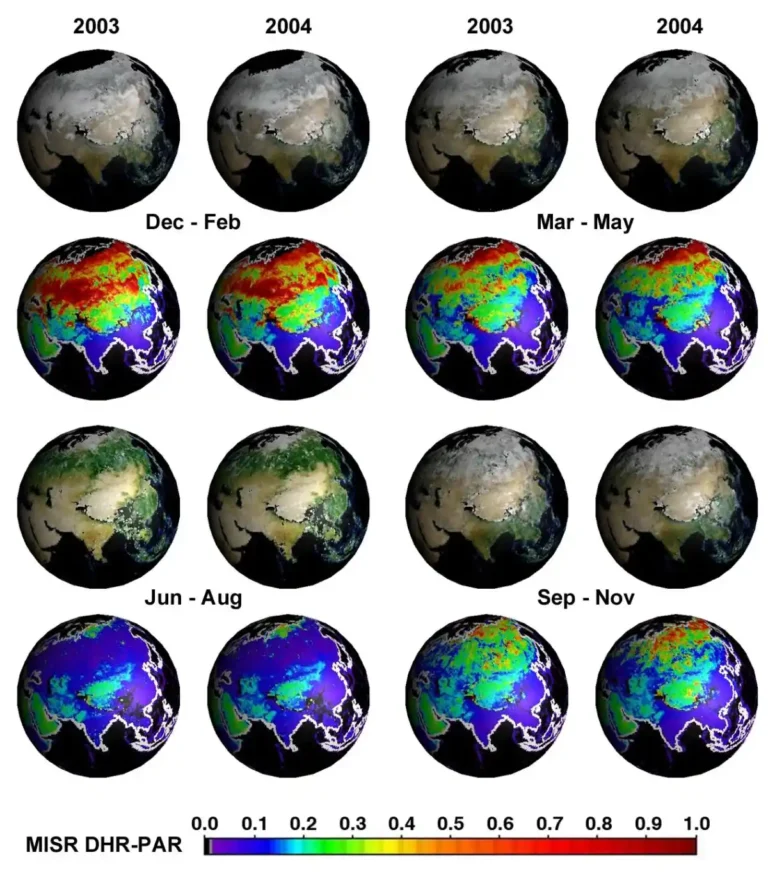
Earth has seasons because its axis is tilted by about 23.4 degrees. As the planet travels around the Sun, one hemisphere leans toward the Sun while the other leans away.…
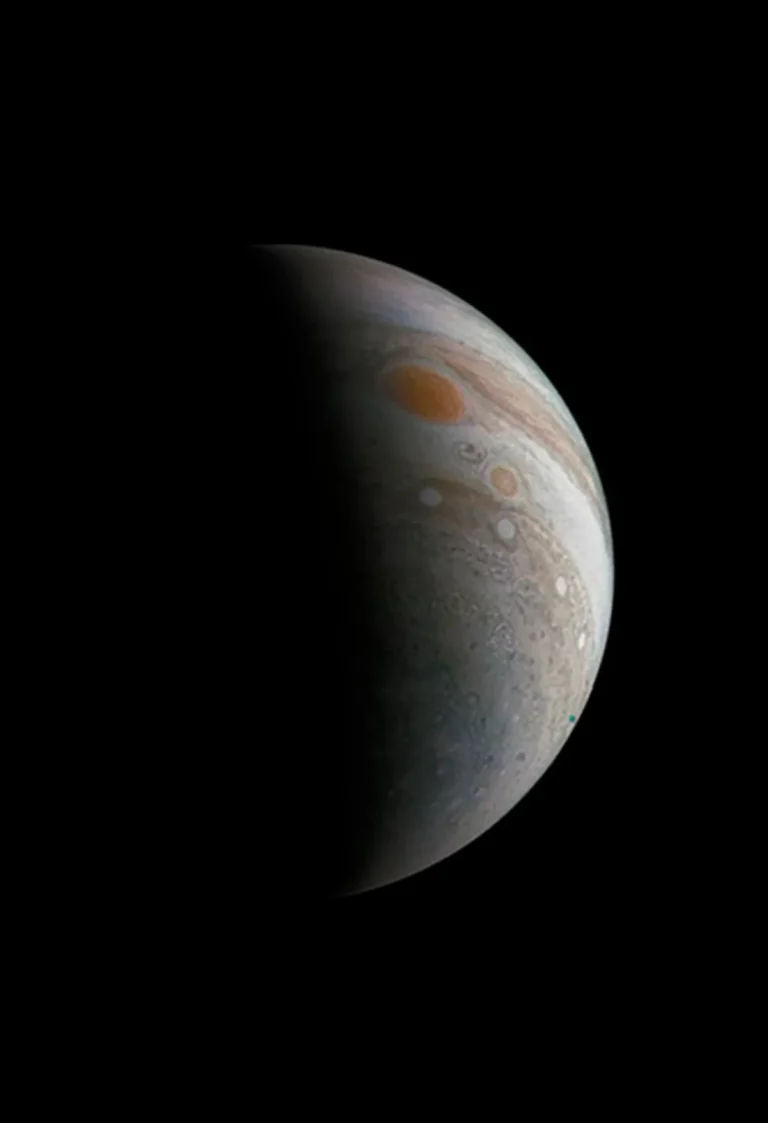
Jupiter’s Great Red Spot is a storm system wider than Earth, turning inside the planet’s cloud tops for centuries of recorded observation. It is not a solid mark on the…
A new study proposes using gamma-ray sources to search for the universe’s fossil neutrinos, a relic signal left from the first seconds after the Big Bang.
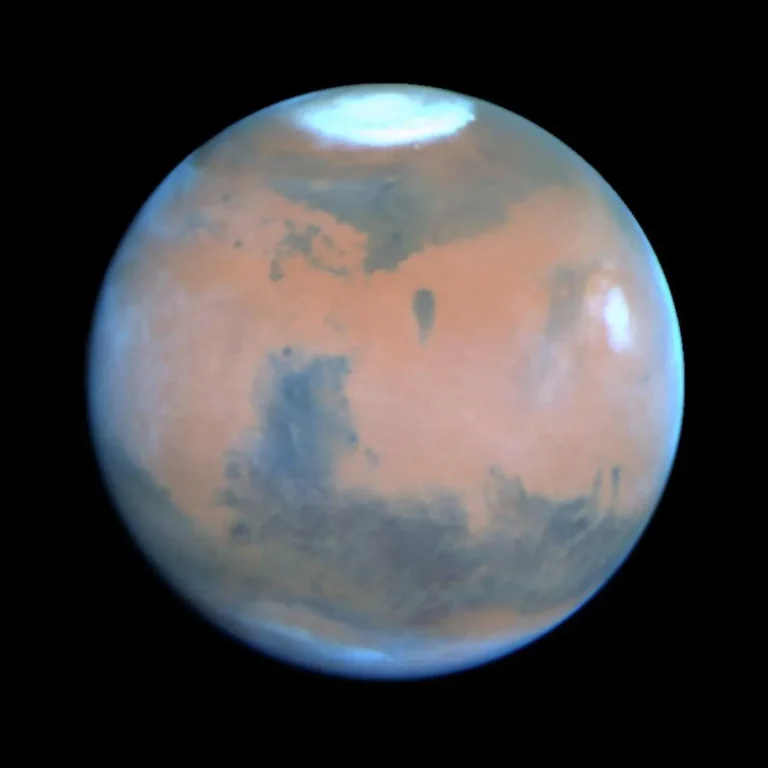
Mars looks red because its surface dust contains oxidised iron. The same broad chemical idea explains rust on Earth: iron reacts with oxygen or other oxidising agents and forms minerals…