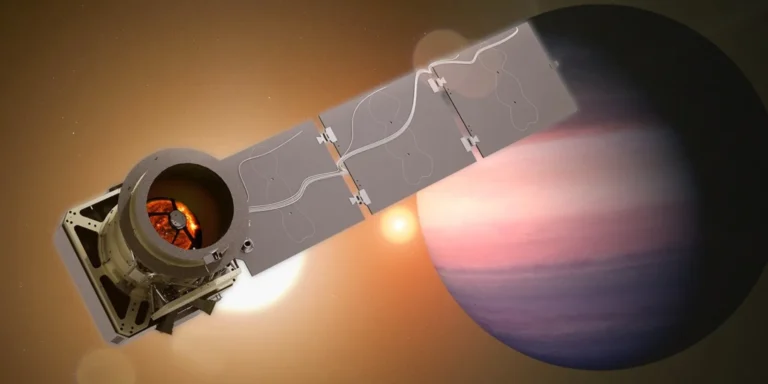
NASA’s Pandora Mission Begins Separating Planet Light From Star Light
NASA’s Pandora satellite has started science observations of at least 20 exoplanets, measuring their host stars so Webb’s atmospheric results can be read more reliably.
Independent reporting on space, archaeology and ancient worlds

For the passionately Curious
Browse Curiosmos
NASA’s Pandora satellite has started science observations of at least 20 exoplanets, measuring their host stars so Webb’s atmospheric results can be read more reliably.
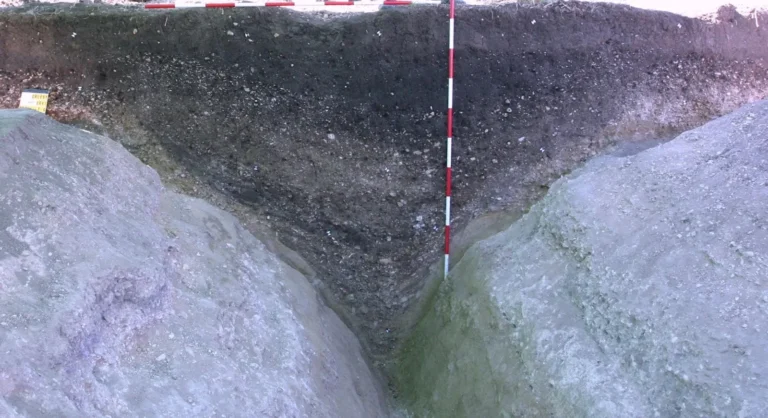
Twelve entrances opened onto the horizon at Chleby. The excavators link their directions to the Sun and Moon, raising questions about how people gathered there.
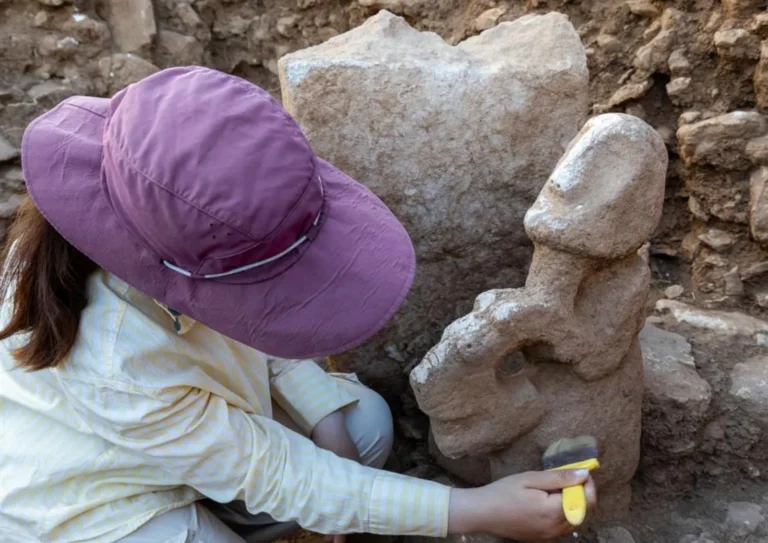
A person sits on a leopard in a sculpture found inside a small stone building. What did this unusual pairing mean to the people of Karahantepe?
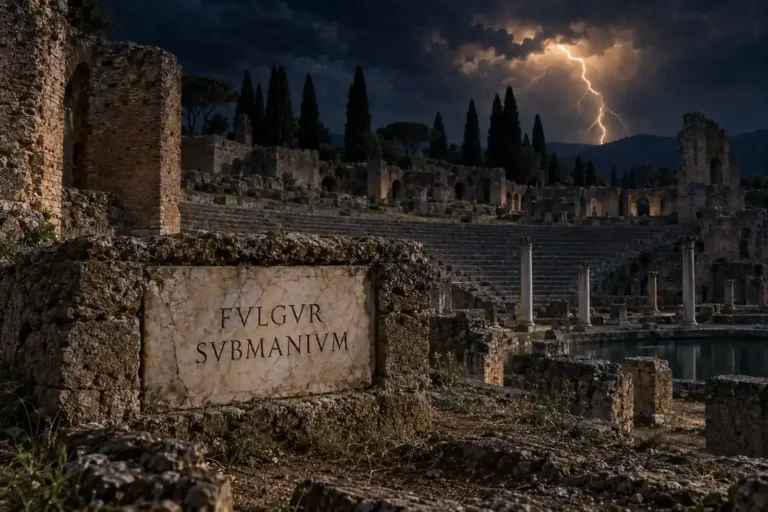
A marble inscription found in its original position at Hadrian’s Villa refers to a lightning strike attributed to Summanus—and the Roman ritual of making the place sacred.
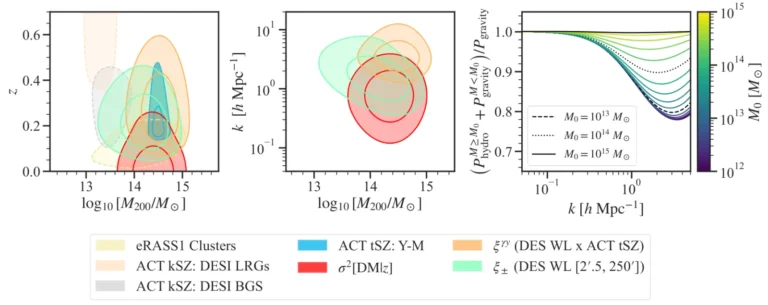
A new Nature Astronomy study uses 114 fast radio bursts to trace cosmic gas and test how stellar and black-hole feedback reshapes matter around galaxies.
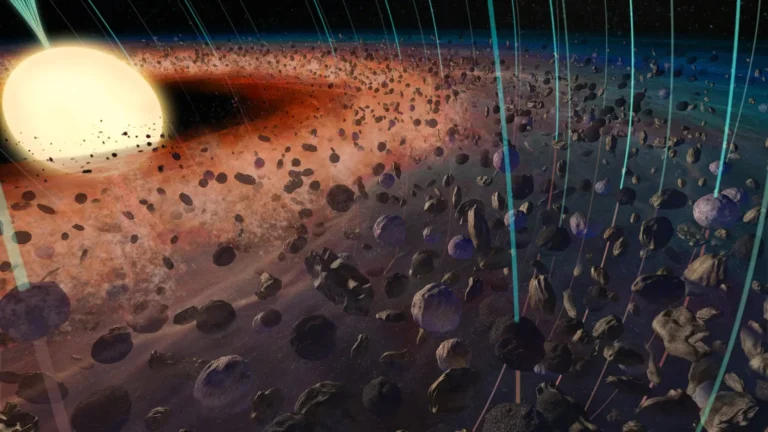
Tiny minerals inside one of the most pristine meteorites ever found still carry a record of magnetism from the solar system’s first 200,000 years.
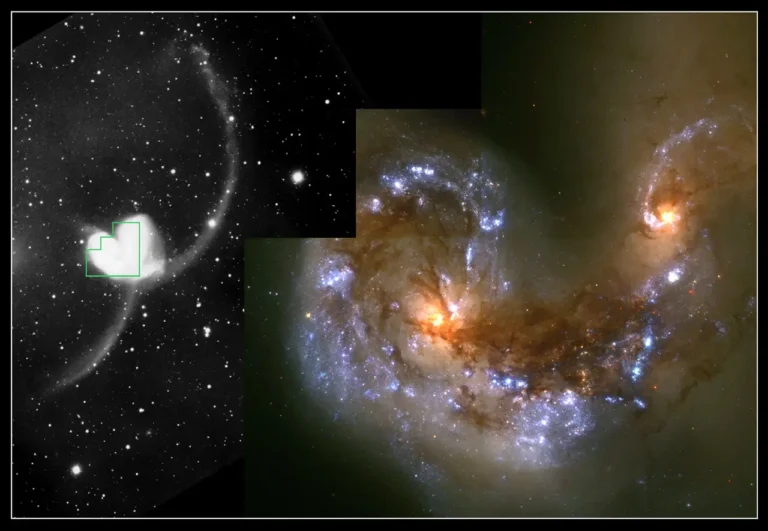
The universe is expanding, yet galaxies still merge. The answer lies in gravity, local motion, and the difference between cosmic expansion and a galaxy’s neighbourhood.
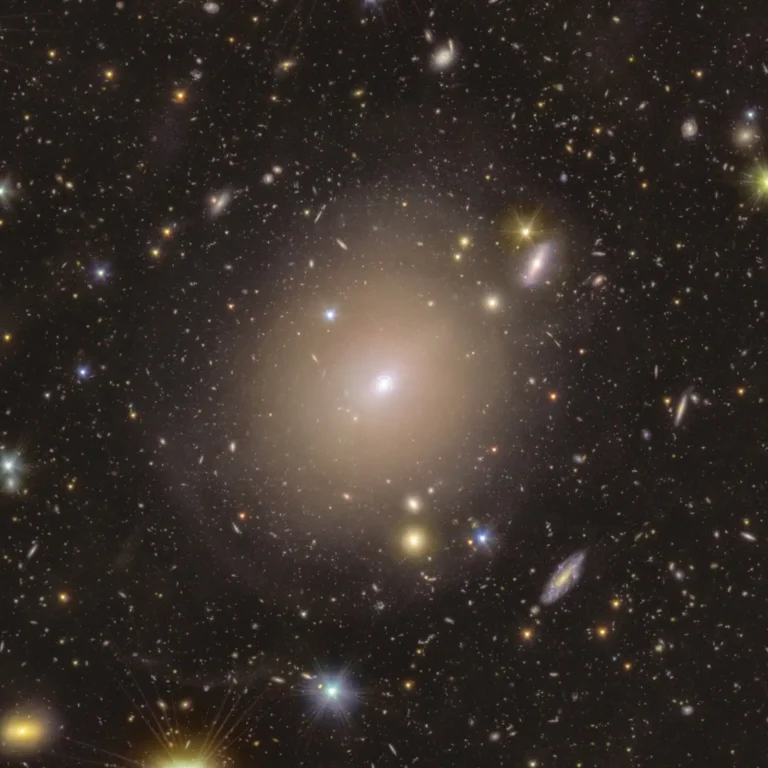
Gravity can bend and magnify light from a distant galaxy. Here is how gravitational lensing works, what Einstein rings are, and what astronomers learn from them.
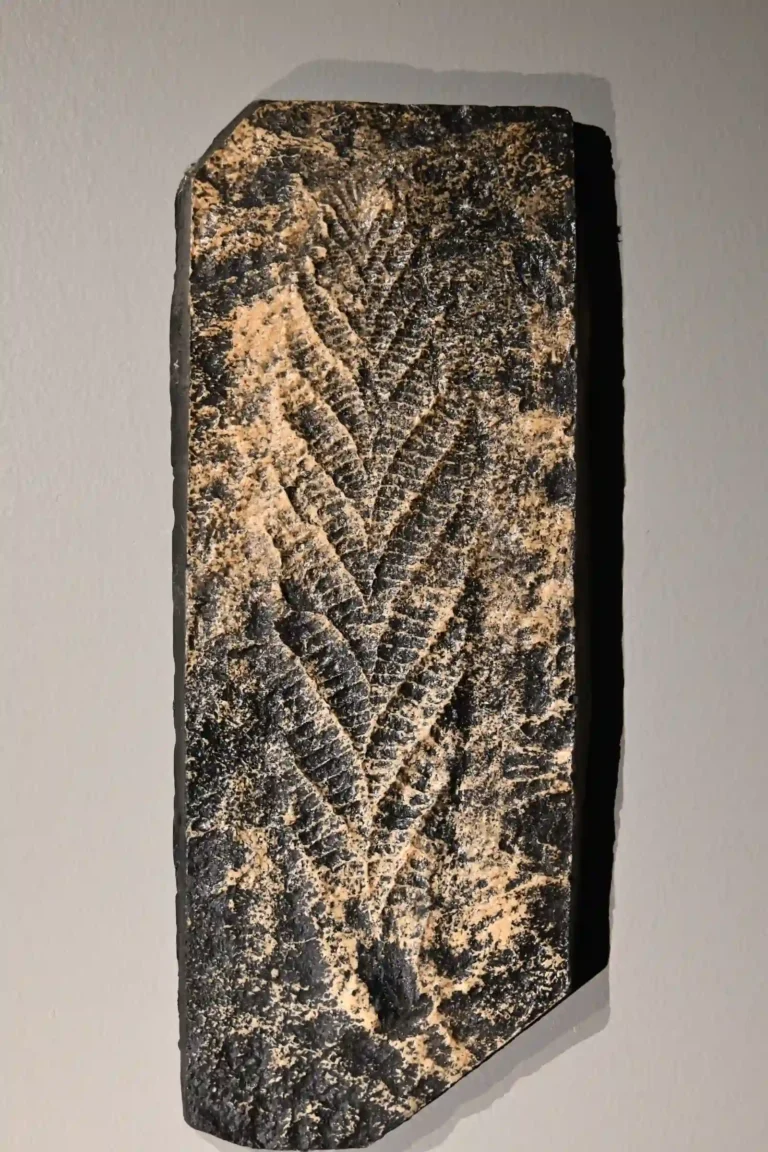
A Charnia fossil from Norway preserves rare ridges along its branches. Researchers trace how an underwater sediment flow may have carried and buried it.
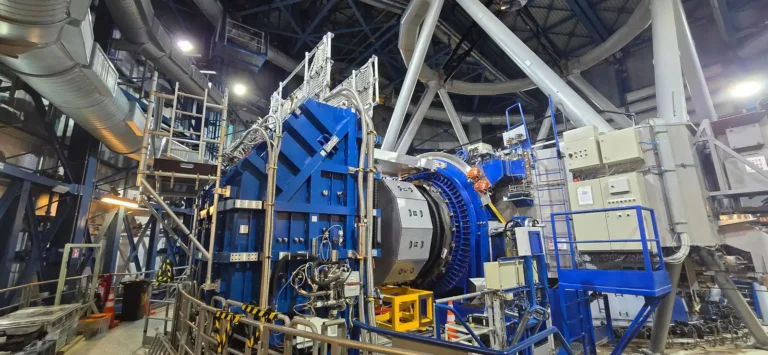
MOONS has made its first observations at the Very Large Telescope. Its thousand optical fibres could help reveal the history hidden in stars and galaxies.
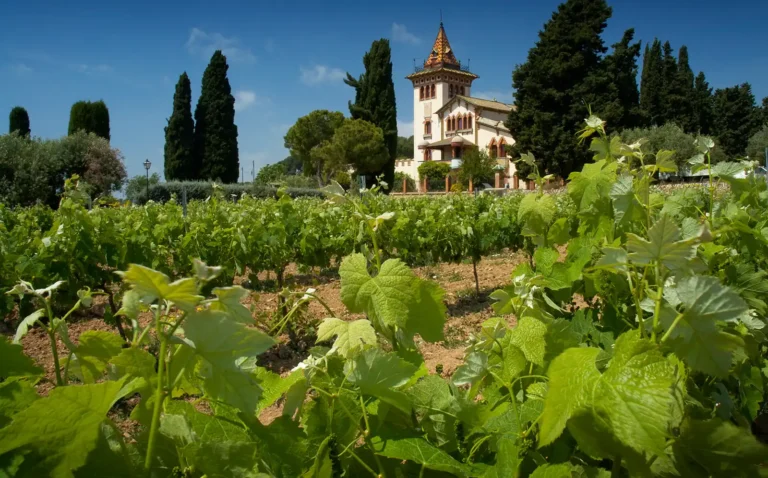
DNA from ancient grape seeds connects Iberian vineyards to eastern Mediterranean plants—and reveals how growers preserved lineages across millennia.
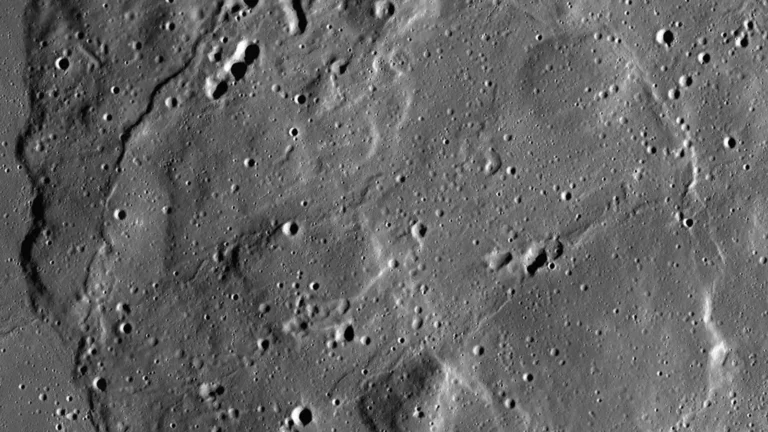
A new lunar model can help map craters and promising conditions for polar ice. Its technical documentation reveals what those predictions mean—and how scientists can test them.
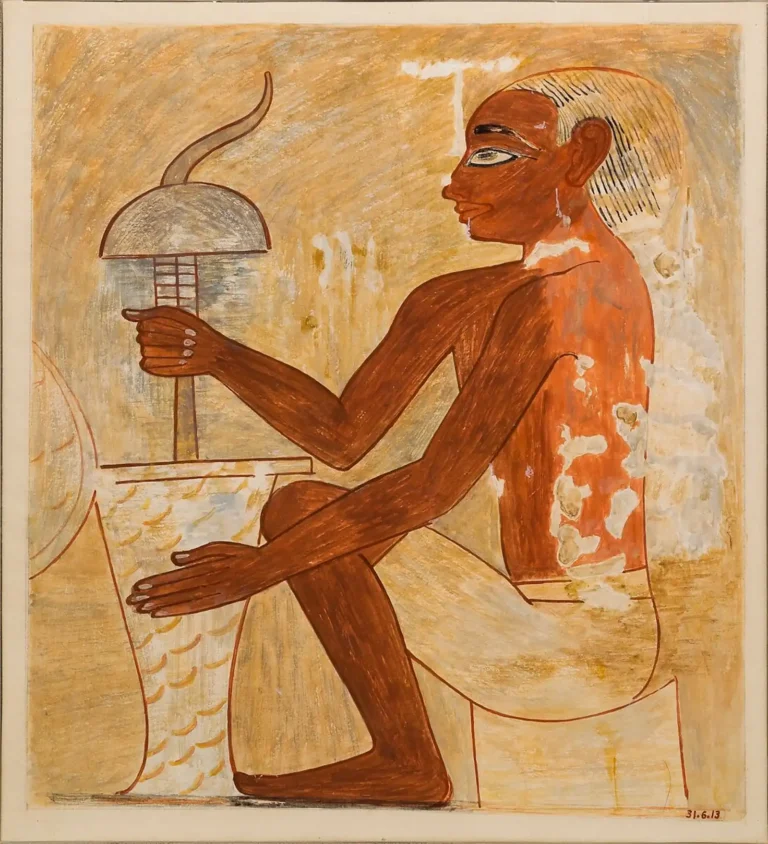
A finished stone vessel hides the work that made it. Unfinished objects, drill cores, a tomb painting and traces of abrasive bring the ancient workshop back into view.
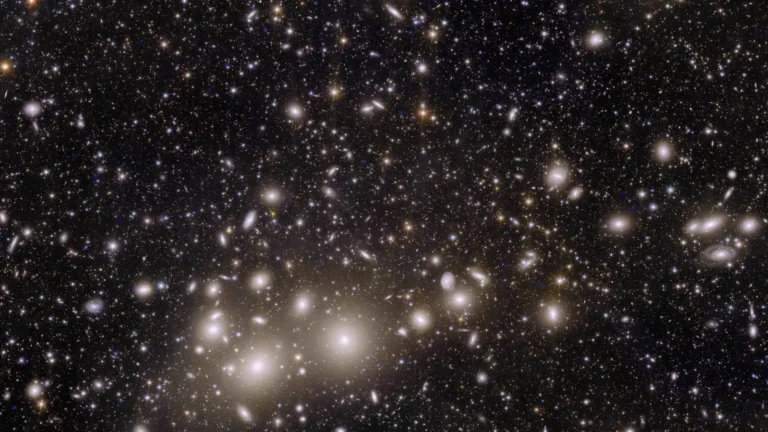
Artifact InSPECtor invites volunteers to examine Euclid observations and improve the tools that will help astronomers read distant galaxies. Here is what the unusual streaks and blobs mean.
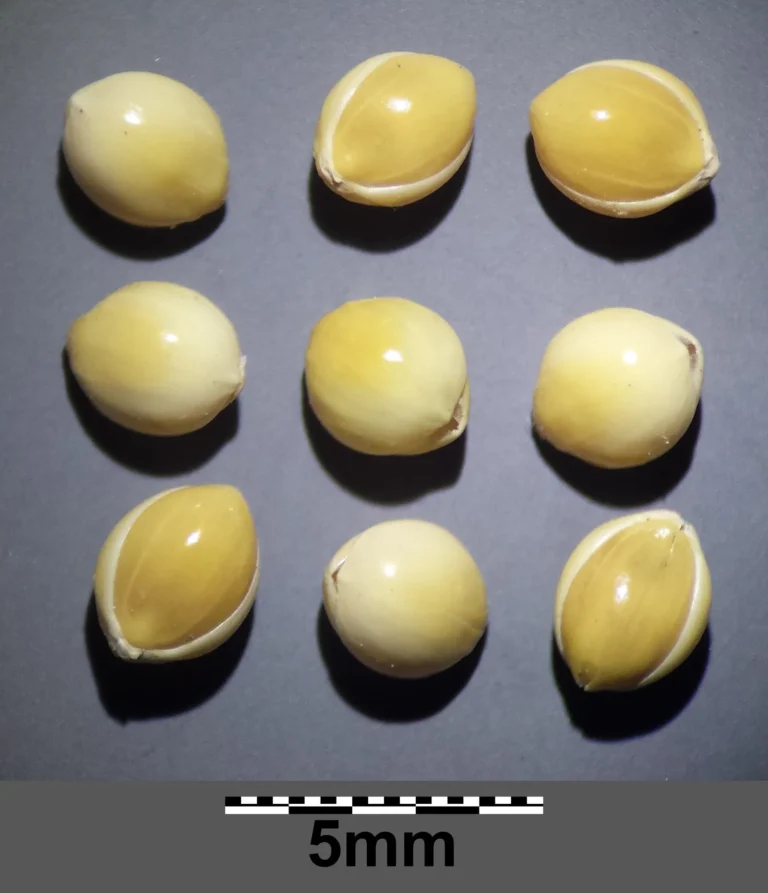
Isotopes reveal millet consumption in Poland around 1590 BCE—and show how some people adopted the new crop during their own lifetimes.
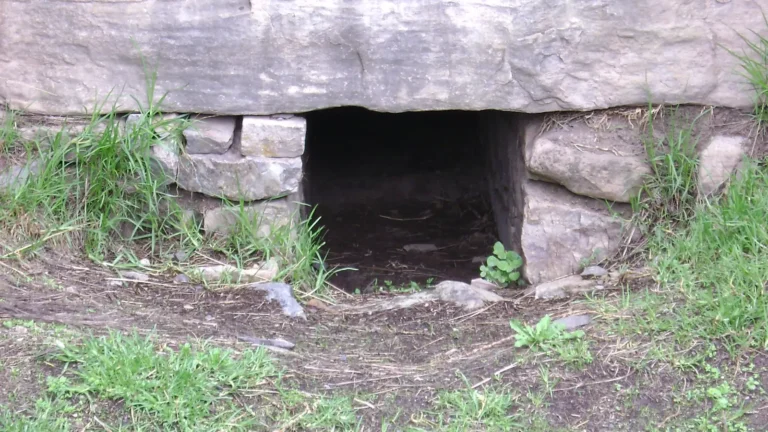
Playable shell horns and sound-filtering stone passages offer a way to investigate what visitors could have heard at Chavín de Huántar.
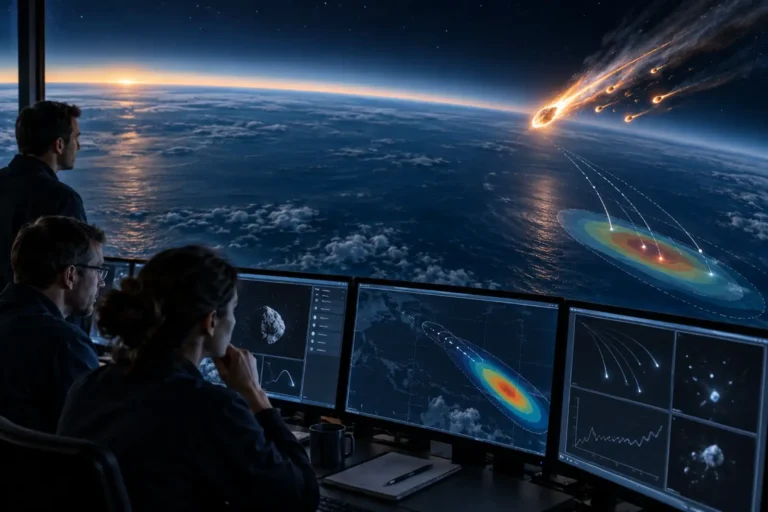
A new ESA model can estimate where fragments from a small incoming asteroid may land before the object reaches the atmosphere. The system was built for the short-warning events that astronomers call imminent impactors.
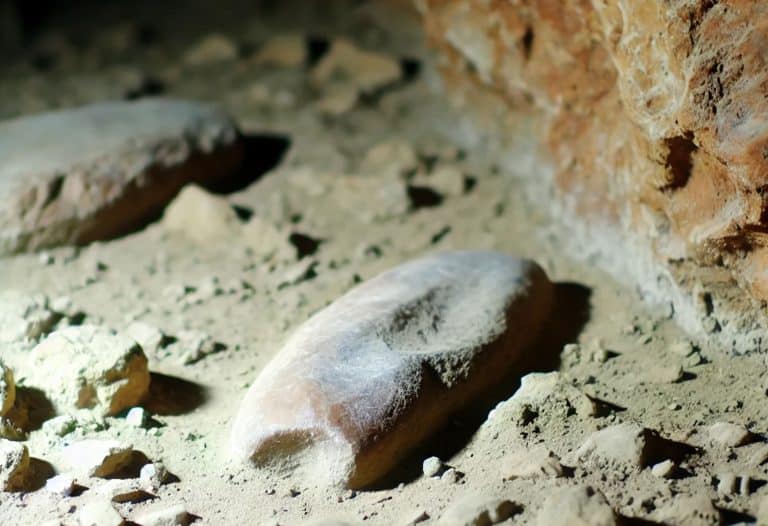
A 70,000–100,000-year-old site in China’s Lower Yangtze region yielded 3,596 stone artifacts. Their size and manufacture point to a change in toolmaking, but not to a known species or a settled explanation.

Could the young Sun have swallowed a super-Earth? A new solar model finds a possible interior fingerprint, but the event has not been observed.
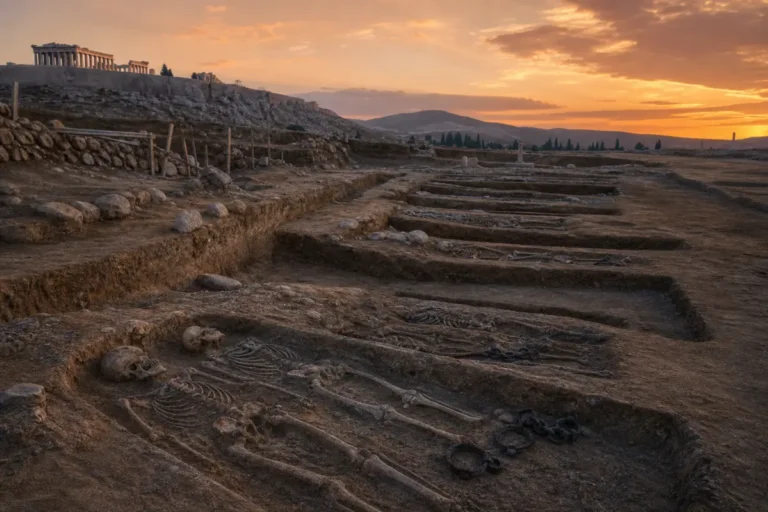
A chemical record preserved in their teeth suggests that most of the men in Phaleron’s shackled mass graves grew up in Attica. The finding shifts the debate from foreign invaders to violence within the community itself.
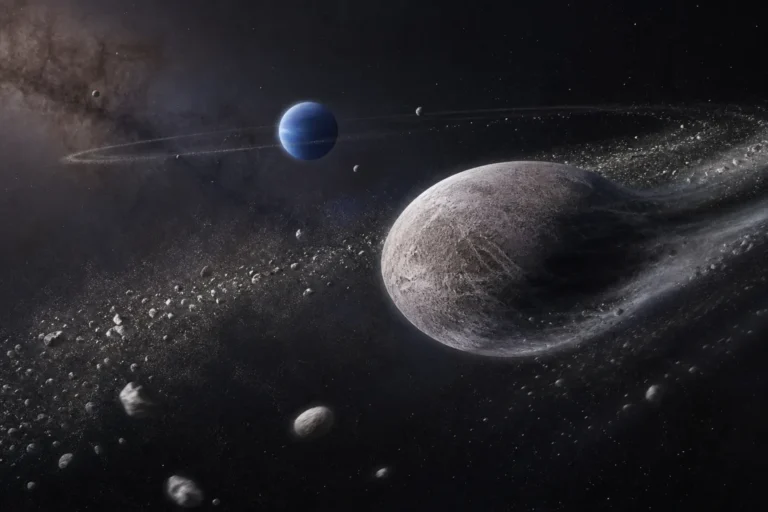
The small moons inside Neptune’s rings may be the surviving debris of a much larger moon system destroyed when Triton was captured billions of years ago.
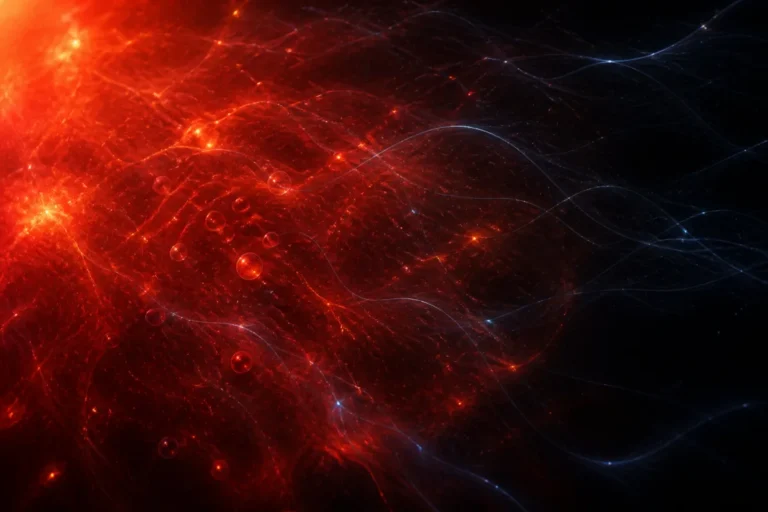
Dark photons are one proposed explanation for dark matter. A new calculation suggests that the early universe’s plasma may have stopped them from depositing heat as efficiently as earlier models predicted.
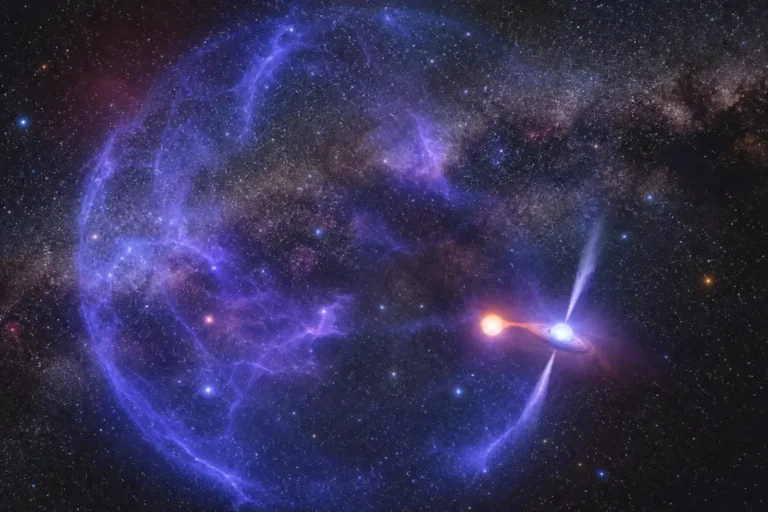
The enormous Cygnus Bubble is usually linked to a busy star-forming region. A new study argues that the microquasar Cygnus X-3 may be the more natural source of its highest-energy gamma rays.
The cosmic microwave background is the oldest light we can observe. Here is where it came from, what its tiny patterns reveal, and why it still matters.