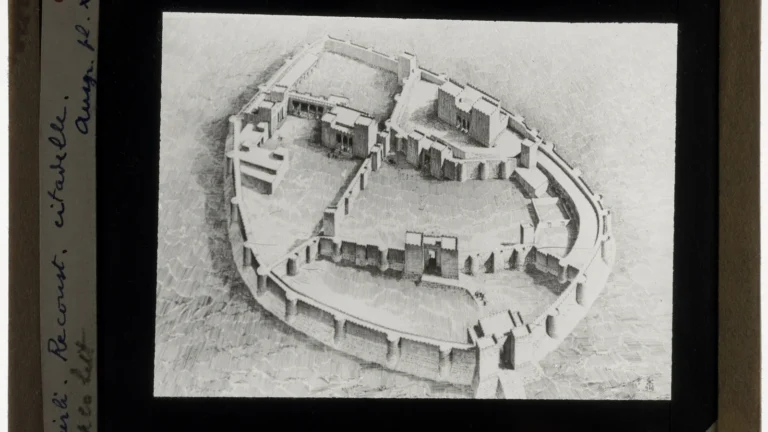
How Do Archaeologists Know a Wall Was a Border?
A wall can look like a border from above, but archaeologists test the idea through gates, roads, visibility, construction layers and excavation context.
Independent reporting on space, archaeology and ancient worlds

For the passionately Curious
Browse Curiosmos
A wall can look like a border from above, but archaeologists test the idea through gates, roads, visibility, construction layers and excavation context.
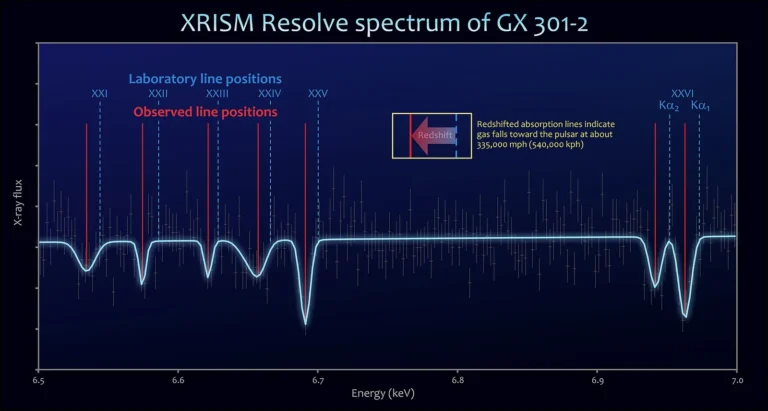
A neutron-star pulsar is pulling gas from a blue hypergiant 13,000 light-years away. XRISM’s X-ray spectra show how astronomers can follow that material as it falls.
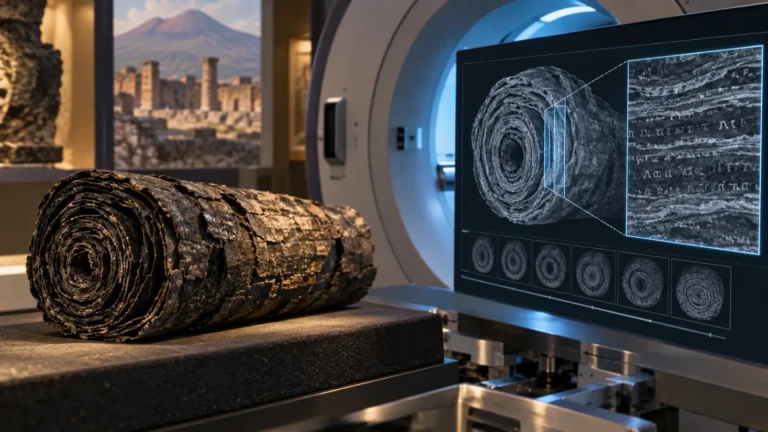
A new proof-of-concept study shows how lead in ink could make some Herculaneum scrolls easier to read without opening them.
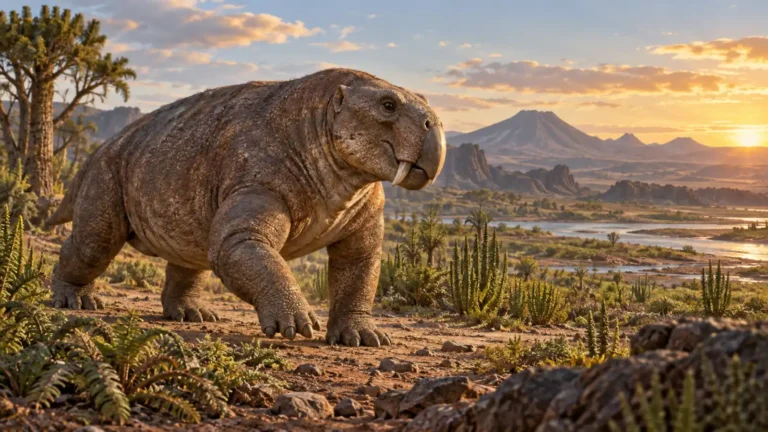
A newly named 240-million-year-old herbivore from Tanzania links African and South American rocks and may force a rethink of the earliest dinosaur timeline.
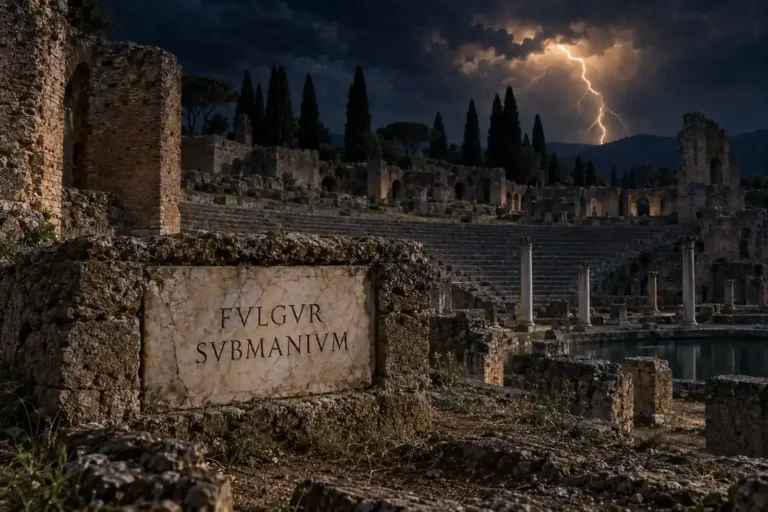
A marble inscription found in its original position at Hadrian’s Villa refers to a lightning strike attributed to Summanus—and the Roman ritual of making the place sacred.
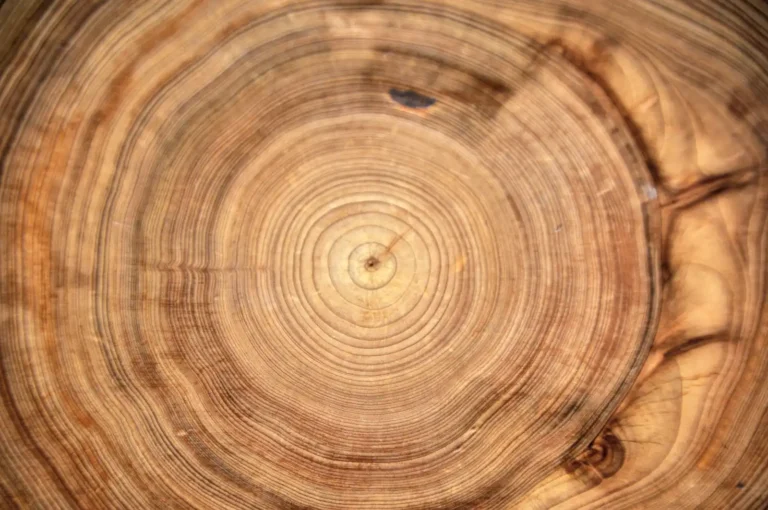
How can a wooden beam reveal when an ancient building was raised? Dendrochronology reads the annual rings in timber, linking old structures to a calendar built from living trees.
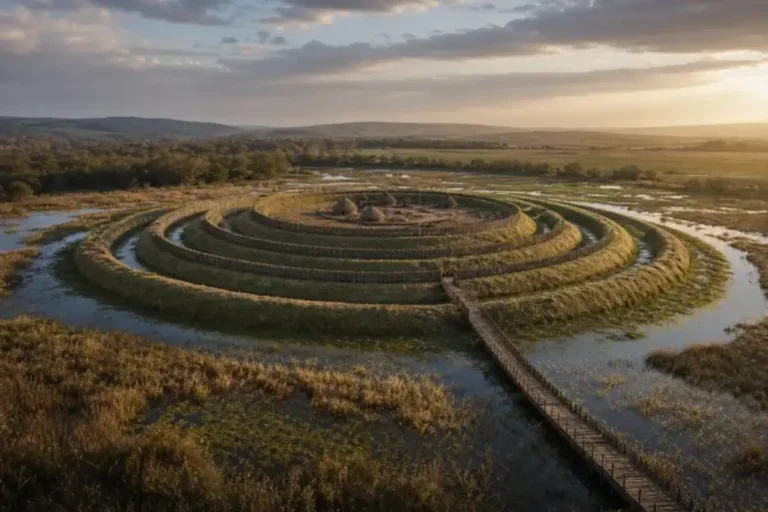
An Iron Age fort hidden in a Shropshire marsh is being excavated again after four decades. What can its ditches, timber and buried layers reveal about a settlement built in a wet landscape?
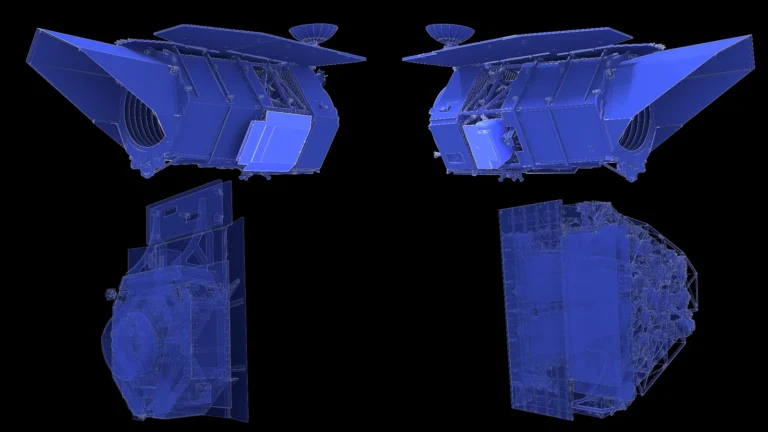
Something remarkable happened on the way to the next great map of the universe. NASA’s Nancy Grace Roman Space Telescope has activated its main science instrument, a 300-megapixel infrared camera…
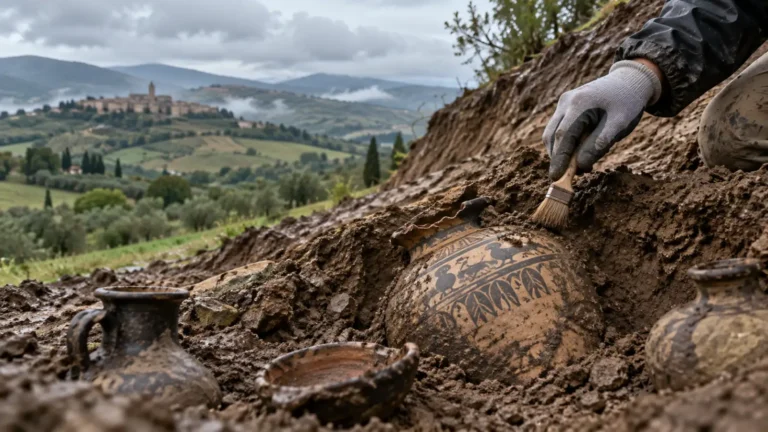
Heavy rain exposed a ceramic vessel near Sant’Elpidio a Mare. Archaeologists say it belongs to a Picene burial provisionally dated to the sixth century BCE.
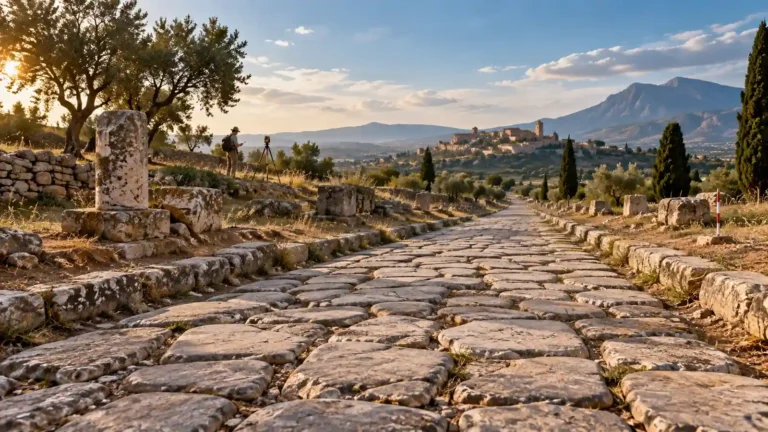
A new Nature Communications study mapped 299,171 kilometres of Roman roads and found that ancient routes still correlate with major modern roads.

After nearly eight years and 9.9 billion kilometres, ESA and JAXA’s BepiColombo has released the module that powered its journey to Mercury. The spacecraft has reached the arrival phase—but orbit insertion is still months away.
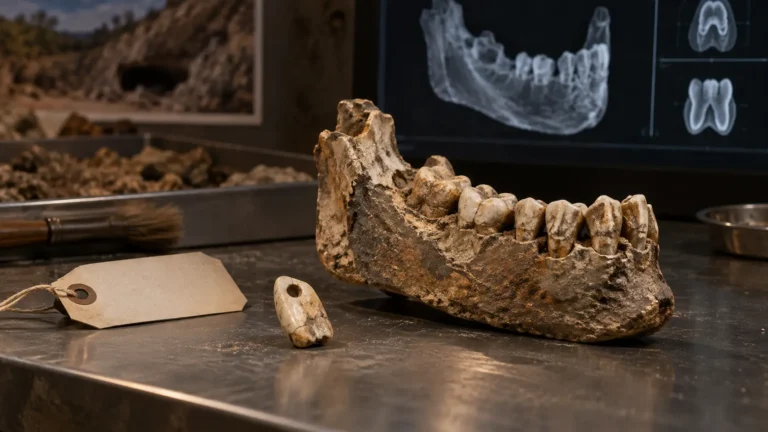
A new study of a 30,000-year-old mandible from Les Rois Cave places the specimen closer to early Homo sapiens than to Neanderthals. The result changes what the famous teeth can—and cannot—tell us about life in the Aurignacian.
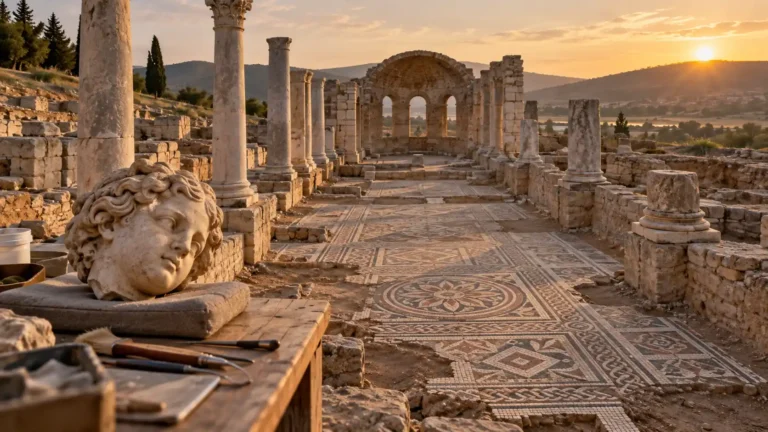
Archaeologists uncovered a 105-square-metre mosaic and a second-century Eros head at Pompeiopolis. What do the finds reveal about a changing city?
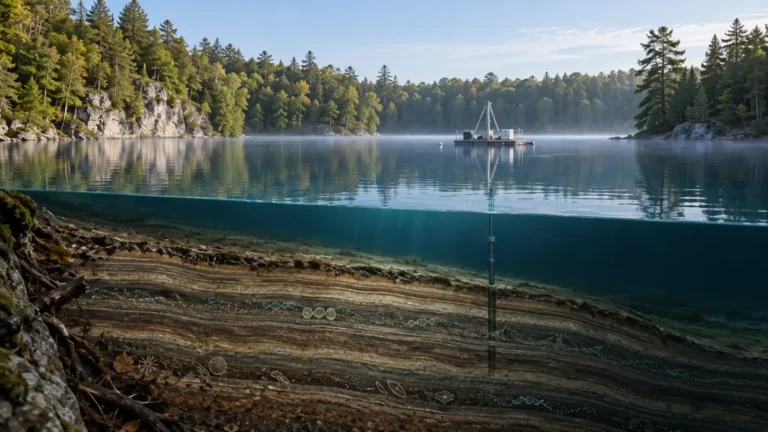
A new Molecular Ecology study reads environmental DNA in Crawford Lake’s layered sediment, following plants, animals, fungi, algae and bacteria through Indigenous farming, village abandonment and later settlement.
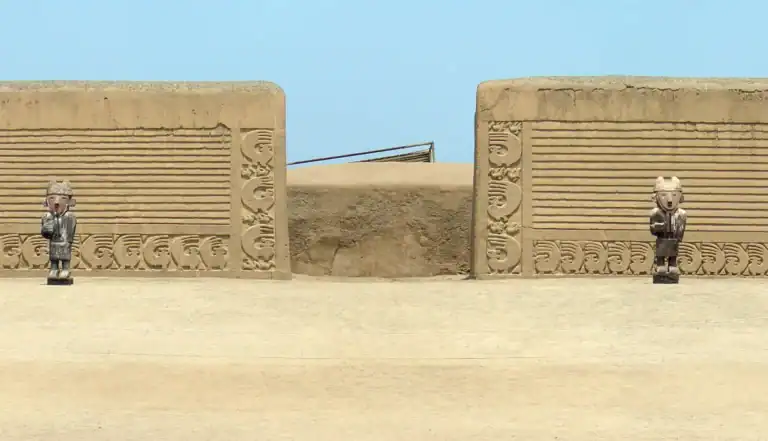
What can a Chan Chan burial platform preserve after six centuries of rain, wind and the attention of people looking for treasure? At Chan Chan, on Peru’s northern coast, archaeologists…
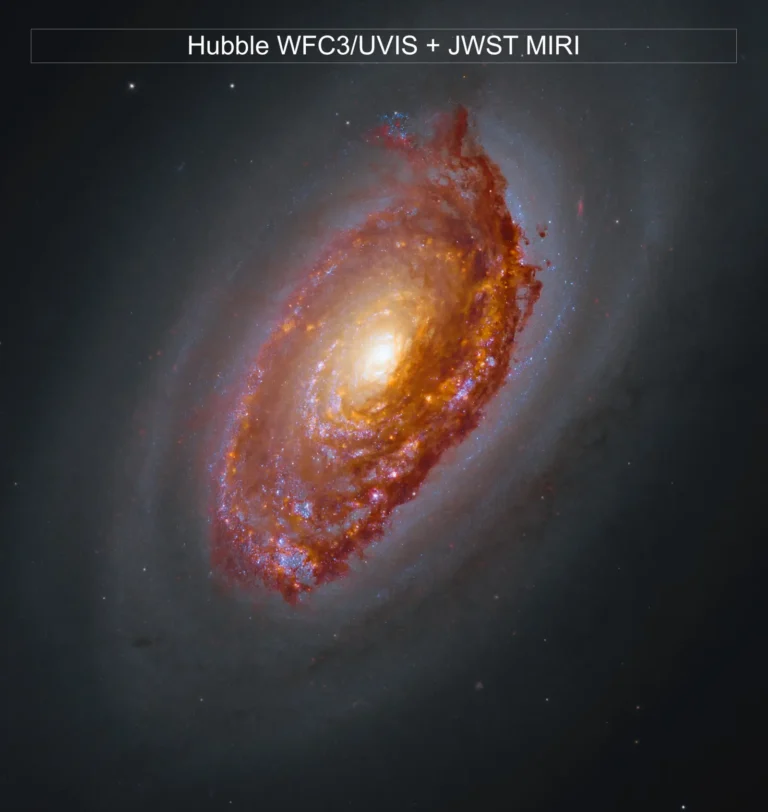
At first glance, Messier 64 looks as though someone has drawn a dark eye across the centre of a spiral galaxy. That band of dust is why M64 is better…
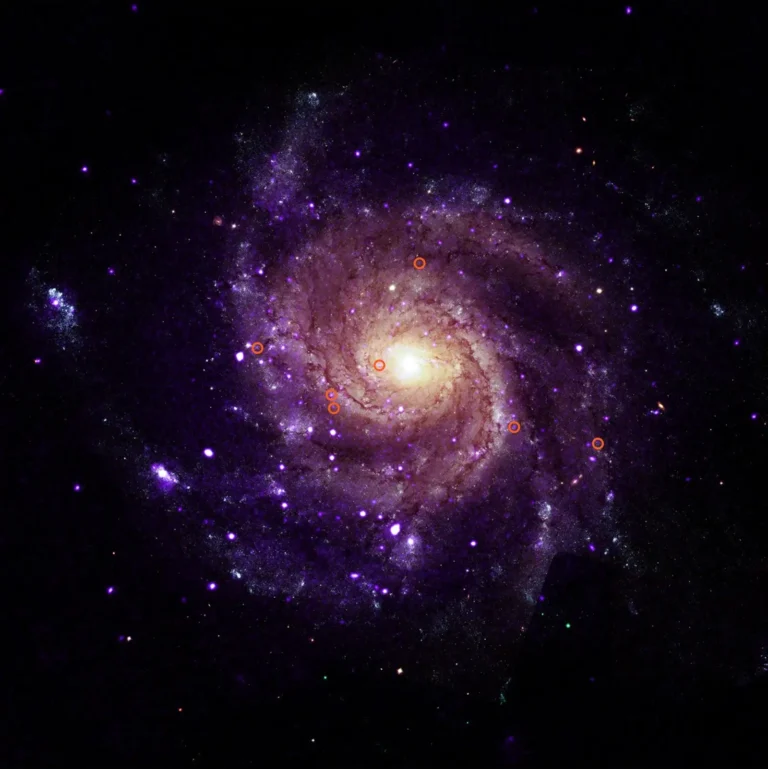
Astronomers have found 84 objects in nearby galaxies that do not behave like the familiar X-ray sources catalogued over the past six decades. They are bright at the lowest X-ray…
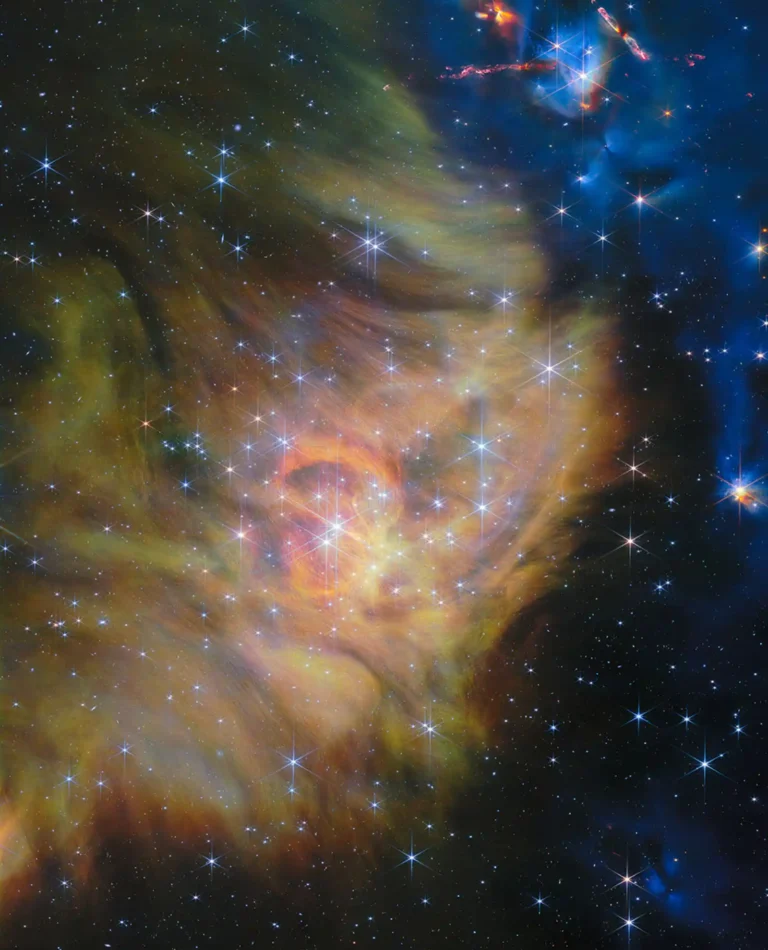
Webb found brown dwarfs as light as twice Jupiter’s mass in IC 348. One may have a disk, while an unexplained molecule hints at unfamiliar atmospheres.

An amateur spotted a circular depression in Quebec on satellite maps. Fieldwork found shatter cones and impact-melt rock inside the 25-kilometre Uhackatik structure.
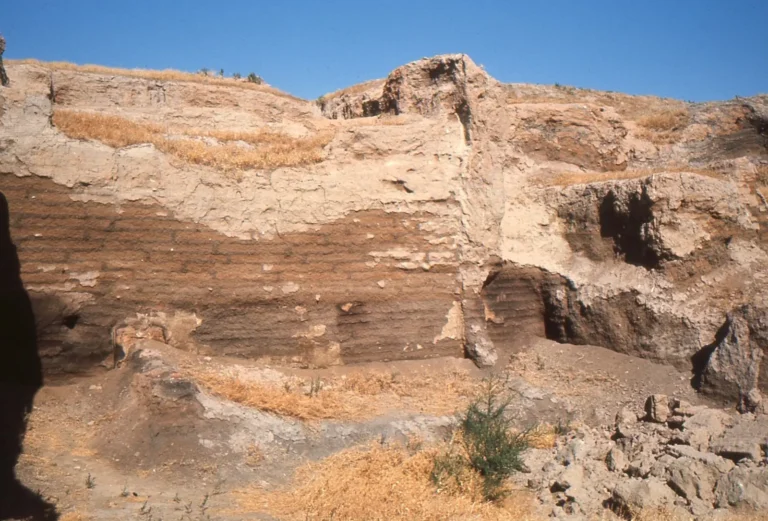
Archaeologists rarely identify a settlement from one object. They combine buildings, hearths, tools, food remains, activity areas, and patterns of rebuilding to understand a site.
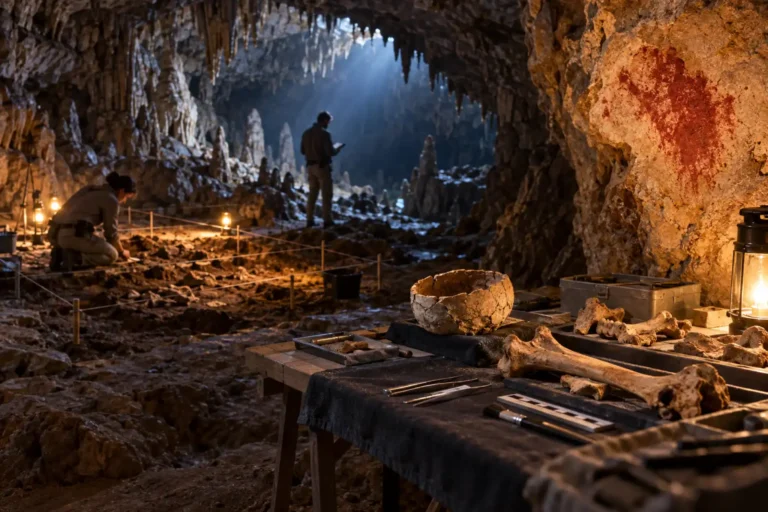
Nearly 1,000 bones and teeth from three Granada caves show that Neolithic cannibalism was not one practice or one event. The dates and traces point to different stories.
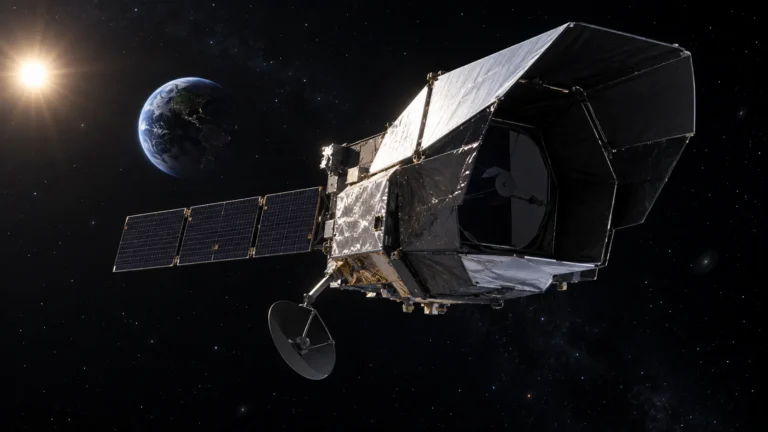
Roman’s antenna, sunshade and visor are deployed. Here is why the telescope’s three-month commissioning journey matters before its first images arrive.
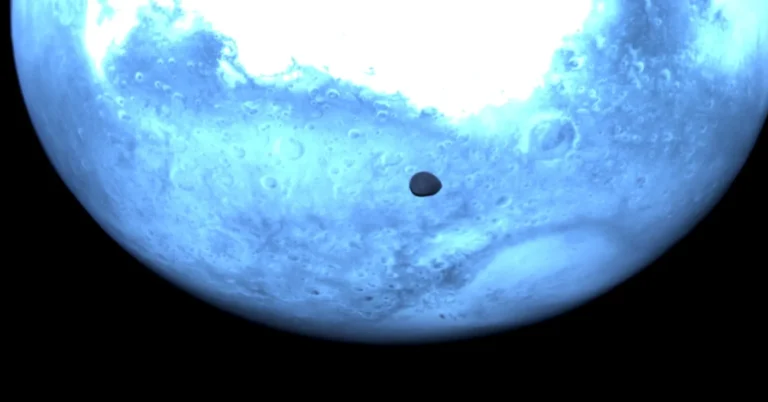
University of Bern simulations and ESA Hera observations point to one non-destructive asteroid impact as the source of Deimos’ southern depression and dusty surface.
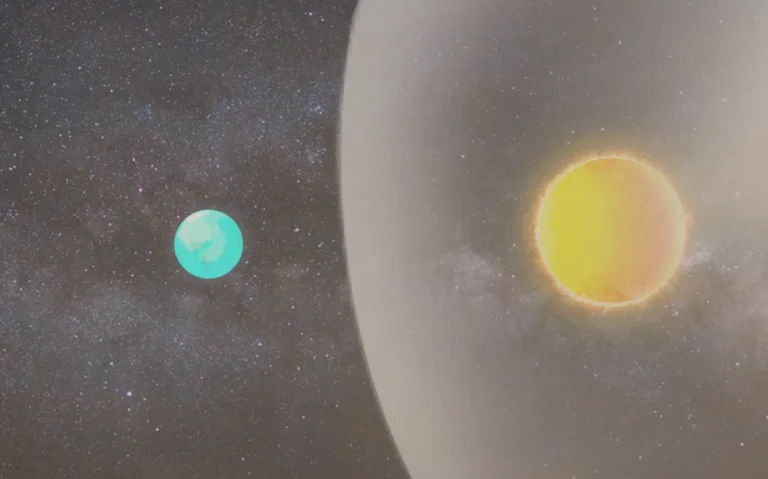
Two NASA-funded studies trace how the Sun’s changing galactic surroundings may have altered Earth’s climate and helped warm the young planet.