Independent reporting on space, archaeology and ancient worlds
For the passionately Curious
Browse Curiosmos
Ivan Petricevic
Ivan Petricevic is an investigative journalist and researcher with more than a decade of experience covering ancient history, UAP phenomena, space, and science. He writes about space, science, and history for Večernji list and has appeared as an expert on Discovery Channel and History Channel. He founded Curiosmos, where he reports from primary sources, archaeological research, and field investigations.
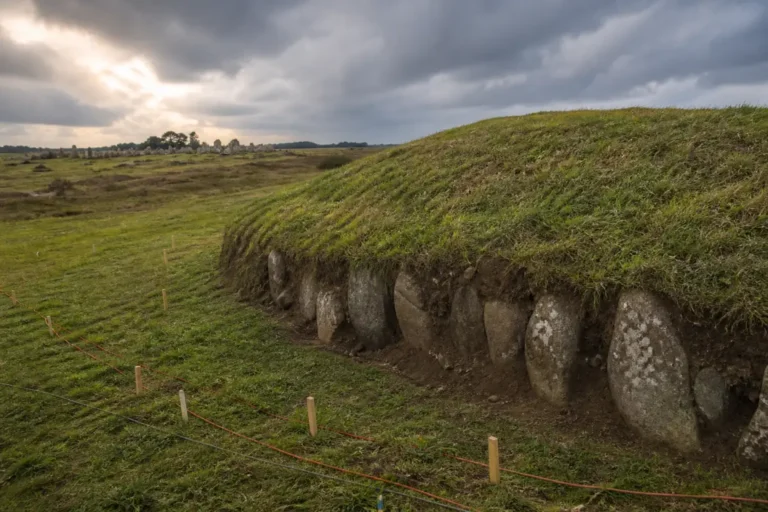
Electrical surveys at a Neolithic cemetery in Brittany have found strong signs of buried stone clusters inside two huge barrows. Only excavation can show whether the mounds conceal rare human-shaped monuments.
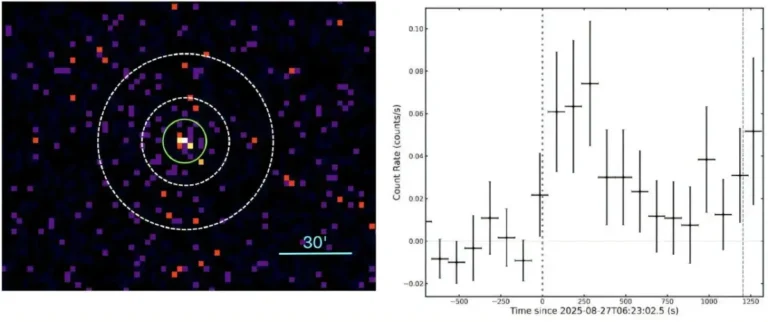
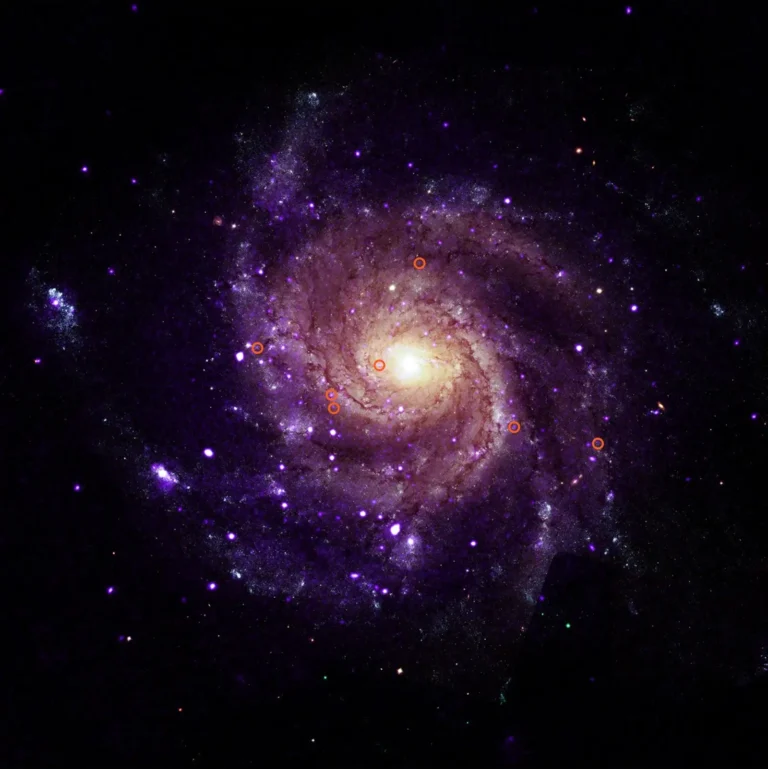
A sub-threshold Einstein Probe X-ray flash was found after ZTF spotted supernova SN 2025wkm. Researchers link the signal to shock breakout and a possible magnetar-powered engine.
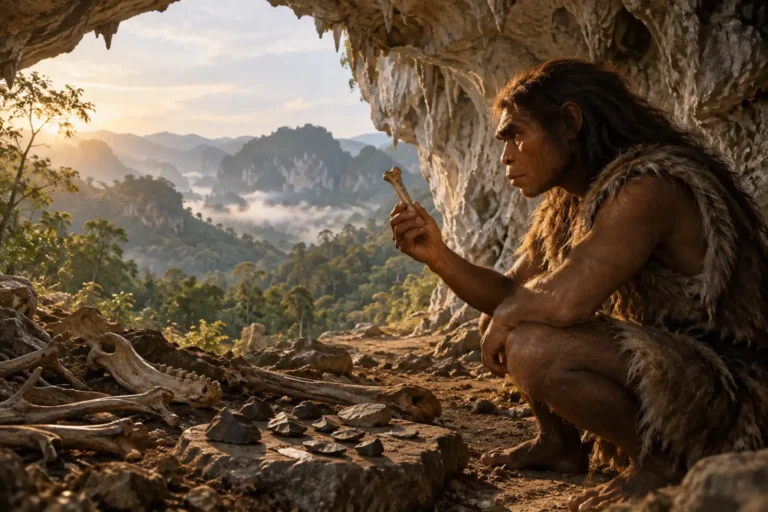
A partial radius from Bianfu Cave is the first confirmed Denisovan forearm bone. Together with teeth, skull fragments, tools and animal remains, it offers a rare look at how these elusive relatives of Neanderthals lived in southwest China.
A massive star pair still wrapped in its birth material follows a sharply stretched orbit, while the disks around its two stars point in different directions. Together, those clues suggest the pair may have come together after forming separately.
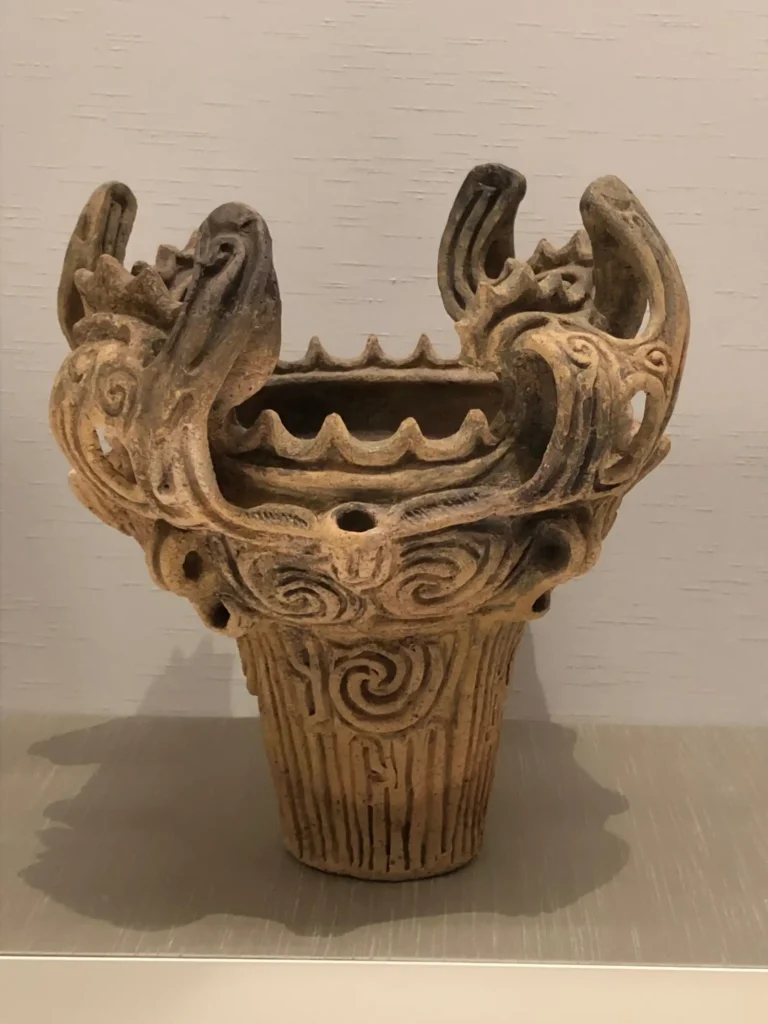
What can an 8,300-year-old Jomon genome reveal about prehistoric Japan? New high-coverage DNA sharpens the story of migration, isolation and cultural change.
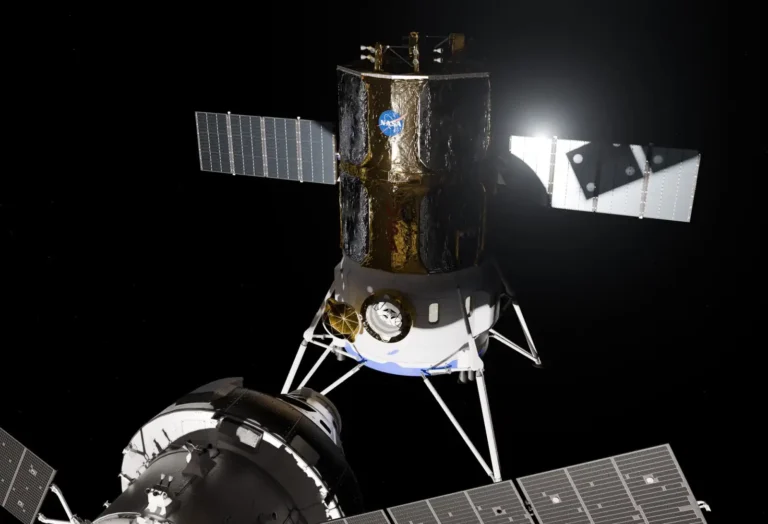
The first permanent foothold on the Moon will not begin with a crew stepping out of a lander and planting a flag beside a finished habitat. It will begin with…
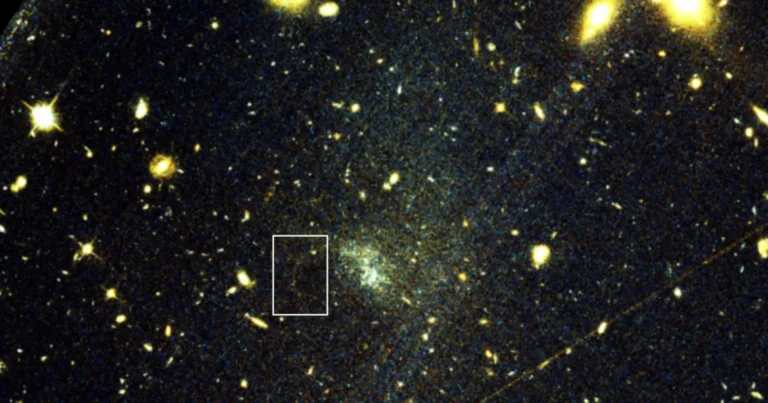
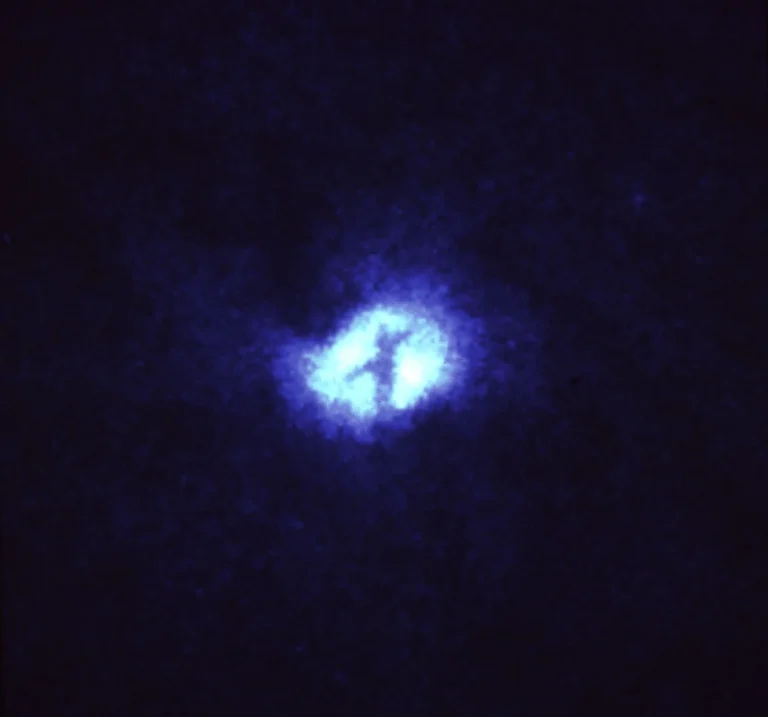
An ancient star cluster is slowly coming apart in a galaxy 115 million light-years away. The thin trail it left behind is giving astronomers a new way to study dark matter beyond the Milky Way.
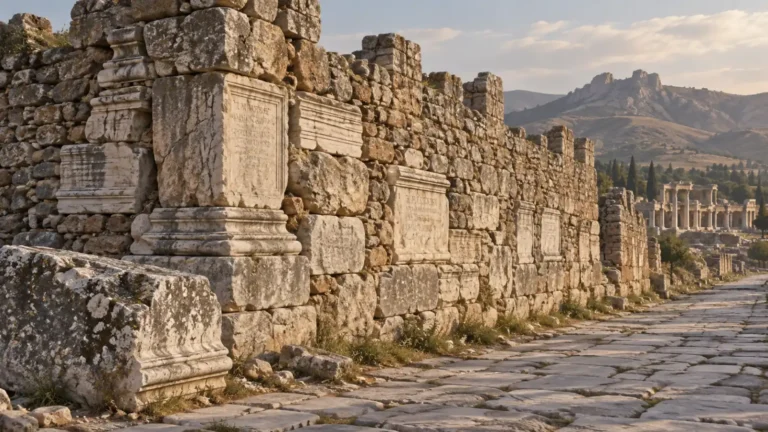
What does spolia mean? At Sardis, archaeologists found a late Roman wall built with pieces of an older temple, alongside other evidence of stones reused in streets and monuments.
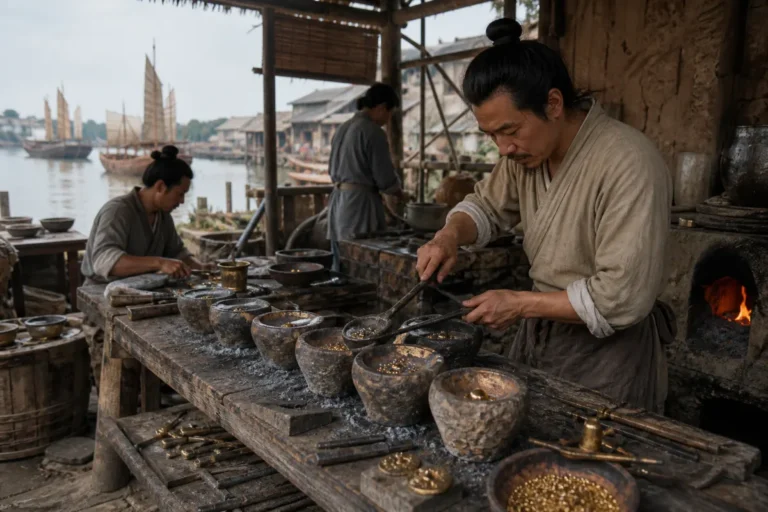
Three Guangzhou crucibles preserve East Asia’s earliest direct evidence of brass production. The residues confirm local making; the route remains uncertain.
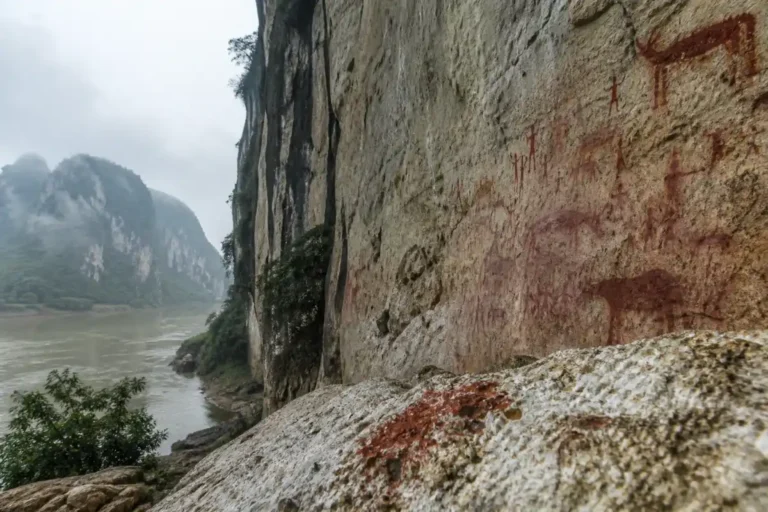
Researchers studying fallen Huashan rock art fragments found a lime-and-blood binder around red pigment. The possible link to childbirth remains an interpretation, not chemical proof.
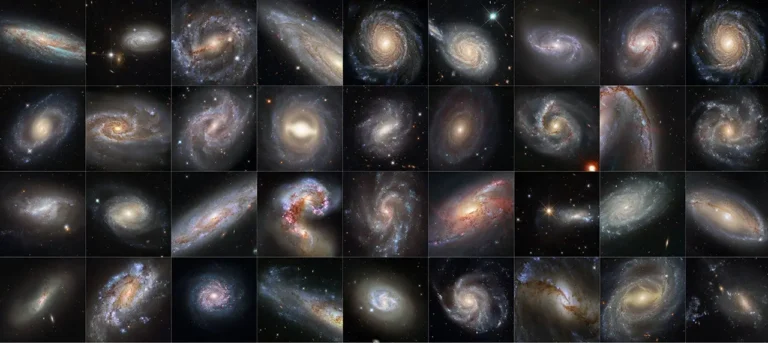
A FAST–DESI survey of 2.5 million galaxies finds star formation fell far faster than the universe’s atomic hydrogen supply. The mismatch points to how gas becomes molecular.
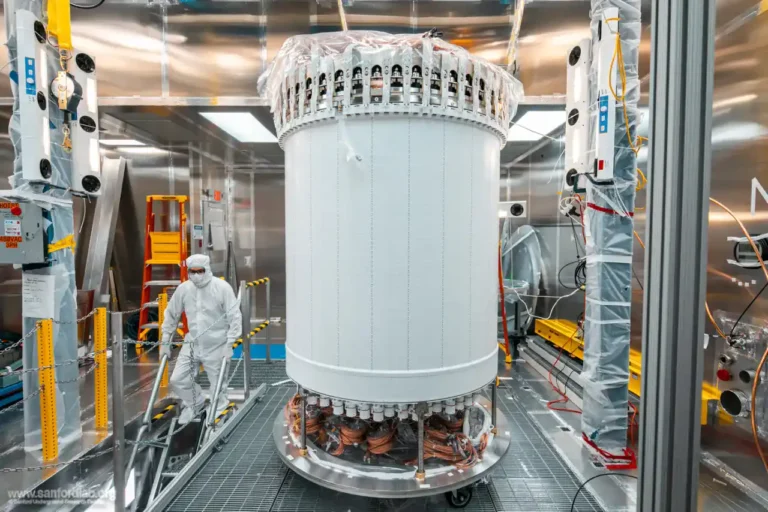
An underground LUX–ZEPLIN detector found a 2.6-sigma event that could be dark matter—or an unknown background. Here is why researchers remain cautious.
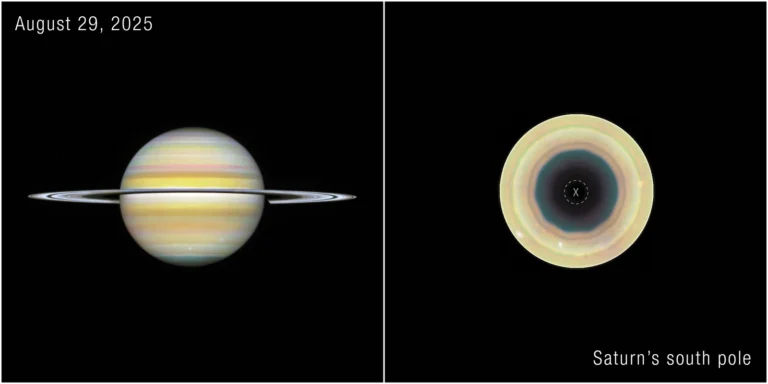
Hubble has found a growing ten-sided atmospheric wave around Saturn’s south pole—the first large regular-sided jet seen there. Saturn has long been known for a strange shape in its clouds.…
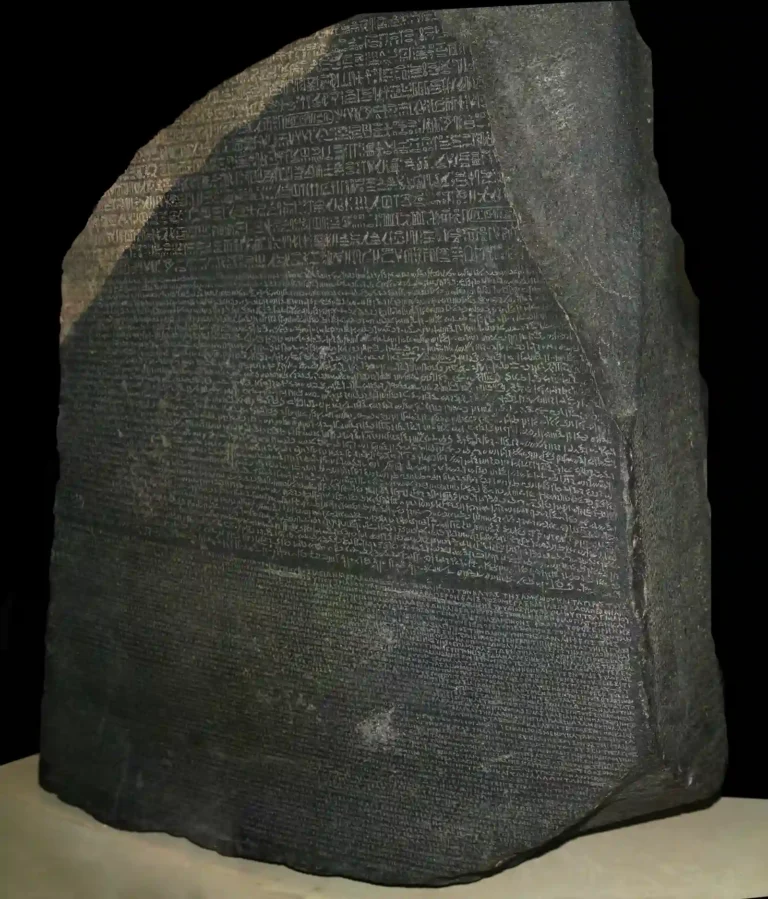
Imagine turning a piece of ancient wood toward the light and finding the faint remains of someone’s handwriting. What did that person need to say? And how could we place…
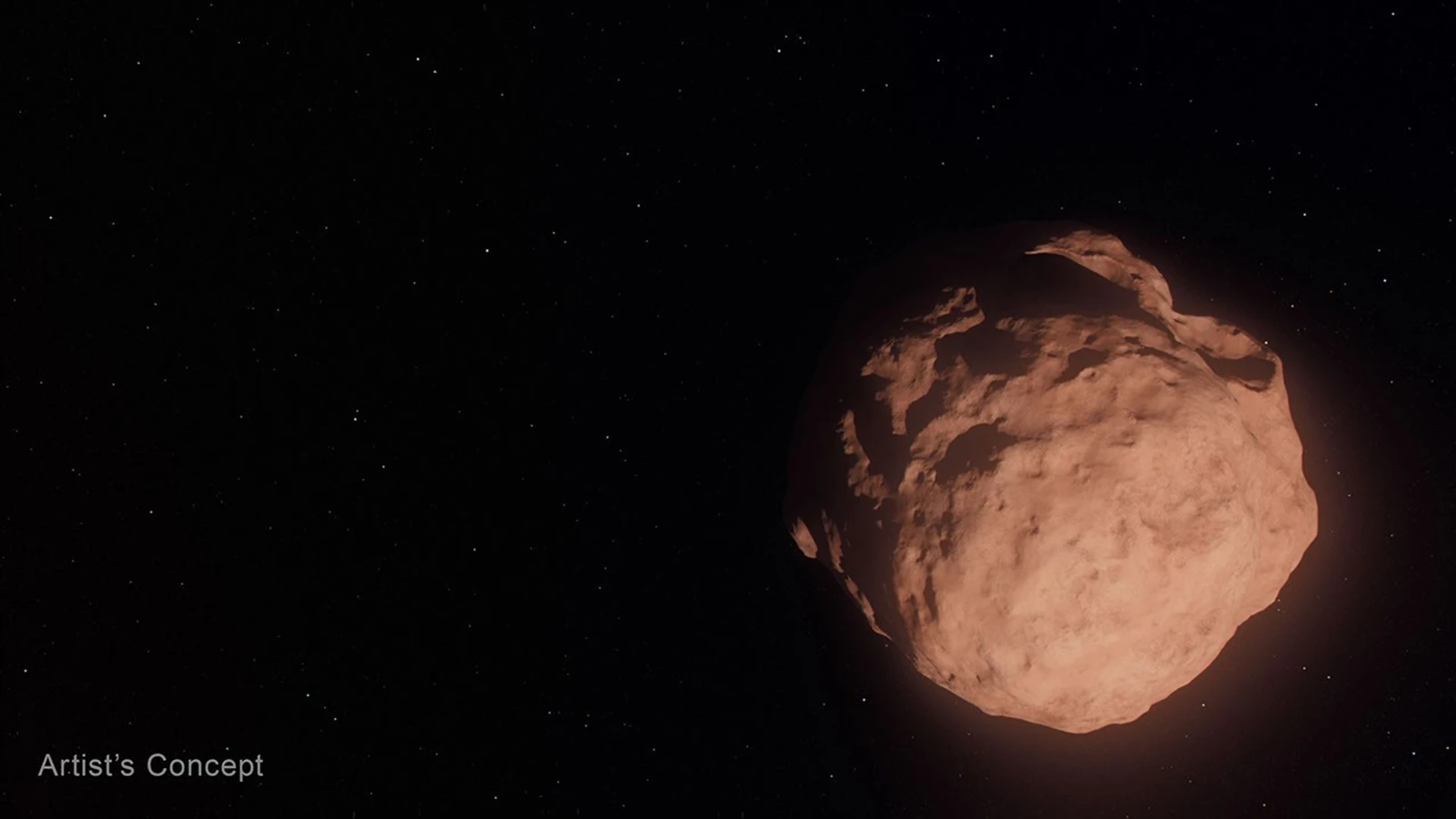
Twenty-seven faint objects beyond Neptune are giving astronomers a rare look at the planet-building material that survived when the outer solar system stopped growing. The outer solar system is not…
The objects are unusually soft in X-rays but bright in extreme ultraviolet light—exactly the combination that makes them difficult to find and potentially important to the history of stars and…
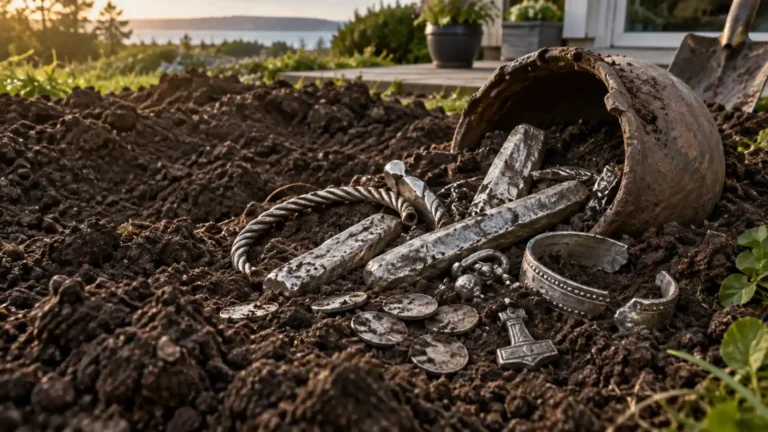
A terrace project in Rebild uncovered about 18.5 kilograms of Viking-Age silver. The objects show how wealth moved, was measured and was hidden in tenth-century Denmark. A new terrace was…
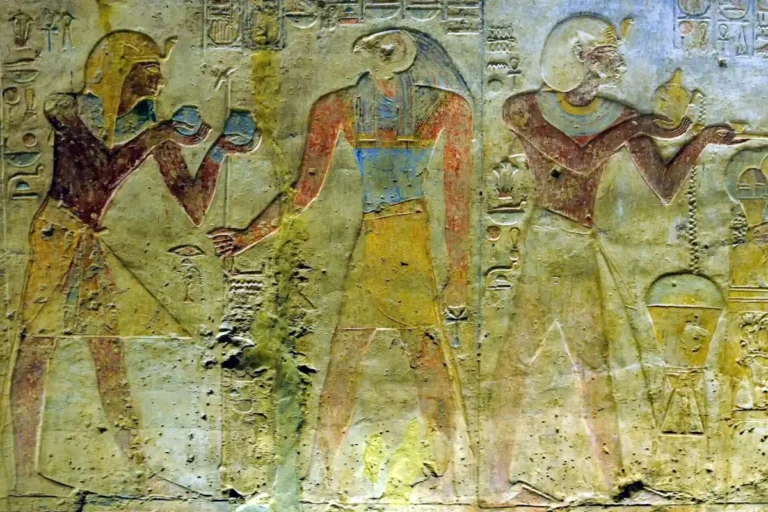
The name that keeps pulling archaeologists back to the eastern frontier What if a city that appears in the records of ancient Egypt has been sitting in plain sight, hidden…
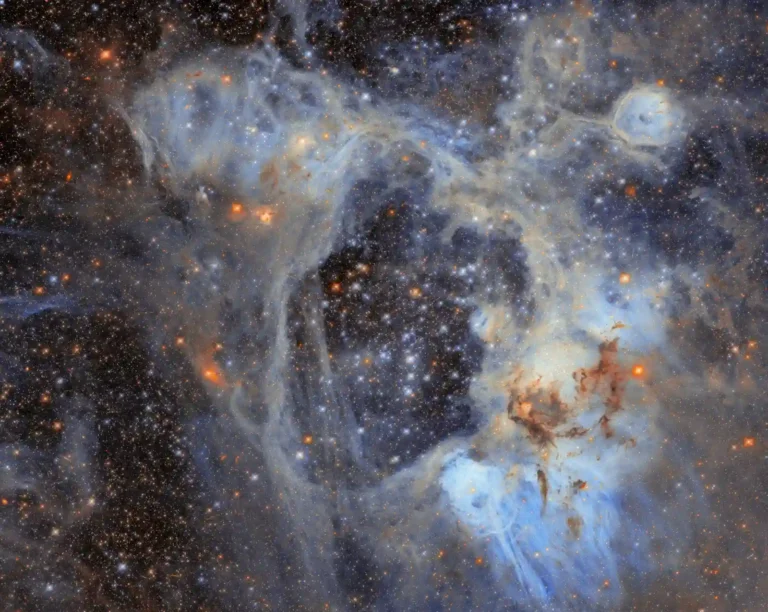
Look into the middle of N44 and the most striking feature is what seems to be missing. A vast opening interrupts the glowing gas, while stars crowd the surrounding scene.…
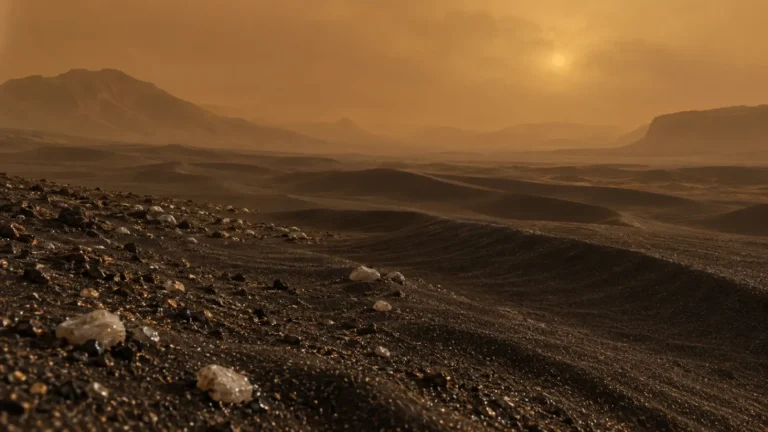
What might happen when the ingredients of life have an entire landscape in which to react? On Titan, NASA hopes to investigate that question by flying from one patch of…
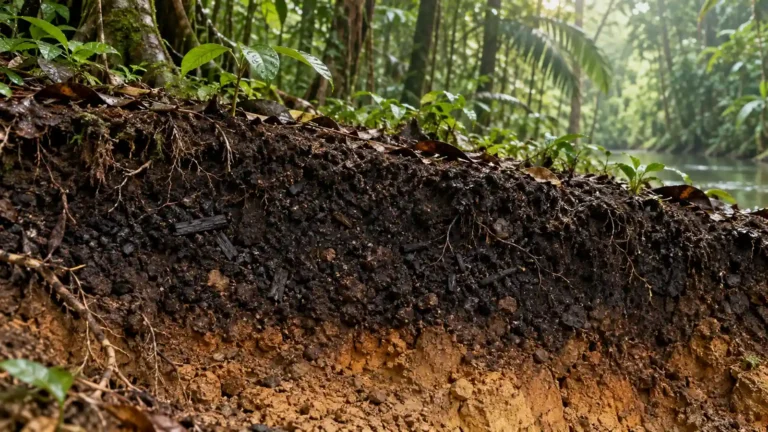
Dig into an old settlement in the Amazon and the ground itself can reveal that people lived there. Beneath the vegetation, patches of dark soil contain charcoal, broken pottery and…
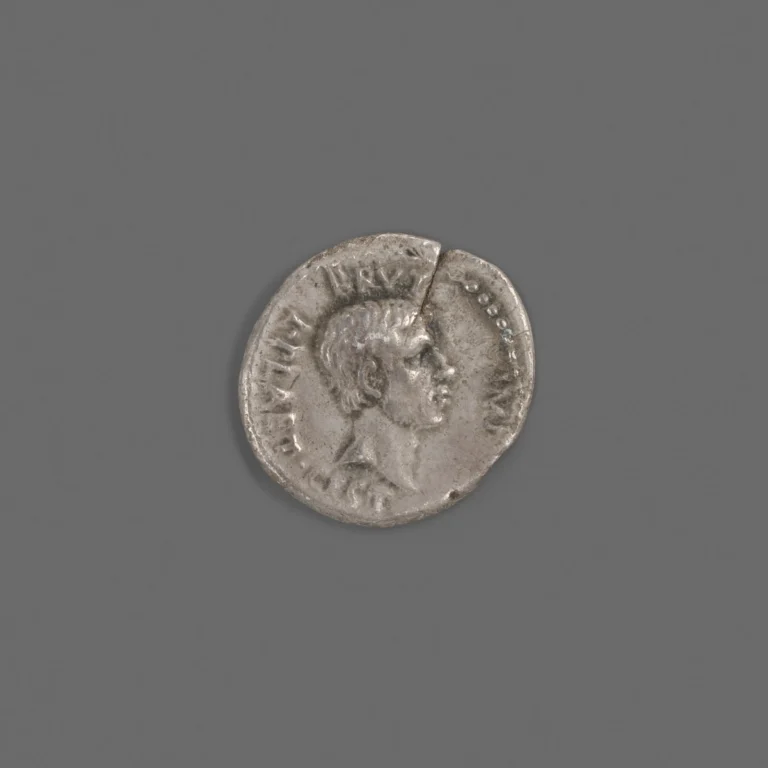
Imagine finding a Roman coin hundreds of miles from the place where it was made. Who carried it there? A soldier, a merchant, or someone whose journey has left no…
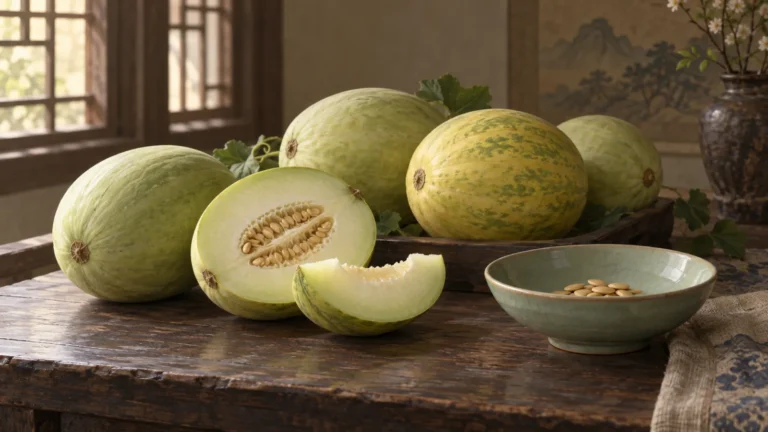
What would a melon served in medieval China have looked like? Two seeds recovered from an ancient port are helping researchers approach that question through the fruit’s DNA. A new…