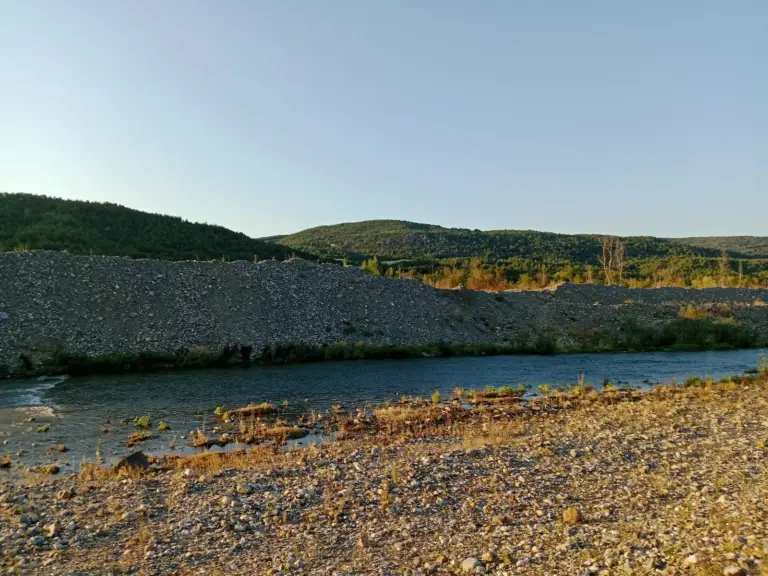
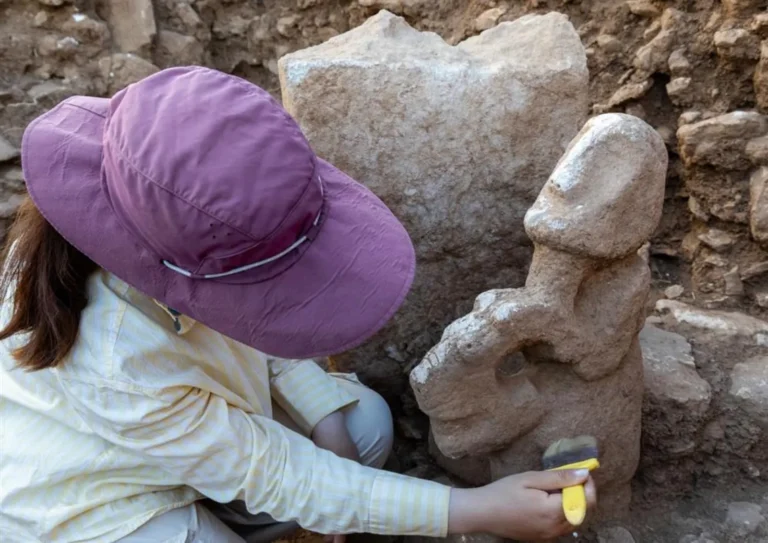
Carved stone animals and T-shaped objects made Kahintepe the Black Sea's answer to Göbeklitepe. Now archaeologists are asking for digging to resume before a dam reservoir covers it.
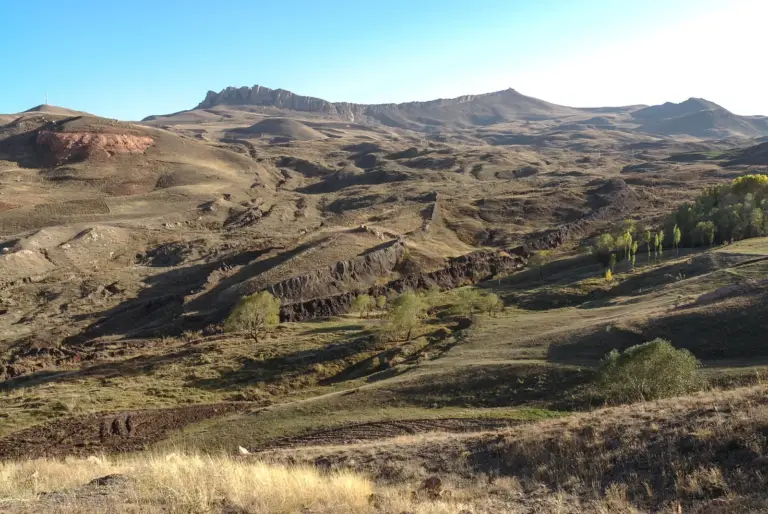
Researchers at the Durupınar formation in eastern Türkiye say a US lab dated two wood samples to 2400-2200 BC. Even the team says the result alone does not show the site is Noah's Ark.
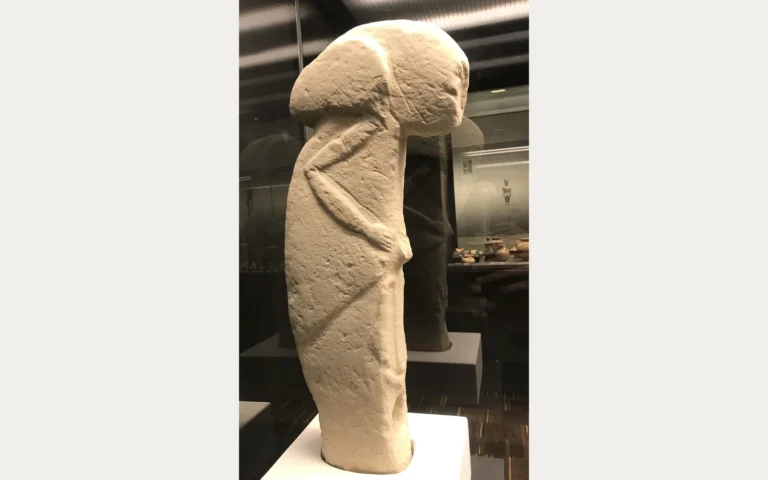
The Kilisik sculpture combines a T-shaped head, a carved face and an ambiguous embrace. Comparing it with excavated Neolithic art reveals more than its unusual appearance.
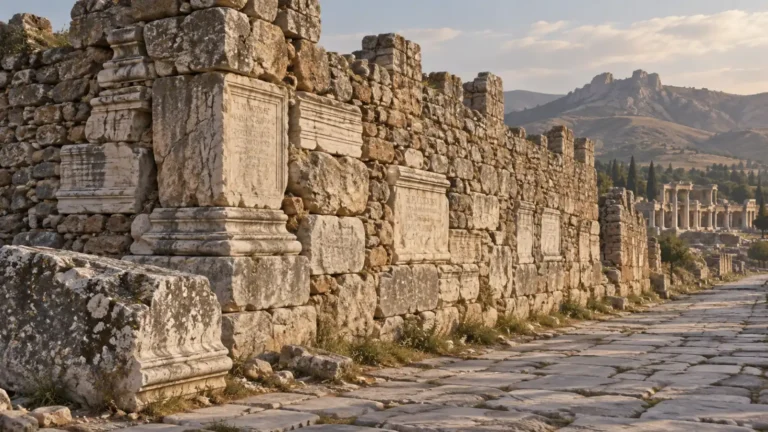
What does spolia mean? At Sardis, archaeologists found a late Roman wall built with pieces of an older temple, alongside other evidence of stones reused in streets and monuments.
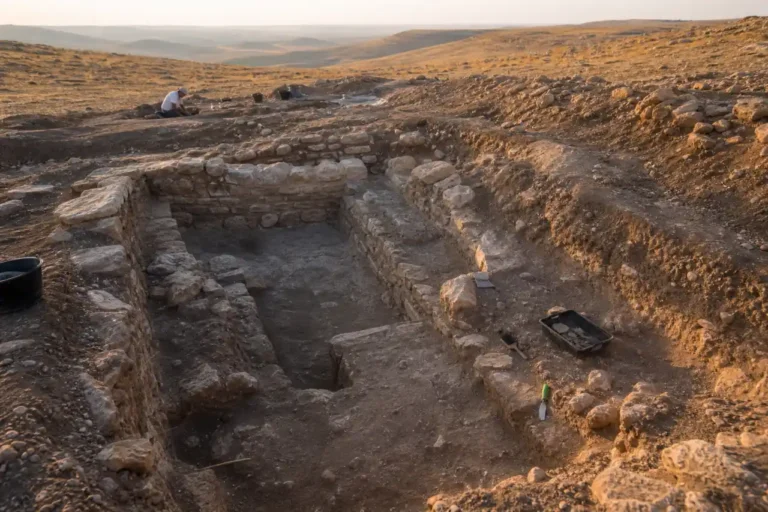
Göbekli Tepe excavations have uncovered rectangular buildings that may have been homes. The find adds an everyday setting to a place long known for its monumental pillars and enclosures, giving…
Located in modern-day Turkey, this breathtaking megalithic site is an architectural marvel that predates Stonehenge by more than 6,000 years. Yet, despite only 5% of the site having been excavated,…
Cavustepe (Çavuştepe) Castle is an ancient site that offers visitors an extraordinary glimpse into the fascinating world of the Urartian civilization. Here’s a listicle that explores some of the most…
Göbekli Tepe is a remarkable archaeological site located in southeastern Turkey, near the city of Sanliurfa. This megalithic complex dates back to the Neolithic period, about 11,500 years ago, and…
Volatile, volcanic conditions millennia ago sculpted Capadoccia’s spires, which now attract millions of visitors to hike or ride horses or fly over its stunning landscape with hot-air balloons in central…
Göbekli Tepe, the starting point of civilization and the place considered the world’s first temple, holds many mysteries amidst its megalithic pillars. The ancient site is believed to have been…
At Göbekli Tepe, carved T-shaped pillars stand in monumental buildings. Stonehenge’s familiar uprights and lintels took shape thousands of years later. The distance between them, in geography and time, matters…
Around 13,000 years ago, before the invention of technologies such as the wheel, the pulley, pottery, and metallurgy, and even before writing, a long-lost civilization in present-day Turkey built one…
There are various considerations why Göbekli Tepe is a history-changing site. Here are three reasons I think Göbekli Tepe is unlike any other ancient monument we’ve found. More than 12,000…
The builders of Göbekli Tepe possessed profound knowledge of geometry, which was used to build the ancient site using multi-ton stones between 12,000 and 13,000 years ago. Furthermore, the discovery…
A monument reported at Uğurlu-Zeytinlik on the Aegean island of Gökçeada drew comparisons with the standing stones of Göbekli Tepe. The proposed date of the structure and the older history…
Almost all underground cities in Anatolia are unique to antique Cappadocia, a region that includes the provinces of Nevsehir, Aksaray, and Kayseri. Some of them may have even been built…
In the Derinkuyu district of Nevşehir Province, Turkey, lies one of the Earth’s largest and most remarkable underground cities. This ancient, multi-leveled city remains an enigma, with many secrets yet…
Built by mysterious people more than 12,000 years ago, archaeologists have still not excavated the site entirely. Göbekli Tepe was buried for reasons unknown a few thousand years after its…
Does the Piri Reis map of Antarctica really depict the continent without its ice sheet? Over the years, this fragmentary 16th-century map has sparked intense debate among researchers, skeptics, and…